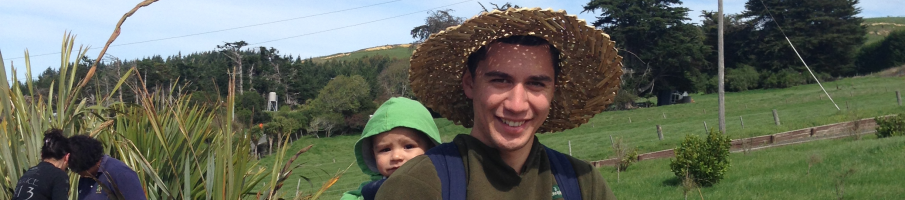
Attitudes of NZ youth to Māori-language revitalization
What do young people think about the future of te reo Māori?
Nathan Albury is undertaking research on “folk linguistics”, that is, what do ordinary people think about language use. Nathan was formerly here at Te Tumu, but is now close to completing his PhD at the University of Oslo on folk linguistics relating to the revitalization of te reo Māori in New Zealand, and the Saami language in Norway. Te Tumu’s Dr Lyn Carter remains as one of his supervisors.
Nathan has recently written a short pamphlet with some of his findings relating to te reo Māori. He has circulated it to government departments and political parties. In particular he has had a good response from Education Minister Hon. Hekia Parata, and from the Green Party. Click on the link to read Nathan’s pamphlet.Tō Tātou Reo
Staff Profile: Professor Paul Tapsell
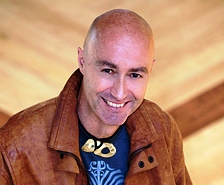
Professor Paul Tapsell
Professor Paul Tapsell (Ngāti Whakaue and Ngāti Raukawa) talks about his research journey and philosophy. As part of our occasional series of profiling Te Tumu faculty members, Dr Matiu Rātima interviews Prof. Tapsell, whose research interests include Māori identity in 21st century New Zealand, cultural heritage & museums, taonga trajectories in and beyond tribal contexts, Māori values within governance policy frameworks, Indigenous entrepreneurial leadership, marae and mana whenua, genealogical mapping of tribal landscapes and Te Arawa historical and genealogical knowledge. (Audio length: 17.5 minutes.)
Vicki Grieves Seminar
Dr Victoria Grieves (University of Sydney) will be giving the next Te Tumu seminar on “Working against nature: the plough as symbol of western progress and icon of Northern domination”.
This will be held in Cen3 (Central Library), on Wednesday 15 April 2015, 2.30pm – 3.30pm. Everyone is welcome.
Abstract: This paper argues that while the idea of the plough and of ploughing is embedded in western theory and discourse as an inherently good concept, the introduction of the plough and the beginnings of agriculture as we know it today is likely to be the beginning of the epoch now known as the Anthropocene. While the plough embodies all of the values of hard work, of thought and creativity, of respectability and of progress in western thought, as a tool of progress it has been used as a means of colonising and securing lands. The impact of this has been devastation to indigenous people and also to the natural world. Ploughing has had the effect of creating borders, of delineating colonised lands and enslaving men and animals to pull the blades through the soil. When recognised as such, the ploughs themselves have figured prominently in various ways in poor white and Indigenous dissent. Thus the plough works against nature rather than with nature. It has been convincingly theorised as an object of death and destruction of the natural world (Serres) and its impact on the collective issues that comprise climate change and the Anthropocene is profound.
New Research Assistant for Te Tumu
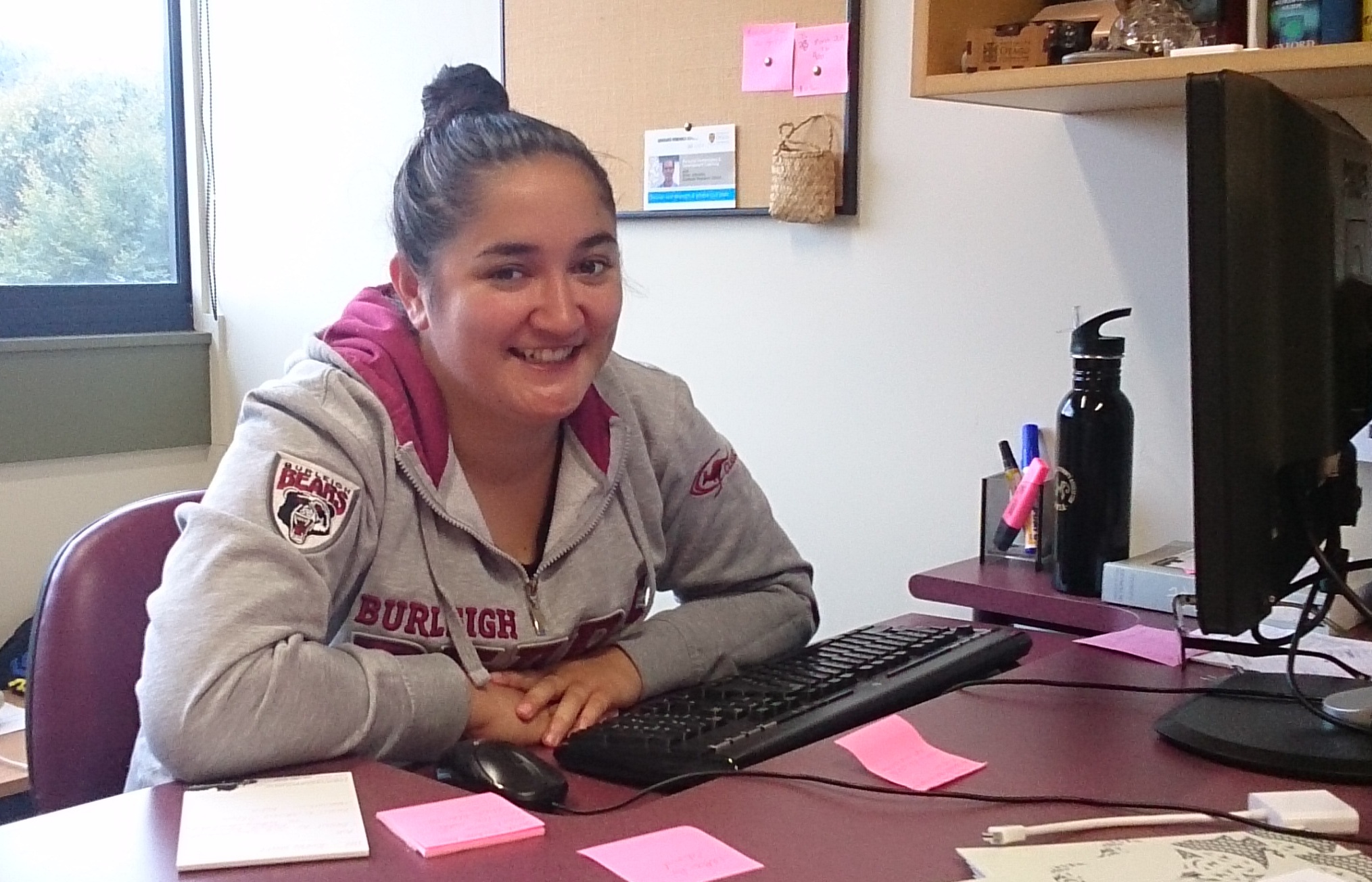
Gianna Leoni
Te Tumu is really pleased that Gianna Leoni (Ngati Kuri and Ngai Takoto) has now joined the staff as a Research Assistant for 2015. Gianna has long been a “fixture” at Te Tumu as a student and tutor, and is also currently putting the last touches on her doctoral thesis on the use of te reo Māori in government departments. As RA, Gianna will be working primarily with the editors of Te Tumu’s new textbook (currently being written) for its MAOR102: Māori Society paper. Gianna will also be assisting Te Tumu staff with their own individual research projects.
Nau mai, haere mai, Gianna.
In the meantime Gianna is also helping coordinate Te Tumu’s 25th Anniversary, which will run on 28-29 May. This is going to be a great weekend for former and present staff and students, and will be immediately followed by the 25th Anniversary of the Māori Centre/Te Huka Mātauraka (30-31 May). If you haven’t already registered for these events, click here now.
Upcoming Te Tumu seminar
Professor Patricia O’Brien, an ARC Future Fellow based at the Australian National University is currently visiting Otago, and will be giving a seminar to Te Tumu.
In 2012 Professor O’Brien was the JD Stout Fellow in New Zealand Studies at Victoria University of Wellington, and in 2011 she was the Jay I. Kislak Fellow in American Studies at the John W. Kluge Centre at the Library of Congress, Washington, DC. From 2001-2013 she was visiting Associate Professor in the Centre for Australian, New Zealand and Pacific Studies at Georgetown University, Washington, DC. She is the author of The Pacific Muse: Exotic Femininity and the Colonial Pacific (Seattle, 2006).
Professor O’Brien will be presenting on material from a current research project, a biography on the Samoan nationalist leader Ta’isi O.F. Nelson.
Her seminar ‘The Trials of Mr Nelson: Ta’isi O. F. Nelson and Indigenous Resistance in Interwar Samoa’ will be held in Cen3 (Central Library) at 2.30pm, March 23rd. This will be followed by tea, coffee and biscuits in the Te Tumu dining room.
We hope to see you there.
Upcoming Te Tumu Seminar
By Professor Chris Andersen (Faculty of Native Studies, University of Alberta).
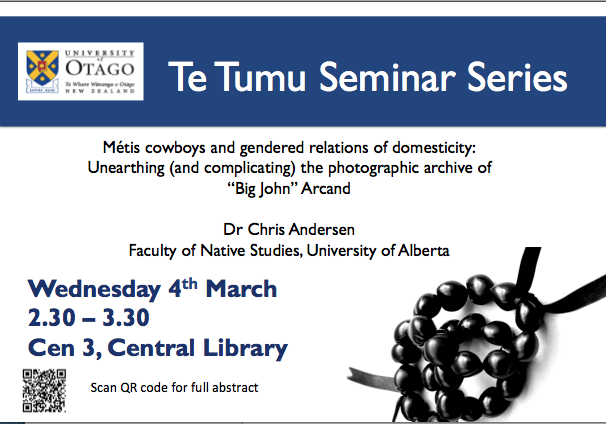
Click to enlarge
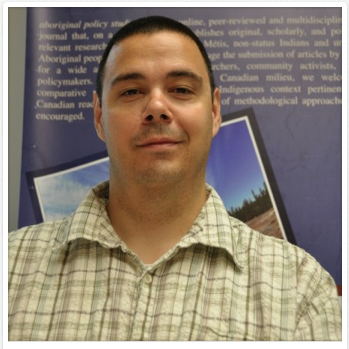
Chris Andersen, University of Alberta.
This seminar will be followed by tea and coffee on Level 1, Te Tumu.
Waitangi Day Lecture
Te Tumu staff member, Lachy Paterson, will be giving a talk at the Dunedin Public Library on Waitangi Day. Click here for details.
Te Tumu postgrads graduating this week
Te Tumu would like to congratulate four of our postgraduate students graduating this week. Their research topics showcase the wide range of postgraduate research being undertaken in Te Tumu.
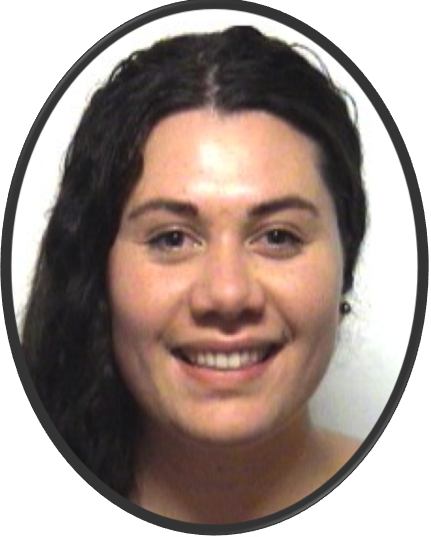 Clara Pau (Samoan) completed a MA in Indigenous Development. Professor Paul Tapsell was her supervisor.
Abstract: As digital media pervades the institutions and infrastructures of contemporary society with new inventions, new applications and new devices, so too does it pervade daily lived experiences. The social networking site Facebook.com is one such application which is highly integrated into the daily habits of individuals worldwide. The daily lived experiences of an individual contribute, according to the theorists in support of constructivism, to an individual’s ethnic identity. It has also been suggested that the reverse is true: ethnic identity also contributes to daily life. Despite the ubiquity of Facebook and the extensive writings on ethnic identity, there has been a limited contribution by scholars on how ethnic identity is manifested in and informs Facebook use. This thesis examines the daily Facebook use of seven Samoan individuals located in New Zealand. The thesis argues that key elements of their ethnic identities are manifested in and expressed through their use of the streamlined photograph, timeline post and friending Facebook functions. The thesis explains these three themes in terms of three N’s: Nationalism, Natives (and Immigrants) and Nostalgia.
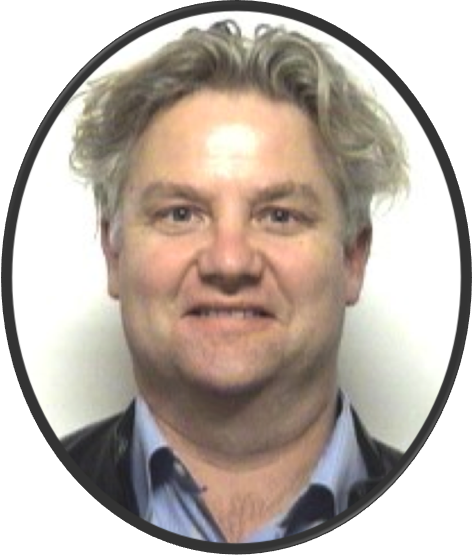 Quentin Roake‘s (Pākehā) research for his MIndS (Master of Indigenous Studies) looked at “The Stabilising Influence of Tauihu and Taurapa and the translation of Māori Waka into modern forms”, with Professor Karen Nero as supervisor.
Abstract: This multi-faced archival, interview and actions research project sought to understand the practical function of tauihu and taurapa in moderating canoe motion, and their relevance to new generation waka. Knowledge of the dynamic stabilising role of the prow and stern carvings of Māori waka has dropped out of conscious use but still sits within the built and oral tradition. This study forms a key part of Nga Waka Tangata kaupapa, a project developing contemporary forms of Māori waka in collaboration with Hoturoa Barclay-Kerr. Our approach has focused on maintaining the lineage of tikanga and of mātauranga within the construction of a new form of waka which is intended to be used as the vehicle for a range of social, cultural and economic initiatives. The research method took the form of a cyclical dialogue that explored understanding from the oral tradition through korero with waka tohunga, in conjunction with analysis of historic hulls, images (moving and still) and text. Findings were fed back into the on-going discussion. The first iteration of a contemporary waka was developed concurrently, built and tested with findings also contributing to on-going dialogue. This process culminated in a second generation design that embodies the research findings. Theoretical perspectives of Friere, Lash and Bhamba informed our approaches to the research. These results have made a significant contribution to the overarching kaupapa to reinitialise the fullest expression possible of traditional knowledge within contemporary waka culture. In the wider context it has aided in revaluing the significance of intellectual discovery through action, revaluing the significance of oral history, and promoting recognition of the opportunity that the breadth of this project presents to recreate the social and economic capital of Aotearoa New Zealand.
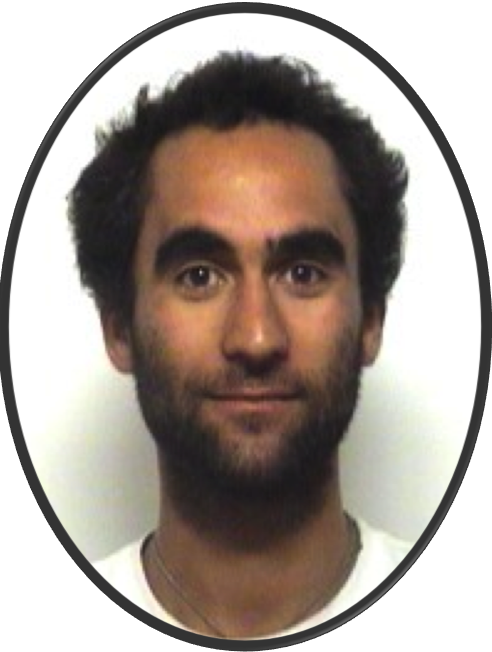 George (Hōri) Barsdell (Ngāti Awa, Ngaiterangi; Te Whānau-a-Apanui; Ngāti Rangitihi (Te Arawa)) is graduating with Honours in Māori Studies. His project, with Dr Jim Williams as supervisor, investigated ‘The Significance of Old Pā Sites for Modern Day Māori’.
Abstract: This dissertation proposes to highlight the significance pā sites have for modern day Māori, with reflection on the history of pā. Although these pā sites have been abandoned and many ruined or forgotten with the changing face of the land, they still hold importance for contemporary Māori. What this dissertation aims to achieve is show the status of pā sites today, examine the historical explanations for this status, and bring forth the importance they have for Māori in the 21st Century.
 Tāwini White (Ngāi Tahu / Kai Tahu, Te Rarawa) also completed an Honours in Māori Studies. Her topic, supervised by Associate Professor Poia Rewi, is entitled ‘He Manawa Reo, He Manawa Rarawa’.
Abstract: This dissertation aims to delve into whether Te Rarawa Māori Language speakers place value on the Te Rarawa dialect. I specifically wish to review and compare Te Rarawa views on the value of dialect and determine the value the dialect has in Māori language maintenance and acquisition. A comparison will be made between native Māori language speakers and second Māori language speakers to establish whether the value of dialect actually differs across these cohorts, and if so, what might these be? The main themes of the questions include the following:
* Do native Māori language speakers and second language learners value regional dialect?
* How is Te Rarawa dialect maintained and taught, and acquired?
* Is the Māori language becoming homogenised and in doing so are Māori losing iwi and hapū identity?
Te Tumu academic wins Ngā Pae Fulbright visiting scholarship
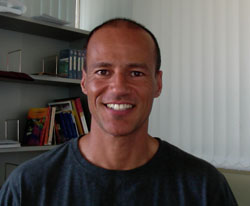
Dr Matiu Rātima (Te Whakatōhea and Ngāti Pukeko)
Congratulations to Dr Matiu Rātima, one of our Māori-language kaiako, who has recently been awarded a Ngā Pae Fulbright visiting scholarship to undertake research at the Mānoa campus of the University of Hawai`i, in Oahu. Matiu will be away from 10 August 2015 to 10 January 2016 during his Research and Study Leave.
While in Hawai’i where he’ll be working with Dr Keao Nesmith of the Kawaihuelani Center for Hawaiian Language on their research project titled, “Communicative Language Teaching for Indigenous Language Revitalisation”.
Globally there are few indigenous languages that are not under threat of decline or extinction. It has been estimated that of the world’s 6,912 known languages, 95% of these are spoken by less than 6% of the population. Experts forecast that less than 10 percent of the world’s living oral languages (in the year 1992) will still be spoken by 2092. Urgent action, underpinned by good research, is vital to stop this decline.
Matiu’s research will examine four key questions.
1. How are indigenous languages being taught within universities?
2. What pedagogies are being applied?
3. What constitutes ‘best practice’ in indigenous language teaching? And;
4. How can Communicative Language Teaching help to produce speakers of indigenous languages?
The research focuses on three case studies, the teaching in universities of the Māori, Hawaiian and Tahitian languages.
Fulbright New Zealand promotes “mutual understanding between the peoples of New Zealand and the United States of America by means of educational and cultural exchange”, and offers a range of grants for New Zealand academics and graduates to research in America.
More recognition for Dr Karyn Paringatai
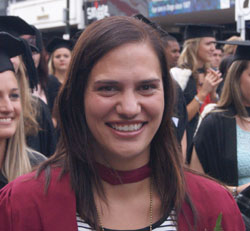
Dr Karyn Paringatai (Te Whānau-a-Hunaara, hapū of Ngāti Porou)
Te Tumu academic, Dr Karyn Paringatai, now has a role helping support Māori postgraduates across the university. Following on from the great work done by Anaru Eketone (of Sociology, Gender & Social Work), Karyn has been appointed as Māori Postgraduate Student Advisor, a part-time position at the University’s Graduate Research School. In many ways, this will be an extension of the work that Karyn has already been doing with Te Tumu postgraduates. Click here for the Otago Bulletin Board story.
Karyn’s role is supported by funding from Ngā Pae o te Māramatanga. She has just come back from leading a group of Otago postgraduates to Ngā Pae’s Māori and Indigenous Doctoral Conference held at Maketū Marae at Kāwhia where, I understand, everyone was blown away by our students’ presentations.
