Upcoming Te Tumu Seminar
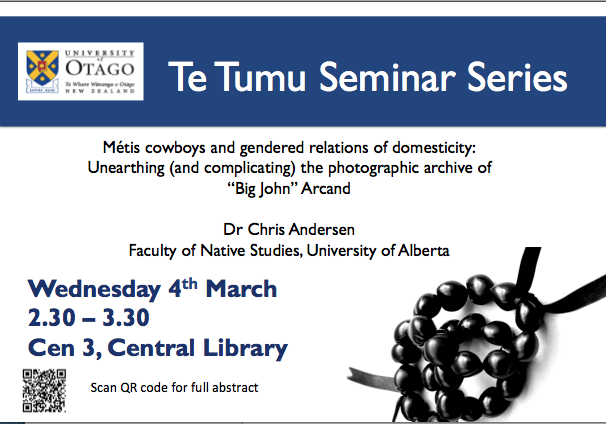
By Professor Chris Andersen (Faculty of Native Studies, University of Alberta).
Click to enlarge
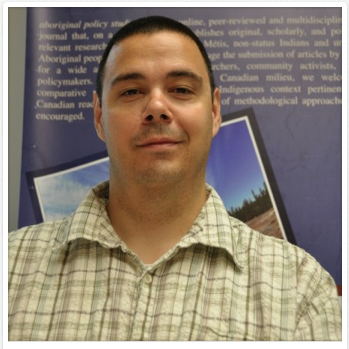
Chris Andersen, University of Alberta.
This seminar will be followed by tea and coffee on Level 1, Te Tumu.
Waitangi Day Lecture
Te Tumu staff member, Lachy Paterson, will be giving a talk at the Dunedin Public Library on Waitangi Day. Click here for details.
Te Tumu postgrads graduating this week
Te Tumu would like to congratulate four of our postgraduate students graduating this week. Their research topics showcase the wide range of postgraduate research being undertaken in Te Tumu.
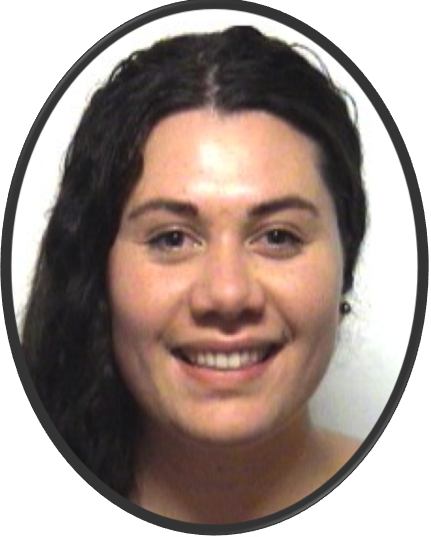 Clara Pau (Samoan) completed a MA in Indigenous Development. Professor Paul Tapsell was her supervisor.
Abstract: As digital media pervades the institutions and infrastructures of contemporary society with new inventions, new applications and new devices, so too does it pervade daily lived experiences. The social networking site Facebook.com is one such application which is highly integrated into the daily habits of individuals worldwide. The daily lived experiences of an individual contribute, according to the theorists in support of constructivism, to an individual’s ethnic identity. It has also been suggested that the reverse is true: ethnic identity also contributes to daily life. Despite the ubiquity of Facebook and the extensive writings on ethnic identity, there has been a limited contribution by scholars on how ethnic identity is manifested in and informs Facebook use. This thesis examines the daily Facebook use of seven Samoan individuals located in New Zealand. The thesis argues that key elements of their ethnic identities are manifested in and expressed through their use of the streamlined photograph, timeline post and friending Facebook functions. The thesis explains these three themes in terms of three N’s: Nationalism, Natives (and Immigrants) and Nostalgia.
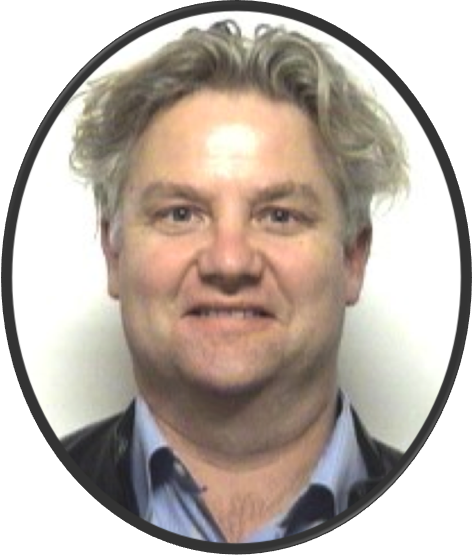 Quentin Roake‘s (Pākehā) research for his MIndS (Master of Indigenous Studies) looked at “The Stabilising Influence of Tauihu and Taurapa and the translation of Māori Waka into modern forms”, with Professor Karen Nero as supervisor.
Abstract: This multi-faced archival, interview and actions research project sought to understand the practical function of tauihu and taurapa in moderating canoe motion, and their relevance to new generation waka. Knowledge of the dynamic stabilising role of the prow and stern carvings of Māori waka has dropped out of conscious use but still sits within the built and oral tradition. This study forms a key part of Nga Waka Tangata kaupapa, a project developing contemporary forms of Māori waka in collaboration with Hoturoa Barclay-Kerr. Our approach has focused on maintaining the lineage of tikanga and of mātauranga within the construction of a new form of waka which is intended to be used as the vehicle for a range of social, cultural and economic initiatives. The research method took the form of a cyclical dialogue that explored understanding from the oral tradition through korero with waka tohunga, in conjunction with analysis of historic hulls, images (moving and still) and text. Findings were fed back into the on-going discussion. The first iteration of a contemporary waka was developed concurrently, built and tested with findings also contributing to on-going dialogue. This process culminated in a second generation design that embodies the research findings. Theoretical perspectives of Friere, Lash and Bhamba informed our approaches to the research. These results have made a significant contribution to the overarching kaupapa to reinitialise the fullest expression possible of traditional knowledge within contemporary waka culture. In the wider context it has aided in revaluing the significance of intellectual discovery through action, revaluing the significance of oral history, and promoting recognition of the opportunity that the breadth of this project presents to recreate the social and economic capital of Aotearoa New Zealand.
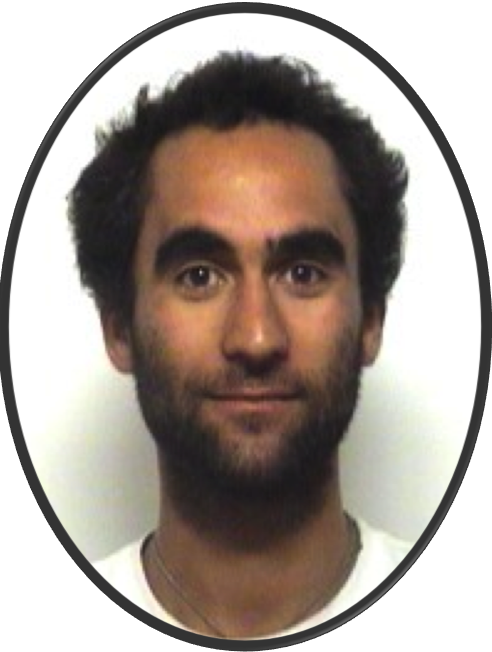 George (Hōri) Barsdell (Ngāti Awa, Ngaiterangi; Te Whānau-a-Apanui; Ngāti Rangitihi (Te Arawa)) is graduating with Honours in Māori Studies. His project, with Dr Jim Williams as supervisor, investigated ‘The Significance of Old Pā Sites for Modern Day Māori’.
Abstract: This dissertation proposes to highlight the significance pā sites have for modern day Māori, with reflection on the history of pā. Although these pā sites have been abandoned and many ruined or forgotten with the changing face of the land, they still hold importance for contemporary Māori. What this dissertation aims to achieve is show the status of pā sites today, examine the historical explanations for this status, and bring forth the importance they have for Māori in the 21st Century.
 Tāwini White (Ngāi Tahu / Kai Tahu, Te Rarawa) also completed an Honours in Māori Studies. Her topic, supervised by Associate Professor Poia Rewi, is entitled ‘He Manawa Reo, He Manawa Rarawa’.
Abstract: This dissertation aims to delve into whether Te Rarawa Māori Language speakers place value on the Te Rarawa dialect. I specifically wish to review and compare Te Rarawa views on the value of dialect and determine the value the dialect has in Māori language maintenance and acquisition. A comparison will be made between native Māori language speakers and second Māori language speakers to establish whether the value of dialect actually differs across these cohorts, and if so, what might these be? The main themes of the questions include the following:
* Do native Māori language speakers and second language learners value regional dialect?
* How is Te Rarawa dialect maintained and taught, and acquired?
* Is the Māori language becoming homogenised and in doing so are Māori losing iwi and hapū identity?
Te Tumu academic wins Ngā Pae Fulbright visiting scholarship
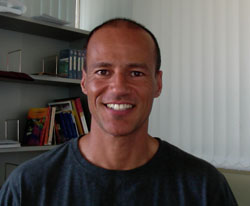
Dr Matiu Rātima (Te Whakatōhea and Ngāti Pukeko)
Congratulations to Dr Matiu Rātima, one of our Māori-language kaiako, who has recently been awarded a Ngā Pae Fulbright visiting scholarship to undertake research at the Mānoa campus of the University of Hawai`i, in Oahu. Matiu will be away from 10 August 2015 to 10 January 2016 during his Research and Study Leave.
While in Hawai’i where he’ll be working with Dr Keao Nesmith of the Kawaihuelani Center for Hawaiian Language on their research project titled, “Communicative Language Teaching for Indigenous Language Revitalisation”.
Globally there are few indigenous languages that are not under threat of decline or extinction. It has been estimated that of the world’s 6,912 known languages, 95% of these are spoken by less than 6% of the population. Experts forecast that less than 10 percent of the world’s living oral languages (in the year 1992) will still be spoken by 2092. Urgent action, underpinned by good research, is vital to stop this decline.
Matiu’s research will examine four key questions.
1. How are indigenous languages being taught within universities?
2. What pedagogies are being applied?
3. What constitutes ‘best practice’ in indigenous language teaching? And;
4. How can Communicative Language Teaching help to produce speakers of indigenous languages?
The research focuses on three case studies, the teaching in universities of the Māori, Hawaiian and Tahitian languages.
Fulbright New Zealand promotes “mutual understanding between the peoples of New Zealand and the United States of America by means of educational and cultural exchange”, and offers a range of grants for New Zealand academics and graduates to research in America.
More recognition for Dr Karyn Paringatai
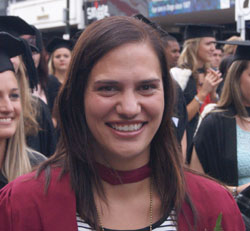
Dr Karyn Paringatai (Te Whānau-a-Hunaara, hapū of Ngāti Porou)
Te Tumu academic, Dr Karyn Paringatai, now has a role helping support Māori postgraduates across the university. Following on from the great work done by Anaru Eketone (of Sociology, Gender & Social Work), Karyn has been appointed as Māori Postgraduate Student Advisor, a part-time position at the University’s Graduate Research School. In many ways, this will be an extension of the work that Karyn has already been doing with Te Tumu postgraduates. Click here for the Otago Bulletin Board story.
Karyn’s role is supported by funding from Ngā Pae o te Māramatanga. She has just come back from leading a group of Otago postgraduates to Ngā Pae’s Māori and Indigenous Doctoral Conference held at Maketū Marae at Kāwhia where, I understand, everyone was blown away by our students’ presentations.
Te Kura Roa: Minority Language & Dialect Conference

click to enlarge
We are excited to announce the Te Kura Roa: Minority Language & Dialect Conference that will be hosted by Te Tumu: School of Maori, Pacific and Indigenous Studies at the University of Otago, Dunedin, 16-18 April 2015. Come along and listen to researchers and expert practitioners of minority and regional languages from around the world and Aotearoa/New Zealand, for what we hope will be an engaging and focussed forum. We see this conference as being of particular interest to minority language teachers and their students, researchers of linguistics and languages, policy makers, iwi/hapu language strategists and of course speakers of minority languages and dialects.
Te Tumu launches “Aki”.
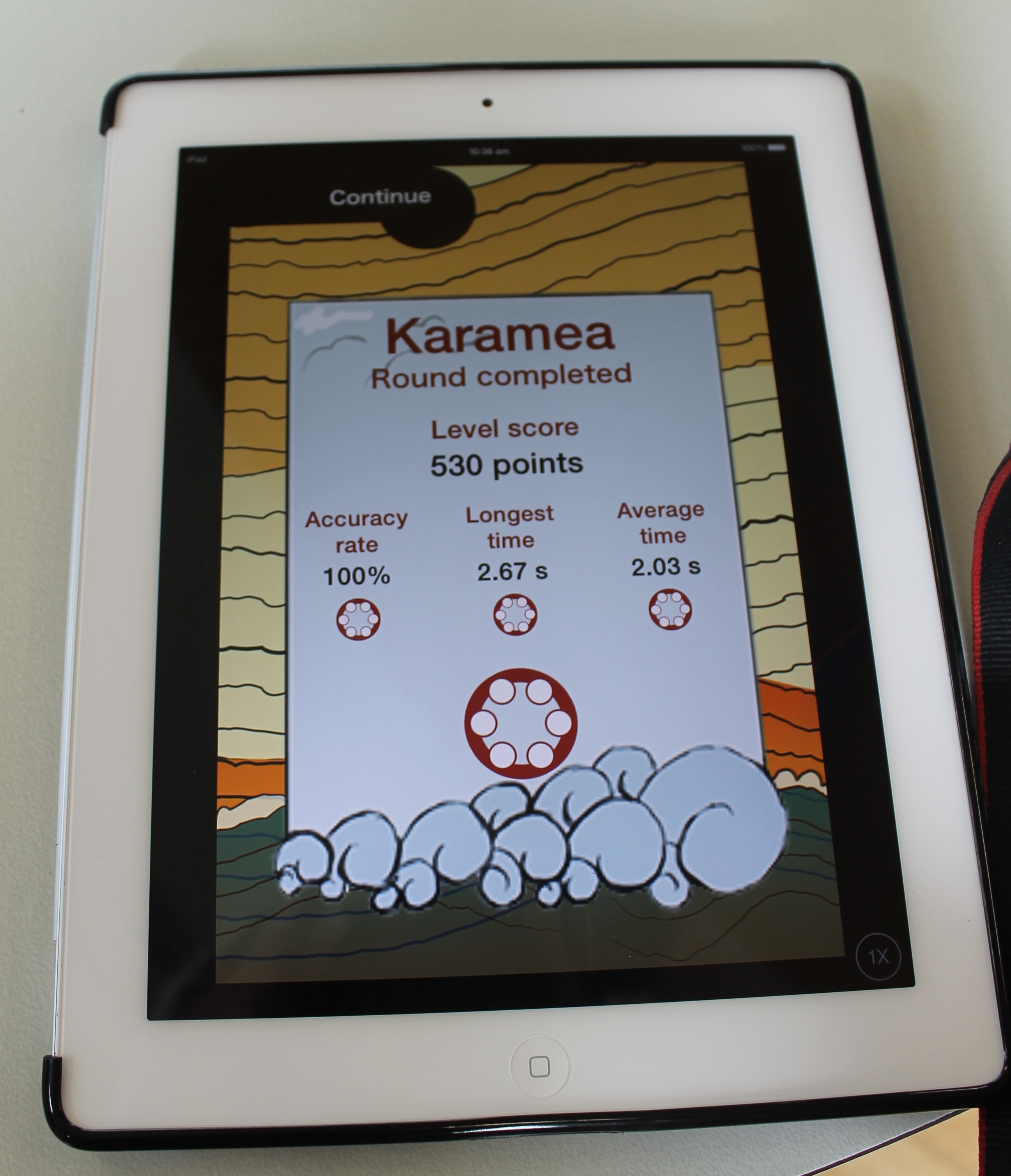
New I-Phone app to learn Māori vocabulary. click to enlarge
Te Tumu has launched “Aki”, a new I-Phone game for learning Māori-language vocabulary. The game can also be played on I-Pads.

Assoc Prof Poia Rewi and Dr Katharina Ruckstuhl
This project was headed by Associate Professor Poia Rewi of Te Tumu and Dr Katharina Ruckstuhl from Research and Enterprise. The game is informed by research by Te Tumu postgraduate students Nikita Hall and Kelly-Ann Tahitahi. Technical input from Design for Technology staff and students. Te Tumu students also assisted with the voices for the app. Learners will be able to increase their vocabulary (principally items and activities related to the home) while also competing with their friends. An Android version is currently being created.
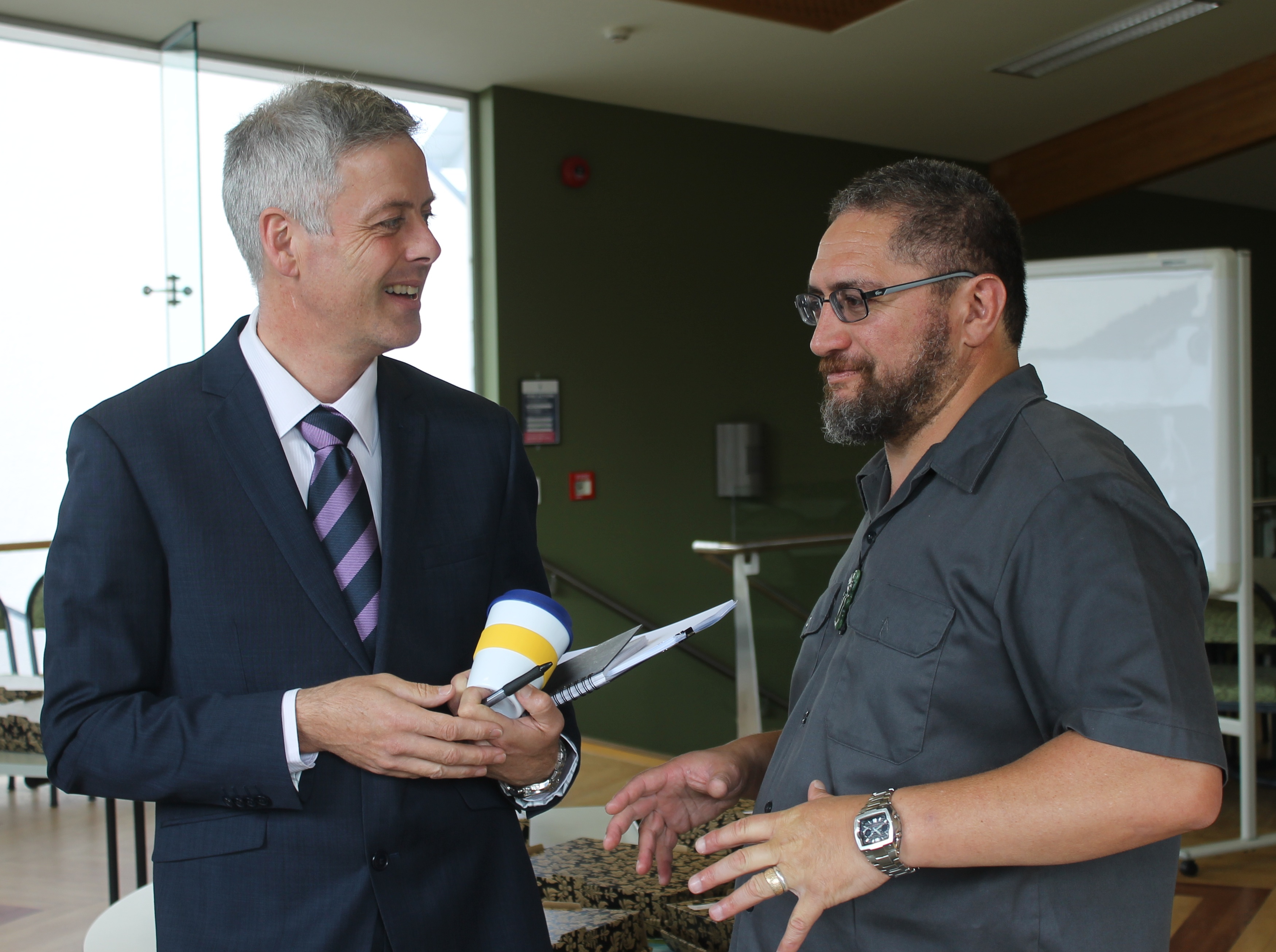
Prof. Richard Blaikie (DVC Research) and Assoc Prof Poia Rewi.
Kua whakamānutia e Te Tumu he kēmu Ī-Waea (ko “Aki te ingoa) hei ako i ngā kupu reo Māori. E pai ana hoki te pūmanawa tautono (app) mō te Ī-papa. Ko Associate Professor Poia Rewi (nō Te Tumu) rāua ko Dr Katharina Ruckstuhl (Research and Enterprise) ngā kaihautu. Nā ētahi ākonga paerunga, nā Nikita Hall rāua ko Kelly-Ann Tahitahi te rangahau mō te kēmu nei. I whakatutukitia te taha hanga kēmu e ngā kaiako me ngā ākonga o Te Toki a Rata (Design for Technology), ā, nō ētahi o ngā ākonga o Te Tumu ngā reo e rangona ana. Ka taea e ngā tāngata e ako ana i te reo te whakarahi tō rātou mōhio ki ngā kupu reo Māori (e pā ana ki ngā taputapu me ngā mahi o te kāinga), ā, ka whakataetae rātou ko ō rātou hoa. Kei te hangaia he tūmomo Android ināianei.
Story from the Otago Daily Times.
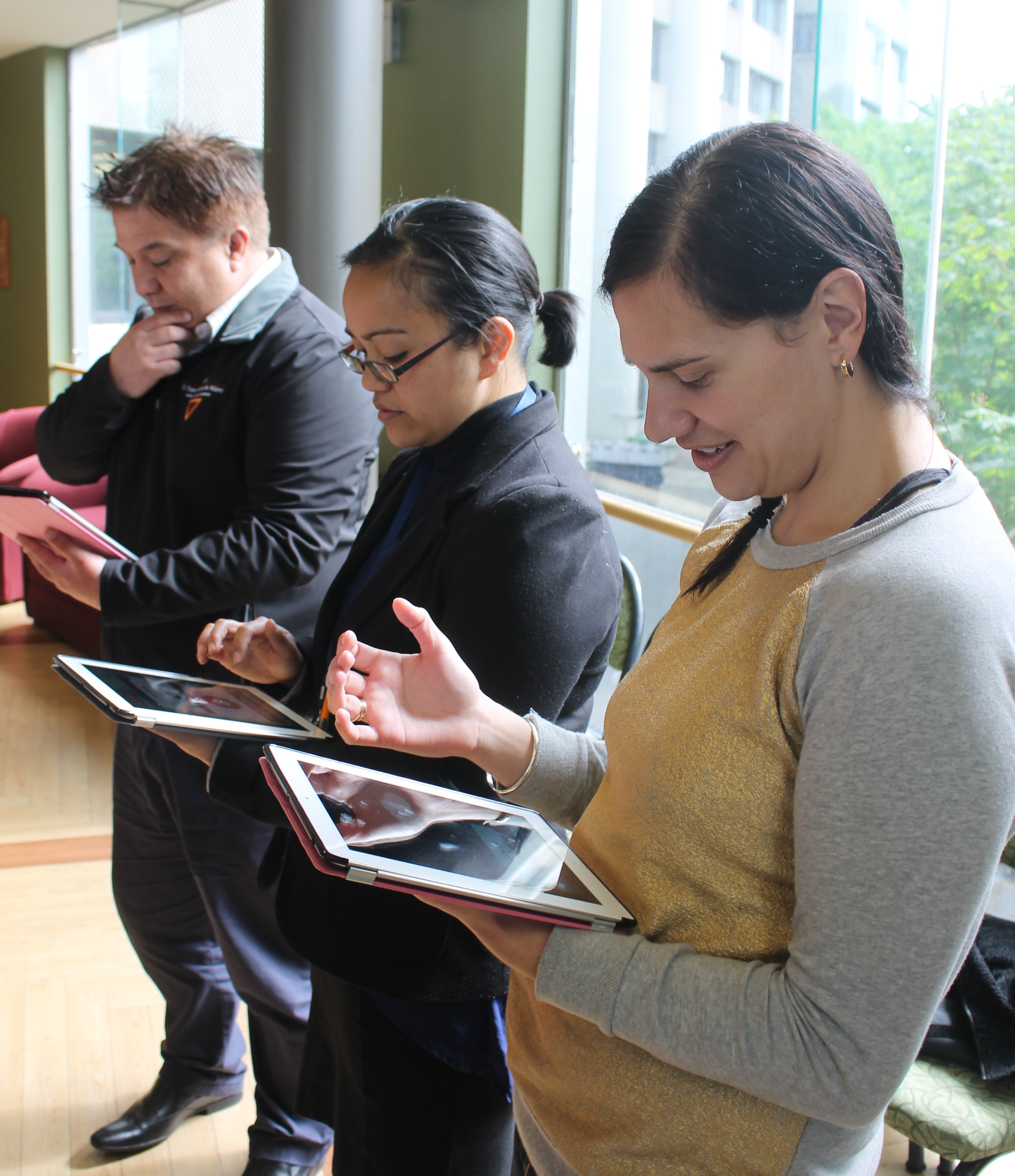
Gareth Seymour (nō Te Taura Whiri i te Reo Māori) rātou ko Migoto Eria (nō Te Whare Taoka o Ōtākou) ko Dr Karyn Paringatai (nō Te Tumu) e purei ana i te kēmu.
Public Lecture: “Scots and Indigenous Peoples in the Australian Colonies”
This might be of interest to some: Professor Ann Curthoys, a leading Australian historian who specialises in indigenous-settler interactions and relations, is giving a free public lecture entitled “Scots and Indigenous Peoples in the Australian Colonies” on Monday 24 November in Castle Lecture Theatre 1 at 3.30pm. Click here for full abstract and details.
Profiling: Jenny Bryant-Tokalau
It is an occassional feature of Te Tumu’s Research Blog that we profile members of our staff. This post features Associate Professor Jenny Bryant-Tokalau, who, amongst her many other activities, is currently Programme Coordinator for Pacific Islands Studies and Chair of the Postgraduate Committee in Te Tumu.
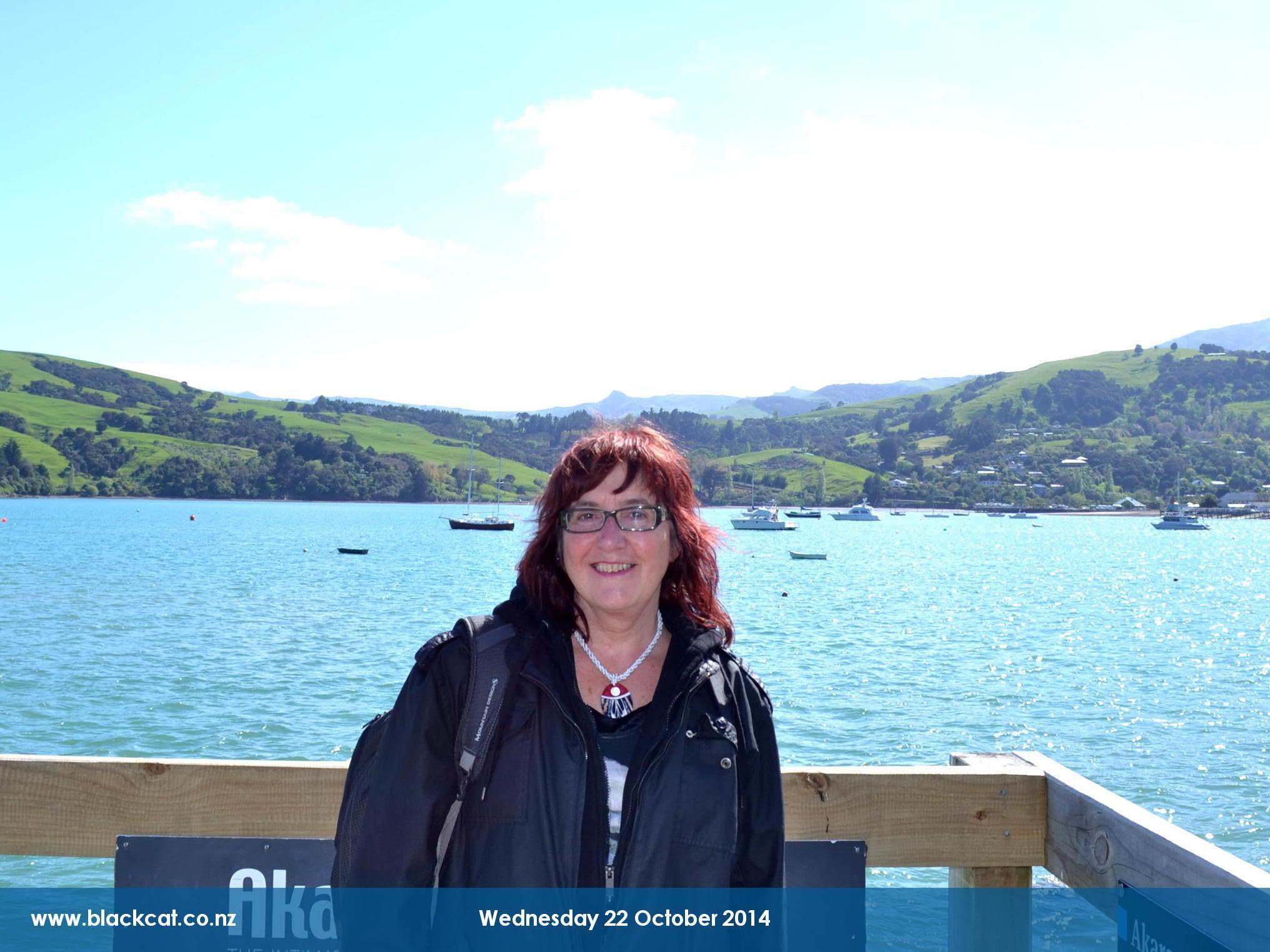
Associate Professor Jenny Bryant-Tokalau
Jenny Bryant-Tokalau (or Jenny Bryant as she was then known) was born in Dunedin and is descended from a mixture of British migrants who landed on the Otago coast between Moeraki and Surat Bay in the nineteenth century. Jenny’s mother grew up in North East Valley and was a secretary and later a teacher, and her Dad was a migrant rabbiter, saddler then electric linesman from Central Otago. Jenny is the eldest of three sisters and their Mum had hopes for them to be ‘like the Bronte sisters’. Fortunately this did not (quite) happen.
Jenny first visited the Pacific as a high school student when she was lucky enough to go on a school French trip to Noumea, New Caledonia. Later as an undergraduate Geography student, here at Otago, she went on a student exchange trip to Fiji for three months to carry out voluntary work at the National Archives in Suva. After a whole row of very old and decaying files about the island of Rotuma fell on top of her, Jenny decided to return the following year to gather material for her Post graduate dissertation. Three months of visiting Rotuman island families in the low cost housing settlements in Suva, the gold mine in Vatukoula and in the first Fiji capital of Levuka led to a successful dissertation outcome, and Jenny was on her way to a life of interesting research.
In 1975 Jenny was employed as an assistant lecturer in Geography at the University of Papua New Guinea. Her classes were large, and across the spectrum of environment, human geography and cartography. During her three years there Jenny travelled widely taking students on both biogeography and urban geography in the Highlands, visiting archaeological sites and carrying out her own MA research work on low-income housing and squatting in Port Moresby, Madang and Rabaul. Jenny also worked closely with the Lae City Council and the PNG Housing Authority. Although she loved PNG where life was very exciting and varied, a PhD and job beckoned at Monash University in Melbourne. There she tutored and lectured in Geography whilst working on her PhD on Aboriginal Housing with two years of assistance from the Australian Institute of Aboriginal Studies. Again, there was much fieldwork involved with long hours driving around Victoria from the northwest corner where the small town of Robinvale is located (where Jenny picked grapes and lived in a tent in the summer to fund her research), to the south west to the Framlingham Aboriginal Trust community, to Melbourne where she worked with the Aboriginal Housing, Health and Legal boards. Part-time consultancies with the Ministry of Housing and representations to the House of Representatives on Aboriginal housing filled in her spare time when not writing the PhD dissertation.
But the Pacific beckoned again. With the PhD almost completed Jenny took a job in Geography at the University of the South Pacific in Fiji where apart from teaching, consultancies, and running an environmental NGO she carried on with her research. At first, continuing from her by now major interest in housing for the poor, she became involved with assessing the size and conditions of squatter settlements across the country, and training students in such assessments. This lead to an involvement in growing poverty and inequalities, an appointment to the Fiji government’s committee on poverty, and then to more research on land and encroaching coastal environmental issues around the squatter settlements. All through the years at USP Jenny carried out work for various UN and regional agencies, especially the South Pacific Regional Environment Programme. Eventually she was kidnapped by UNDP and spent the next six years travelling around the Pacific and Asia working as a Sustainable Development Adviser and Head of Global Environment Facility programmes. In 2002 Jenny and family decided to return to NZ, to enable her husband Filipo to complete his PhD and for Jenny to take care of her mother. On Tino joined George St Normal School and Jenny worked firstly in Anthropology before joining Te Tumu. Her research continues in the Pacific, especially her other home of Fiji where she works largely around coastal urban land (the qoliqoli) and the urban poor, as well as on artificial islands as a response to climate change. Jenny has recently been appointed as an adjunct professor at USP where she maintains very close ties.
Click here to see Jenny’s research outputs, grants & distinctions, and supervisions on her official staff page.
Seminar: The Folk Linguistics of Māori Language Revitalisation
Nathan Albury, PhD student, will be giving a seminar in Te Tumu on 2.30-3.30pm, Tuesday 18 November in R3S10 (3rd floor, Te Tumu). Please note that this is a different day and venue to usual.
Nathan’s paper, The Folk Linguistics of Māori Language Revitalisation, “applies the folk linguistics of language policy in respect to language revitalisation as a policy project. It reports preliminary findings from research that sought to compare what young indigenous and non-indigenous youth in contemporary New Zealand claim to know about language revitalisation as a policy process, what attitudes and beliefs these youth have towards activities and themes aimed at revitalising the Māori language, and how their knowledge and beliefs manifest into folk linguistic performance when these youth are positioned as hypothetical language policy bosses of the New Zealand government.”
For the full abstract click here, or on the “Seminars” page on the left
