Engaging wānanga centres Māori and Pacific notions of peace: With Professor Georgina Tuari Stewart

By Leighton Williams
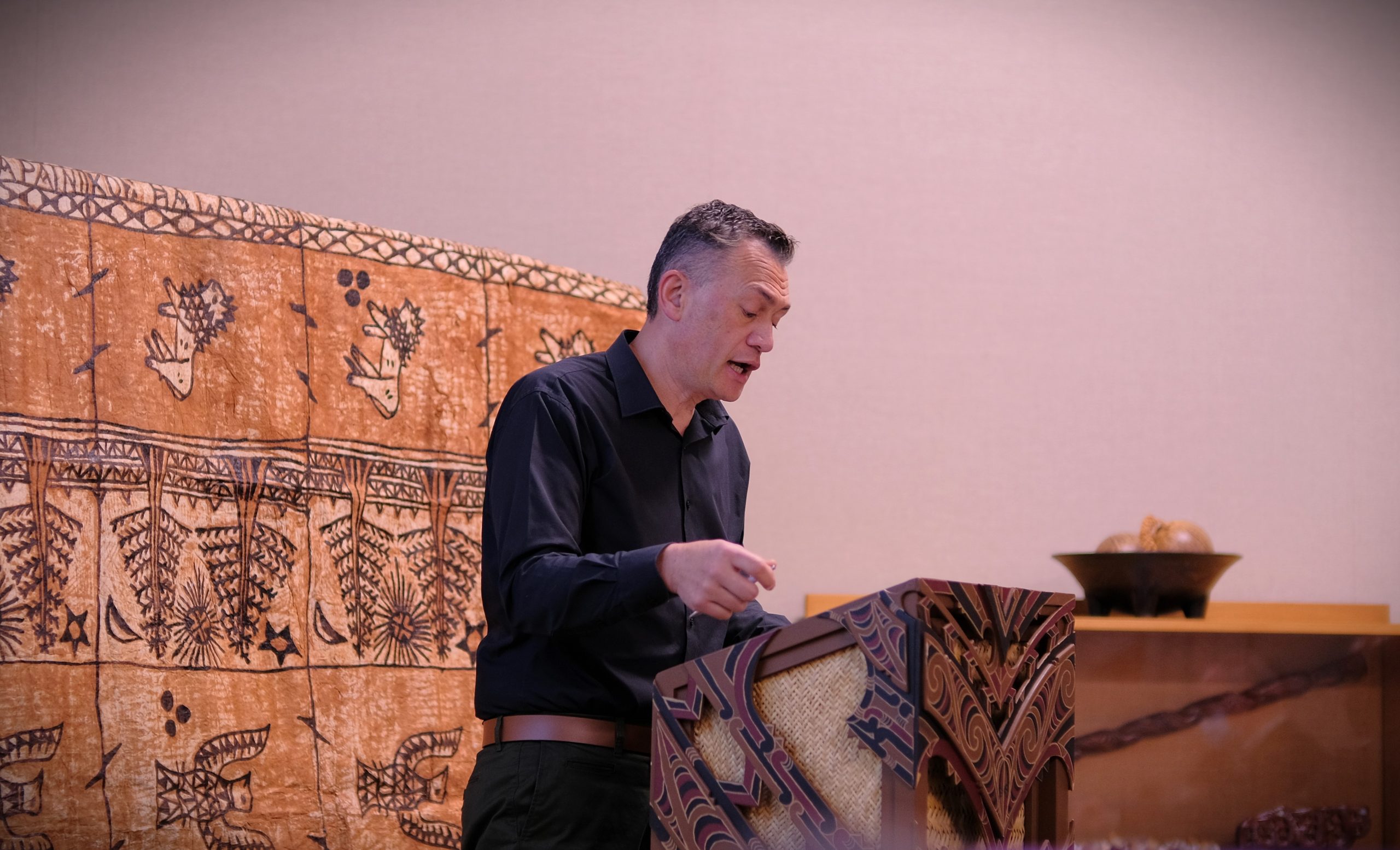
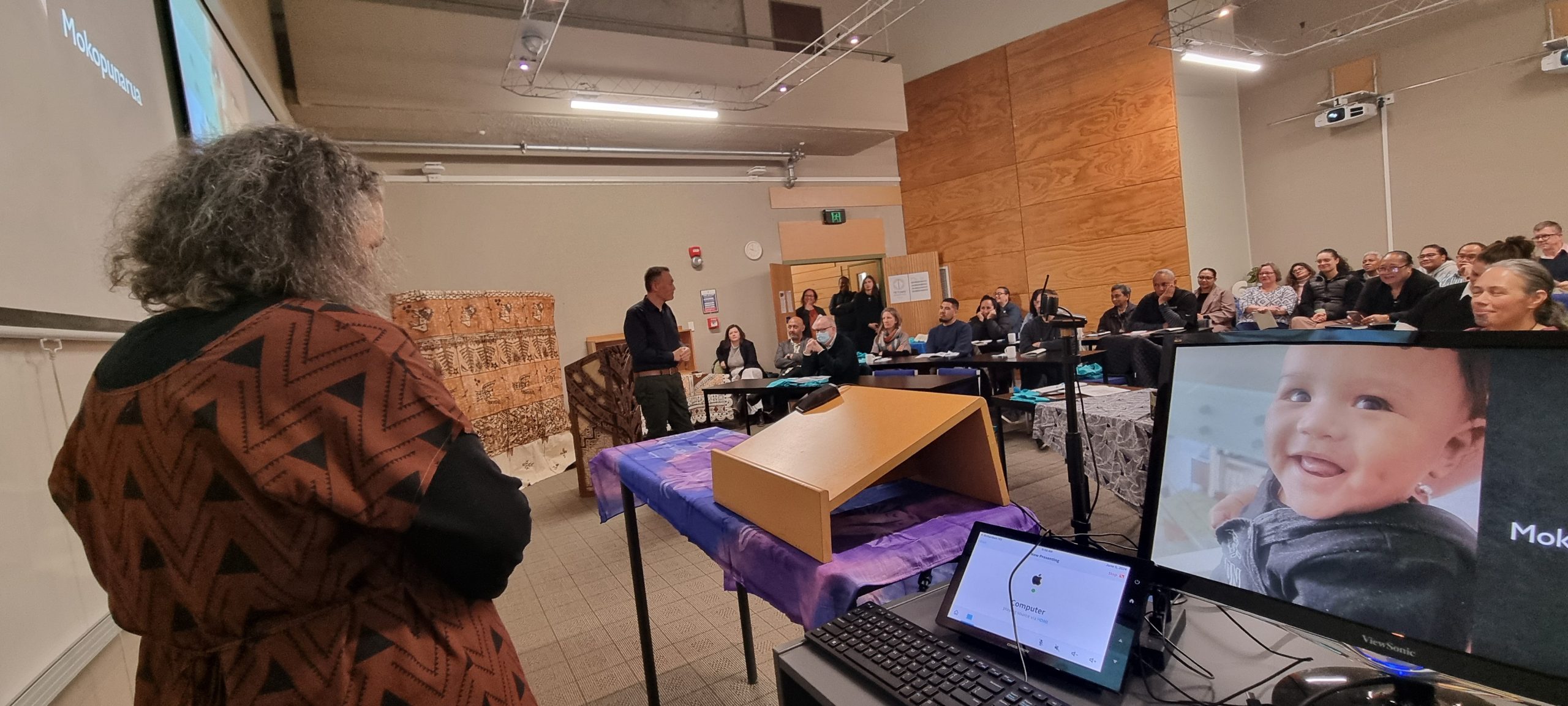
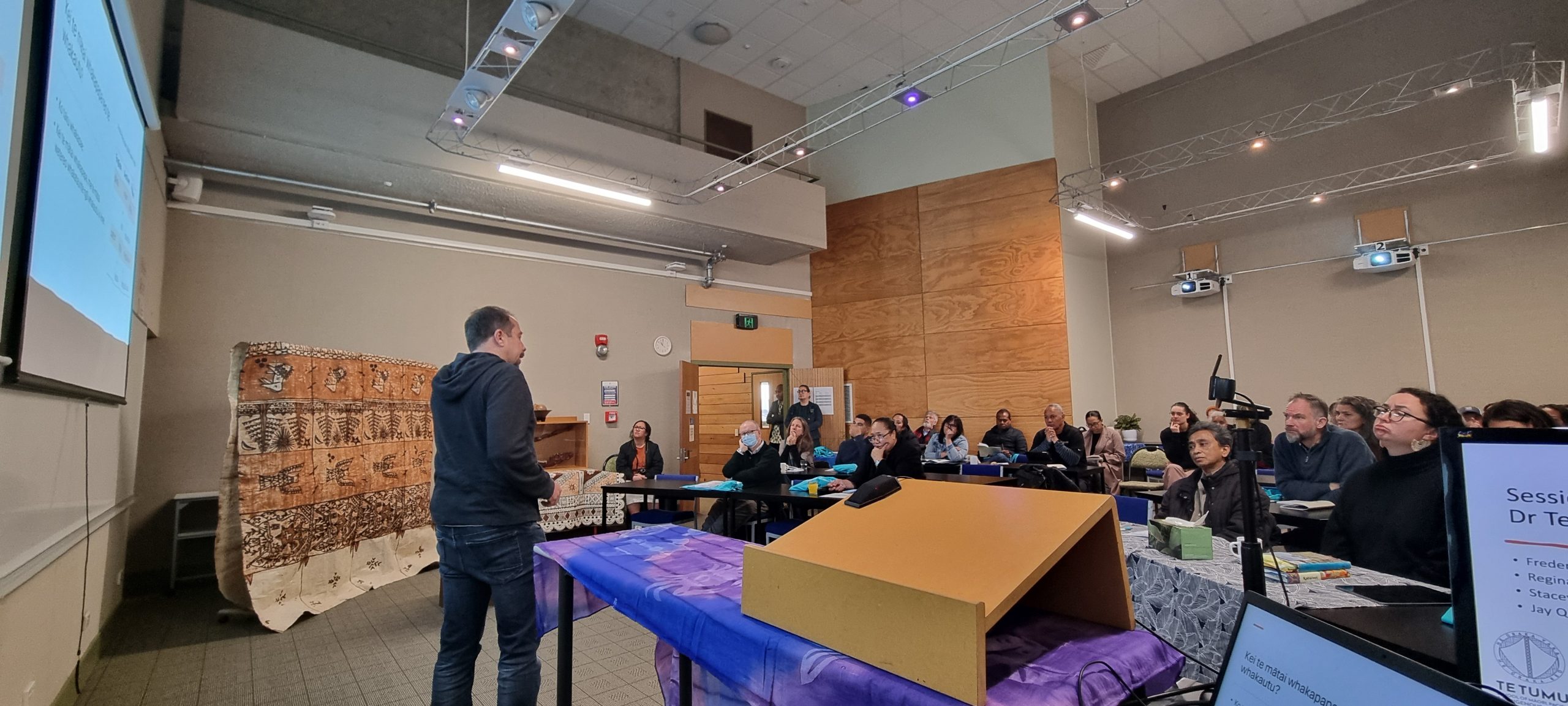
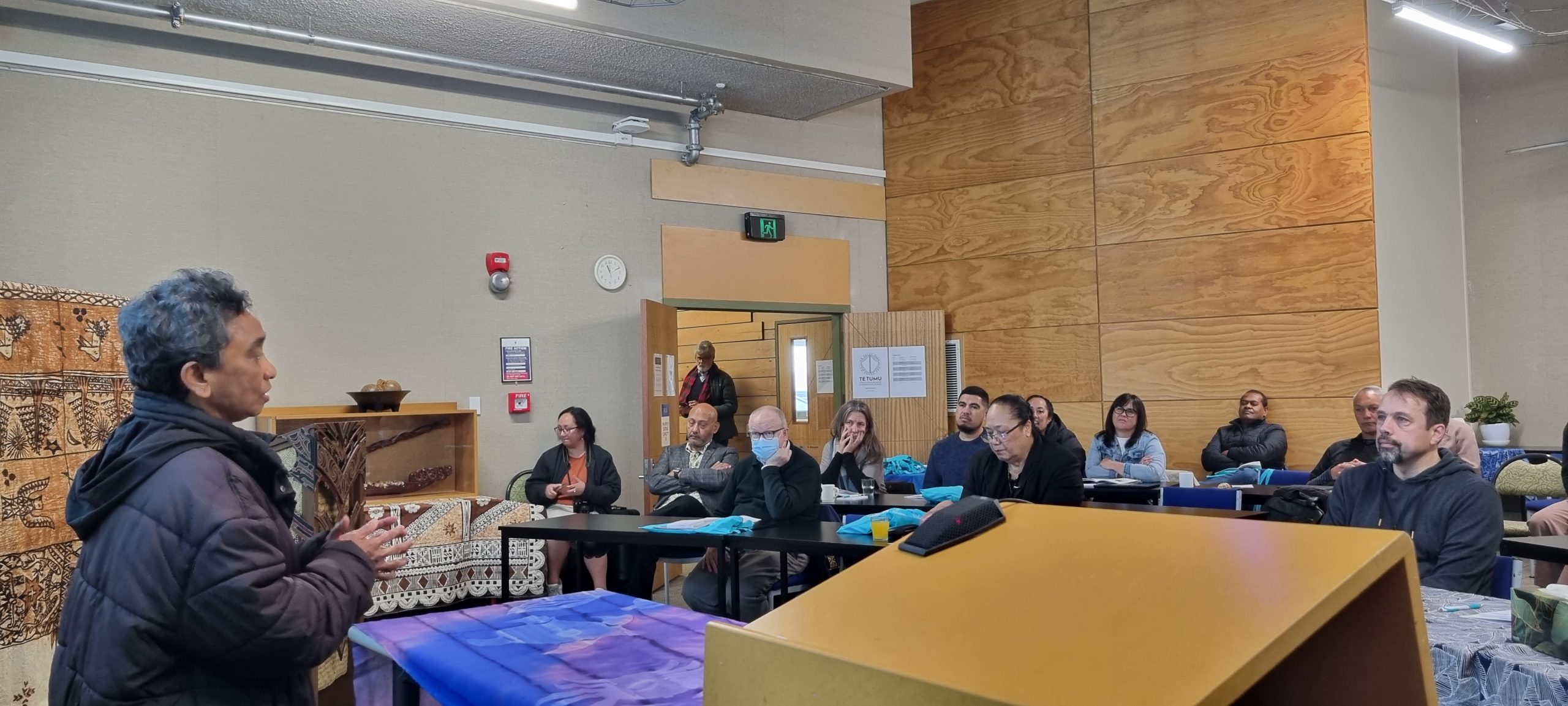
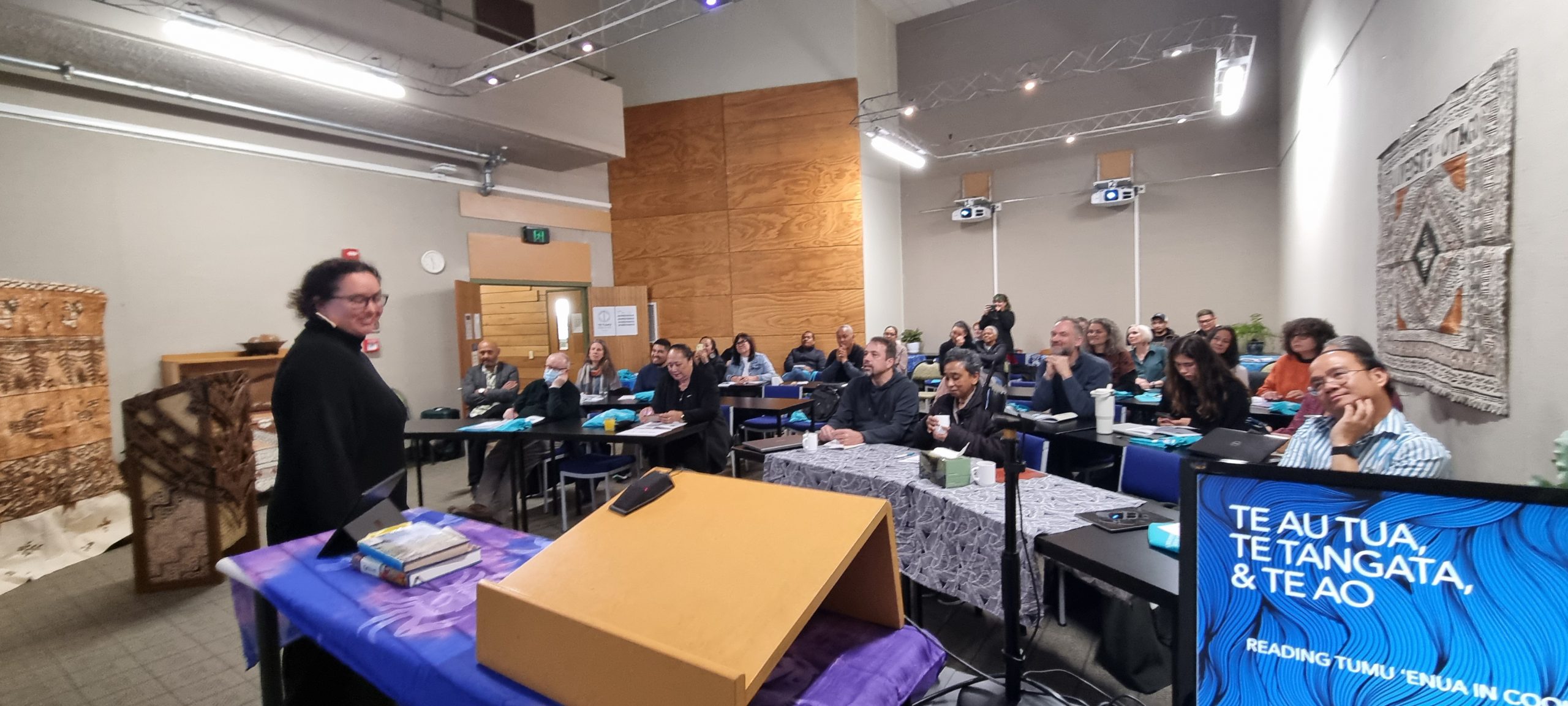
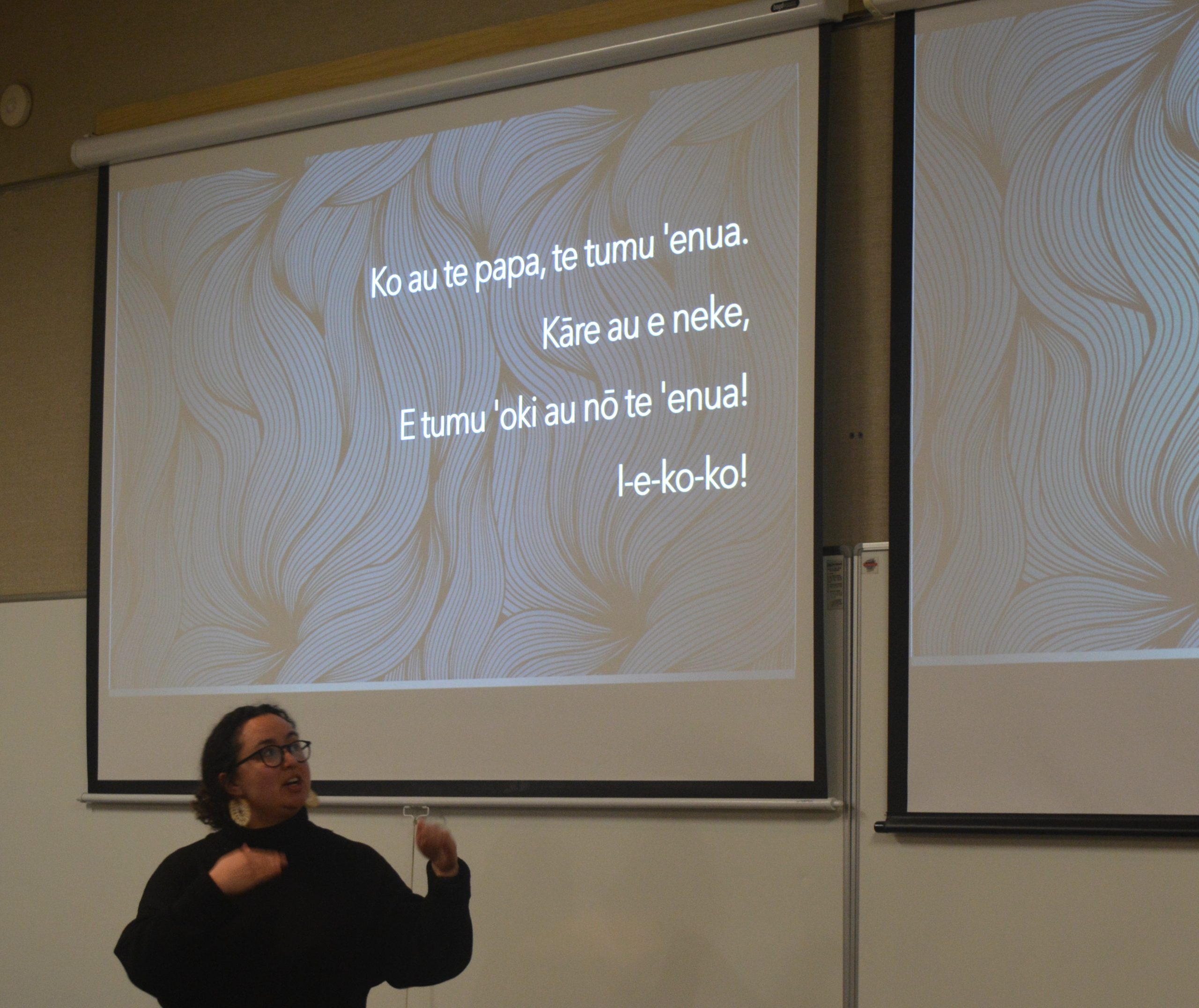
Earlier in May, Te Tumu hosted Professor Georgina Tuari Stewart (Ngāpuhi, Ngāti Maru ki Tainui) from AUT for a special wānanga on peace, organised by Associate Professor Liana MacDonald. The wānanga was well attended by Te Tumu staff, postgraduate students, and friends from across the university, all of whom came to share rich stories about how they related to peace in varying ways. Centring Māori and Pacific notions of peace, the session explored what these perspectives might reveal about the limits of how violence, conflict, and peace are currently imagined.
The session began with a storying of peace within our own worlds, facilitated by Georgina with input from Professor Patrick Vakaoti, focusing on how peace is imagined and realised in Māori and Pacific contexts. Drawing on the rich knowledge traditions that shape our work in Te Tumu, Georgina reflected on how Indigenous understandings of peace must constantly negotiate with colonialism, modernity, and institutional forces, including the university itself. This discussion generated considerable engagement as colleagues reflected on how peace features in their own scholarly work, and considered where Māori and Pacific worldviews may offer philosophical alternatives to mainstream discussions of peace, conflict, and violence.
Some discussed the presence of Indigenous peace-making traditions within their own whakapapa, giving voice to practices and methods that few encounter today. Others reflected on the ways Indigenous understandings of peace can collapse under imposed categories such as ‘Indigenous knowledge’ and ‘mātauranga Māori’. Together, these conversations offered rich perspectives and suggested a deeper commitment by Indigenous peoples to enduring principles and practices of peace-making.
While the wānanga was initially planned as a discussion of peace through Indigenous frameworks, the conversation soon drifted toward rethinking peace in alternative terms. Do we recognise peace in Indigenous worlds? Is peace temporary, or is it imagined as a continual process of restoring balance? When considering peace for Indigenous peoples, in both our lives and our work, are we centring peace or centring violence, and what difference does that make? The wānanga left us with many unresolved questions that we hope to continue working through together.
Most excitingly, the wānanga also presented a unique opportunity for colleagues and students not only to discuss what peace means within Māori, Pacific, and Indigenous worlds, but also to contribute to the development of a polyphonic article. The article will be submitted for the upcoming special issue of AlterNative and will be led by new Peace and Conflict Studies doctoral student, Mai Ly, curating everyone’s diverse reflections on the wānanga discussions.
We are humbled by Georgina’s generosity and look forward to sharing our time with her again!
Bringing researchers together for 2025 Symposium
Kua ea te Hui Taumata o Te Tumu 2025! Kātahi te rā mīharo ko tēnei! The second annual Te Tumu research symposium hui was held on Wednesday 2 July in Te Wānanga, in the newly refurbished Te Tumu building. […]
Contributions to a special issue on “The Invisibility of the Realm of New Zealand”
 Te Tumu academic staff members Dr. Emma Powell and Dr. Jess Pasisi were a part of a team of Pacific scholars who contributed to the latest special issue of Waka Kuaka. The issue delves into the “Realm of New Zealand,” exploring why it is often dismissed in both historical and contemporary narratives. This dismissal has led to a lack of awareness and limited understanding of what the Realm is and how it impacts Pacific communities connected to it. The team of authors highlight the tangible consequences of this oversight, particularly for communities from the Realm who now often have larger populations in Aotearoa than back in their home islands. This special edition aims to bring awareness, stimulate critical discussion, and advocate for a more inclusive understanding of the Realm’s place within the broader Aotearoa context.
Te Tumu scholar part of Kāhui Kairuruku the national Hautapu for Matariki
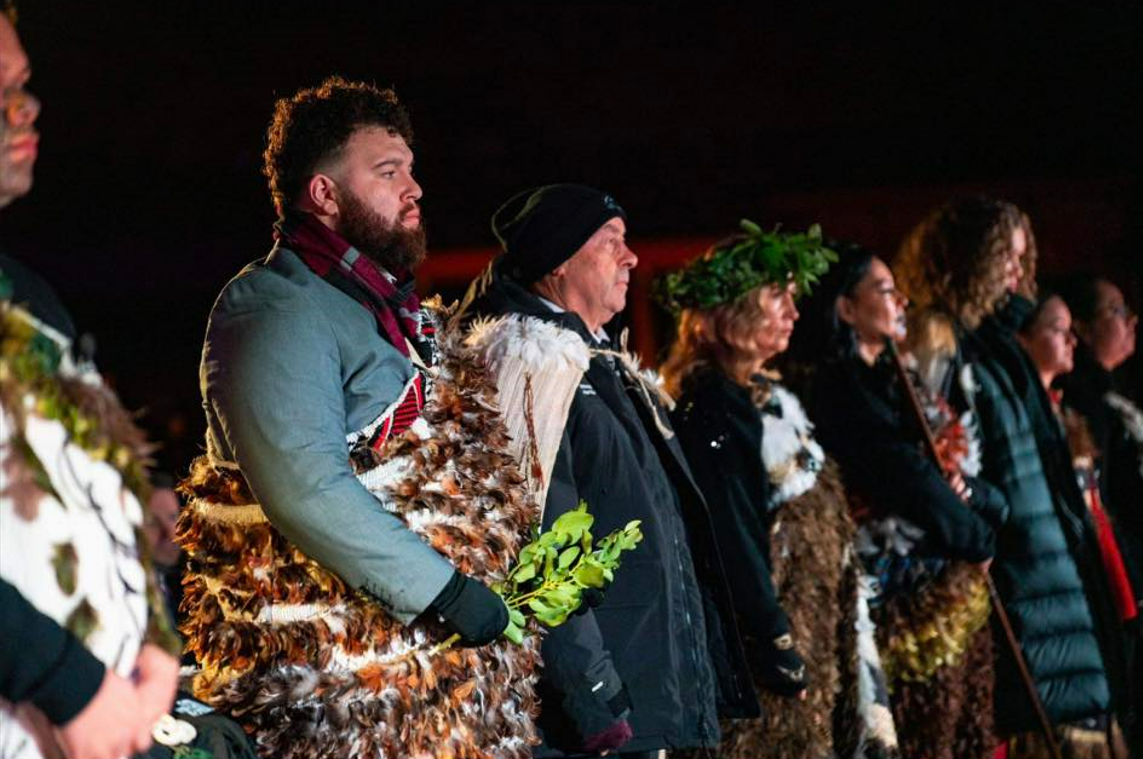
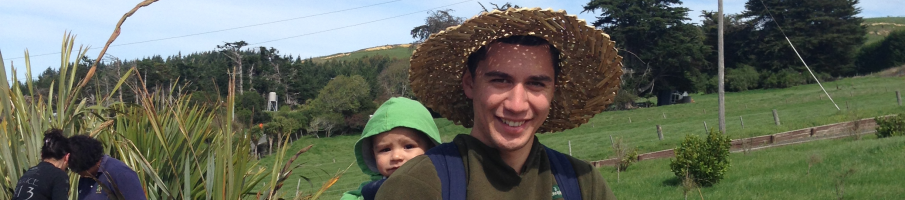
Ko Kare Tipa tōku ikoa, my ancestry comes from many hapū of Kāi Tahu iwi: (Kāti Ruahikihiki, Kāti Hāteatea,Kāi Te Aotaumarewa, Hinematua, Kāi Tuke, Kāti Huirapa, Kāti Rakiāmoa, Kāi Tuahuriri, Kāti Hinemihi, Kāti Wairaki, Kāti Urihia On Friday 28 June I was honoured to be part of the Kāhui Kairuruku, a collective of language and cultural practitioners that delivered 13 karakia as part of the national Hautapu ceremony held 2,008m above sea level, adjacent to the mighty ranges of Kā Tiritiri O Te Moana, on a pituresque mountain widely known as Treble Cone. Matariki allows us to reflect on whānau and experiences at a time when we welcome the new year. It is also a time to farewell the old, the past year gone.
It was appropriate to hold the hautapu ceremony in Wānaka. Māori history tells of Wānaka where early iwi, in particular ‘Waitaha’, assembled for learning of tribal lore. Wānaka is Kāi tahu alternative form of the word ‘wānanga’ referring to the ancient schools of learning. The area boasts of rocky alpines, tussock foliage and lakes dug out from the eponymous ancestor Rākaihautū. From the ski field on Treble Cone, one is able to feast eyes on the visible features of the land, the aesthetic appeal formed by the digging stick of Rākaihautū. Lakes dug out in Te Waipounamu are known as Kā Puna Karikari a Rākaihatū (the springs of water dug by Rākaihautū).
From ancestoral acts of the past to what is experienced today, Kāti Ruahikihiki descandants (the kairuruku for the hautapu) are made up primarily of young language assailants raised in the Kāi Tahu language revitalisation strategy: Kotahi Mano Kāika (KMK). KMK leads the charge to reinvigorate our language within Kāi Tahu homes and communities. It is a 25 year old strategy which aims to have at least 1000 Kāi Tahu kāika speaking te reo Māori by 2025.
As a practitioner, I have been both a beneficiary of and contributor to KMK. My children and grandson are part of the collective to revitalise and change the narrative with language normalisation here in Te Waipounamu. To be apart of the collective with our young adults is a tremendous highlight for me as a hākui in the strategy. The Hautapu ceremony is shared with a different iwi annually, this recent ceremony is historical for Kāi Tahu, it highlights the language strategy in action alive and vibrant, it sets a precedence of first language speakers who can conduct formal tikaka in te reo. I may not be here to stand with this collective when the Hautapu returns to Kāi Tahu iwi in the future, but I’m proud to have had this moment of standing with first language speakers adding to the histories of today.
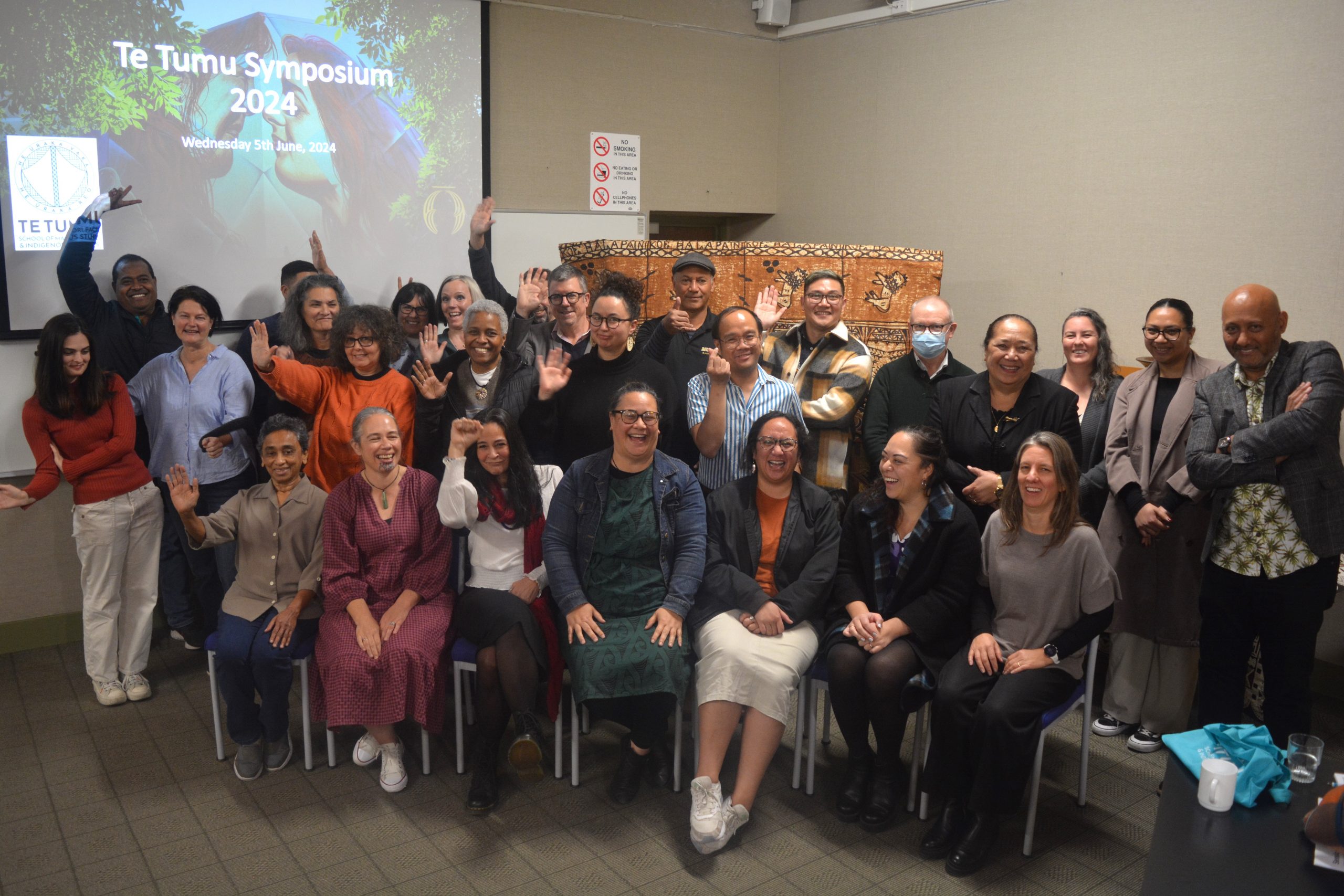
Inaugural Te Tumu Symposium a showcase of diverse research excellence
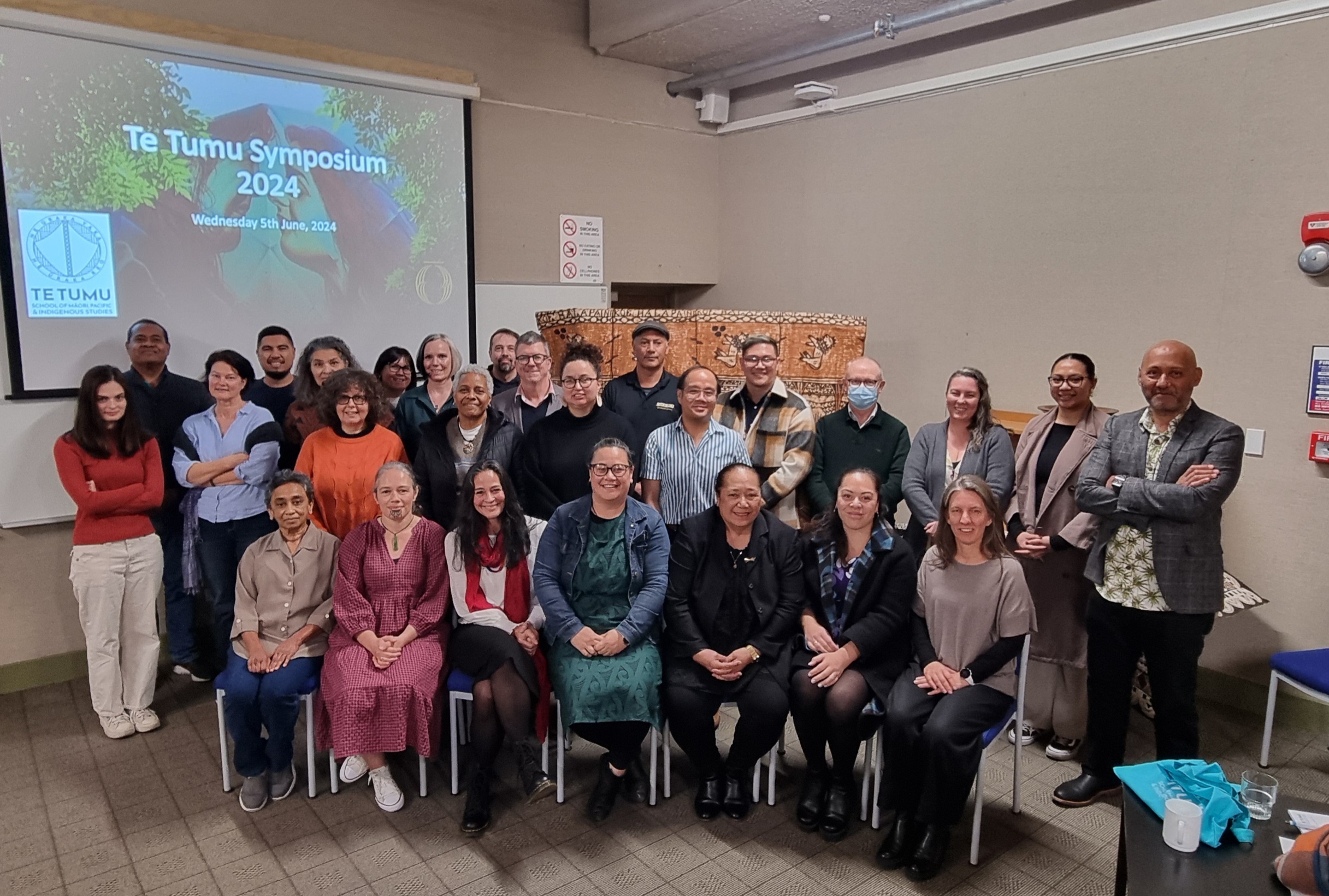
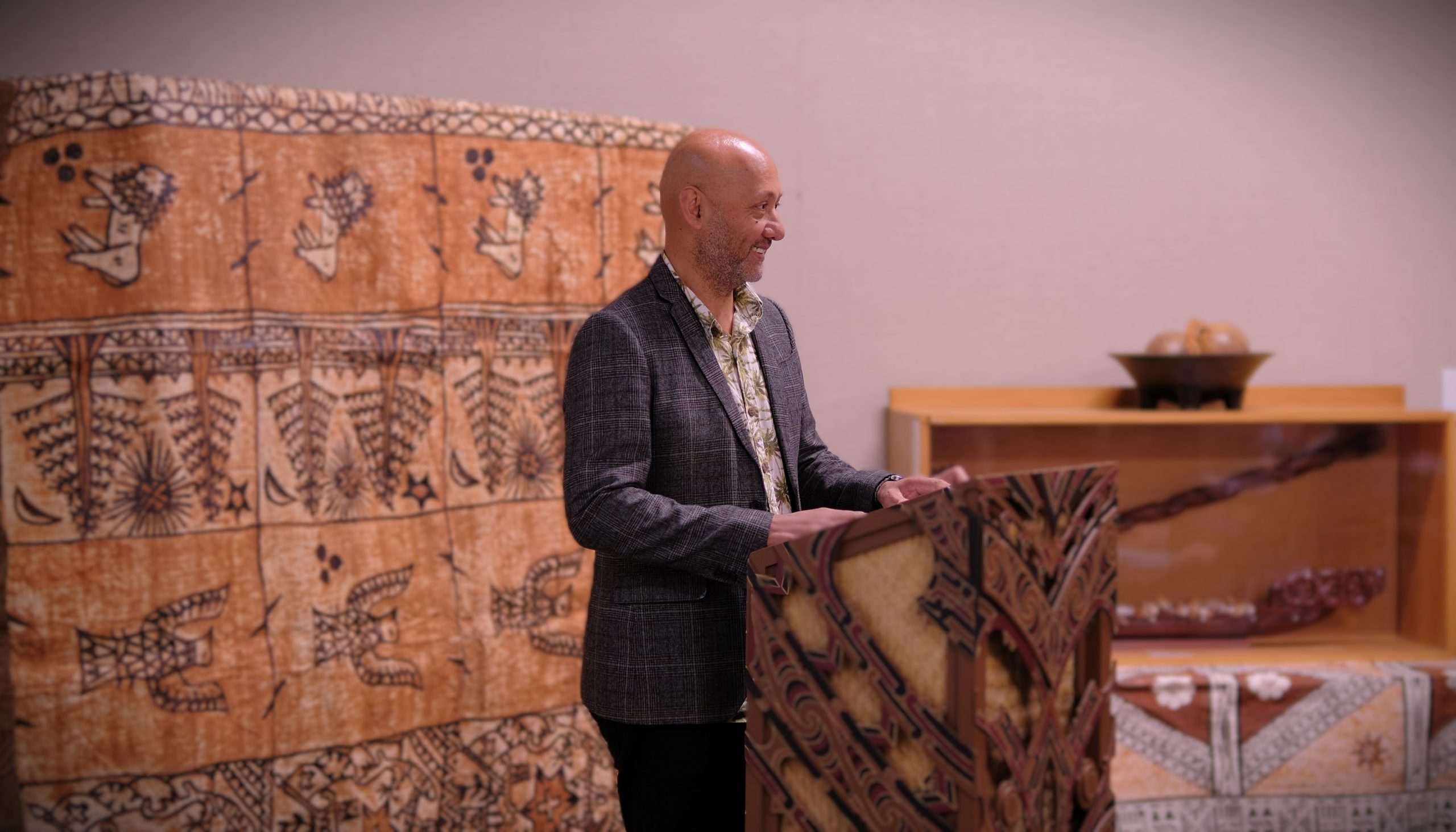
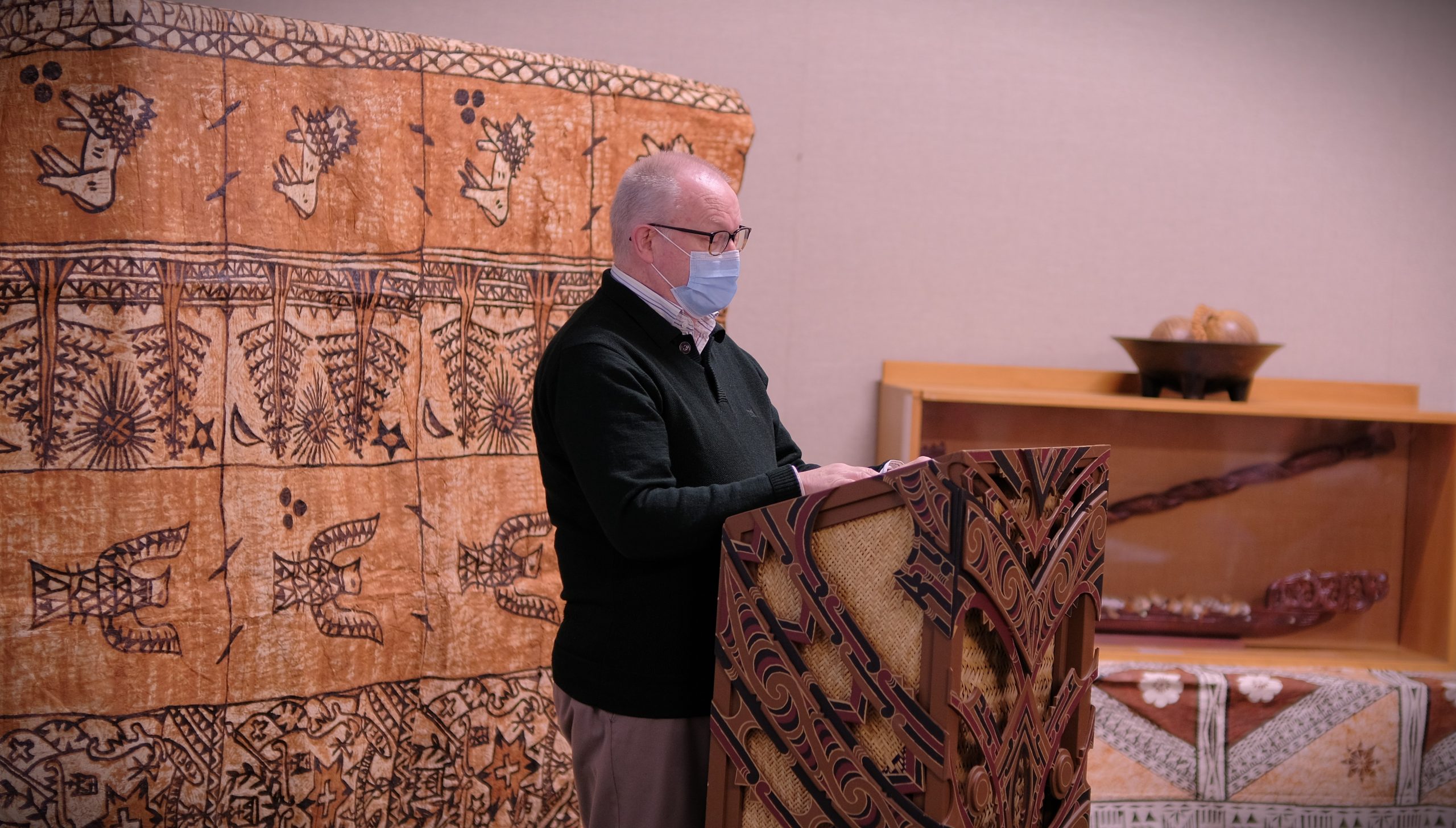
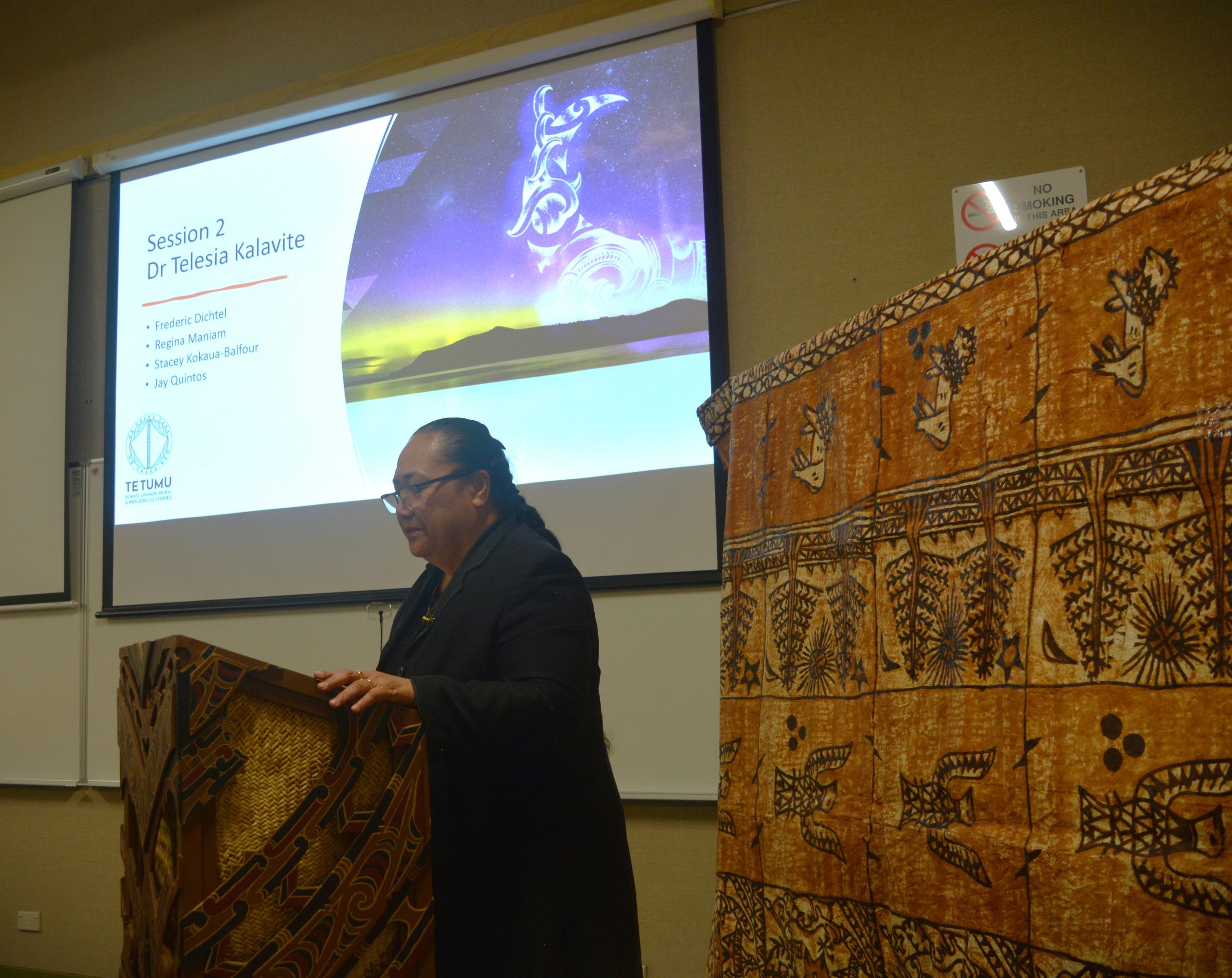
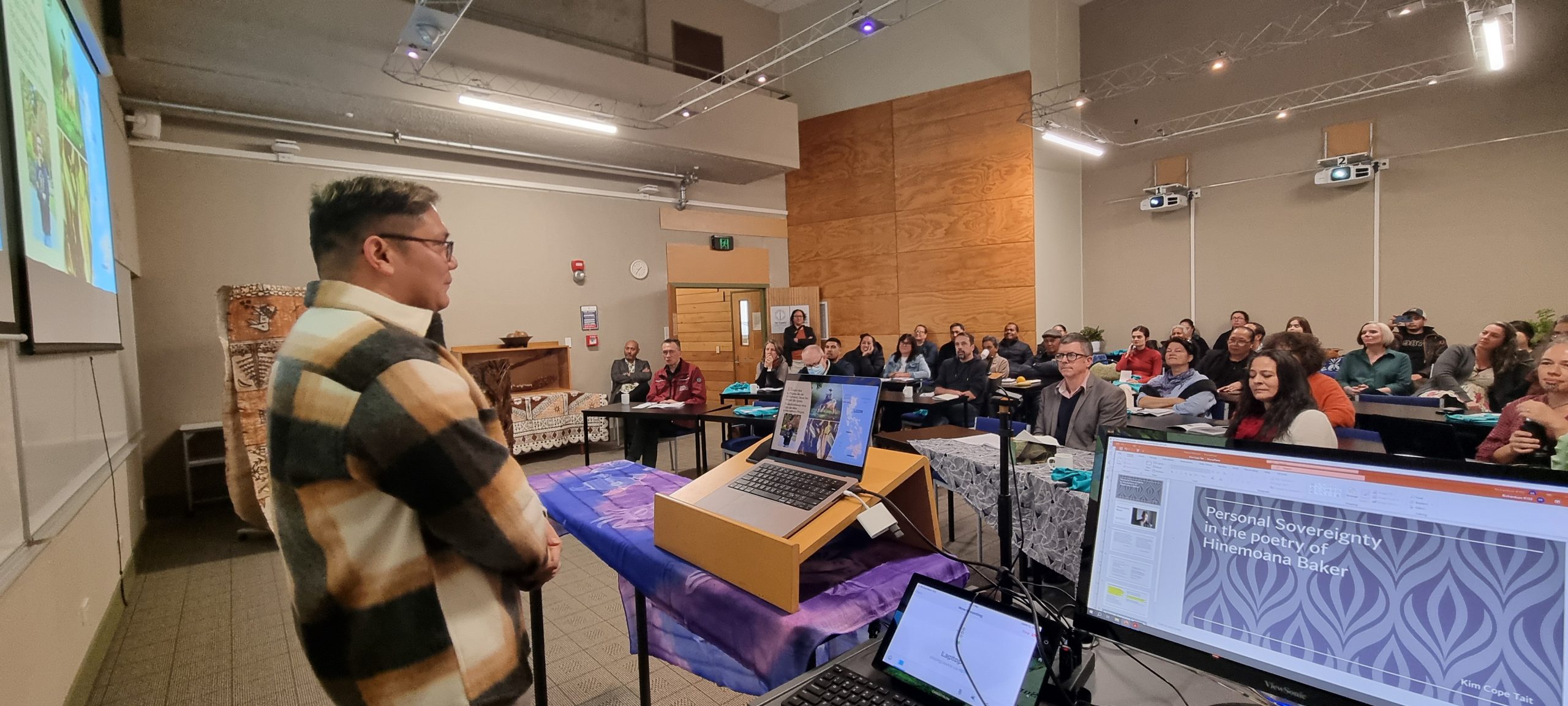
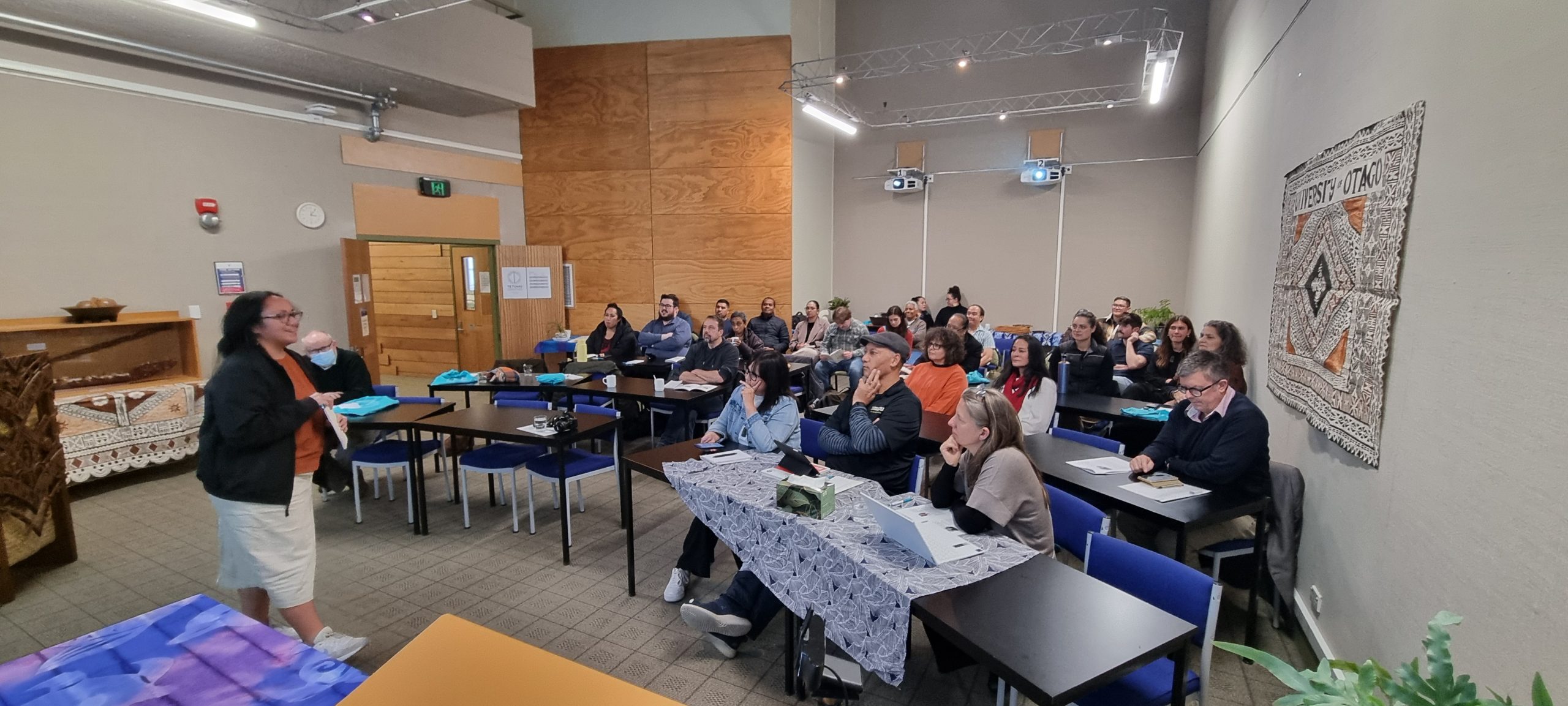
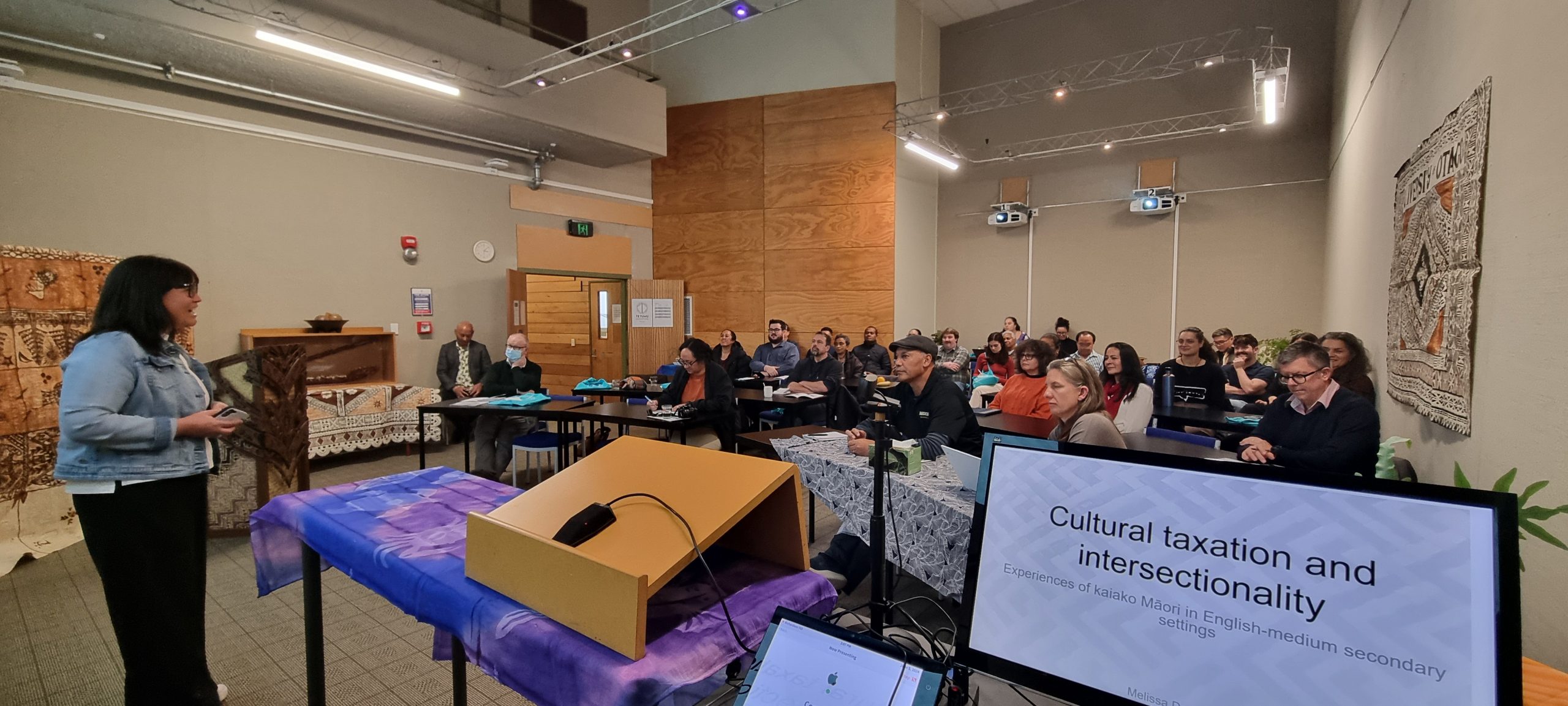
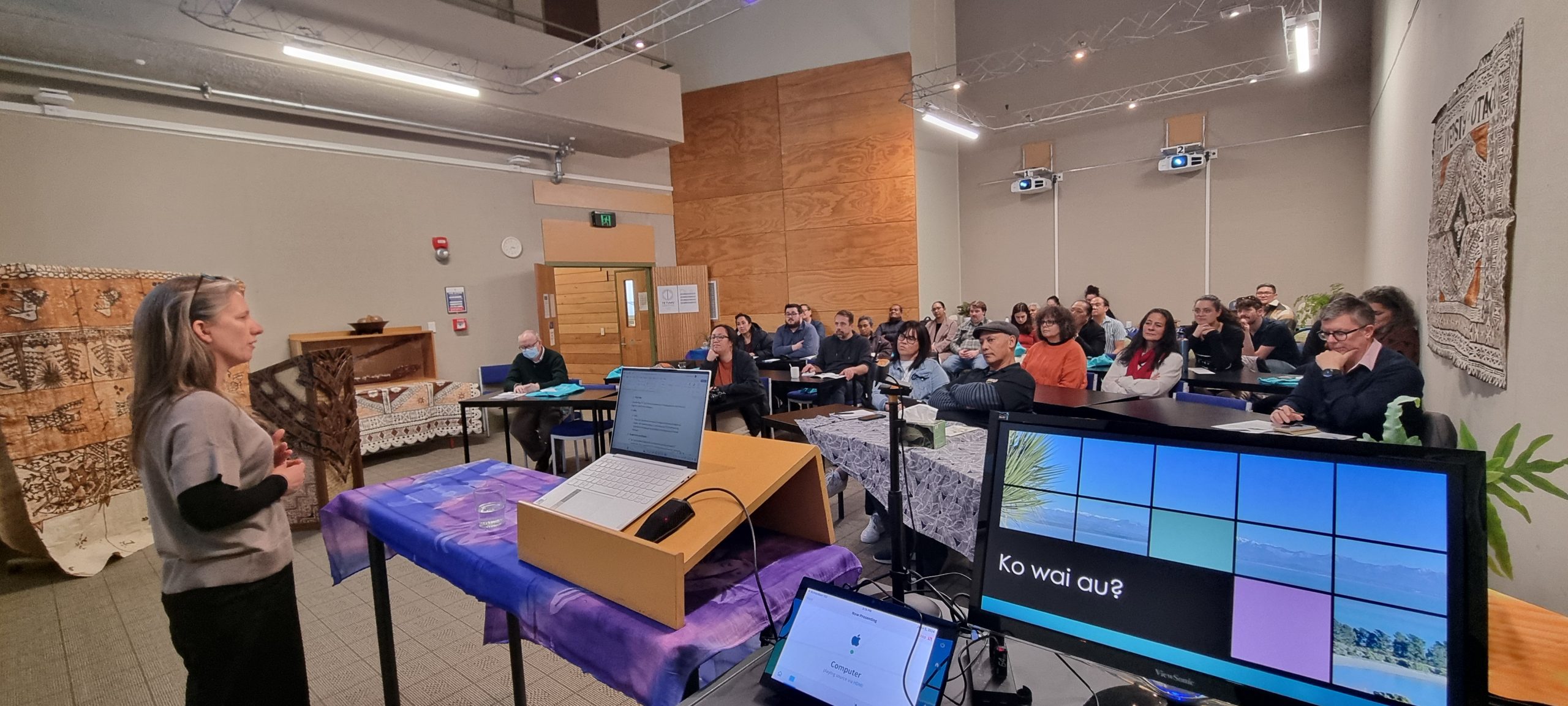
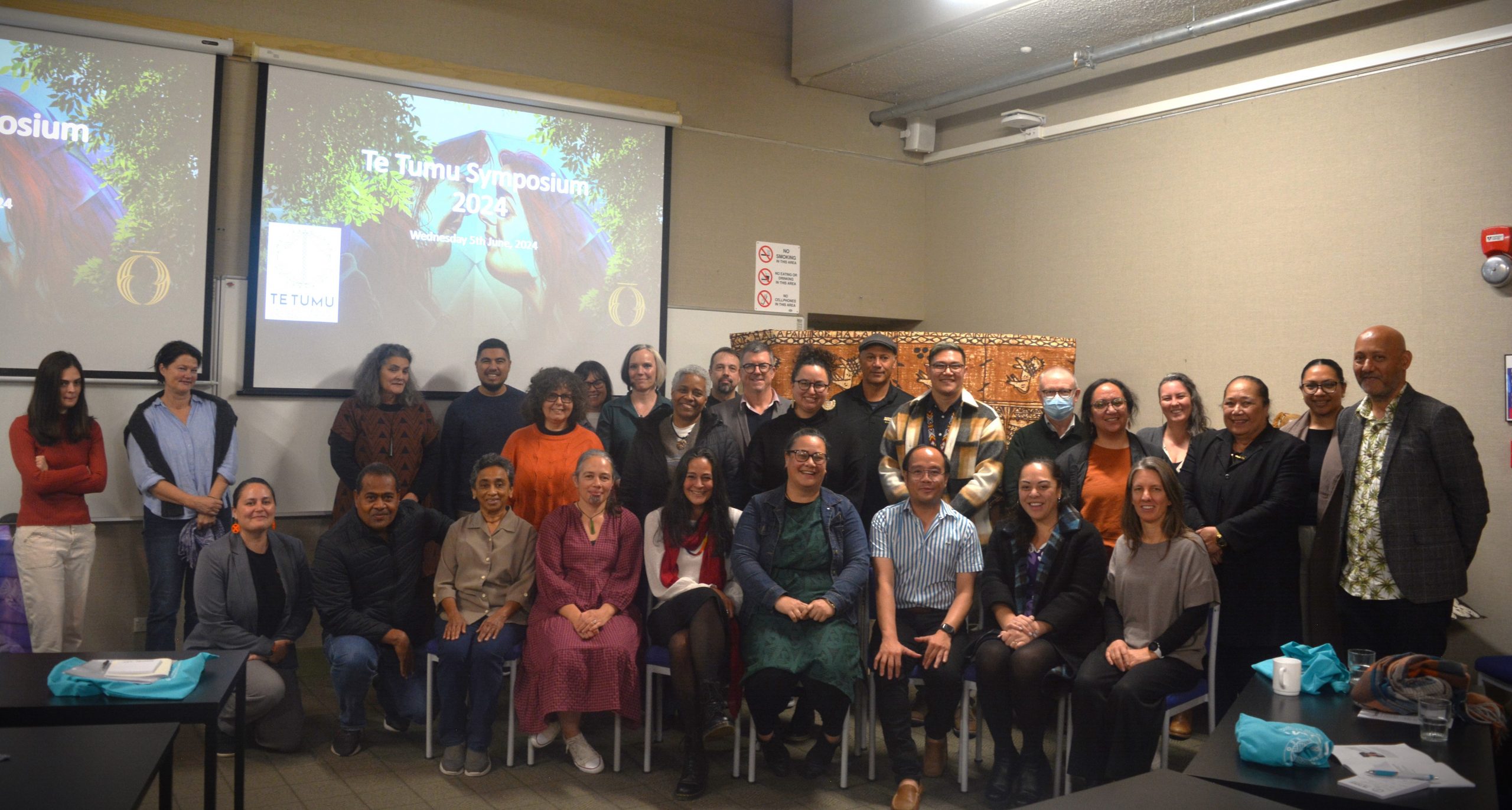
On Wednesday 5 June, Te Tumu, School of Māori, Pacific and Indigenous Studies, hosted its inaugural research symposium to share and celebrate research from Te Tumu. The day began with a welcome from Te Tumu Dean Prof Patrick Vakaoti and a history of Te Tumu from Prof Michael Reilly. The programme included four sessions of Te Tumu staff and postgraduate students’ presentations, constructive question and answers segments, feedback, and encouragement.
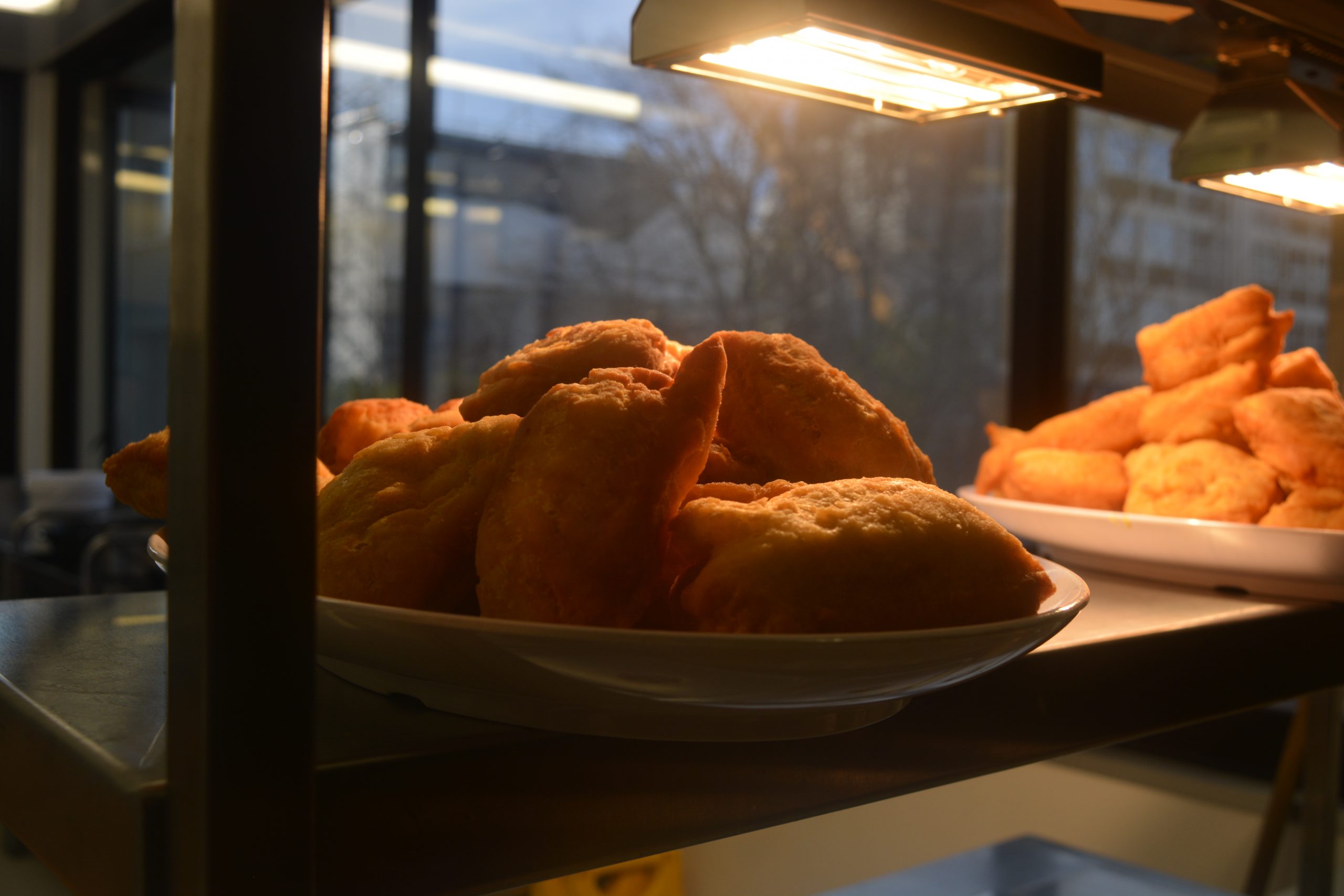
Supported by Te Tumu’s Research Committee and Postgraduate Committee, the event welcomed attendance from those who are based in Ōtepoti, as well as distance students who are based in Te Whanganui ā Tara, and as far afield as New Caledonia. With special Tītī and fry bread kai, this gathering was truly an inspiring occasion and speaks to exciting research work that Te Tumu staff and students are doing locally, and regionally that are important contributions for their communities, and for the growth of Māori, Pacific and Indigenous Studies scholarship.
Session 1 was facilitated by Dr Paerau Warbrick, a lecturer in Māori Studies, and included presentations by Te Tumu staff member Paia Taani on intergenerational language transmission; and PhD students, Jenni Tupu who presented about transracial adoption, and Ella Cameron-Smith who presented on Ngaati Korokii Kahukura kai identities.
Session 2 was facilitated by Dr Telesia Kalavite, a lecturer in Pacific Studies, and included presentations by four PhD students: Frédéric Dichtel who presented on te reo grammatical structures; Regina Maniam who presented on engaging Indigenous values and methods in doctoral research; Stacey Kokaua-Balfour who presented on Cook Islands’ creative texts relating to the environment and climate change; and Jay Quintos who presented on critical perspectives on films about the Tboli people in the Philippines.
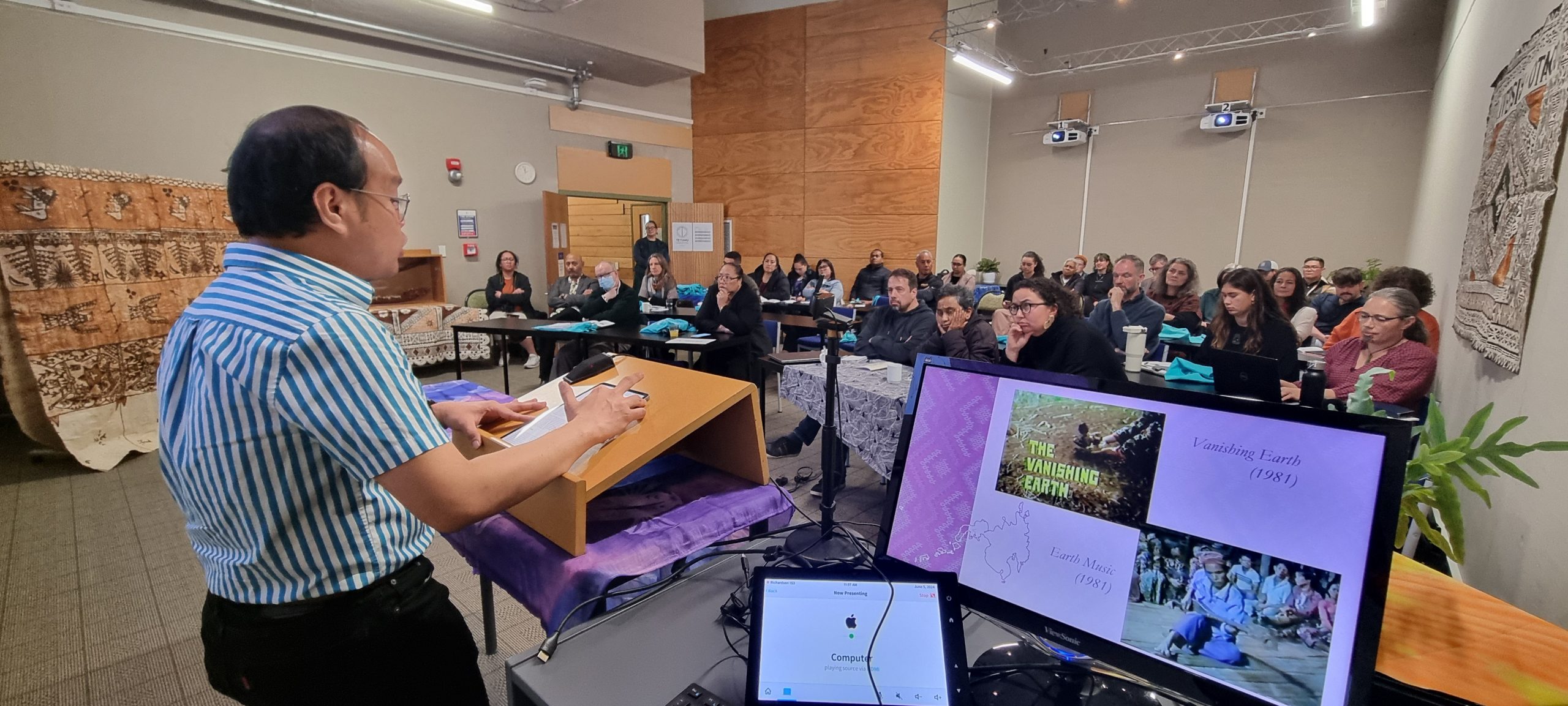
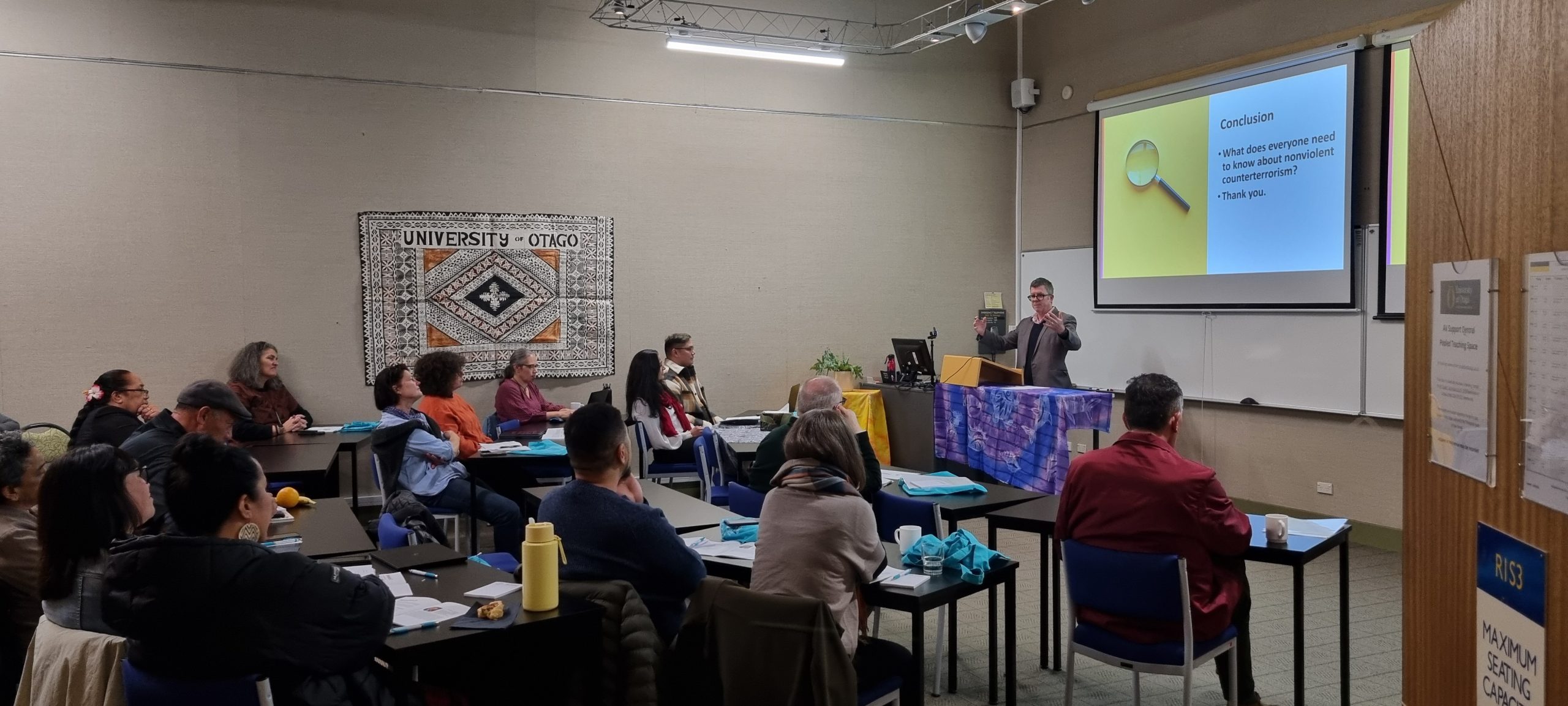
Session 3 was facilitated by Prof Michael Reilly, the Postgraduate Chair of Te Tumu. The session included staff member Prof Richard Jackson who presented on non-violent approaches to counterterrorism, and two PhD students: Jude Bautista who presented on visual social semiotics and critical lenses in discourse analyses; Kim Cope Tait who presented on personal sovereignty in the poetry of Hinemoana Baker.
Session 4 was facilitated by Dr Emma Powell, lecturer in Indigenous Studies and Programme Coordinator of the Master of Indigenous Studies (MIndS). The session included three MIndS distance students: Melissa Denzler, based in Te Whanganui ā Tara who presented on the cultural taxation of kaiako Māori; Elizabeth Hamilton, based in Whakatū, who presented on a approach for honouring Te Tiriti specifically relating to language learning policies for migrants and former refugees; and James Uri-Puati, based in the Cook Islands, who presented on a critical Indigenous framework for theorising second language learning.