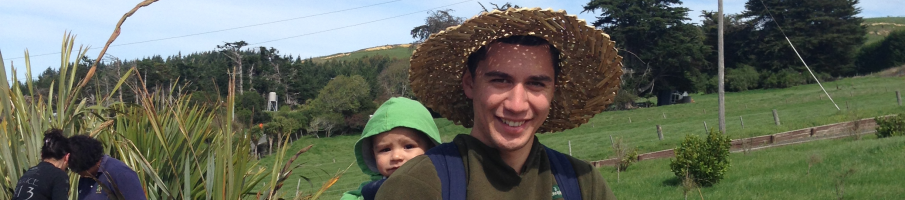
“Sustaining culture in isolation is exhausting. But necessary”: Dr Wahineata Smith reflects on the realities of being away from iwi and hapū
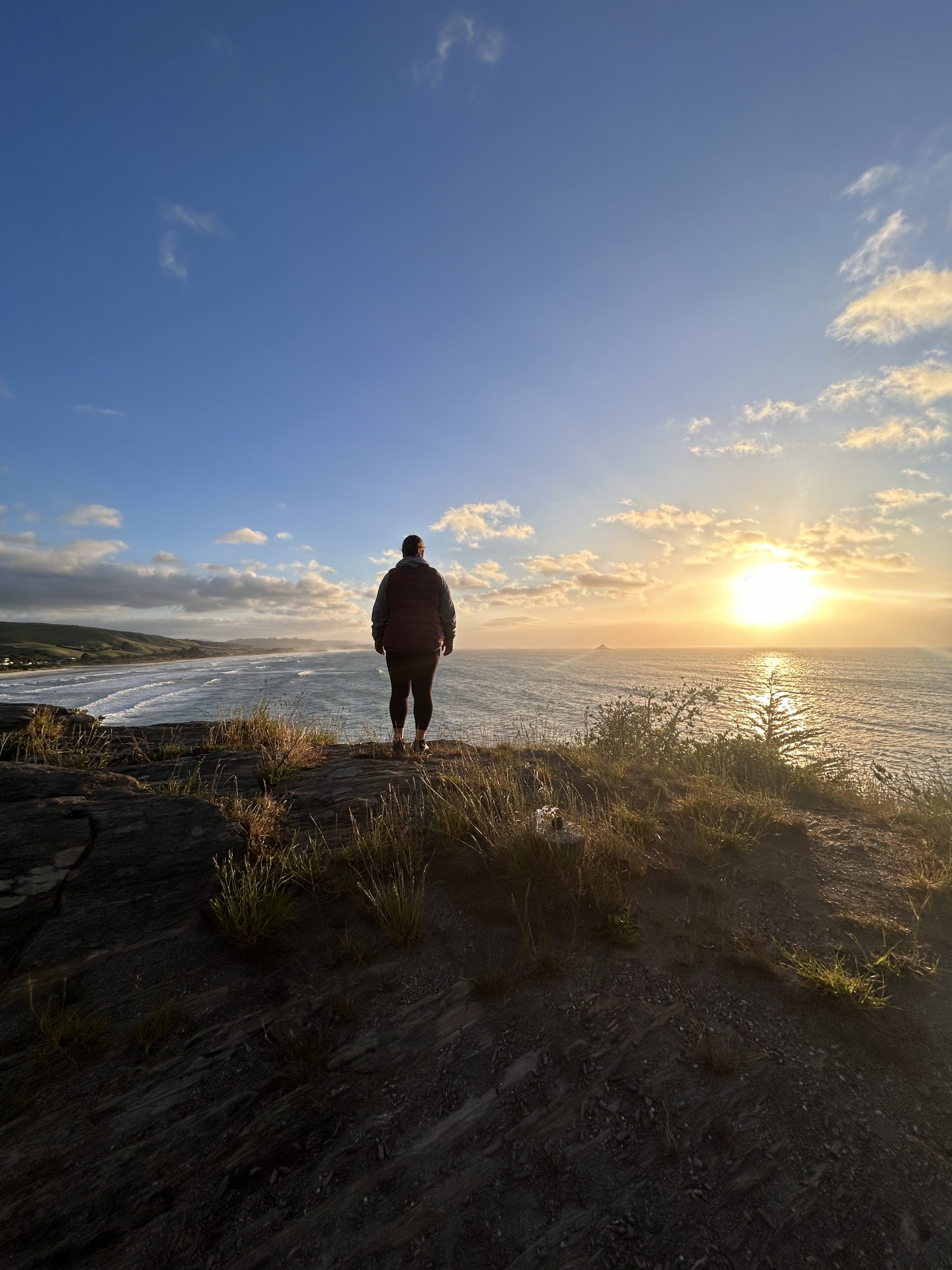
Photo credit: W Smith
In a recent article for the Mana Wahine series of the Otago Daily Times, Te Tumu’s Māori Studies lecturer, Dr Wahineata Smith, shares some of the costs and realities for whānau who are geographically distanced from iwi and hapū. Specifically, navigating the costs associated with cultural, spiritual and social connections as well as the emotional weight of having to make “cruel economic decision[s] between tikanga and balancing the family finances.” Woven through the article is Smith’s clear respect for and accountability toward her children and the worlds she wants them to know, be part of and move through with confidence. And while she mentions the tension and struggle of having to be “the sole bearer of all things Māori” within her home, the relationships she has with mana whenua and mātāwaka here in Ōtepoti strengthen and support her as she carries that responsibility. The article, which appears in the May 25 issue of the Mana Wahine series, has also featured article from Te Tumu staff, Professor Karyn Paringatai and Kare Tipa.
Te Tumu scholar part of Kāhui Kairuruku the national Hautapu for Matariki
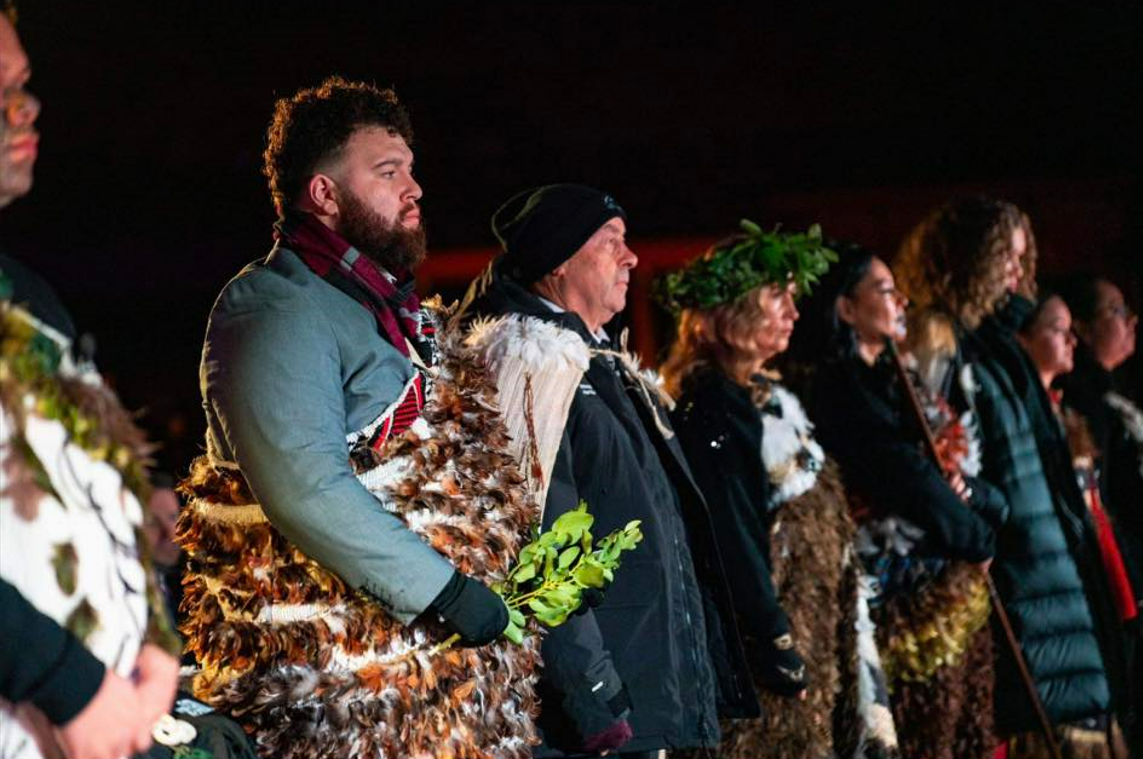
Ko Kare Tipa tōku ikoa, my ancestry comes from many hapū of Kāi Tahu iwi: (Kāti Ruahikihiki, Kāti Hāteatea,Kāi Te Aotaumarewa, Hinematua, Kāi Tuke, Kāti Huirapa, Kāti Rakiāmoa, Kāi Tuahuriri, Kāti Hinemihi, Kāti Wairaki, Kāti Urihia On Friday 28 June I was honoured to be part of the Kāhui Kairuruku, a collective of language and cultural practitioners that delivered 13 karakia as part of the national Hautapu ceremony held 2,008m above sea level, adjacent to the mighty ranges of Kā Tiritiri O Te Moana, on a pituresque mountain widely known as Treble Cone. Matariki allows us to reflect on whānau and experiences at a time when we welcome the new year. It is also a time to farewell the old, the past year gone.
It was appropriate to hold the hautapu ceremony in Wānaka. Māori history tells of Wānaka where early iwi, in particular ‘Waitaha’, assembled for learning of tribal lore. Wānaka is Kāi tahu alternative form of the word ‘wānanga’ referring to the ancient schools of learning. The area boasts of rocky alpines, tussock foliage and lakes dug out from the eponymous ancestor Rākaihautū. From the ski field on Treble Cone, one is able to feast eyes on the visible features of the land, the aesthetic appeal formed by the digging stick of Rākaihautū. Lakes dug out in Te Waipounamu are known as Kā Puna Karikari a Rākaihatū (the springs of water dug by Rākaihautū).
From ancestoral acts of the past to what is experienced today, Kāti Ruahikihiki descandants (the kairuruku for the hautapu) are made up primarily of young language assailants raised in the Kāi Tahu language revitalisation strategy: Kotahi Mano Kāika (KMK). KMK leads the charge to reinvigorate our language within Kāi Tahu homes and communities. It is a 25 year old strategy which aims to have at least 1000 Kāi Tahu kāika speaking te reo Māori by 2025.
As a practitioner, I have been both a beneficiary of and contributor to KMK. My children and grandson are part of the collective to revitalise and change the narrative with language normalisation here in Te Waipounamu. To be apart of the collective with our young adults is a tremendous highlight for me as a hākui in the strategy. The Hautapu ceremony is shared with a different iwi annually, this recent ceremony is historical for Kāi Tahu, it highlights the language strategy in action alive and vibrant, it sets a precedence of first language speakers who can conduct formal tikaka in te reo. I may not be here to stand with this collective when the Hautapu returns to Kāi Tahu iwi in the future, but I’m proud to have had this moment of standing with first language speakers adding to the histories of today.
