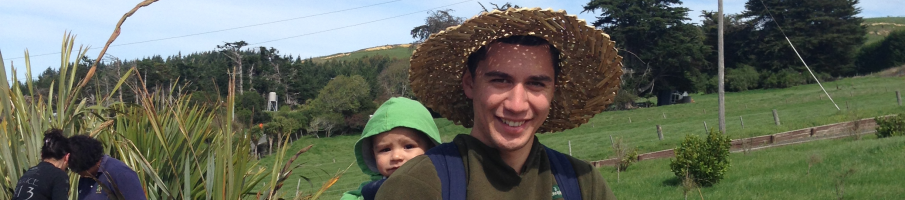
Engaging wānanga centres Māori and Pacific notions of peace: With Professor Georgina Tuari Stewart

By Leighton Williams
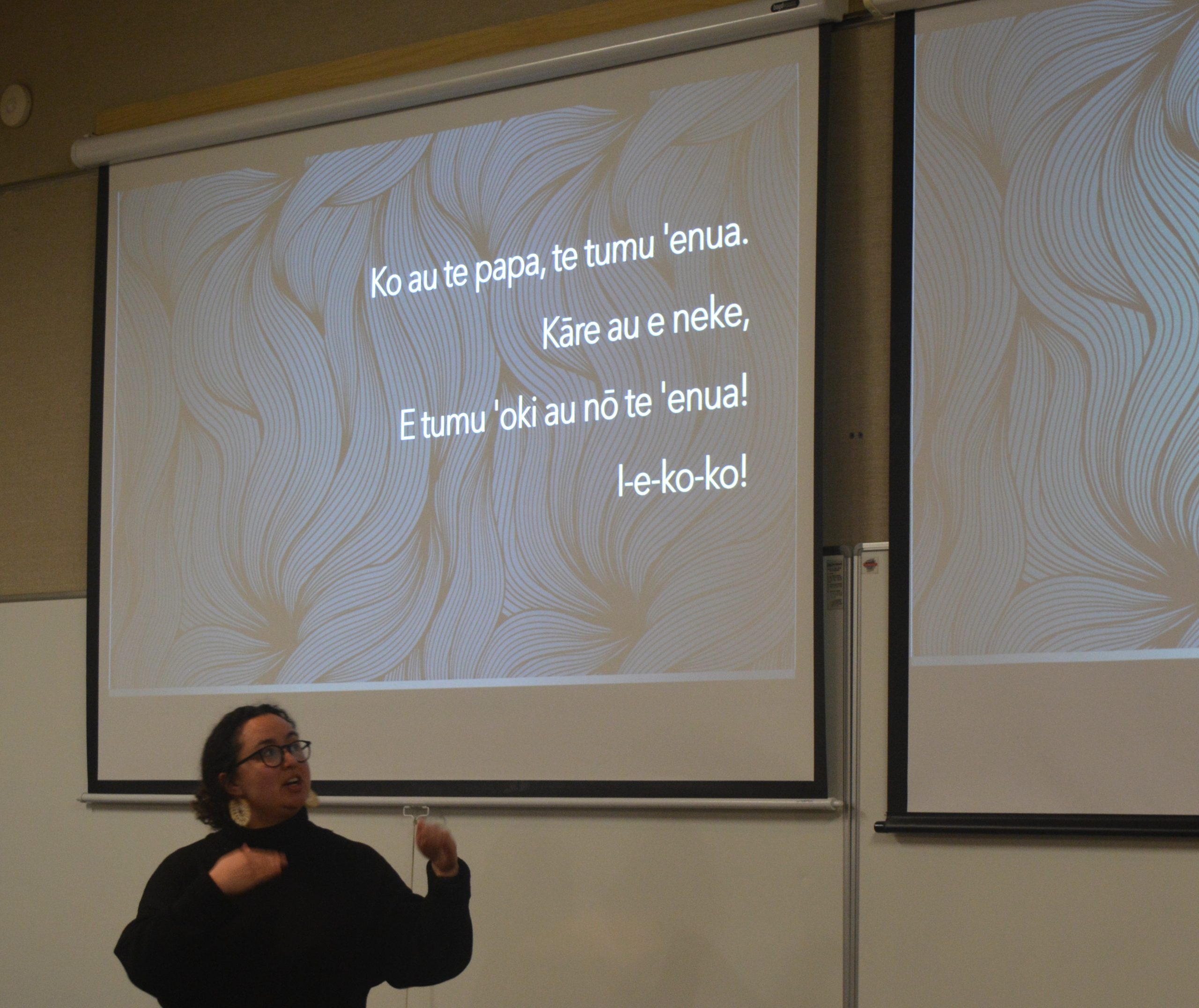
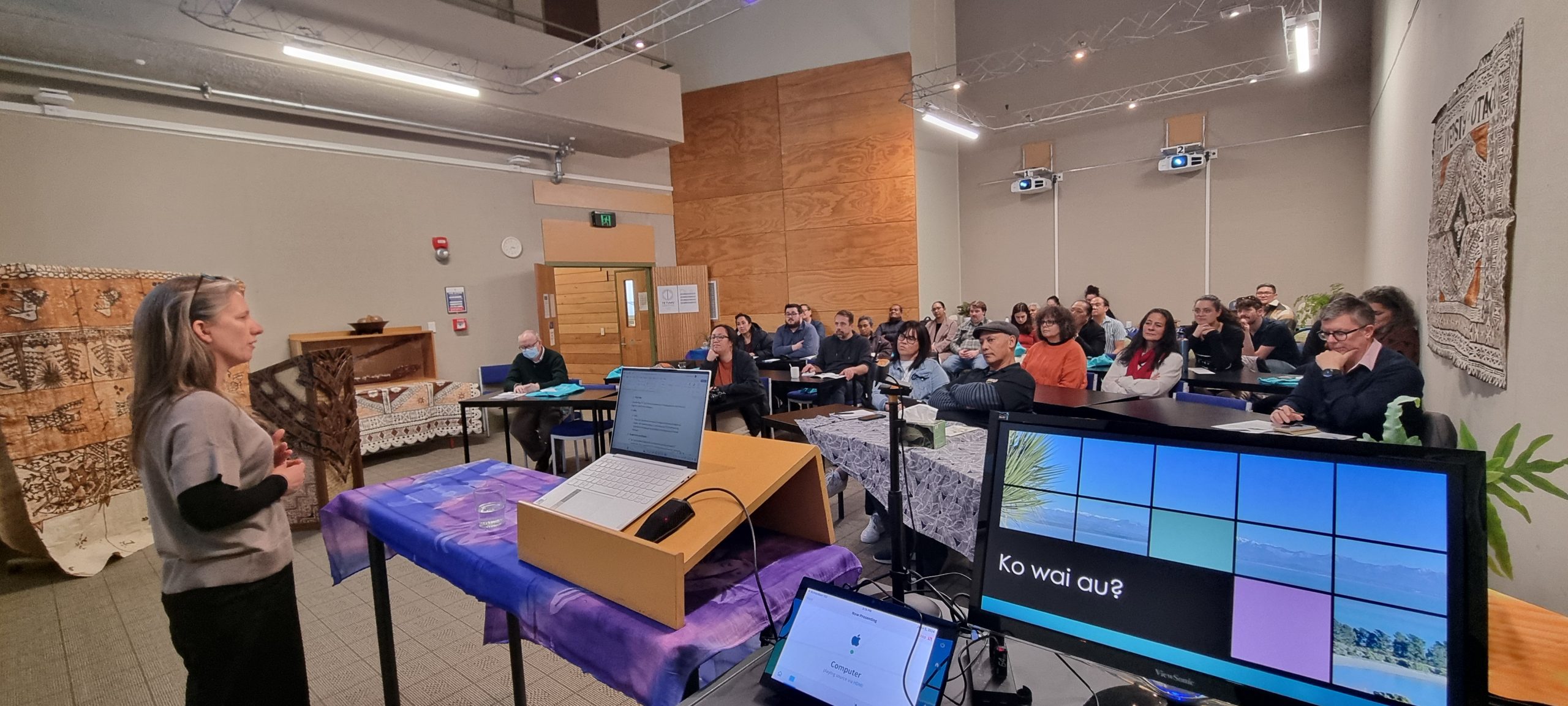
Earlier in May, Te Tumu hosted Professor Georgina Tuari Stewart (Ngāpuhi, Ngāti Maru ki Tainui) from AUT for a special wānanga on peace, organised by Associate Professor Liana MacDonald. The wānanga was well attended by Te Tumu staff, postgraduate students, and friends from across the university, all of whom came to share rich stories about how they related to peace in varying ways. Centring Māori and Pacific notions of peace, the session explored what these perspectives might reveal about the limits of how violence, conflict, and peace are currently imagined.
The session began with a storying of peace within our own worlds, facilitated by Georgina with input from Professor Patrick Vakaoti, focusing on how peace is imagined and realised in Māori and Pacific contexts. Drawing on the rich knowledge traditions that shape our work in Te Tumu, Georgina reflected on how Indigenous understandings of peace must constantly negotiate with colonialism, modernity, and institutional forces, including the university itself. This discussion generated considerable engagement as colleagues reflected on how peace features in their own scholarly work, and considered where Māori and Pacific worldviews may offer philosophical alternatives to mainstream discussions of peace, conflict, and violence.
Some discussed the presence of Indigenous peace-making traditions within their own whakapapa, giving voice to practices and methods that few encounter today. Others reflected on the ways Indigenous understandings of peace can collapse under imposed categories such as ‘Indigenous knowledge’ and ‘mātauranga Māori’. Together, these conversations offered rich perspectives and suggested a deeper commitment by Indigenous peoples to enduring principles and practices of peace-making.
While the wānanga was initially planned as a discussion of peace through Indigenous frameworks, the conversation soon drifted toward rethinking peace in alternative terms. Do we recognise peace in Indigenous worlds? Is peace temporary, or is it imagined as a continual process of restoring balance? When considering peace for Indigenous peoples, in both our lives and our work, are we centring peace or centring violence, and what difference does that make? The wānanga left us with many unresolved questions that we hope to continue working through together.
Most excitingly, the wānanga also presented a unique opportunity for colleagues and students not only to discuss what peace means within Māori, Pacific, and Indigenous worlds, but also to contribute to the development of a polyphonic article. The article will be submitted for the upcoming special issue of AlterNative and will be led by new Peace and Conflict Studies doctoral student, Mai Ly, curating everyone’s diverse reflections on the wānanga discussions.
We are humbled by Georgina’s generosity and look forward to sharing our time with her again!
Reflections from the Indigenous Futures International Conference 2025: Wahineata Smith, Ariana Nisa-Waller & Erana Severne-Takataka
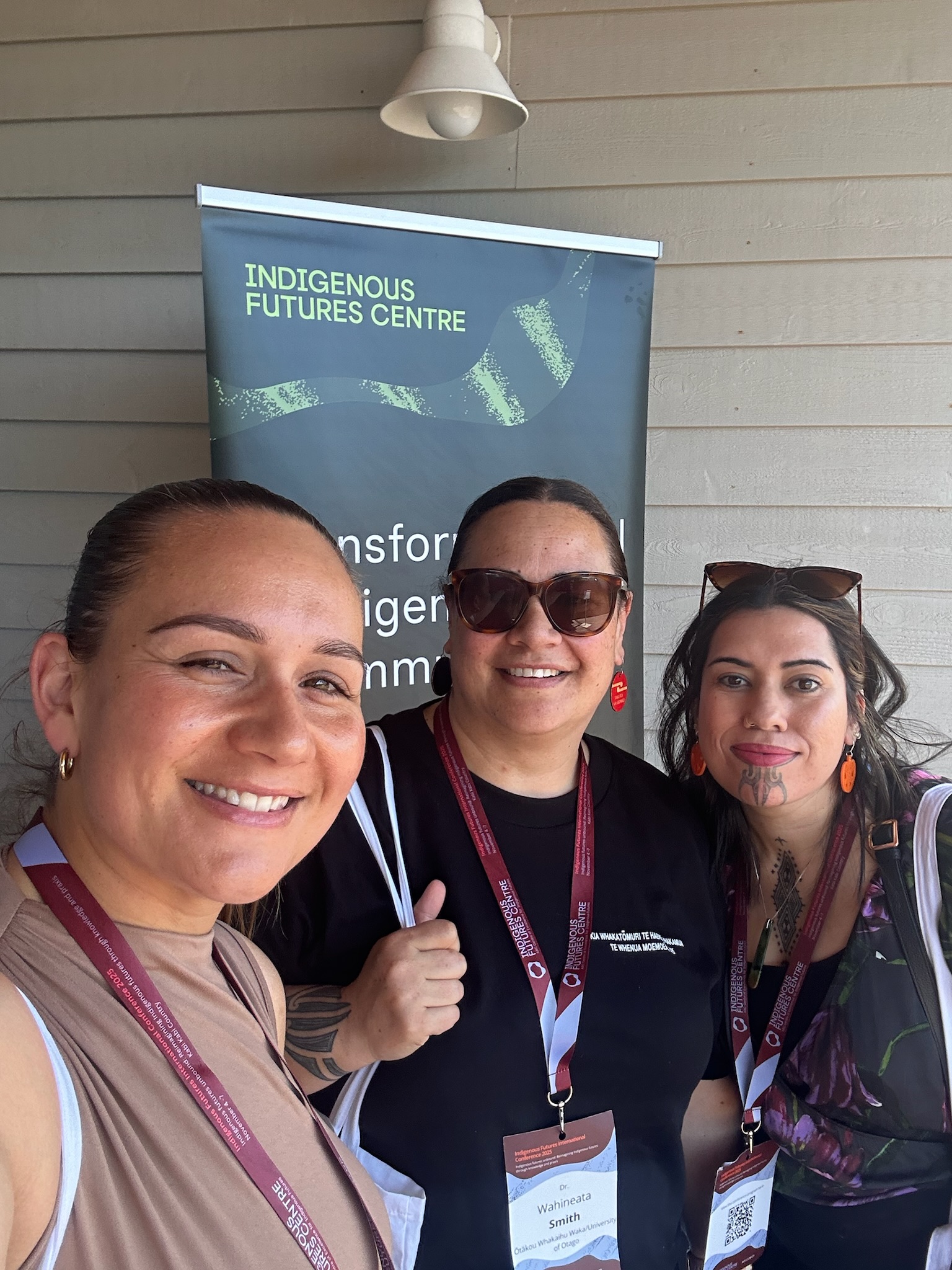
In early November, Te Tumu Māori Studies academic Wahineata Smith travelled to the Indigenous Futures International Conference 2025, taking with her two Māmā that had been part of her research which focuses on parenting practices in dual heritage Māori and Tongan families. Their reflections on the event are published here.
Wahineata Smith
A call for abstracts to an Indigenous conference landed in my inbox and I was immediately interested. I had been thinking about how to bring some people from my research along with me as a way to acknowledge and give voice to the whānau or co-creators of my rangahau that explores how parents and caregivers actively shape their children’s cultural identity across geographic, linguistic, and social boundaries. As the number of Māori and Pacific families with multi-ethnic whakapapa grows, so too does the need to understand how identity, wellbeing, and belonging are nurtured in diverse whānau contexts. Research related funds were sought and I was able to invite two Māmā as representatives of the two phases of my rangahau, giving them the opportunity to co-present on their experiences of raising tamariki who have both Māori and Tongan whakapapa. Titled “Navigating layered identities: Co-creating knowledge with Māori and Tongan whānau in Aotearoa”, our presentation drew on kōrero from wānanga held with Māori-Tongan families in Ōtepoti Dunedin, Phase One and Kirikiriroa Hamilton, Phase Two.
Attending the conference was a meaningful and enriching experience, both personally and professionally. Hosted on beautiful Kabi Kabi country in Sunshine Coast, Australia, the gathering brought together more than 300 Indigenous scholars, researchers, and community leaders from across the region and beyond. While the conference theme spoke to “Indigenous futures,” many of the presentations carried a deep emotional weight. The kōrero reflected ongoing experiences of mamae, resilience, and reclamation, clear reminders that the work of decolonisation and self-determination continues to be deeply felt amongst Indigenous communities. It was powerful, yet at times heavy, as we collectively navigated the tension between inherited trauma and imagined possibility.
Hei whakakapi ake, e mihi tonu ana ki ōku hoa haere me ō rāua whai wā, ō rāua tautoko anō hoki ki te tohatoha ō rāua ake wheako. E mihi tonu ana ki Te Tumu, ki Ōtākou Whakaihu Waka anō hoki, mō te pūtea tautoko me te tirohanga whānui kia tutuki ai tētehi mahi pēnei, te kōrero ngātahi te kairangahau me ngā whānau kua rangahautia. Ko te whāinga matua, ko te whakatupu tamariki kia whīkoi poho kererū ai i roto i ō rātou ake whakapapa, i ō rātou ake ahurea, i ō rātou ake tuakiritanga anō hoki.
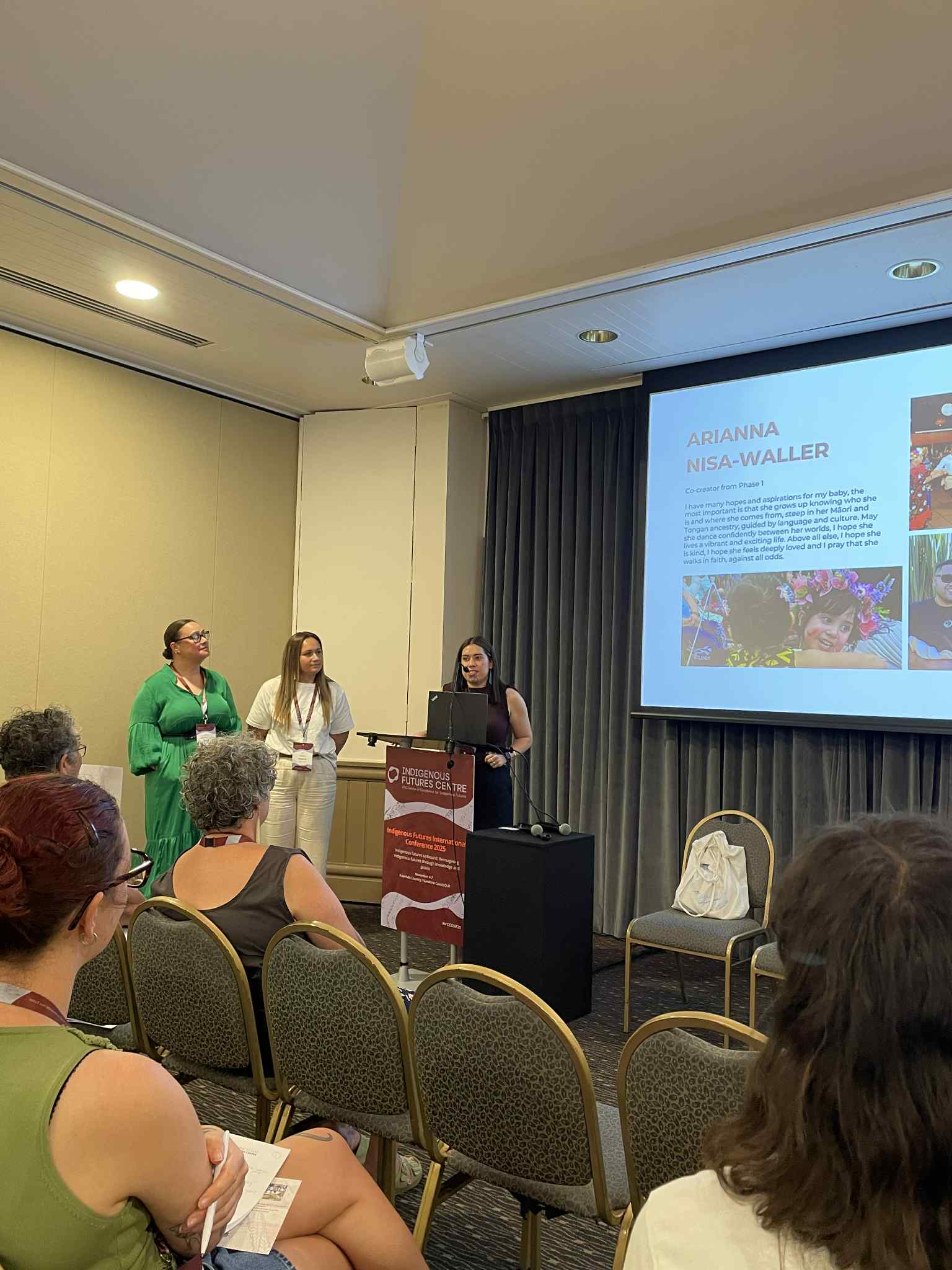
Arianna Nisa-Waller
I firstly wanted to express my gratitude to Wahineata for moving beyond traditional and Western research parametres and daring to ensure whānau voices, through her rangahau, are honoured, not just by way of doing research but in the dissemination of the rangahau and taking participating whānau with her to these indigenous hui. I know this challenges the idea of investment in rangahau within tertiary institutions being an individual pursuit that only sees and values the researcher. Wahineata has created an example located in collective indigenous realities to create new horizons where whānau voice becomes an enduring legacy enriching the outcomes of ao Māori driven rangahau, no longer are whānau just there in the recruitment phase and data collection, but they are integrated all the way through.
I think this is a model to consider in future investments for kairangahau Māori because this collective voice mahi is not a new concept to us but we could also think about how we push this as the norm in the institution. In the lead up to the conference, we had all met together on zoom to ensure we could co-create the presentation taking Wahineata’s lead. We were prepared for the time given to our session to go quickly but when we got into it, given the talks before us in our concurrent session went over time, our time was cut shorter. Despite this, Wahineata delivered an impressive and inspiring presentation on her kaupapa rangahau about ensuring the continued legacy of encouraging the dualities of Māori and Tongan identity for our tamariki.
This is the heartbeat of what we each have in common and what had compelled us to travel across the ocean to share kōrero with this indigenous audience. In a time of global unrest where vast losses are occuring and a thick political divide is erupting, this kaupapa of language and identity revitalisation pertinent to our tamariki bought a lightness and transformative power to the space. We sadly ran out of time to cover the full length and breadth of what we had planned however, the lasting message in my perspective was delivered by Wahineata. There was much interest in the rangahau and I think just enough was laid out for people to know this is a rangahau journey that Wahineata will continue as a longitudinal study with the further research funding she has been awarded.
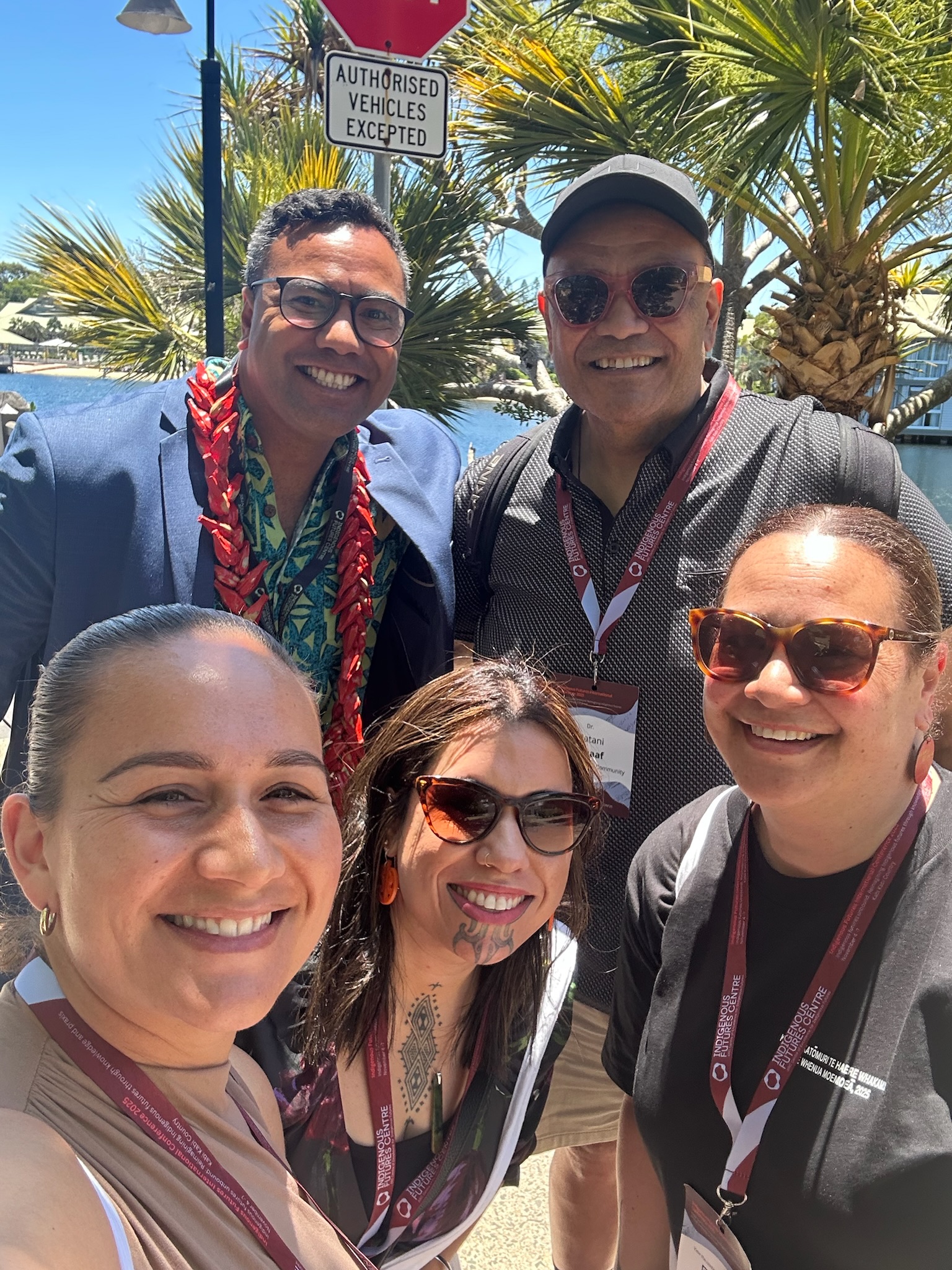
Erana Severne-Takataka
This is such important mahi and very close to my heart. We are going to see more blends of Tongan and Māori children, and I know first-hand some of the complexities that come with raising strong, confident, vibrant children in multiple ahurea (cultures). Reflections I have a deep appreciation for how far Māori has come, even though there are still many ongoing challenges in Aotearoa. I could feel the anger and almost rage from our brothers and sisters in Australia. There is so much mamae there, and a lot of complexity. While this is true for Māori as well, I found myself thinking about how each of us could have stood up and done our presentation entirely in te reo Māori. After one of the sessions, a young Aboriginal wāhine made a comment saying, “You all stand so confidently, knowing who you are and where you come from.” That wasn’t something we had really thought about, but for others whose loss of reo and connection to culture feels so distant, it can seem aspirational. I hadn’t really heard of identity fraud before, but it came up a lot at the conference as a challenge they’re facing in Australia. In a discussion with the girls, we wondered how that might play out in New Zealand. We felt that at a small level you might get away with it, but in a larger forum our country is so small that someone would definitely call it out.
I’m not from the education field, but one thing I noticed was the style of presentations. Many were pre-written, often delivered by very intelligent people with amazing kaupapa, yet I rarely saw truly engaging presenters. Sometimes the tone was so clinical that it was hard to stay focused, especially with complex topics delivered in the same way throughout. It reminded me how important storytelling is. How do we bring people along on the journey and make complex or difficult topics easy to understand? How do we clearly explain our context to those who may not know our world? How do we use pitch, tone, and pace to support our message and thinking? It made me wonder how we could present ideas differently so they connect more deeply with people.
“Sustaining culture in isolation is exhausting. But necessary”: Dr Wahineata Smith reflects on the realities of being away from iwi and hapū
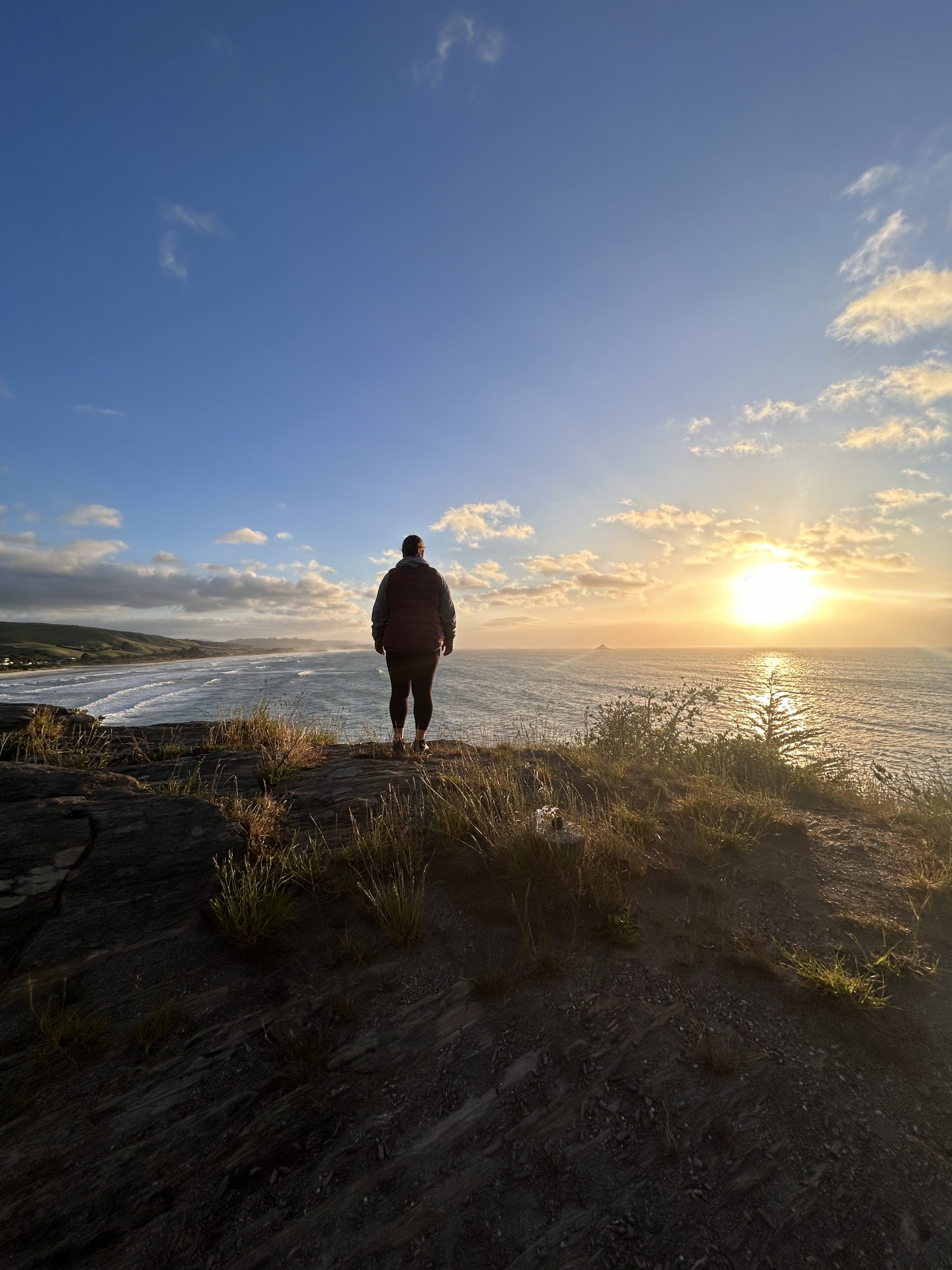
Photo credit: W Smith
In a recent article for the Mana Wahine series of the Otago Daily Times, Te Tumu’s Māori Studies lecturer, Dr Wahineata Smith, shares some of the costs and realities for whānau who are geographically distanced from iwi and hapū. Specifically, navigating the costs associated with cultural, spiritual and social connections as well as the emotional weight of having to make “cruel economic decision[s] between tikanga and balancing the family finances.” Woven through the article is Smith’s clear respect for and accountability toward her children and the worlds she wants them to know, be part of and move through with confidence. And while she mentions the tension and struggle of having to be “the sole bearer of all things Māori” within her home, the relationships she has with mana whenua and mātāwaka here in Ōtepoti strengthen and support her as she carries that responsibility. The article, which appears in the May 25 issue of the Mana Wahine series, has also featured article from Te Tumu staff, Professor Karyn Paringatai and Kare Tipa.
Mātauranga Māori seminar from key wāhine Māori centres relationships, community and hapū
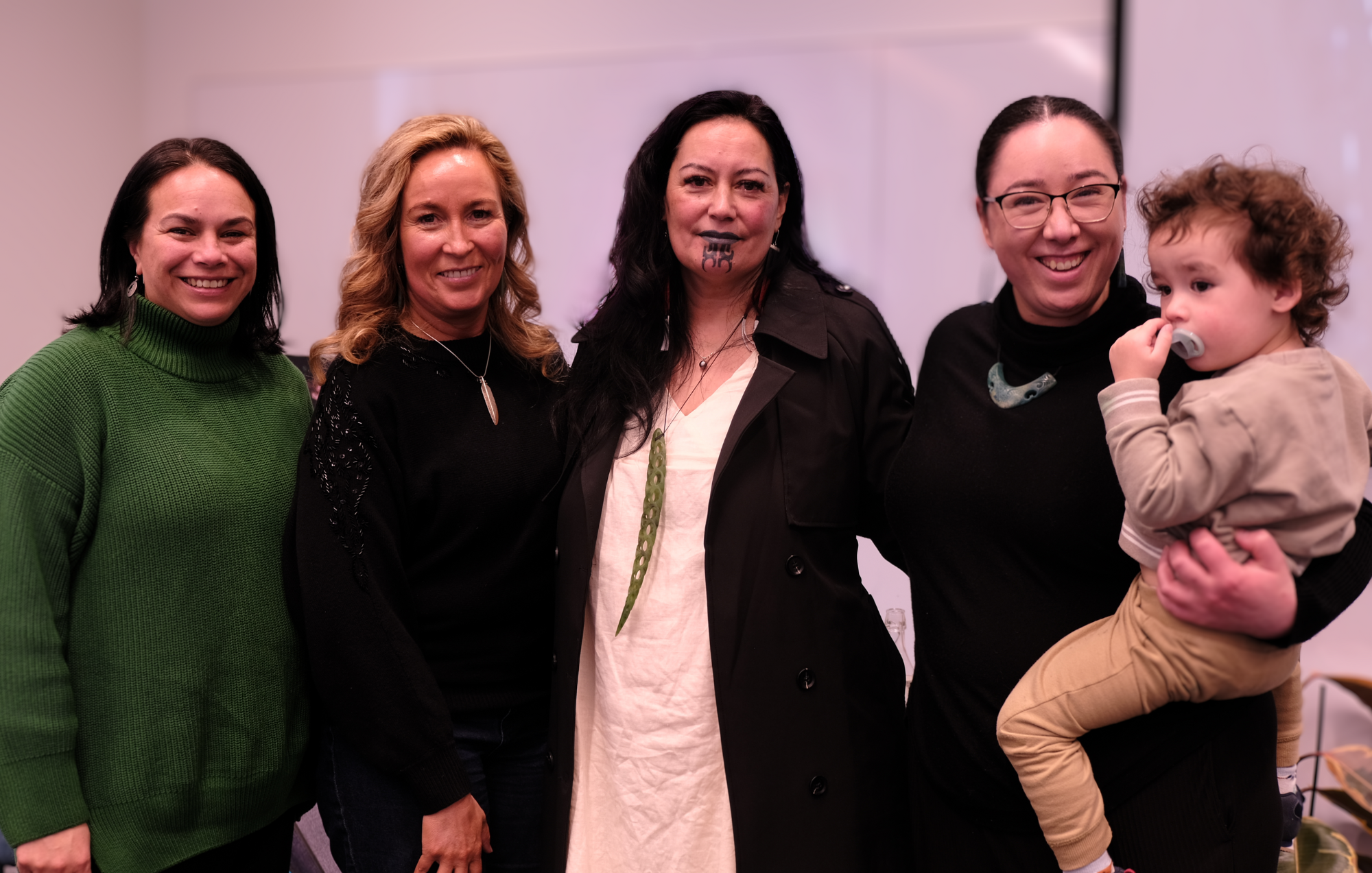
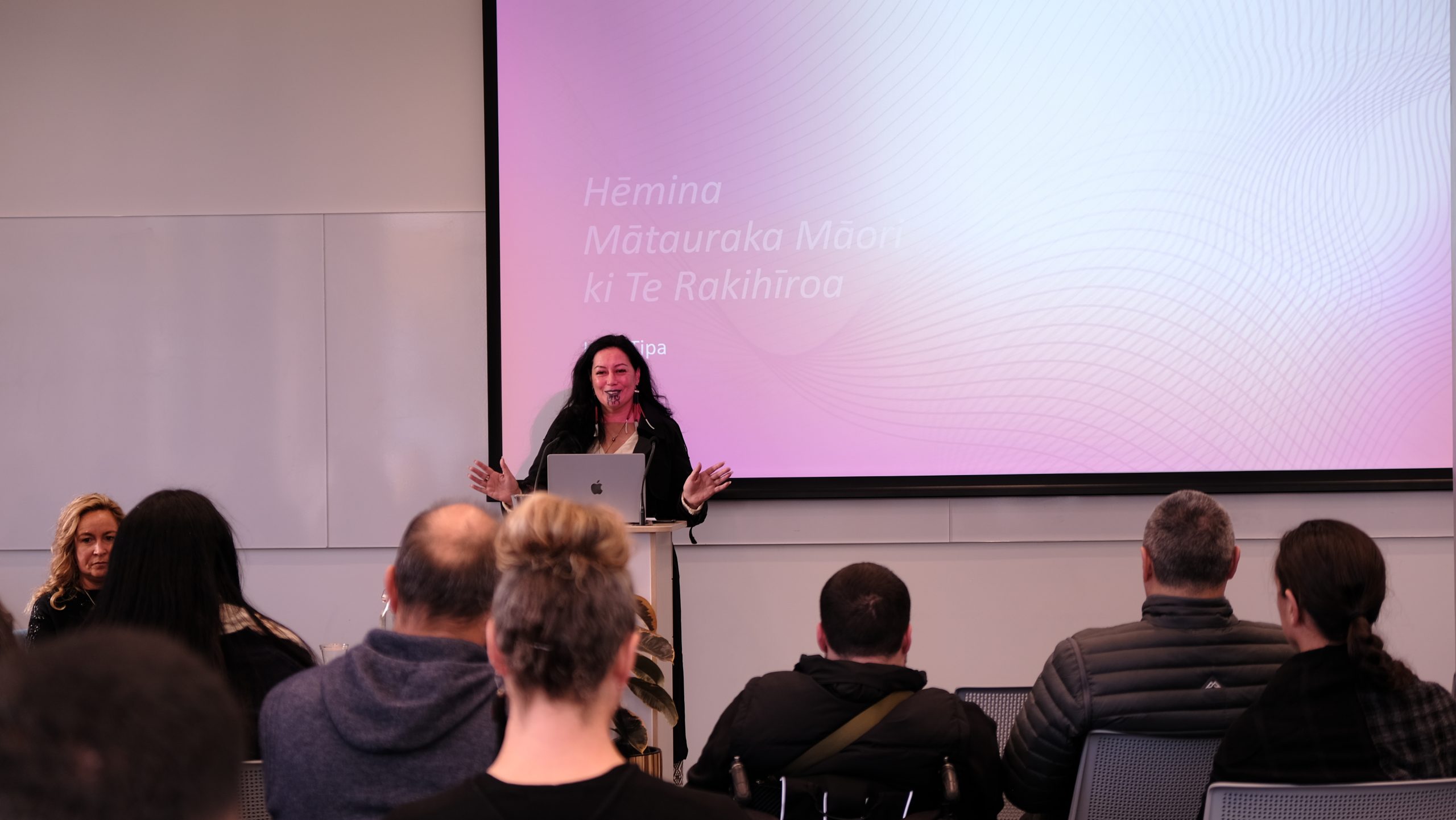
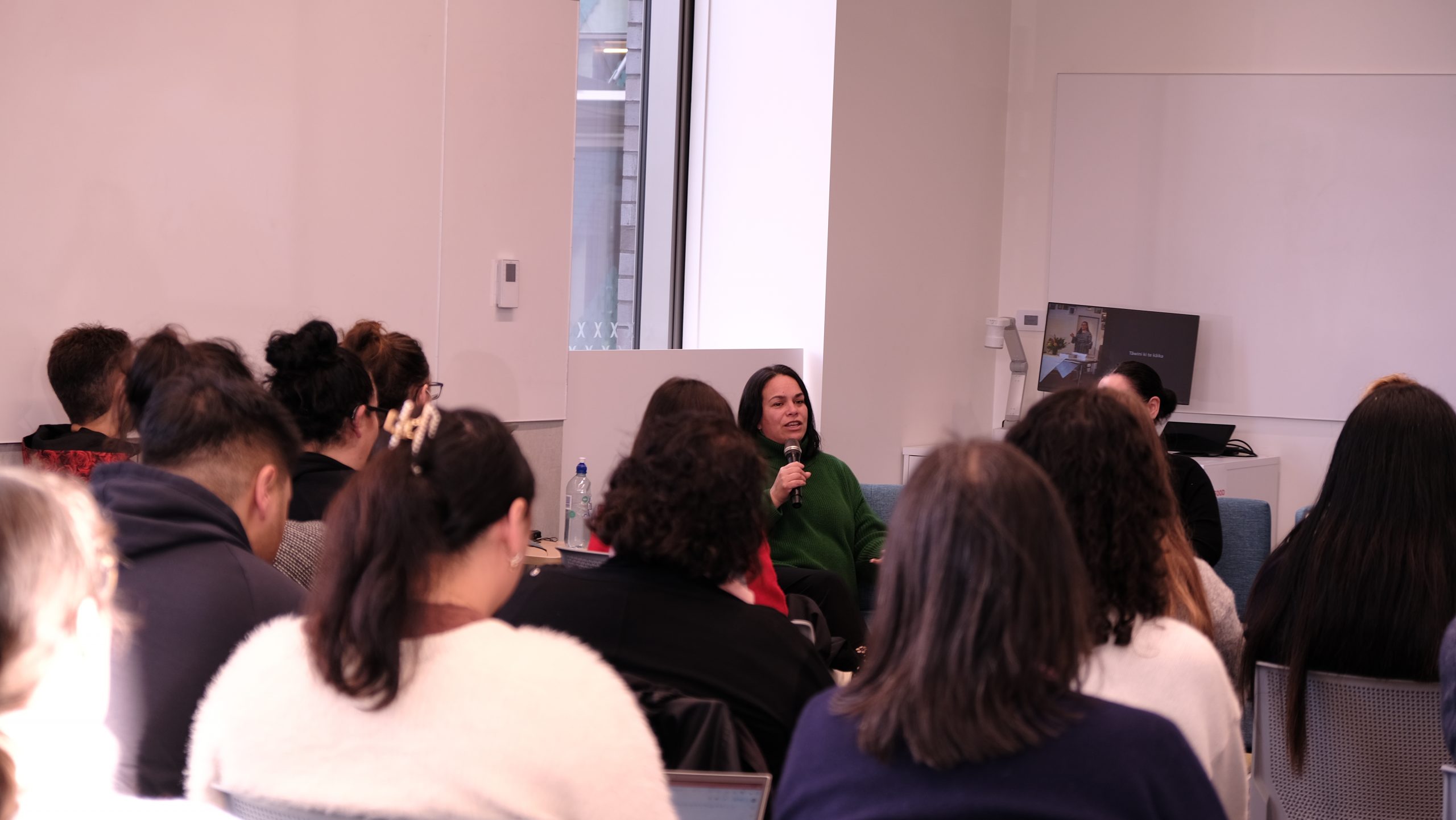
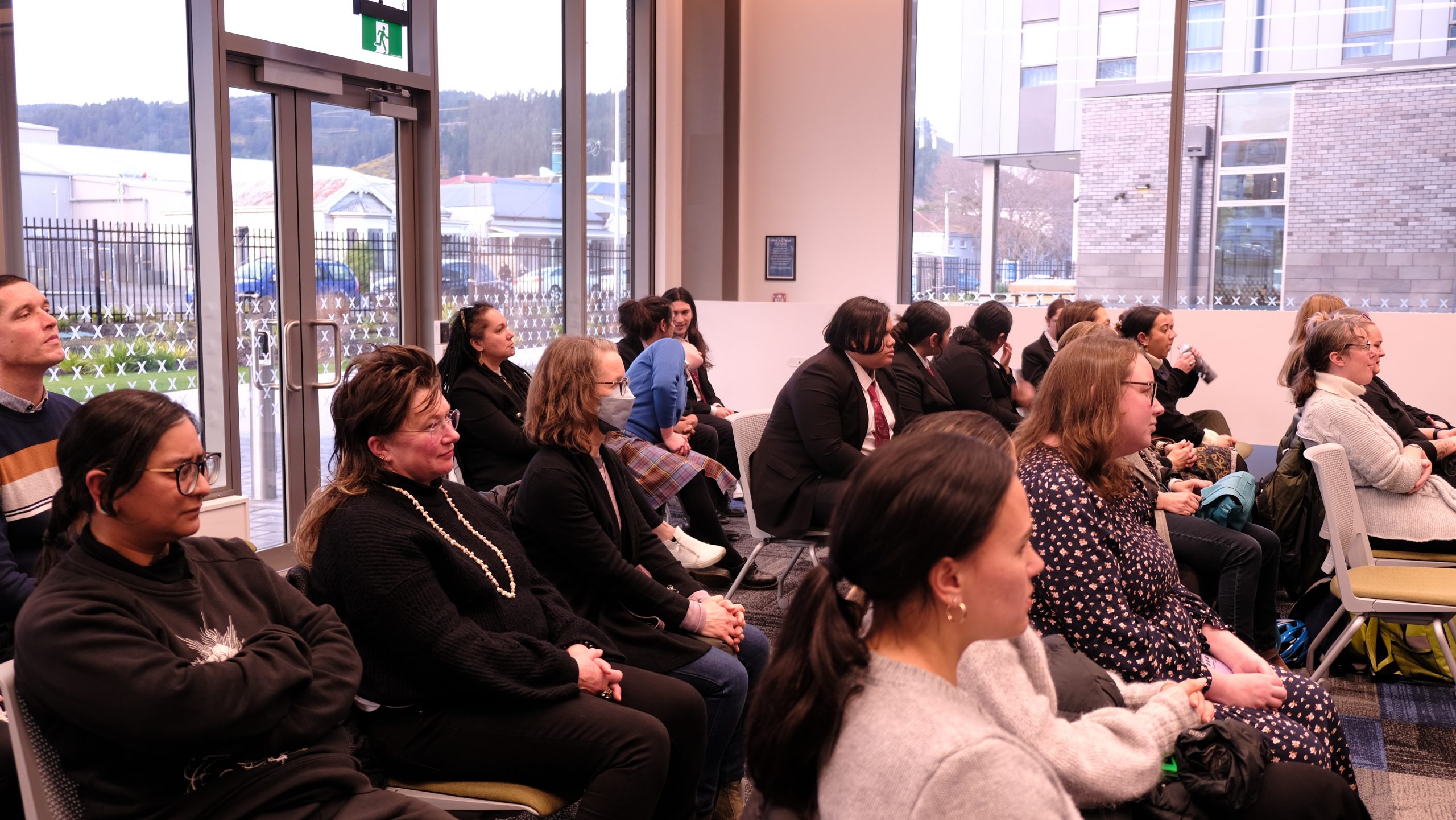
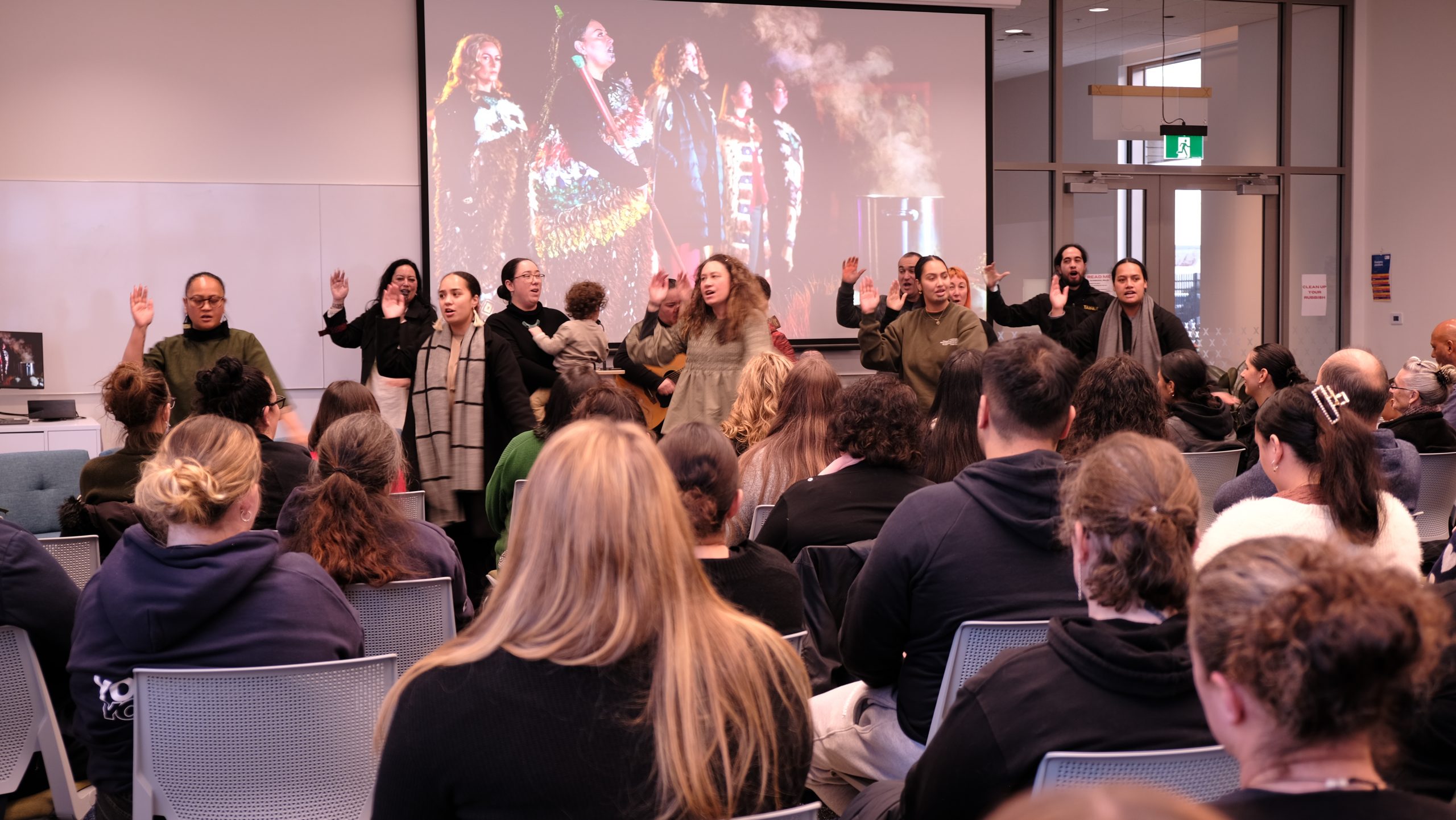
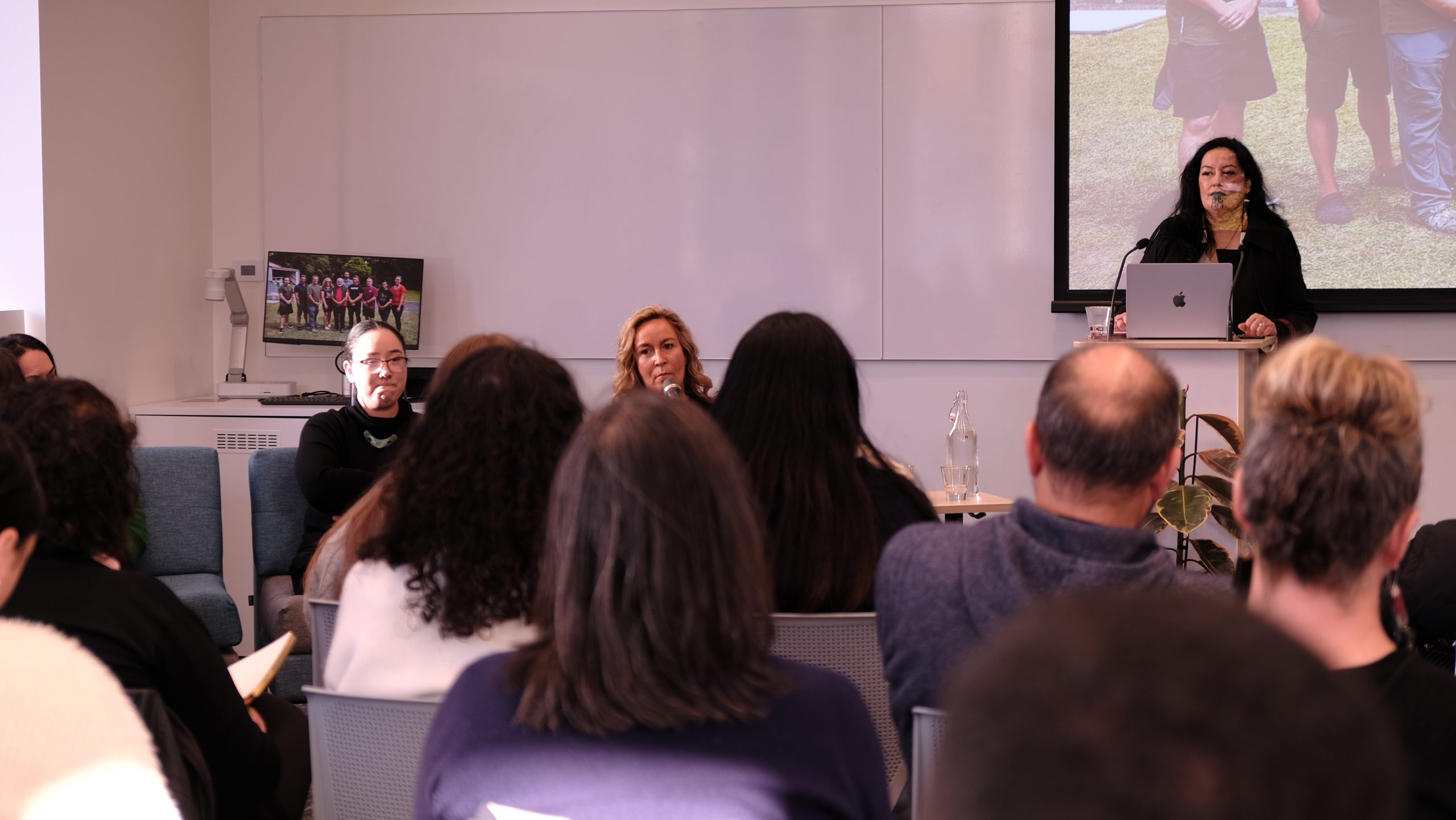
Mātauranga Māori was the centre of a fabulous Te Tumu Special Seminar Panel on Wednesday afternoon hosted at Te Rangihīroa College. Te Tumu Pūkenga Kare Tipa facilitated a vibrant, engaging and generous kōrero with wāhine Māori, Paulette Tamati-Elliffe, Tāwini White, Victoria Campbell as they reflected together about their experiences in the national Hautapu for Matariki as well as broader roles and responsibilities they have for uplifting and sustaining mātauranga Māori in their respective spaces.
There were several important themes that developed during the panel including leadership, family and the importance of relationships, locality, community, humility, responsibility, hapū, and doing your best. All of which was well received by a room filled with family, university students and staff, high school students and other interested people from the wider community.
For each of the panellists there were clear moments in their lives where the motivation for wanting their children and their mokopuna to have the language, really pushed the directions that they took in their careers, with their families, and in their communities. As each speaker reflected on her personal journey into te reo, it was clear that the process can look different and take time, but that it can positively change the way you live and the way you connect with the world around you.
Tāwini White commented that her “Mum was the key to the door of Kāi Tahutaka”. Both her parents were strong advocates of te reo and would take her along to things like Kotahi Mano Kāika (KMK) as it launched. As White’s niece made her way in the world, White knew that she wanted to be someone who could provide access to te reo and mātauranga, something she also practices with her two-year-old son.
Victoria Campbell talked about how there are different ways of navigating te reo journeys. Her early experiences of te reo and being Māori were quite formal and centred around her Mum, who, as an excellent cook, would often be out at the marae, at schools or in other community spaces. While her Mum and other women around her would often speak in English, the way they spoke, they idioms they used, the way they were with each other, all connected with Māori ways of being and knowing. Her Mum started learning te reo in her 50s and that has been really inspiring for her to see.
Tamati-Elliffe and her partner wanted to be “te reo grandparents” to create spaces where their children and mokopuna would have te reo because “it’s not just a language, it’s a worldview. Something that connects you to your past, present and future”.
Kare Tipa provided useful framing in the colonial underpinnings of the term mātauranga Māori but also the ways it has been reclaimed by Māori. Which opened a space for the panellists to consider the ways they apply and embed mātauranga in their lives and the work they do. Tipa emphasised that “everything we do comes from our localities, our knowledge”, but not all knowledge belongs to all people. There is knowledge that is specific to whānau, to hapū, to iwi and then there is knowledge for everyone, and it is important to uphold those boundaries.
Campbell also highlighted the importance of connecting with and understanding Indigenous time and seasonality, particularly (but not only) as it is practised for ceremonies related to Matariki and Puaka. Early on, Tamatai-Elliffe made a statement about the vastness of mātauranga Māori as something that one could easily study for a lifetime, “but unless you can apply it, what does it mean?”.
Strong perspectives were also given on the role the university can play in upholding and embedding mātauranga Māori across all spaces in the institution. These wāhine are all significantly involved practitioners of mātauranga Māori. And while some do not consider themselves as experts, it is clear how integral the practice and execution of mātauranga Māori is in their lives and the wide-ranging and beneficial work that they do. This is reflected in the roles they had as part of the kairuruku for the national Hautapu ceremony, but it also extends to kaupapa and movements that have been decades in the making and that each of these women are committed to continuing for the benefit of generations to come.
All the panellists were generous with their time and insight which had deep valuable for all who attended. There is certainly appetite and anticipation for more kōrero of this nature and wider engagement with diverse groups. The event was made possible with support from the Office of Māori Development, the team at Te Rangihīroa College and Te Tumu Research Committee.
Te Tumu scholar part of Kāhui Kairuruku the national Hautapu for Matariki
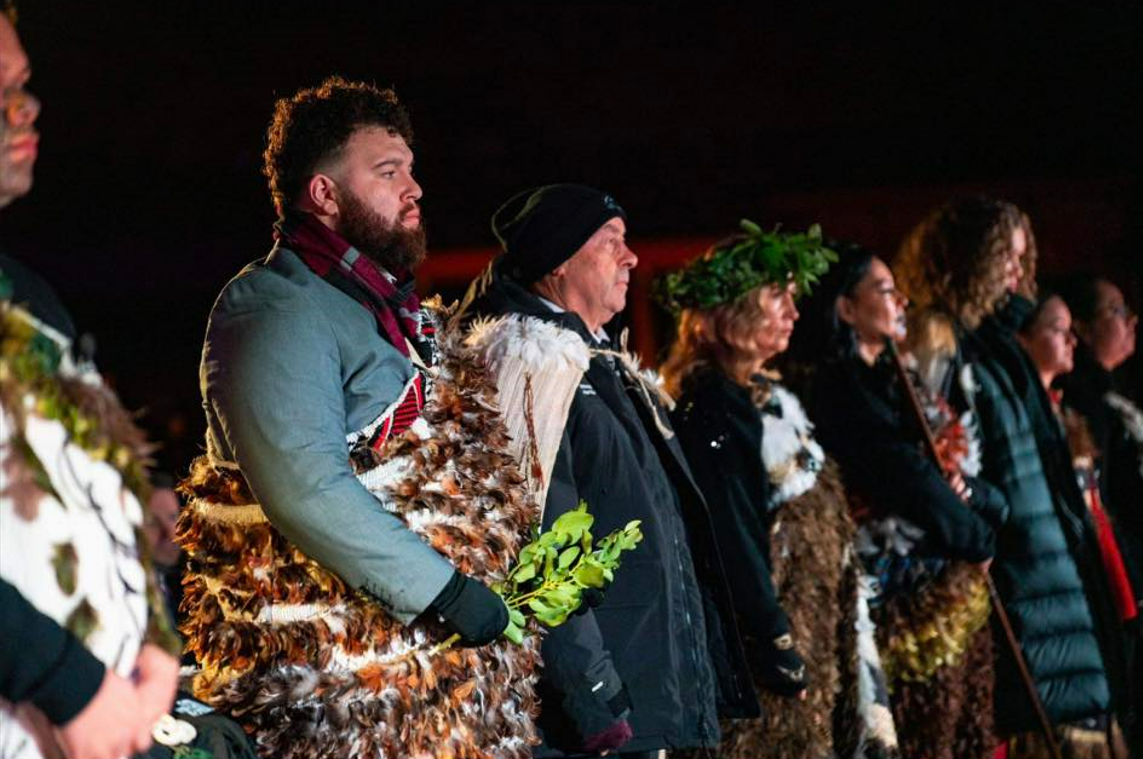
Ko Kare Tipa tōku ikoa, my ancestry comes from many hapū of Kāi Tahu iwi: (Kāti Ruahikihiki, Kāti Hāteatea,Kāi Te Aotaumarewa, Hinematua, Kāi Tuke, Kāti Huirapa, Kāti Rakiāmoa, Kāi Tuahuriri, Kāti Hinemihi, Kāti Wairaki, Kāti Urihia On Friday 28 June I was honoured to be part of the Kāhui Kairuruku, a collective of language and cultural practitioners that delivered 13 karakia as part of the national Hautapu ceremony held 2,008m above sea level, adjacent to the mighty ranges of Kā Tiritiri O Te Moana, on a pituresque mountain widely known as Treble Cone. Matariki allows us to reflect on whānau and experiences at a time when we welcome the new year. It is also a time to farewell the old, the past year gone.
It was appropriate to hold the hautapu ceremony in Wānaka. Māori history tells of Wānaka where early iwi, in particular ‘Waitaha’, assembled for learning of tribal lore. Wānaka is Kāi tahu alternative form of the word ‘wānanga’ referring to the ancient schools of learning. The area boasts of rocky alpines, tussock foliage and lakes dug out from the eponymous ancestor Rākaihautū. From the ski field on Treble Cone, one is able to feast eyes on the visible features of the land, the aesthetic appeal formed by the digging stick of Rākaihautū. Lakes dug out in Te Waipounamu are known as Kā Puna Karikari a Rākaihatū (the springs of water dug by Rākaihautū).
From ancestoral acts of the past to what is experienced today, Kāti Ruahikihiki descandants (the kairuruku for the hautapu) are made up primarily of young language assailants raised in the Kāi Tahu language revitalisation strategy: Kotahi Mano Kāika (KMK). KMK leads the charge to reinvigorate our language within Kāi Tahu homes and communities. It is a 25 year old strategy which aims to have at least 1000 Kāi Tahu kāika speaking te reo Māori by 2025.
As a practitioner, I have been both a beneficiary of and contributor to KMK. My children and grandson are part of the collective to revitalise and change the narrative with language normalisation here in Te Waipounamu. To be apart of the collective with our young adults is a tremendous highlight for me as a hākui in the strategy. The Hautapu ceremony is shared with a different iwi annually, this recent ceremony is historical for Kāi Tahu, it highlights the language strategy in action alive and vibrant, it sets a precedence of first language speakers who can conduct formal tikaka in te reo. I may not be here to stand with this collective when the Hautapu returns to Kāi Tahu iwi in the future, but I’m proud to have had this moment of standing with first language speakers adding to the histories of today.
Inaugural Te Tumu Symposium a showcase of diverse research excellence
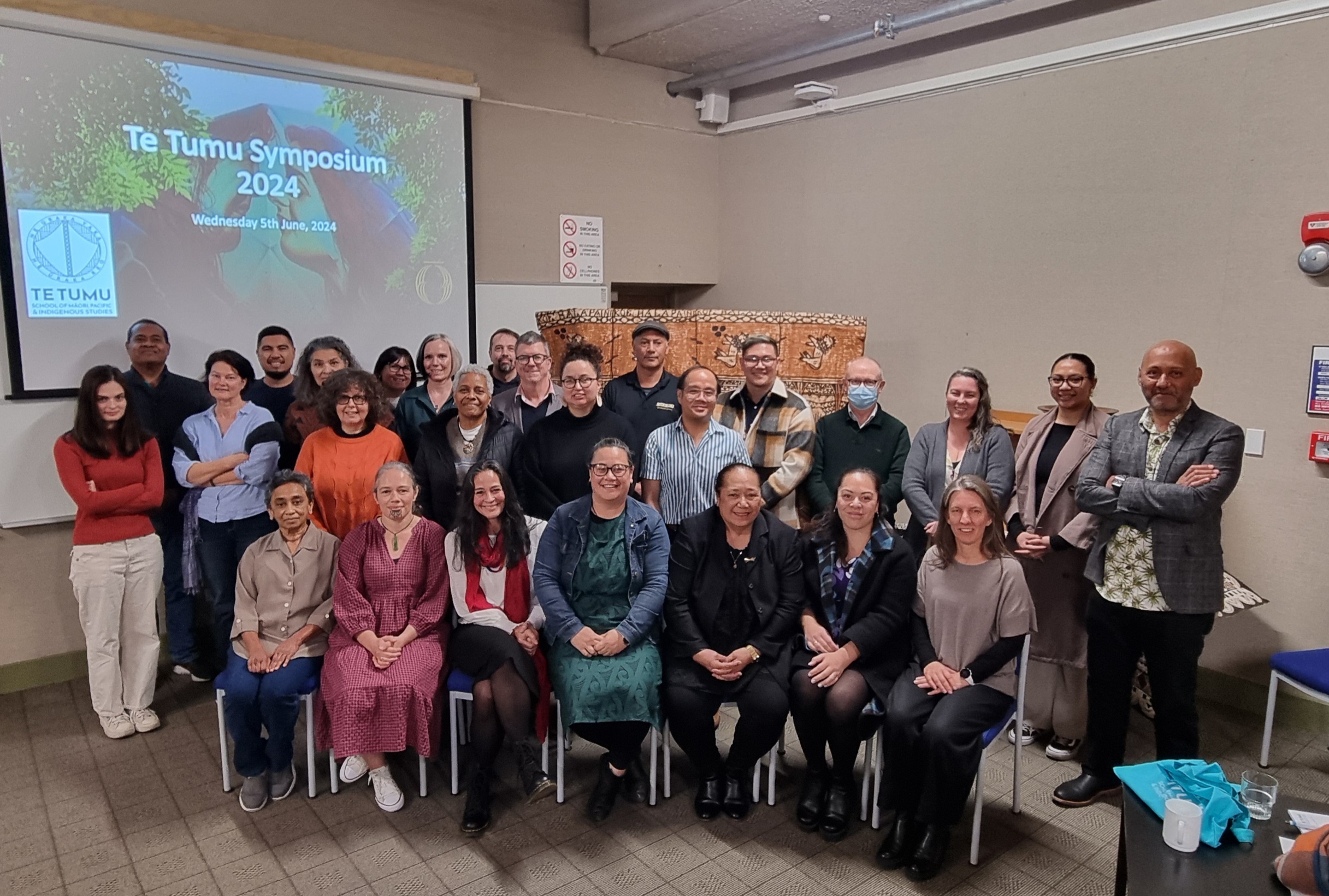
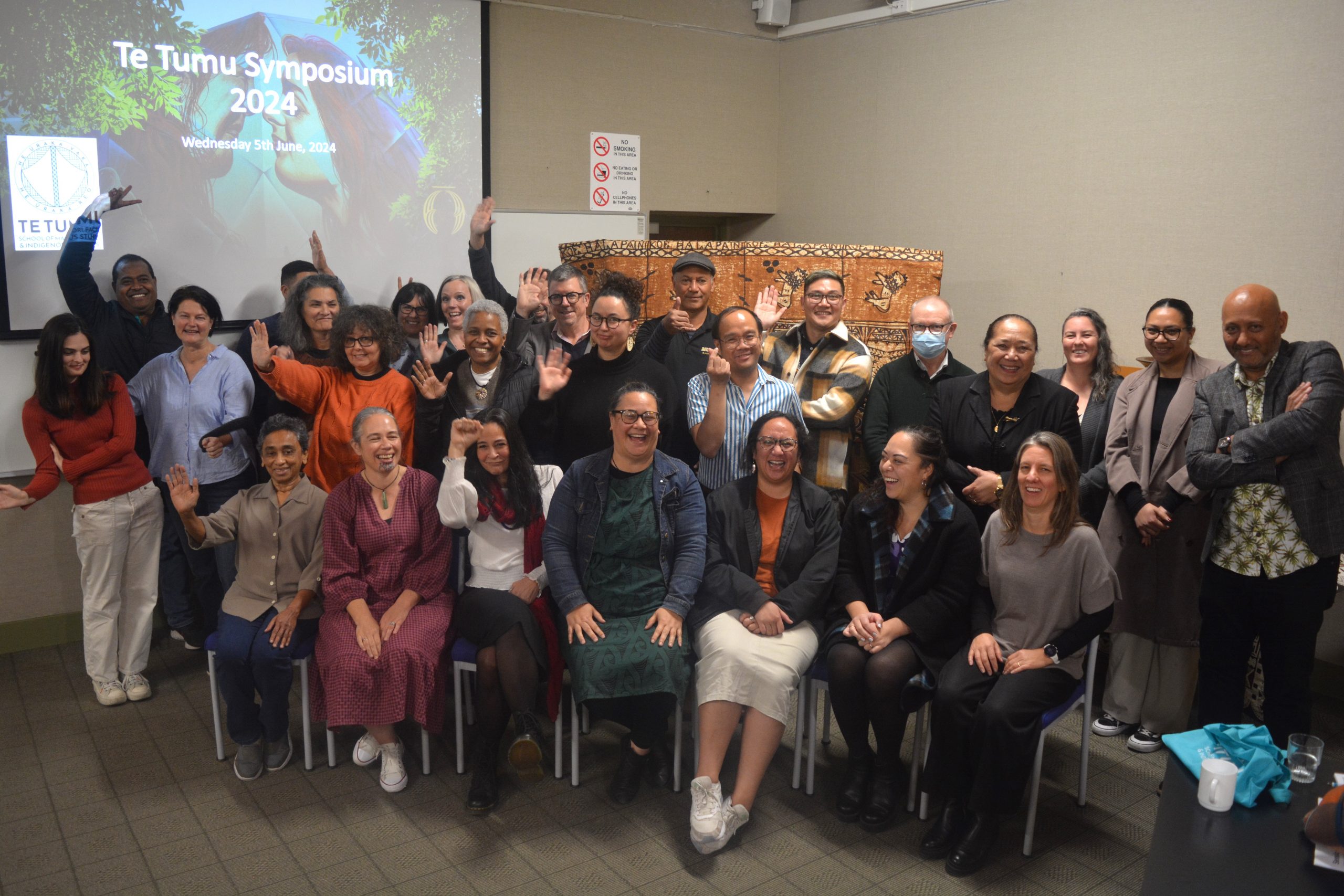
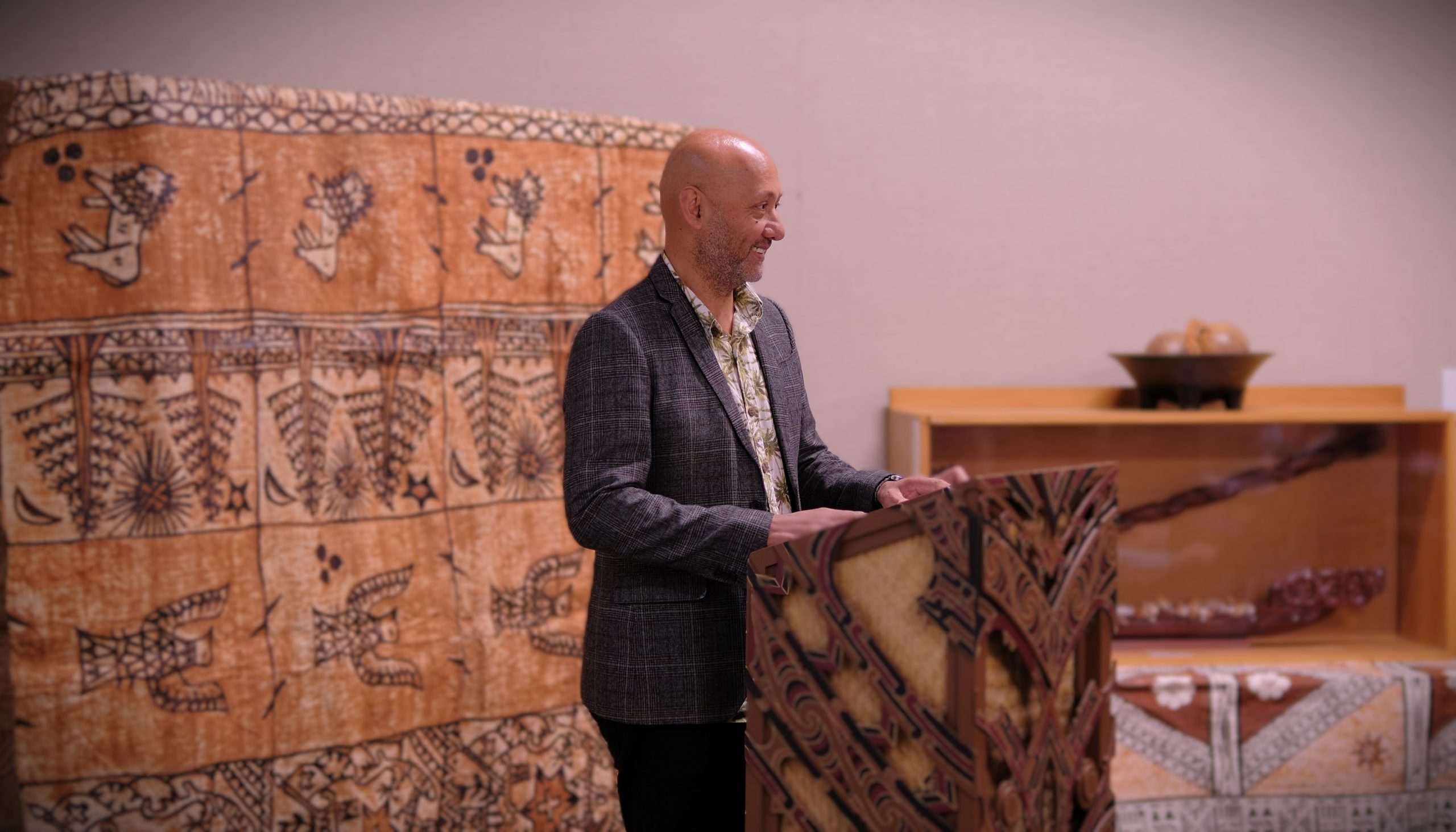
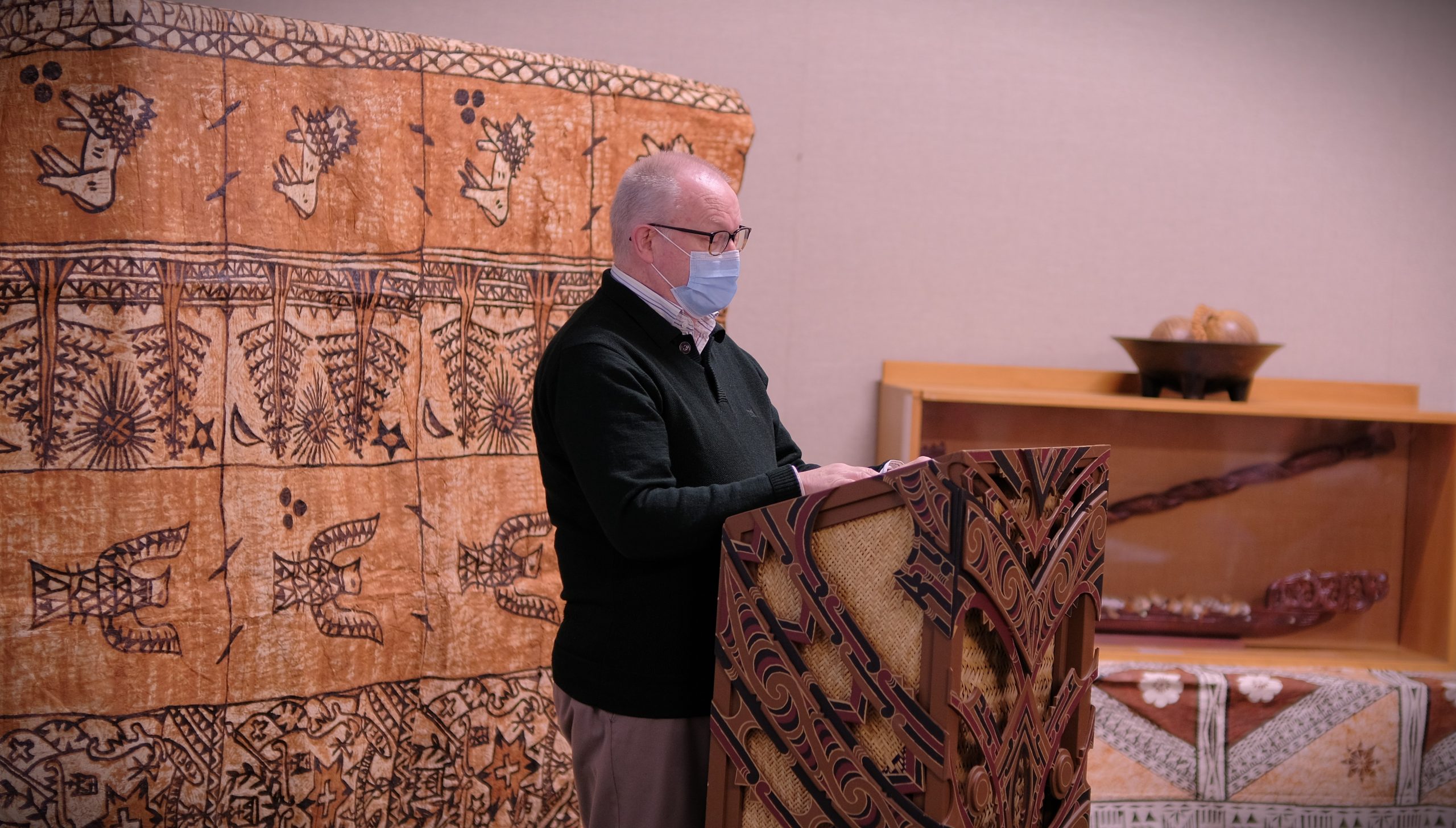
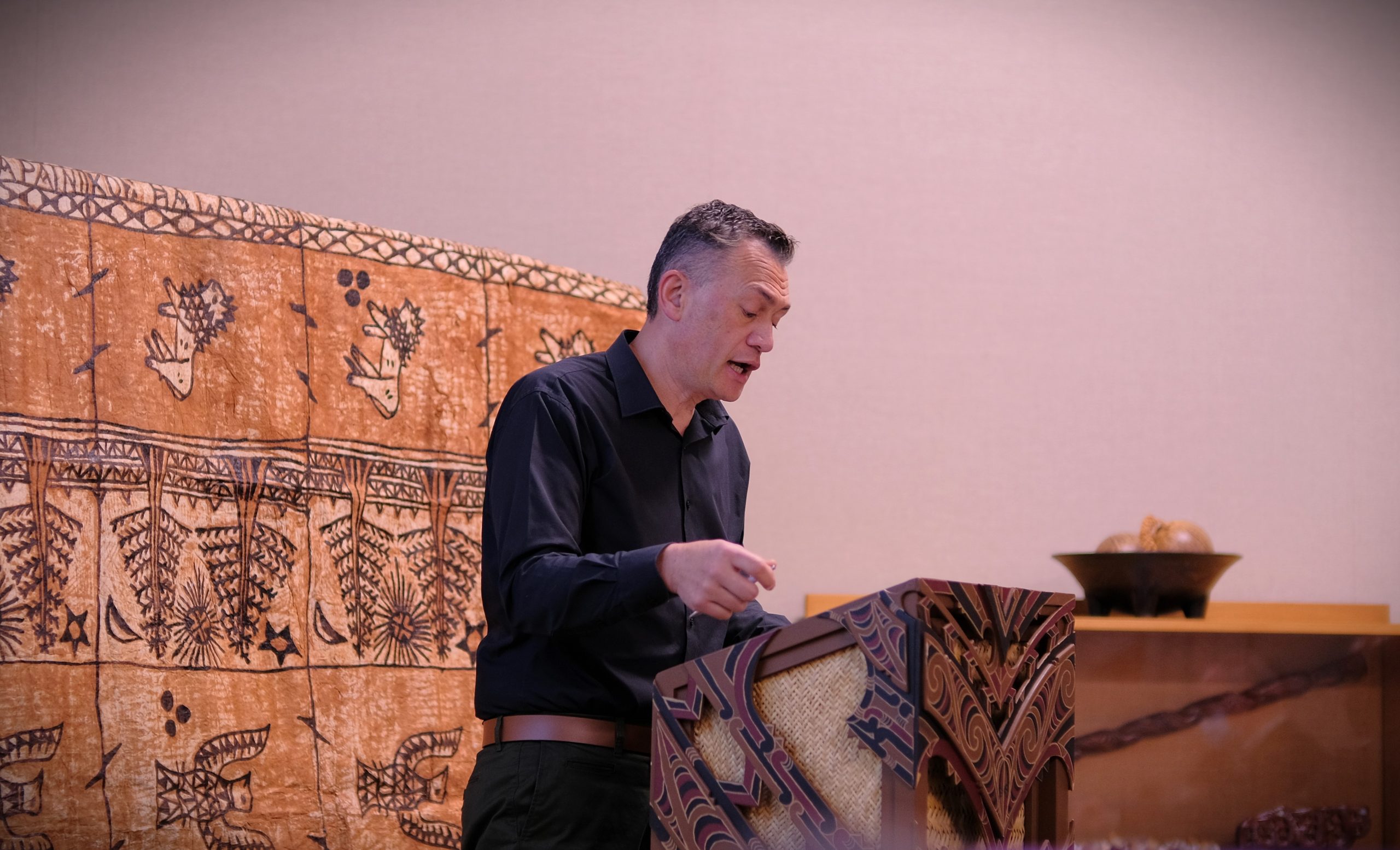
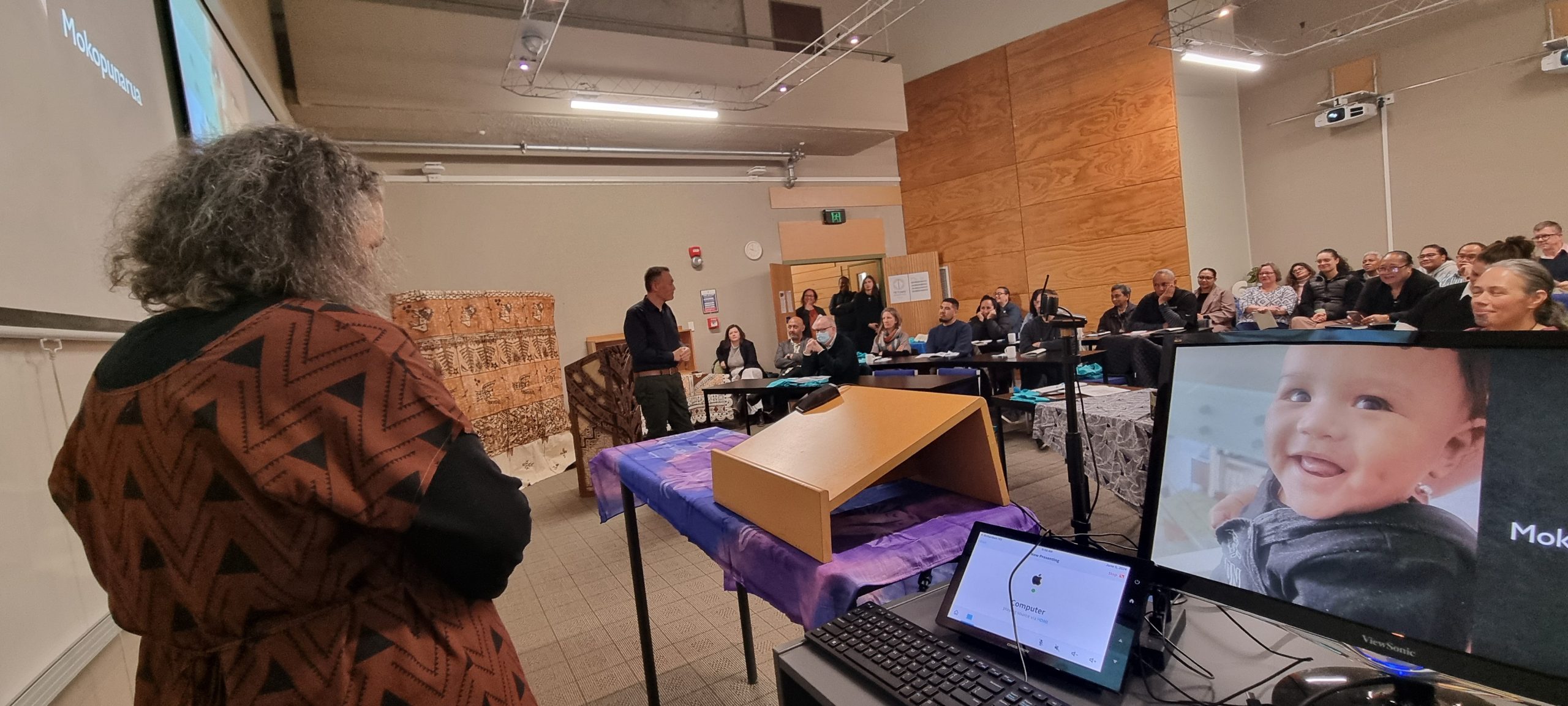
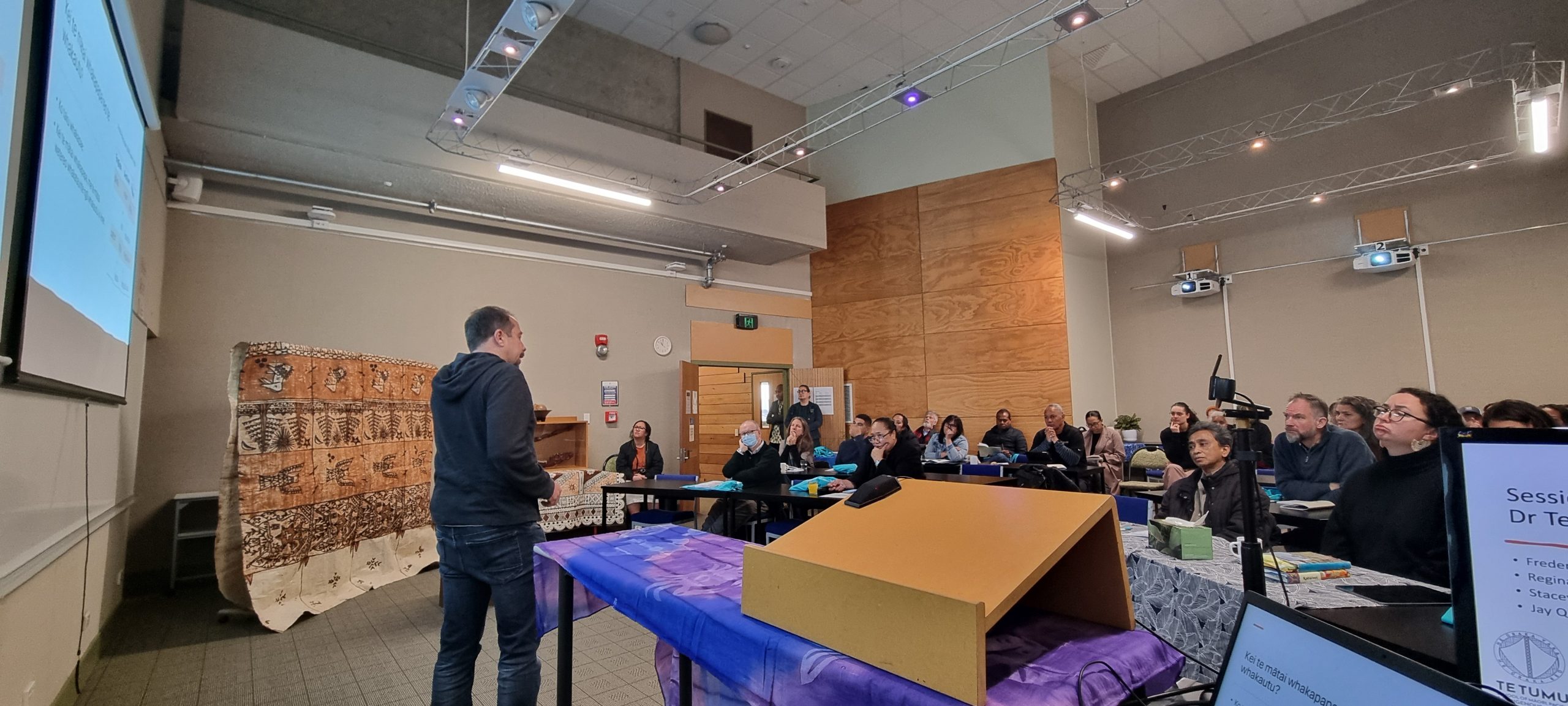
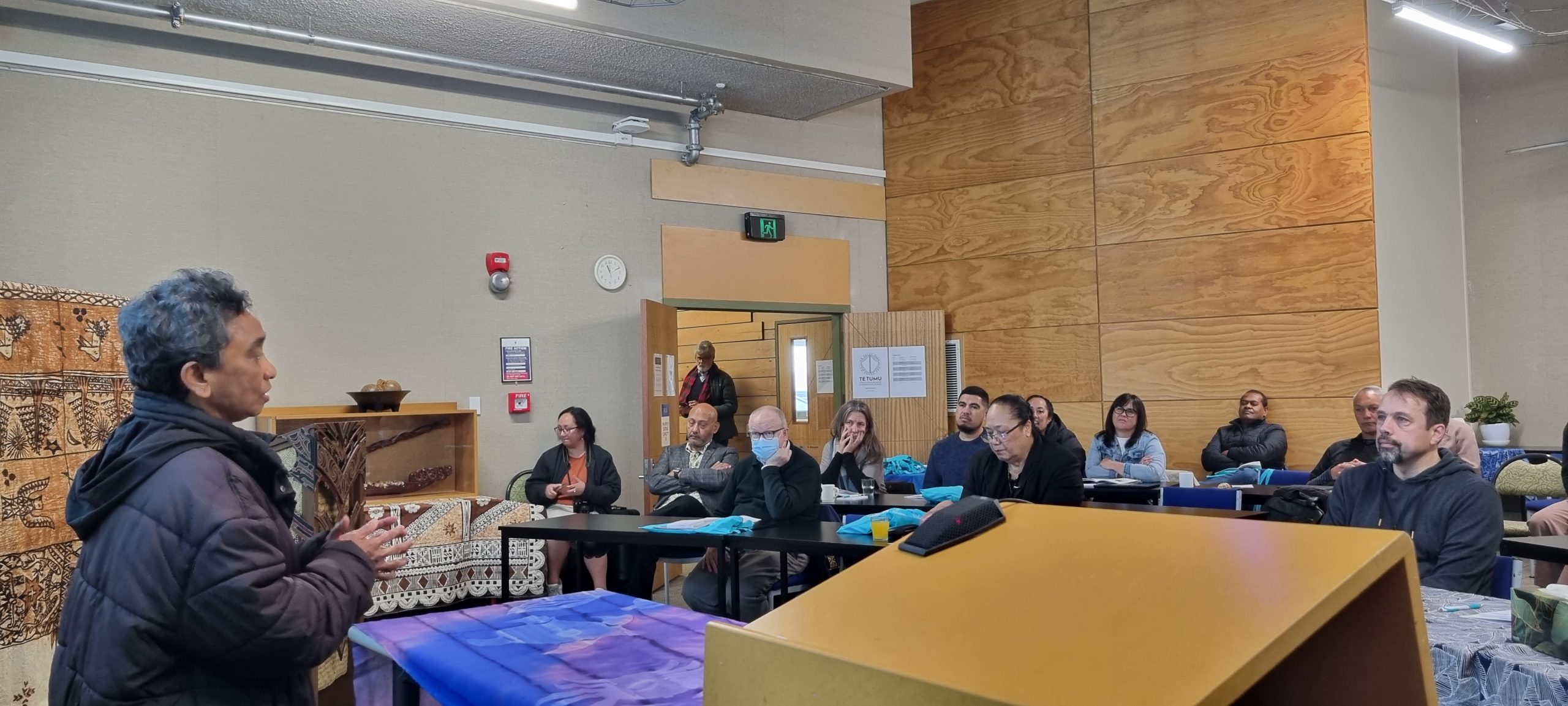
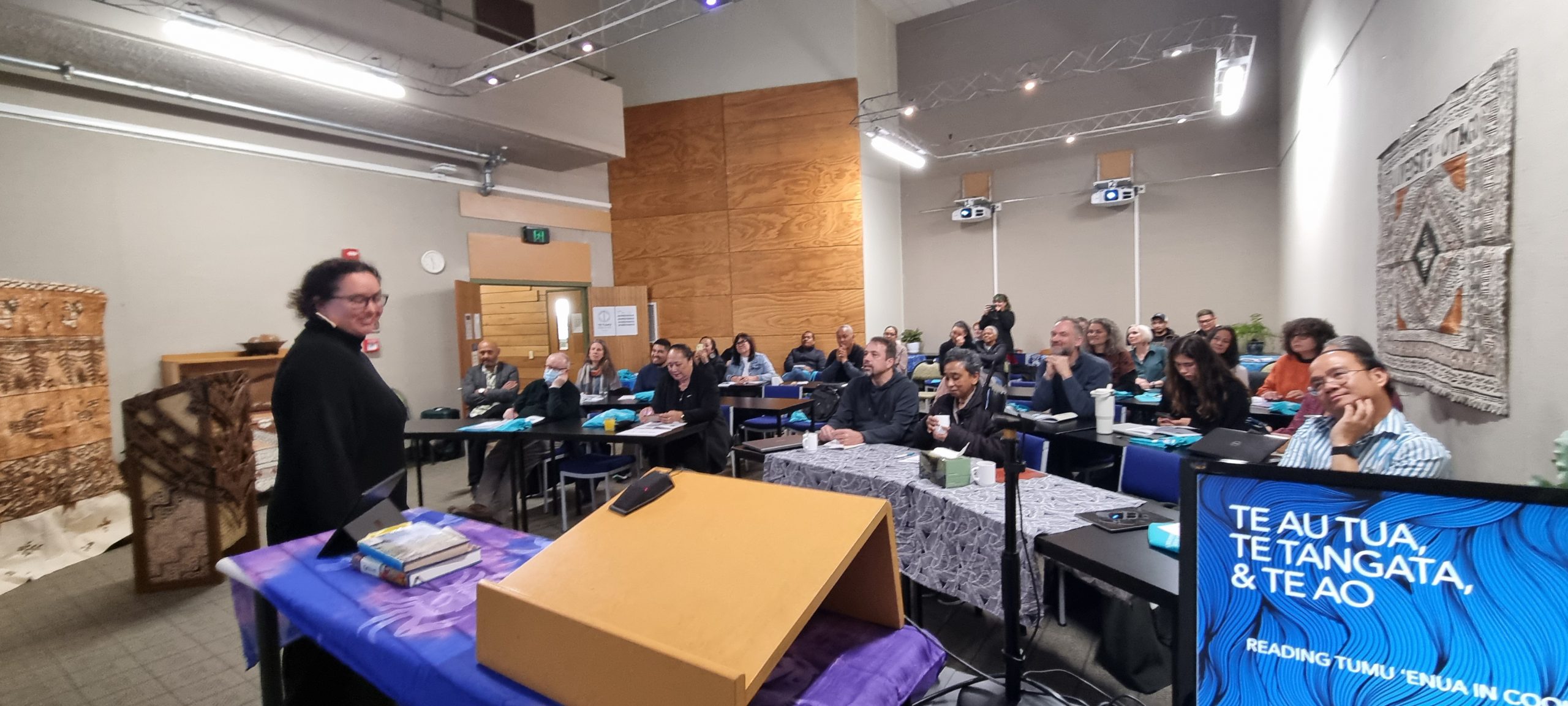
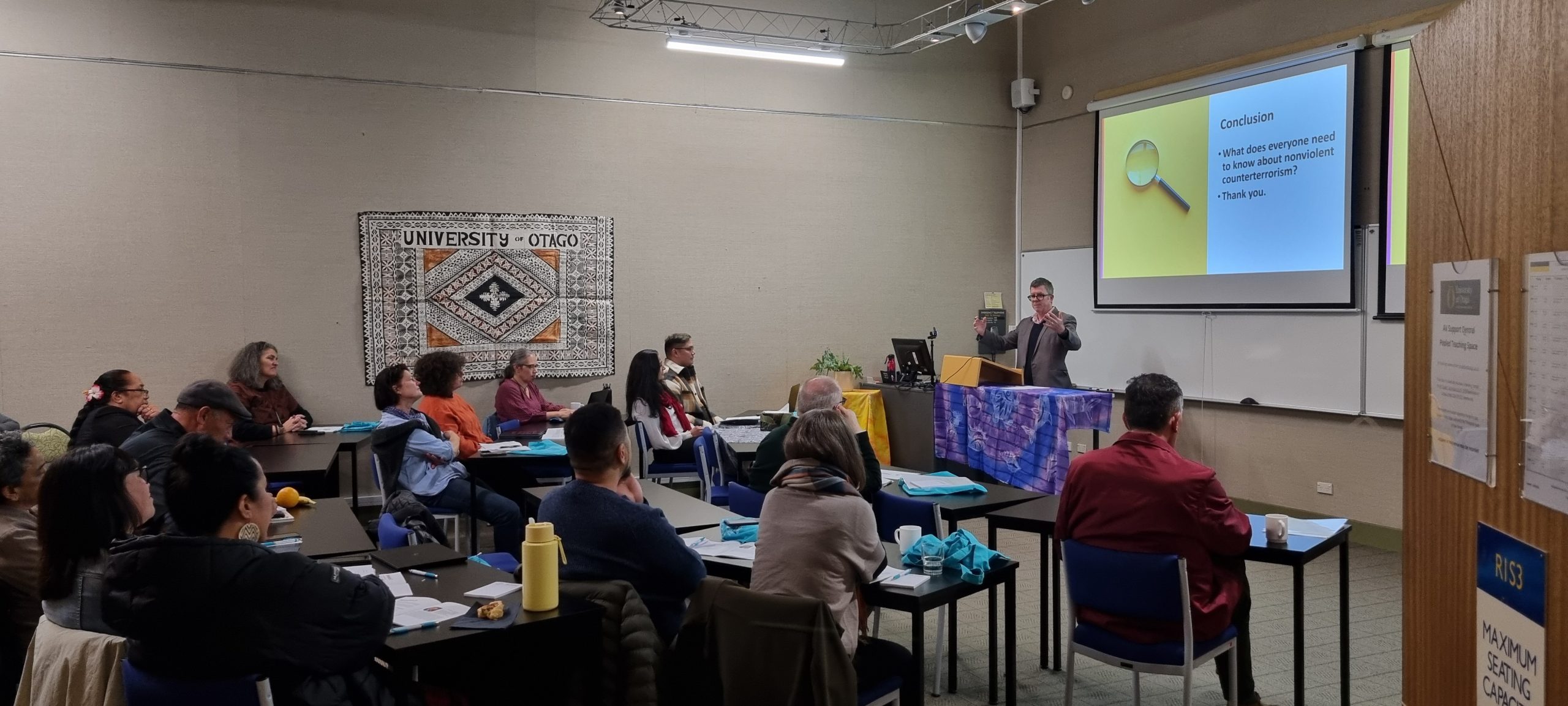
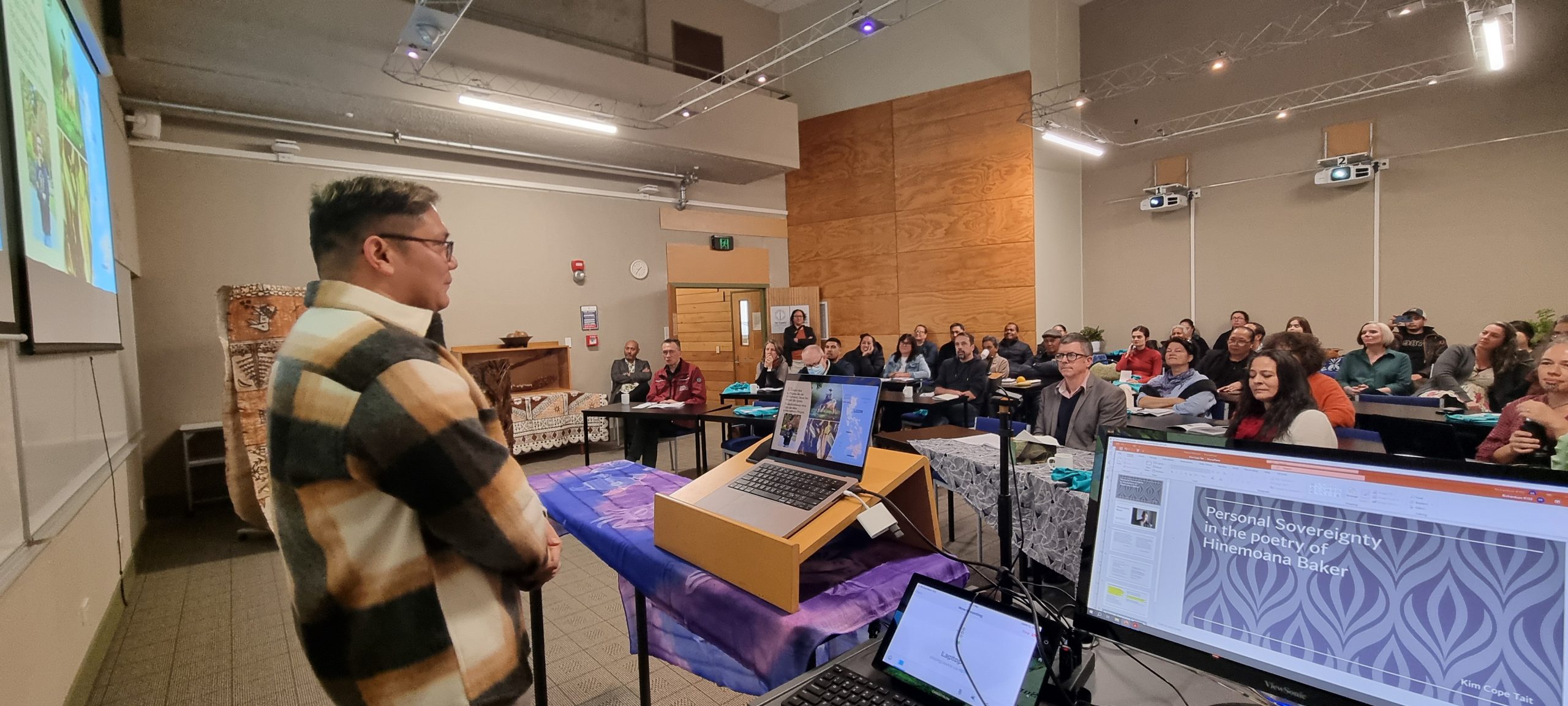
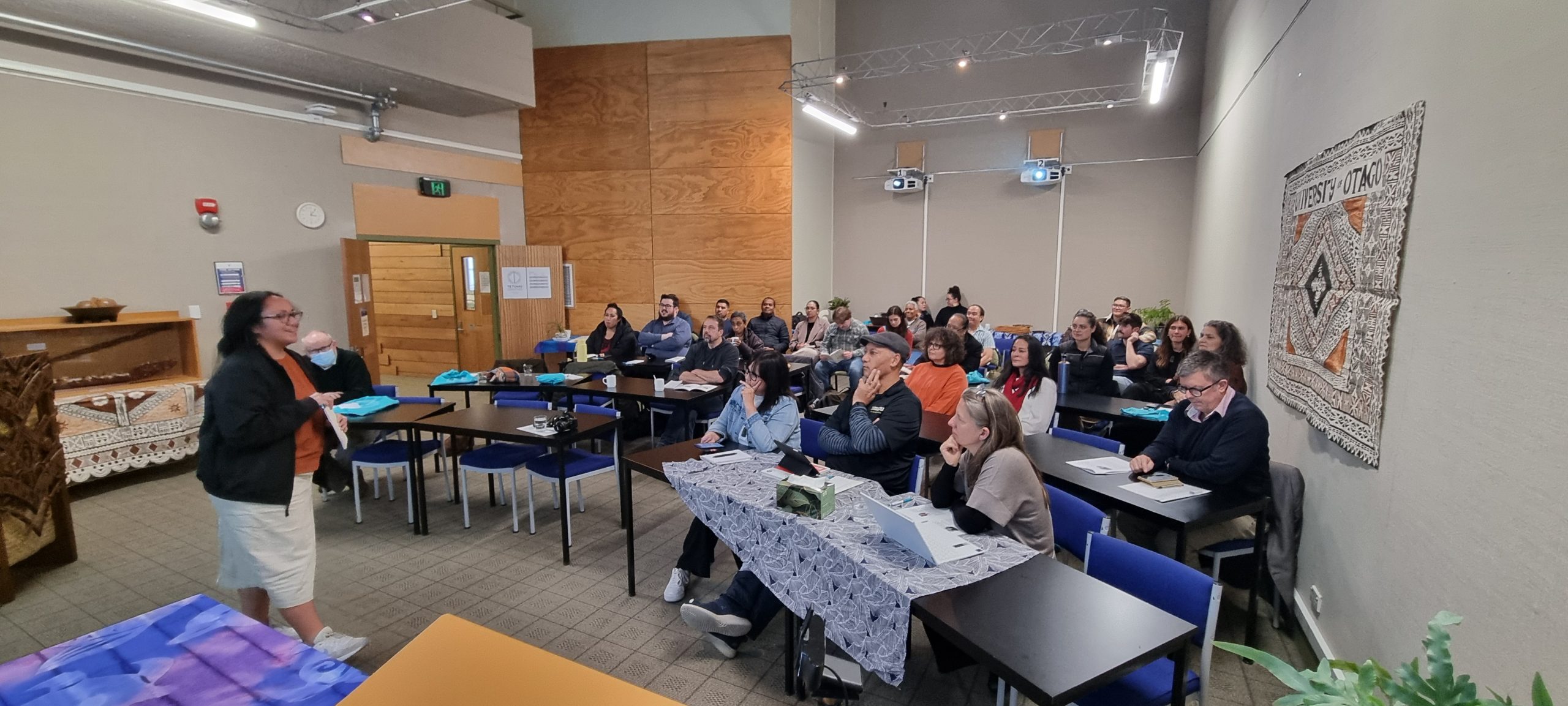
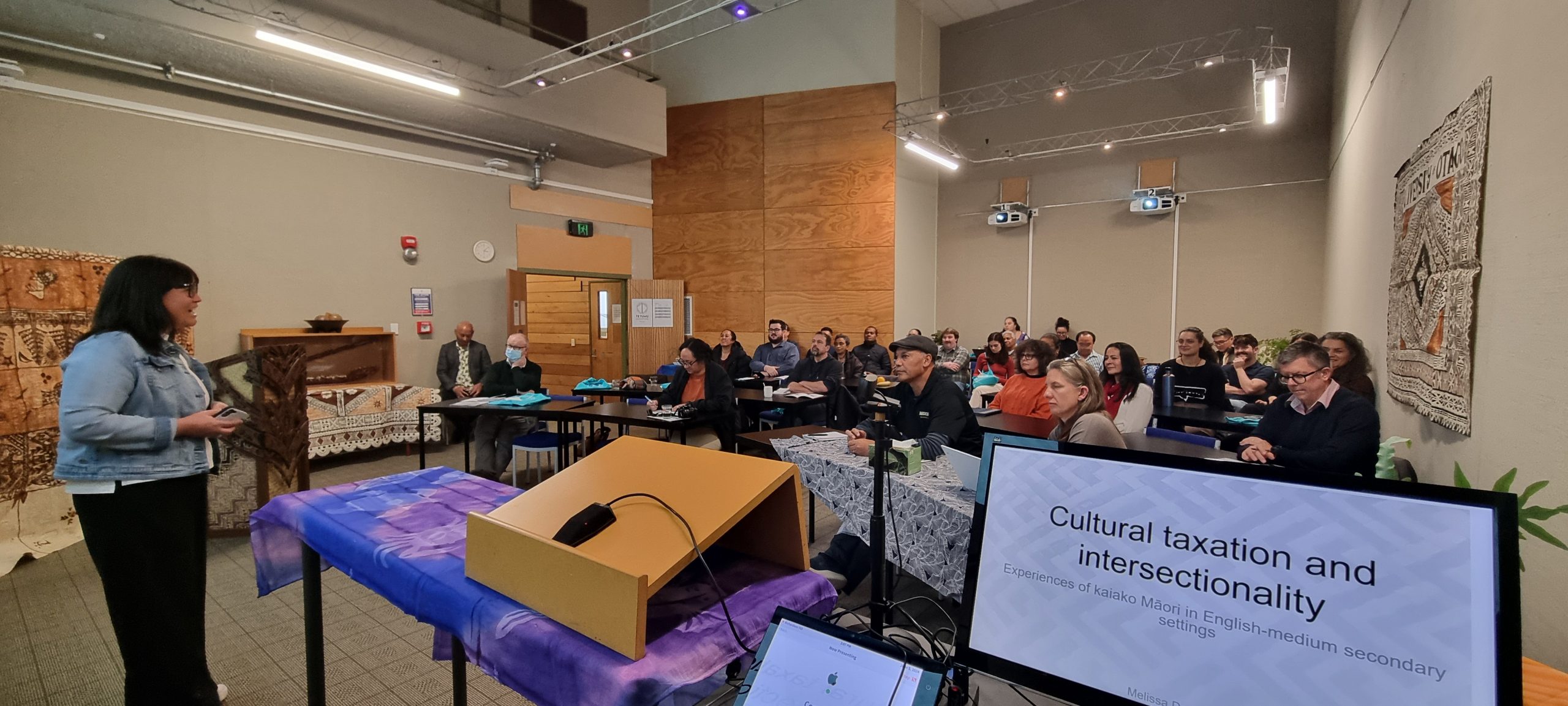
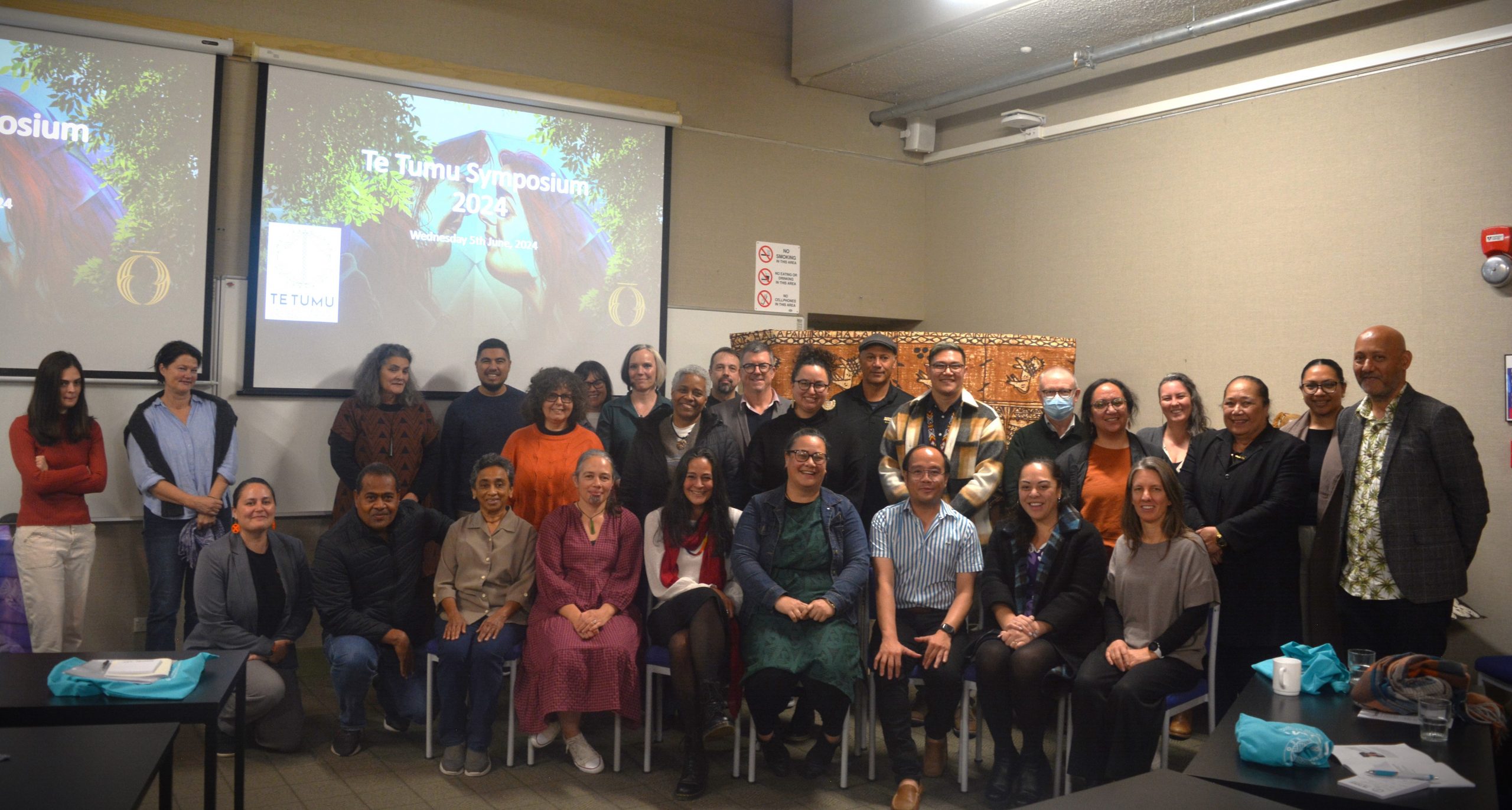
On Wednesday 5 June, Te Tumu, School of Māori, Pacific and Indigenous Studies, hosted its inaugural research symposium to share and celebrate research from Te Tumu. The day began with a welcome from Te Tumu Dean Prof Patrick Vakaoti and a history of Te Tumu from Prof Michael Reilly. The programme included four sessions of Te Tumu staff and postgraduate students’ presentations, constructive question and answers segments, feedback, and encouragement.
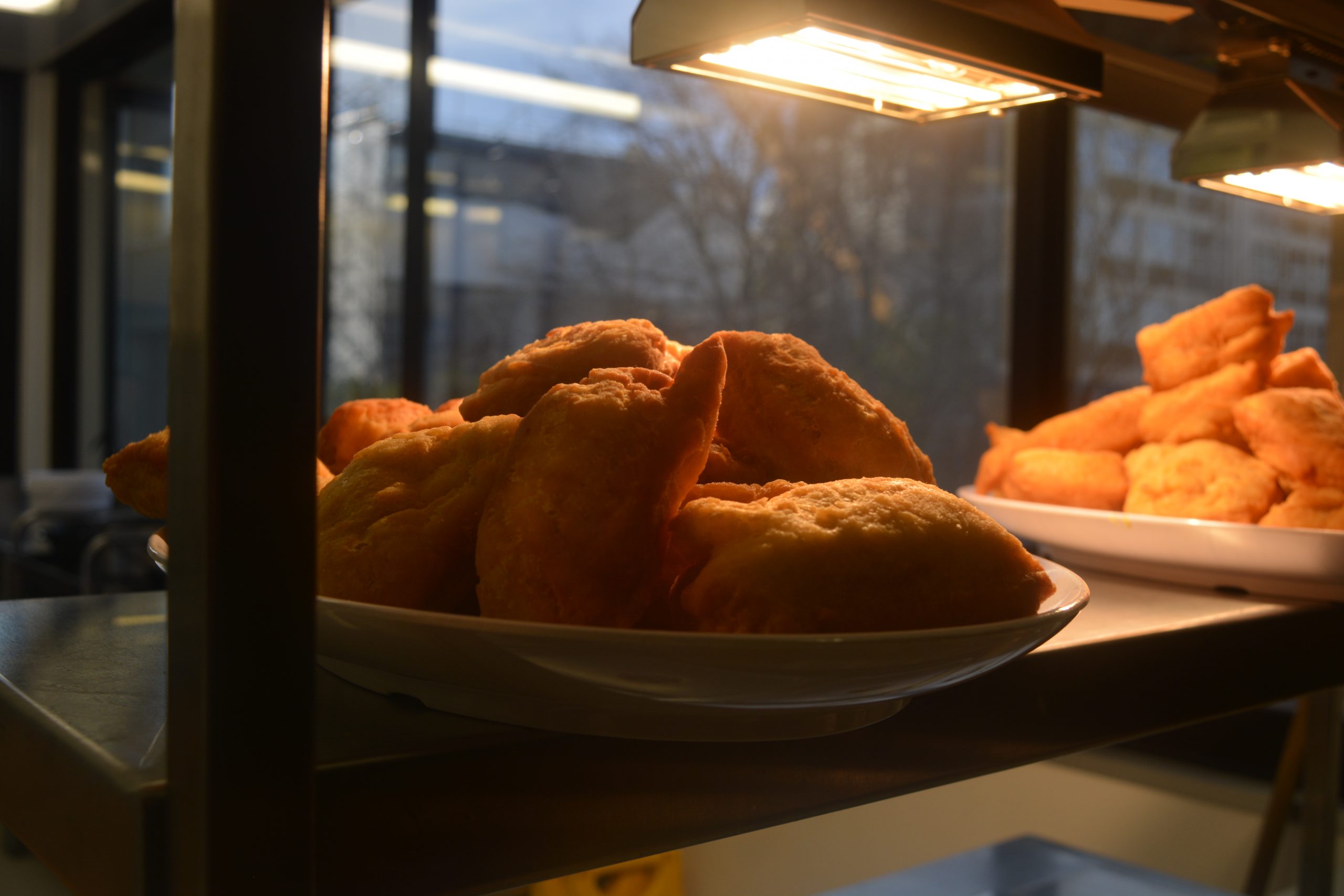
Supported by Te Tumu’s Research Committee and Postgraduate Committee, the event welcomed attendance from those who are based in Ōtepoti, as well as distance students who are based in Te Whanganui ā Tara, and as far afield as New Caledonia. With special Tītī and fry bread kai, this gathering was truly an inspiring occasion and speaks to exciting research work that Te Tumu staff and students are doing locally, and regionally that are important contributions for their communities, and for the growth of Māori, Pacific and Indigenous Studies scholarship.
Session 1 was facilitated by Dr Paerau Warbrick, a lecturer in Māori Studies, and included presentations by Te Tumu staff member Paia Taani on intergenerational language transmission; and PhD students, Jenni Tupu who presented about transracial adoption, and Ella Cameron-Smith who presented on Ngaati Korokii Kahukura kai identities.
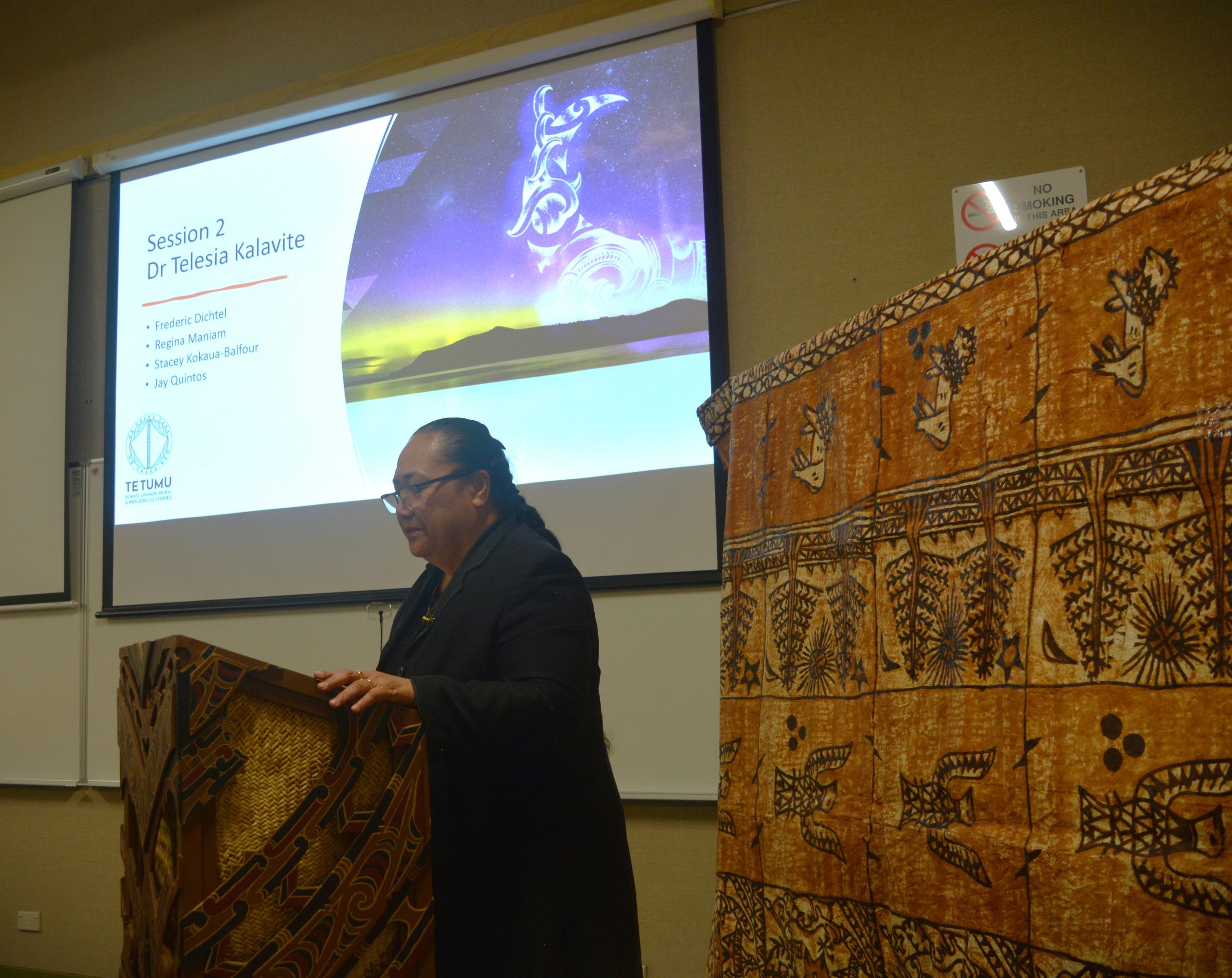
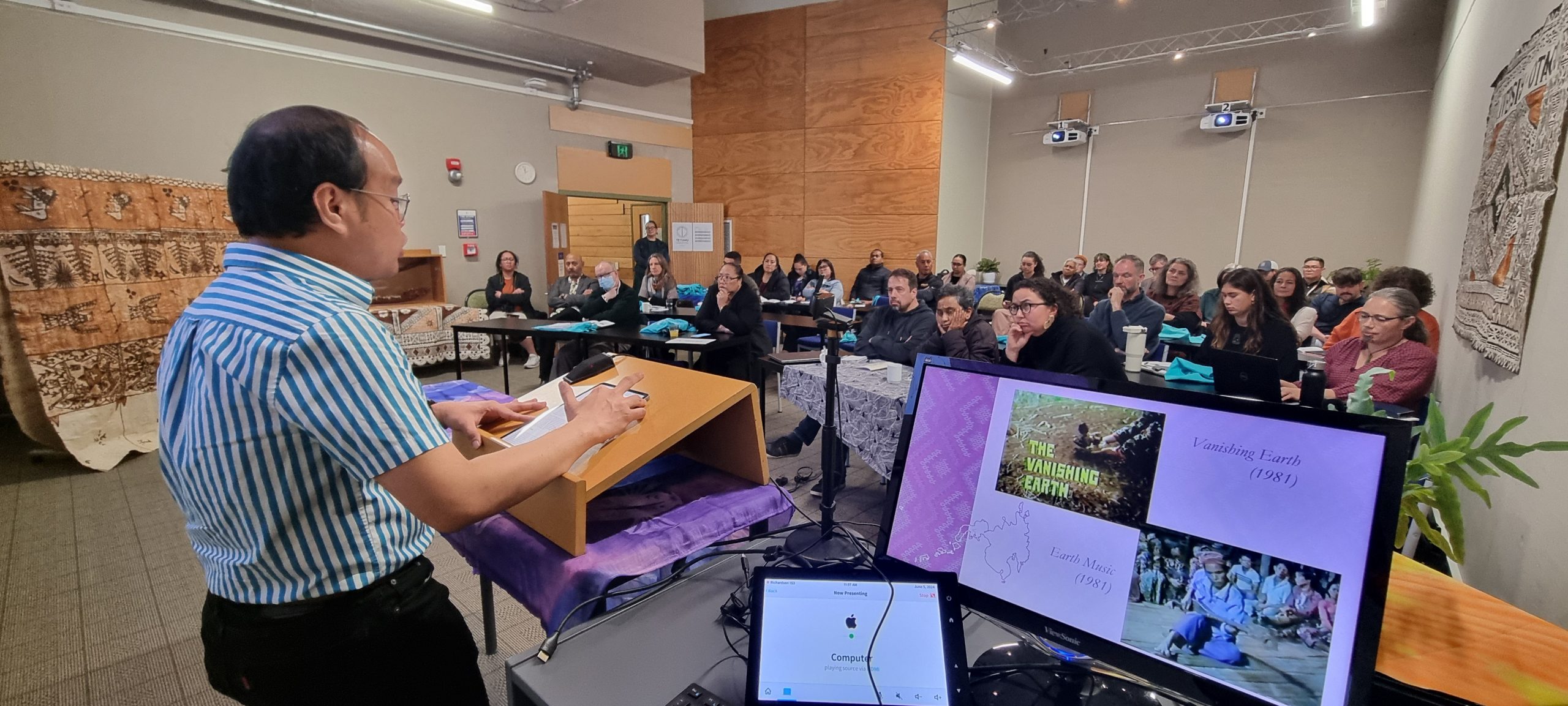
Session 2 was facilitated by Dr Telesia Kalavite, a lecturer in Pacific Studies, and included presentations by four PhD students: Frédéric Dichtel who presented on te reo grammatical structures; Regina Maniam who presented on engaging Indigenous values and methods in doctoral research; Stacey Kokaua-Balfour who presented on Cook Islands’ creative texts relating to the environment and climate change; and Jay Quintos who presented on critical perspectives on films about the Tboli people in the Philippines.
Session 3 was facilitated by Prof Michael Reilly, the Postgraduate Chair of Te Tumu. The session included staff member Prof Richard Jackson who presented on non-violent approaches to counterterrorism, and two PhD students: Jude Bautista who presented on visual social semiotics and critical lenses in discourse analyses; Kim Cope Tait who presented on personal sovereignty in the poetry of Hinemoana Baker.
Session 4 was facilitated by Dr Emma Powell, lecturer in Indigenous Studies and Programme Coordinator of the Master of Indigenous Studies (MIndS). The session included three MIndS distance students: Melissa Denzler, based in Te Whanganui ā Tara who presented on the cultural taxation of kaiako Māori; Elizabeth Hamilton, based in Whakatū, who presented on a approach for honouring Te Tiriti specifically relating to language learning policies for migrants and former refugees; and James Uri-Puati, based in the Cook Islands, who presented on a critical Indigenous framework for theorising second language learning.







Early career Cook Island researchers shine at the Pacific Islands Universities Network Conference 2023 ki Rarotonga
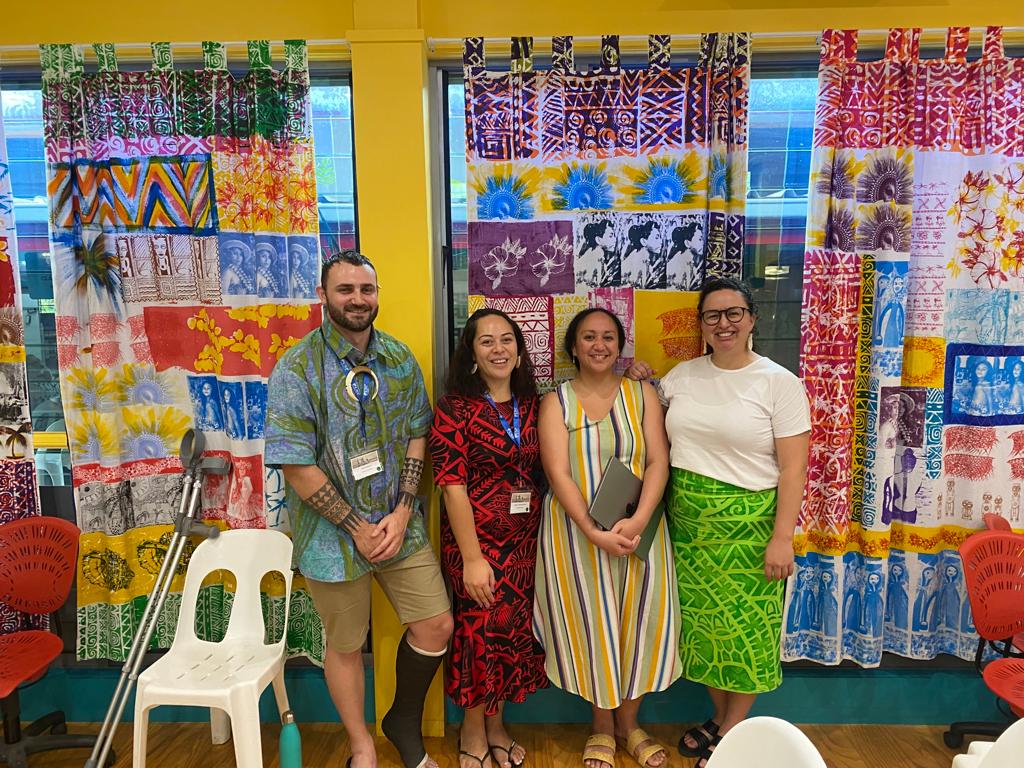
L-R: Cook Islands scholars Liam Koka’ua, Inano Taripo Walter, Dr Emma Powell, Stacey Koka’ua Balfour
Dr Emma Powell writes about her recent trip to Rarotonga for the 2023 Pacific Islands Universities Network Conference.
Established in 2012, the Pacific Islands Universities Network (PIURN) Conference was intended to “enable closer and meaningful collaboration” amongst a consortium of 14 universities located in the island-Pacific. Rarotonga was chosen as the location for the networks 5th meeting and several doctoral students and Otago staff travelled to the Cook Islands to participate in the regional conference on 4-6 July 2023.
Dr Emma Powell arranged a special session for Cook Islands early career researchers on 6 July local time. Inspired by the arrangement of a festschrift for Cook Islands scholar and educator, the late Dr Marjorie Crocombe, during the conference, the session was intended to honour an pioneering generation of scholars, many of whom were mentored by Dr Crocombe, and signal new turns in Cook Islands scholarship from a swelling critical mass of new Cook Islands researchers.
Inano Taripo Walter, who is a Cook Islands doctoral candidate with secondary supervision at Te Tumu, presented on the role of va‘ine Māori within the land court. She discussed the importance of piri‘anga (relationships), ‘akapapa‘anga (genealogies) and mana to understanding the significance of women in the arbitration of ‘enua (land) within Cook Islands society. Stacey Kokaua, a Cook Islands doctoral candidate in Otago’s English department, presented her early stages of research into Cook Islands Māori theoretical responses to ecocriticsm within literary studies. Liam Kokaua, a graduate of the University of Auckland’s Masters of Indigenous Studies programme, shared compelling research he’d undertaken about the pae maunga on Rarotonga. Liam has produced material for screen and a book that makes accessible ancient and new knowledge about tupuna maunga in the Cook Islands.
The session was well-attended by other Cook Islands and Pacific delegates. The Q&A session was engaging and the panel received an overwhelming number of questions and comments that showed enthuasism both for their respective projects and the wider project of Cook Islands scholarship.
Unexpectedly and with sadness, the session seemed even more poignant with the surprise passing of legendary Cook Islands scholar, musician, writer and public servant, Professor Jon Jonassen, on the first day of the PIURN Conference. Professor Jonassen was widely acknowledged as an expert on Cook Islands peu Māori (cultural traditions), tua ta‘ito (ancients stories) and the Cook Islands drumming tradition. His passing during the conference was a shock to many attending and was felt sharply during the session.
Acknowledgements must also go to Univeristy of Otago colleagues who presented at the conference: Dr Moira Fortin Cornejo (Languages and Cultures) and Dr Jesse Kokaua & Dr Troy Ruhe (Va‘a o Tautai). Dr Powell also presented at the festschrift session for Dr Crocombe where she spoke to a brief paper titled: “That we may be proud of our heritage”, Marjorie Crocombe & Pacific Literature.
Te Poroāki o Lachy Paterson & te Pōhiri o Roma Donaldson-Gush
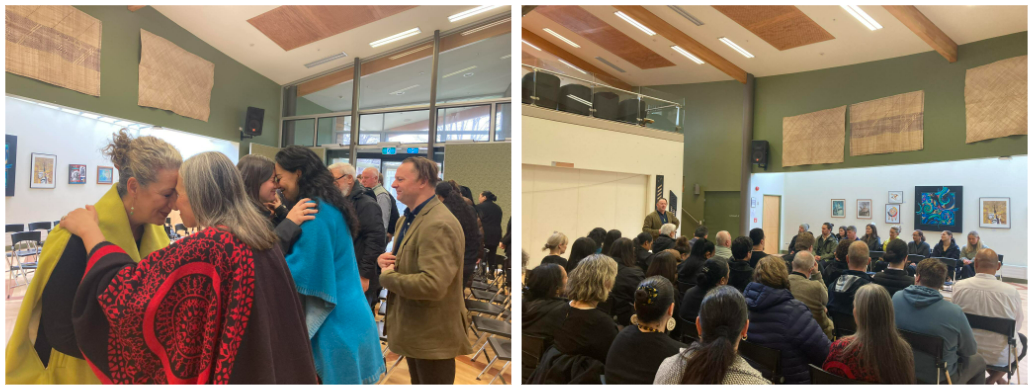
Last week Te Tumu celebrated well with the retirement of Emeritus Professor Lachy Paterson and the arrival of new Māori Studies pūkenga, Roma Donaldson-Gush. Roma, of Ngāti Porou, Taranaki, Ngāti Tūwharetoa, Kotirana descent, joins Te Tumu staff with a background in bilingualism and intergenerational language and culture transmission for Māori. Roma will be completing her PhD studies as well as teaching into the Māori Studies programme. She is a Te Tumu alumnus having previously completed postgraduate study looking at Te Reo Māori in urban New Zealand. The pōhiri, held on Wednesday 28 June, included representatives from Office of Māori Development, Te Huka Mātauraka, Te Rōpū Māori, staff from Te Tumu and the wider university. Roma was supported by her whānau, colleagues, and friends in a day filled with the celebration of new relationships and excitement for the future of Te Tumu.
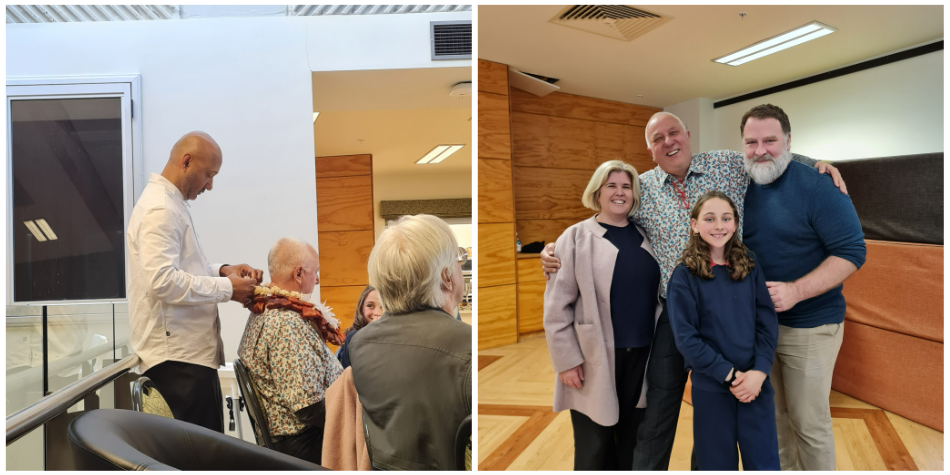
L: Dean of Te Tumu Patrick Vakaoti garlanding Lachy with a salusalu. R: Angela Wanhalla, Lachy Paterson and whānau
Ara mai he tētēkura, wehe atu he tētēkura. With a new frond beginning, a mature frond leaves.
With over 16 years of service as a teacher, mentor, friend, and conspirator, Lachy Paterson was farewelled in an intimate gathering of colleagues and whānau on Friday 30 June. Many spoke of the contributions Lachy has made to Māori Studies, Te Tumu and the university as a whole with several teaching, administration and leadership roles. Stories unfolded about his days as a student, teaching fellow and ultimately his unrelenting commitment to Te Tumu. Although it was a bittersweet day, Te Tumu looks forward to a continuing relationship with Lachy as an emeritus professor and eagerly await his future publications and foray into YouTube.
