

Unpacking the suitcase: some history of the Rehabilitation League
Post researched and written by David Murray, Archivist
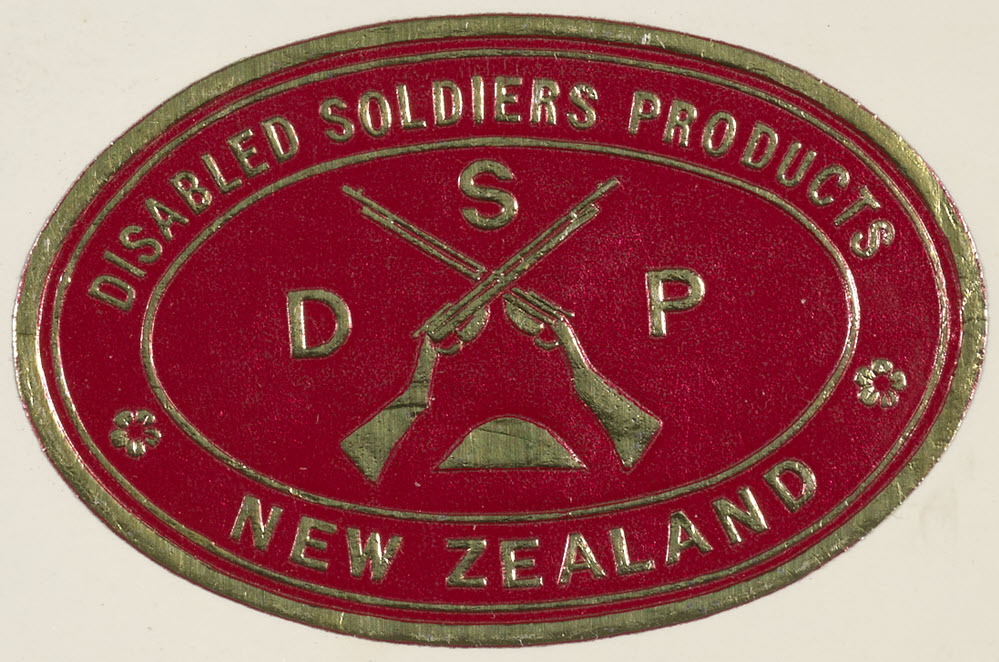
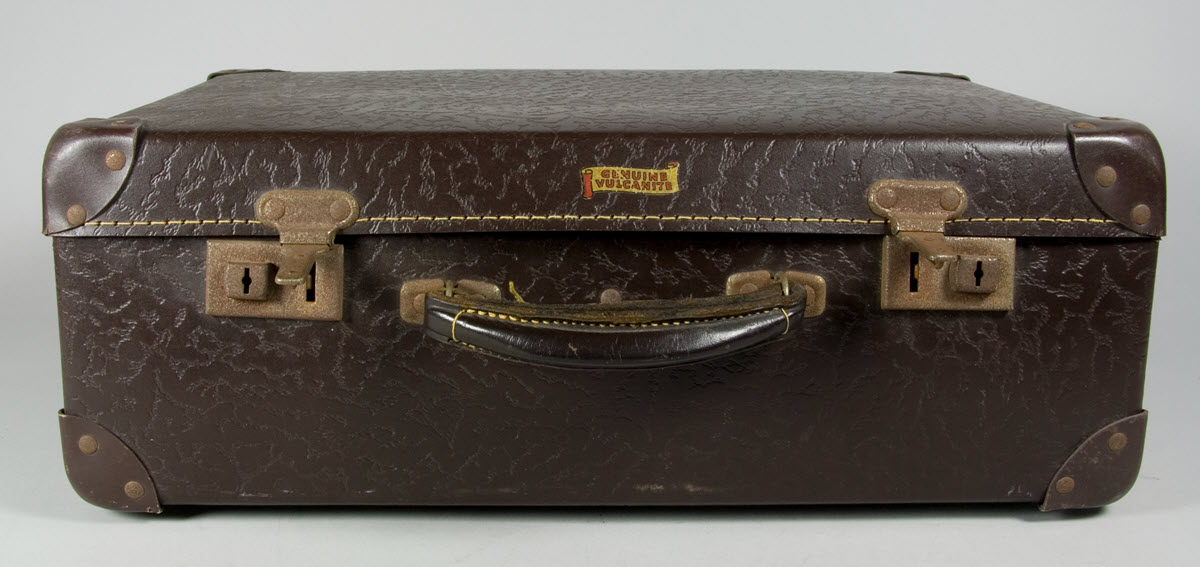
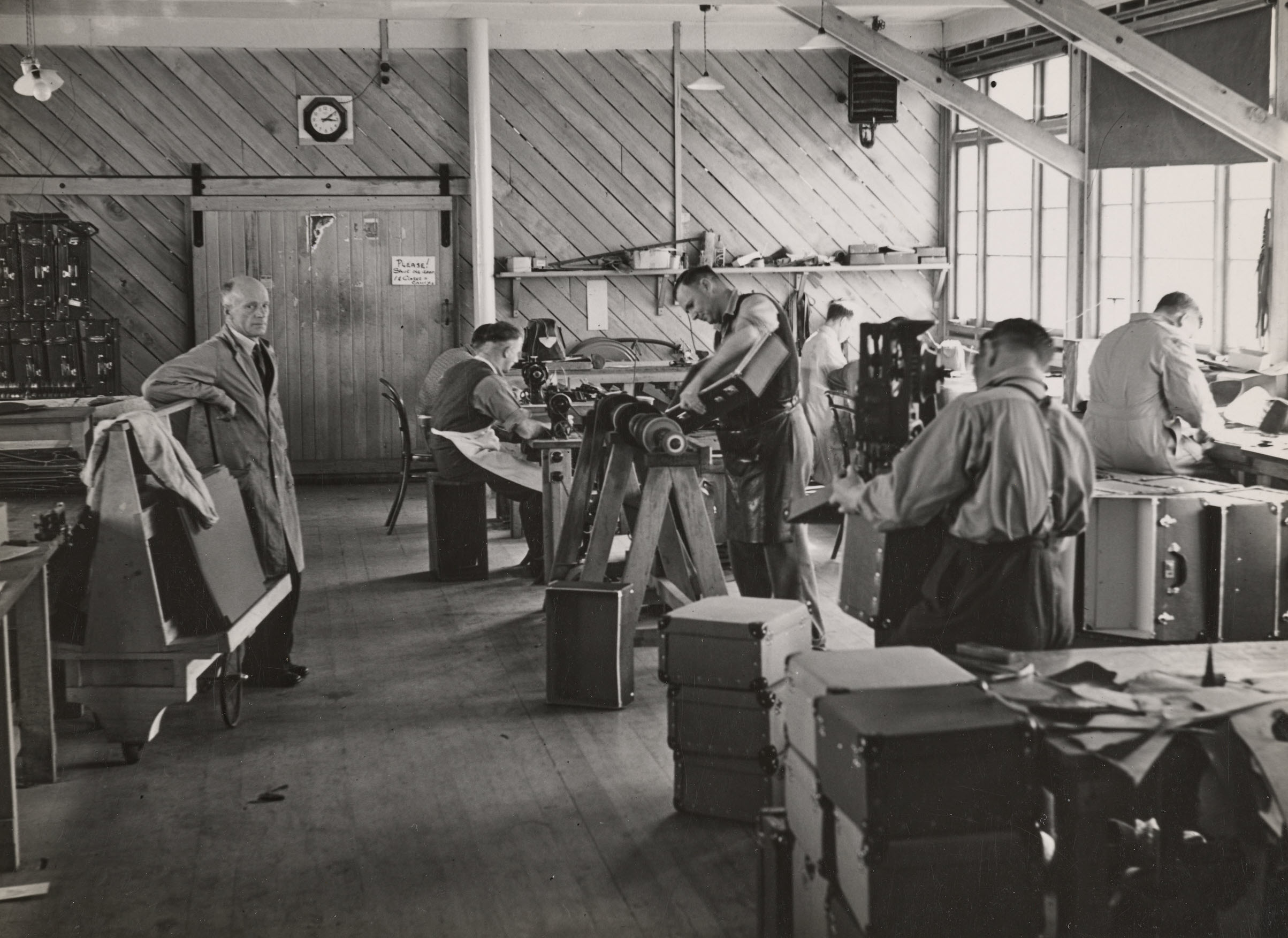
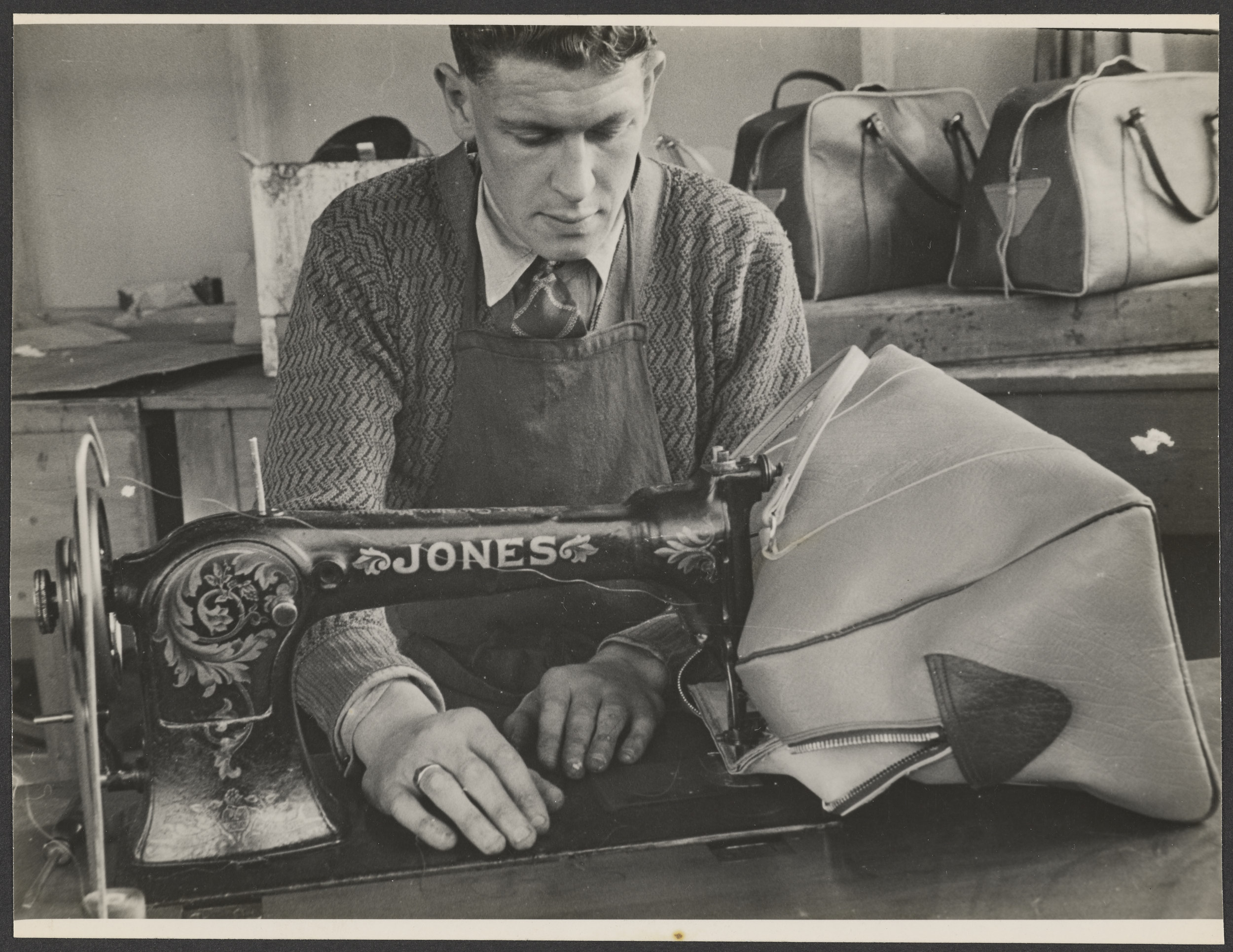
The suitcases made by Disabled Servicemens Products were popular luggage items for many years, and occasionally still turn up in secondhand shops. Sometimes made from leather, but more usually from a type of fibreboard called Vulcanite, examples can often be identified by a red and gold label with the manufacturer’s name and a symbol of a steel helmet beneath crossed rifles.
Records of the Dunedin Branch of the Rehabilitation League in the Hocken Collections tell something of the story behind these and other products, and of an organisation which began rehabilitating soldiers and evolved into a broader vocational assessment and training service.
In 1930, an Act of Parliament set up the Soldiers’ Civil Re-Establishment League. A national, semi-autonomous body, its district committees were empowered to make arrangements with employers for the employment of disabled soldiers, to establish and carry on schemes for vocational training, and to make payments to supplement earnings. The committees were made up of representatives from Government, the Returned Services’ Association, employers’ organisations, trade and labour councils, the Red Cross, and Patriotic Fund societies.
The first Dunedin workshop opened in Princes Street South in 1933. In 1935 it moved to a larger building off a back alley next to Speight’s Brewery. The League opened its own retail shop in George Street and items were produced under the name Disabled Soldiers Products. From 1939, all ex-members of the forces with disability became eligible for assistance. The name of the organisation changed to the Disabled Servicemen’s Rehabilitation League in 1941, and its production arm became Disabled Servicemens Products. The League was the agent of the Rehabilitation Board for the training and re-establishment of Second World War veterans. This meant that, after discharge, veterans could learn a trade such as basketmaking, carpentry and joinery, or cabinetmaking, and could apply for Government loans to rehabilitate themselves. If they were unable to do that, then positions in sheltered workshops were found where they could apply their skills to produce a wide range of goods for sale. The League was also appointed the agent to control and manage the making of artificial limbs.
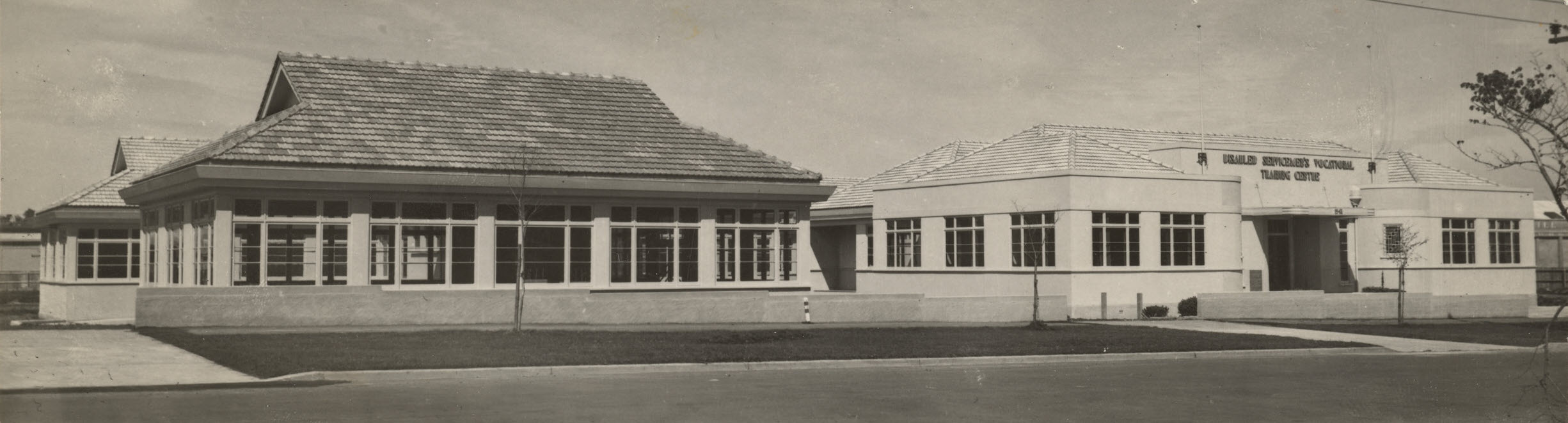
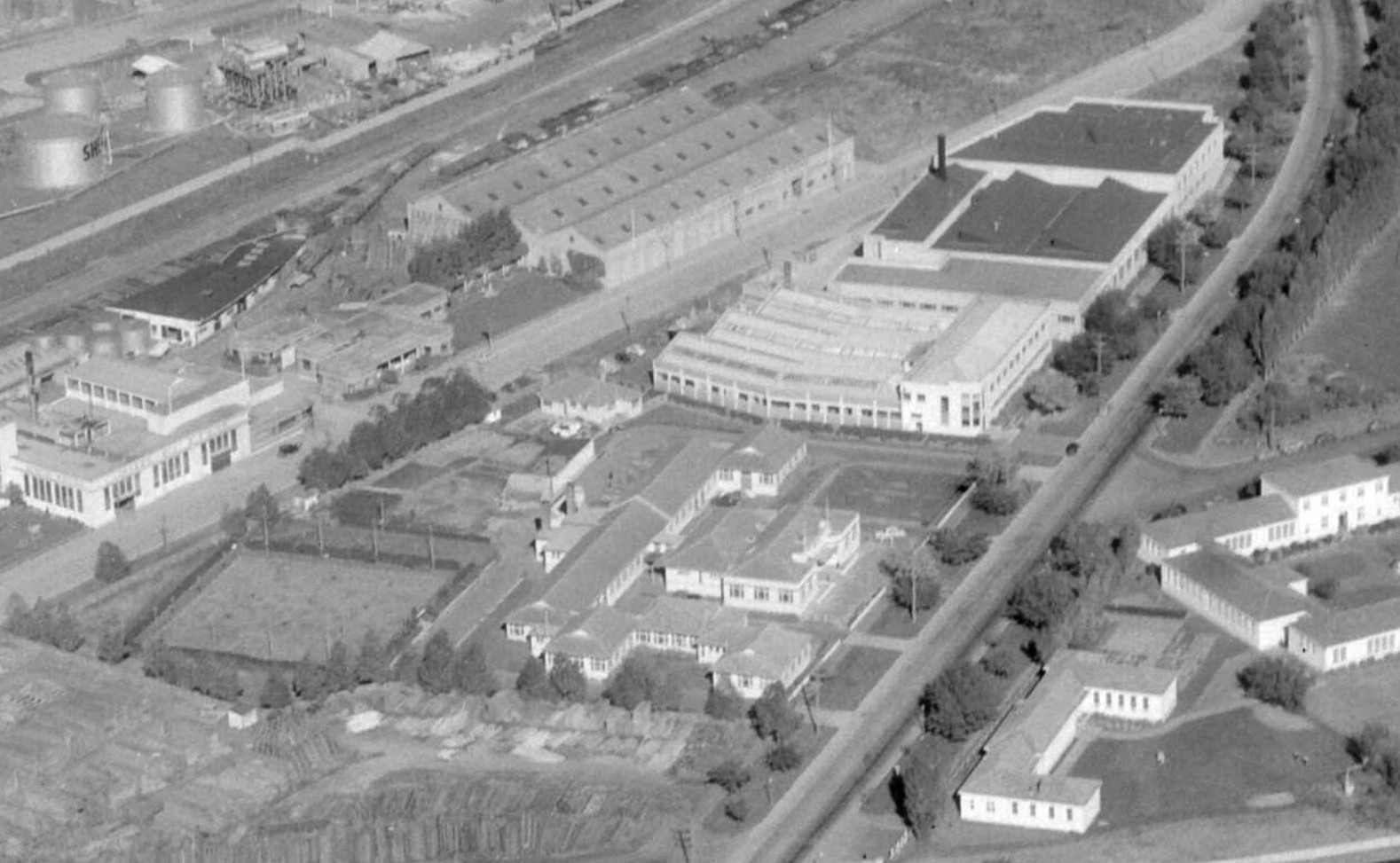
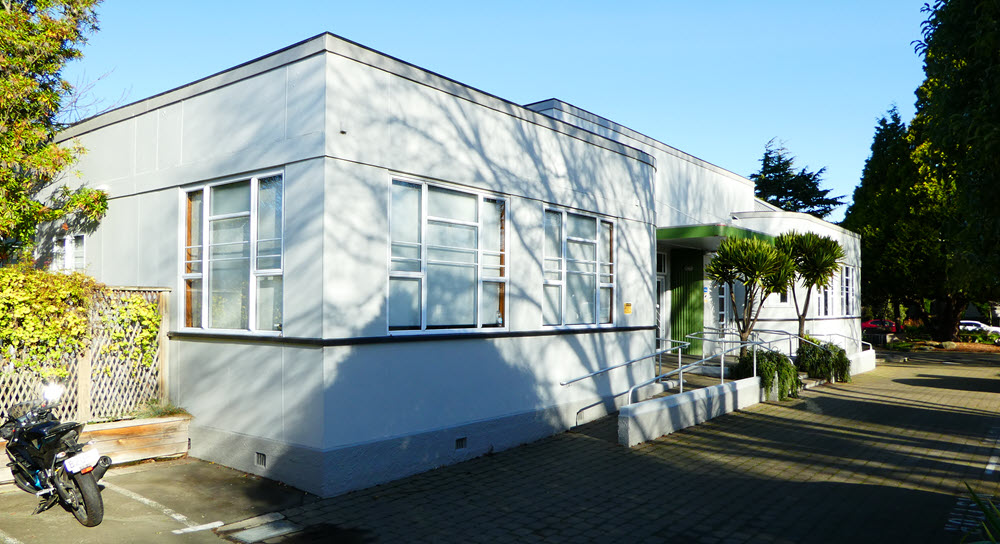
Government funded the building of vocational training centres. At Dunedin this included workshops, stores, offices, and a showroom. The site in Anzac Avenue was provided by the Otago Harbour Board for a peppercorn rental. It is almost next door to where the Hocken Library is today. There were attractive gardens where training in gardening was given, and even a bowling green, which allowed the establishment of the Disabled Servicemen’s Bowling Club.
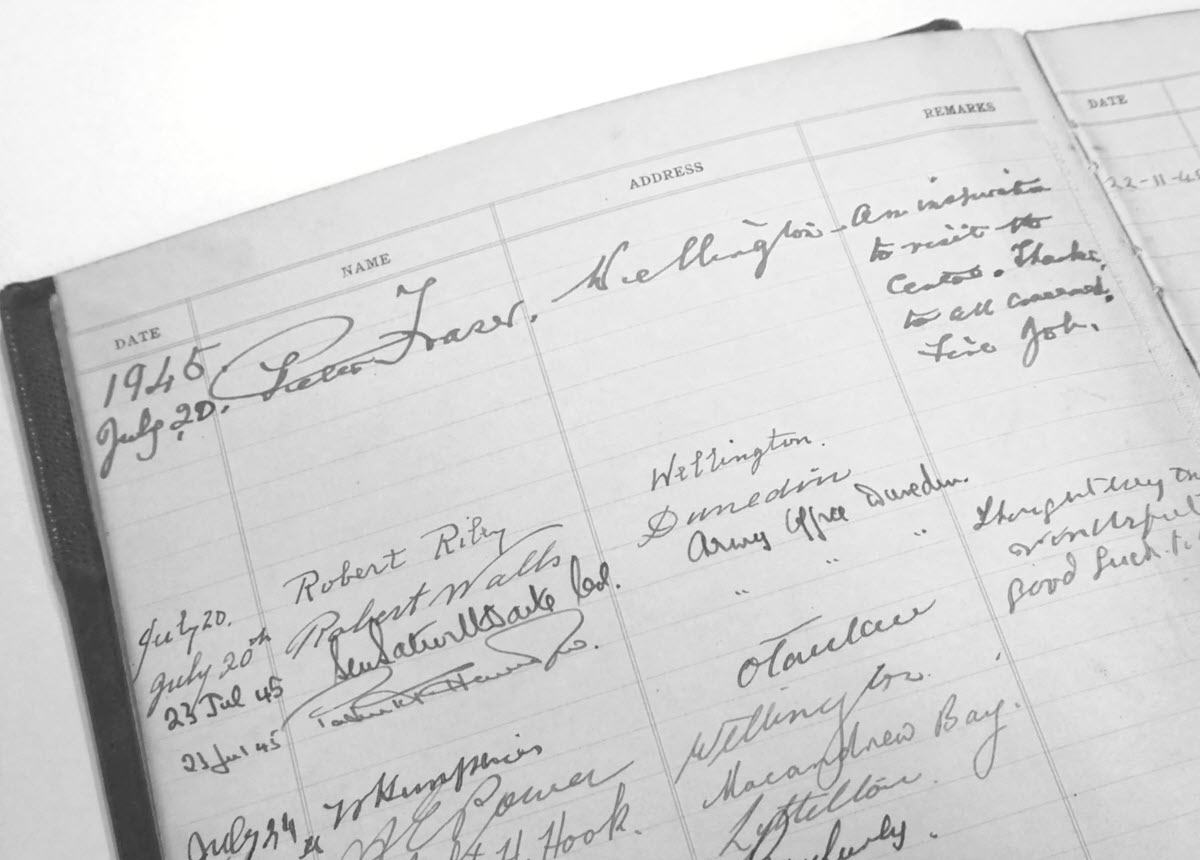
Prime Minister Peter Fraser laid the foundation stone on 11 September 1943, while war still raged. He spoke of his pleasure at the ‘opportunity to get away for a moment from the vortex of political controversy’, and described the ‘second great part of their war effort – caring for the men who had fought to protect us’. The buildings, designed by architect Henry McDowell Smith, were built by the Love Construction Company, and officially opened by C.F. Skinner, Minister of Rehabilitation, on 24 May 1944.
Photographs in the Hocken Collections show many of the items made in the workshops. They included suitcases, leather bags, boots, dog collars, wooden-soled clogs, book bindings, lounge suites and other furniture, umbrellas, fishing nets, toys, pāua shell ornaments, and jewellery.
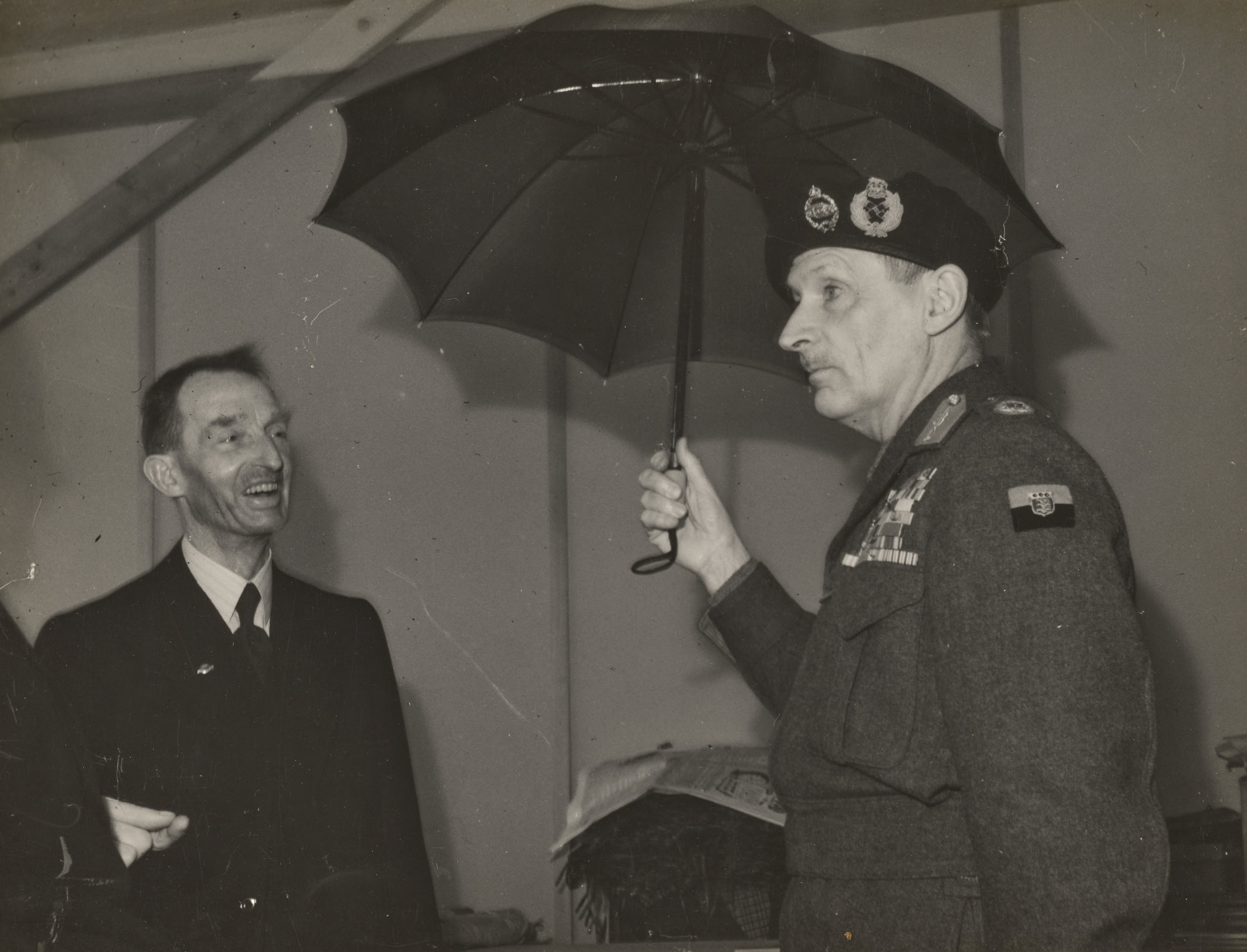
Field Marshal Viscount Montgomery, familiarly known as Monty, visited in July 1947. He was presented with a suitcase and posed with an opened umbrella over his head, remarking: ‘A most useful form of equipment for a soldier. Much more so than a sword.’
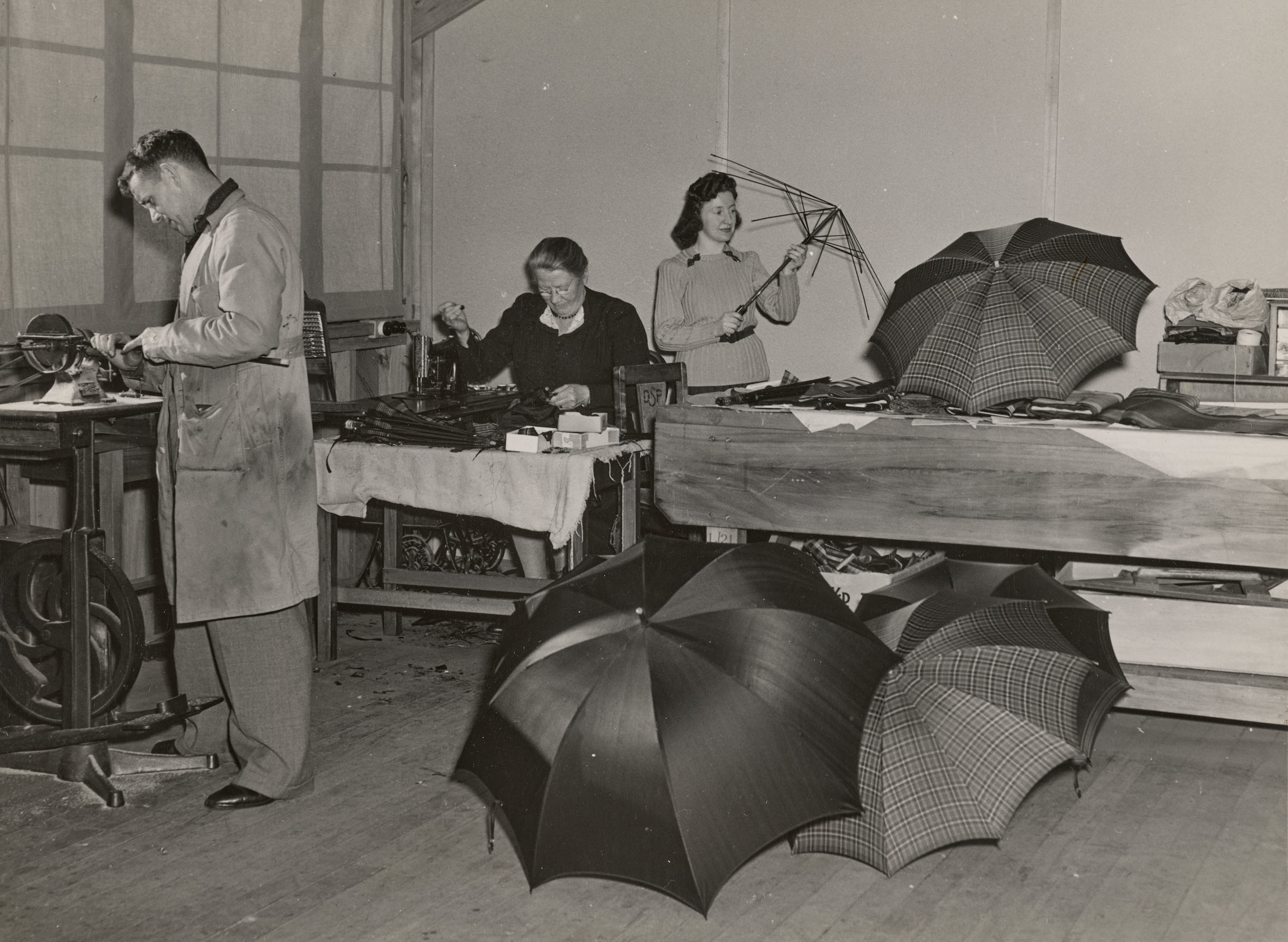
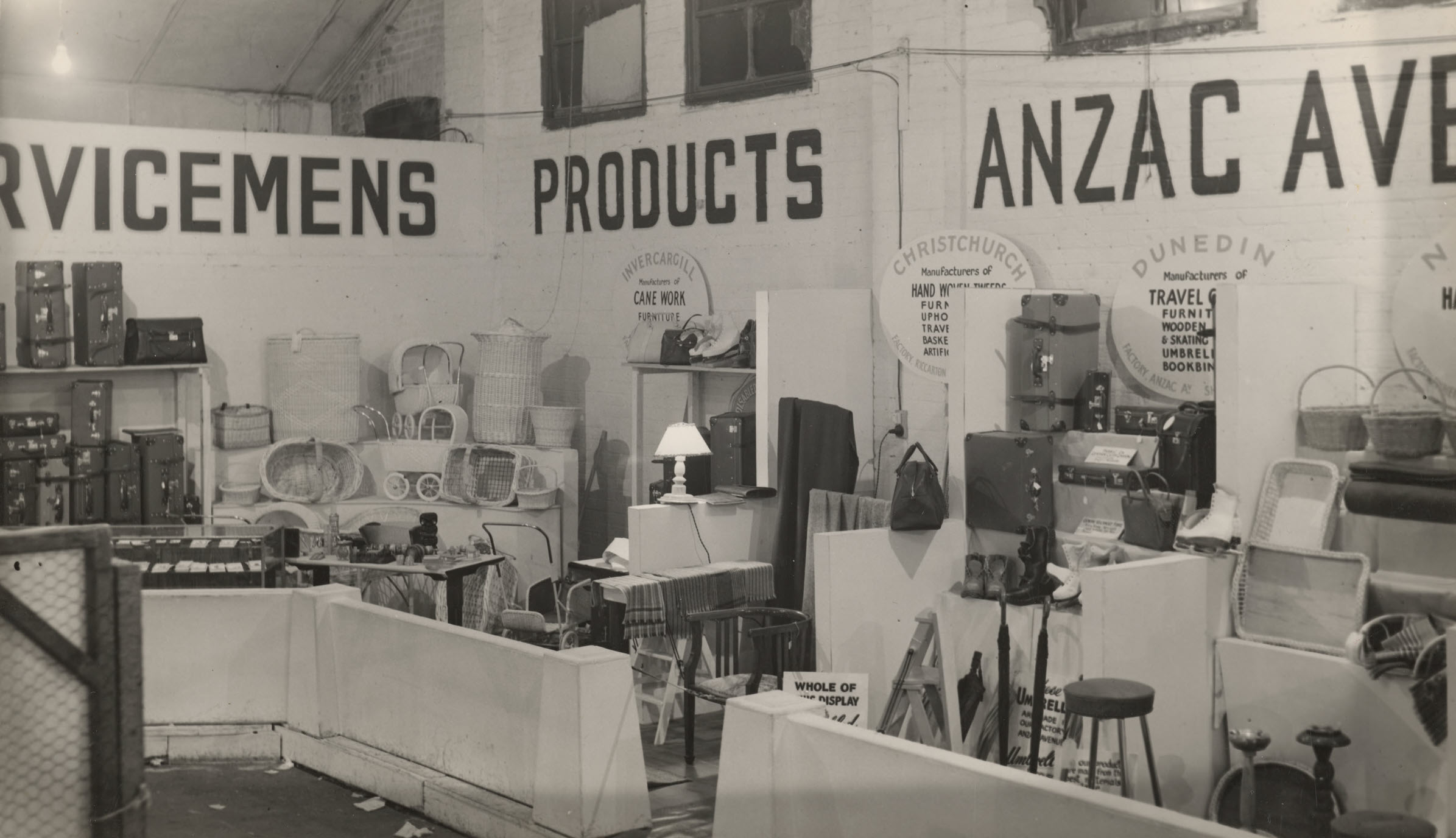
Up to 1956 only one returned servicewoman is recorded as a trainee, but photos show women involved in some of the manufacturing. The first course offered to civilians with disability (both men and women) was in 1955, but it was not until 1969 that the league’s scope more officially broadened. Renamed the Disabled Re-Establishment League, it became responsible for the vocational assessment and rehabilitation of all people with disability. Funding for new rehabilitation programmes came from Government. Focus shifted away from training in specific trades, to work experience in a broad spectrum of employment.
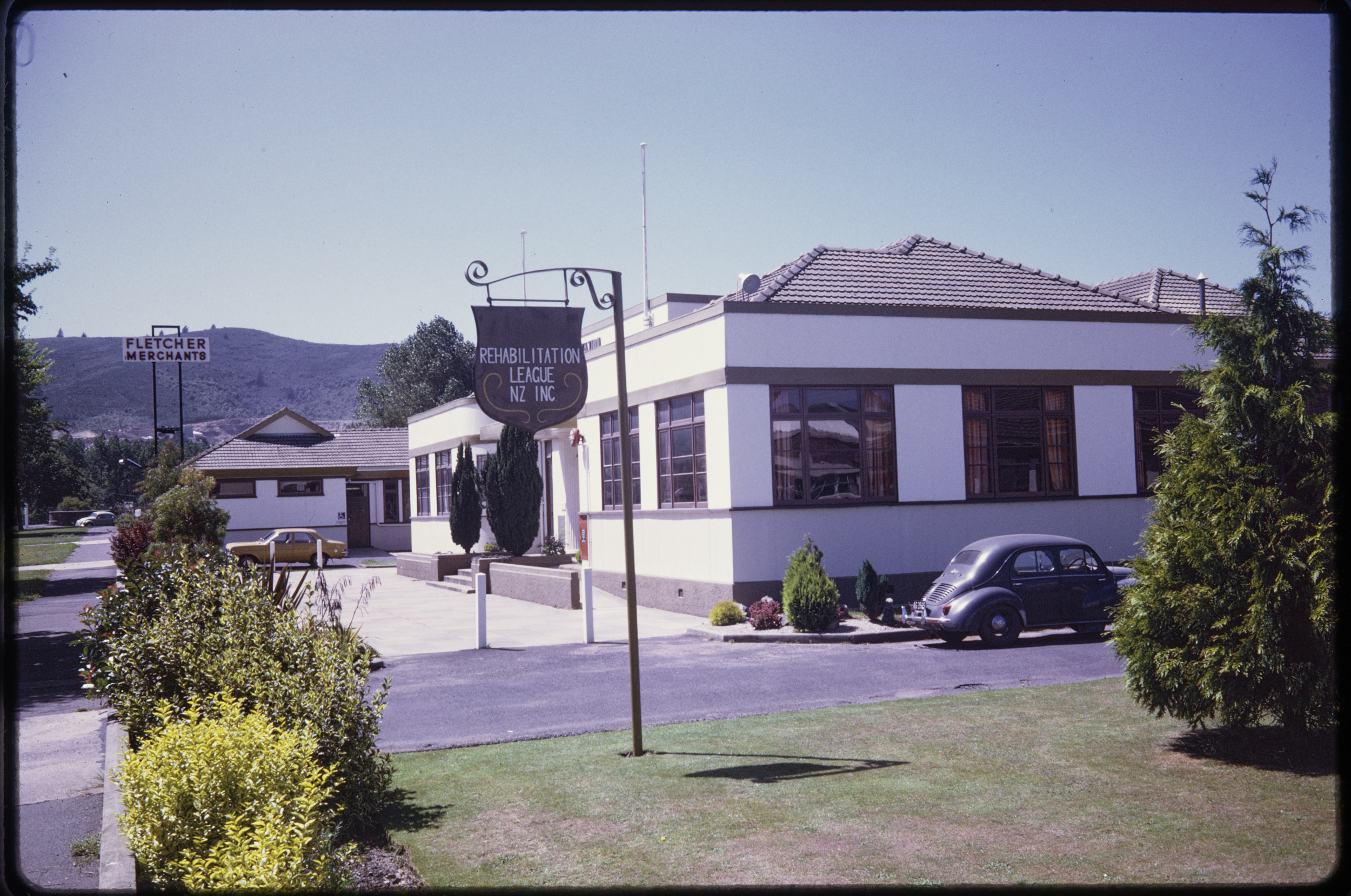
The organisation was again renamed in 1974, becoming Rehabilitation League NZ Inc. In 1975 the Dunedin centre comprised a staff of 60, including executive, professional, technical, supervisory, and trades personnel. Specific positions included a senior rehabilitation officer, a psychologist, a social worker, and an occupational therapist. The League provided full vocational assessments and aptitude tests. Assistance was offered in physical education, reading, and basic education. For work experience there were facilities for printing, bookbinding, leatherwork, suitcase manufacturing, blind roller manufacturing, net making, radio-telephone operating, general assembly, umbrella manufacturing, cafeteria work, janitorial and store work, stock control, office work, horticulture, heavy manual work, metal pressing, and welding. Computer training was introduced in the 1980s. The scope of the organisation expanded to others who were vocationally disadvantaged, including recent school leavers and refugees. Most trainees were men but the number of women gradually increased.
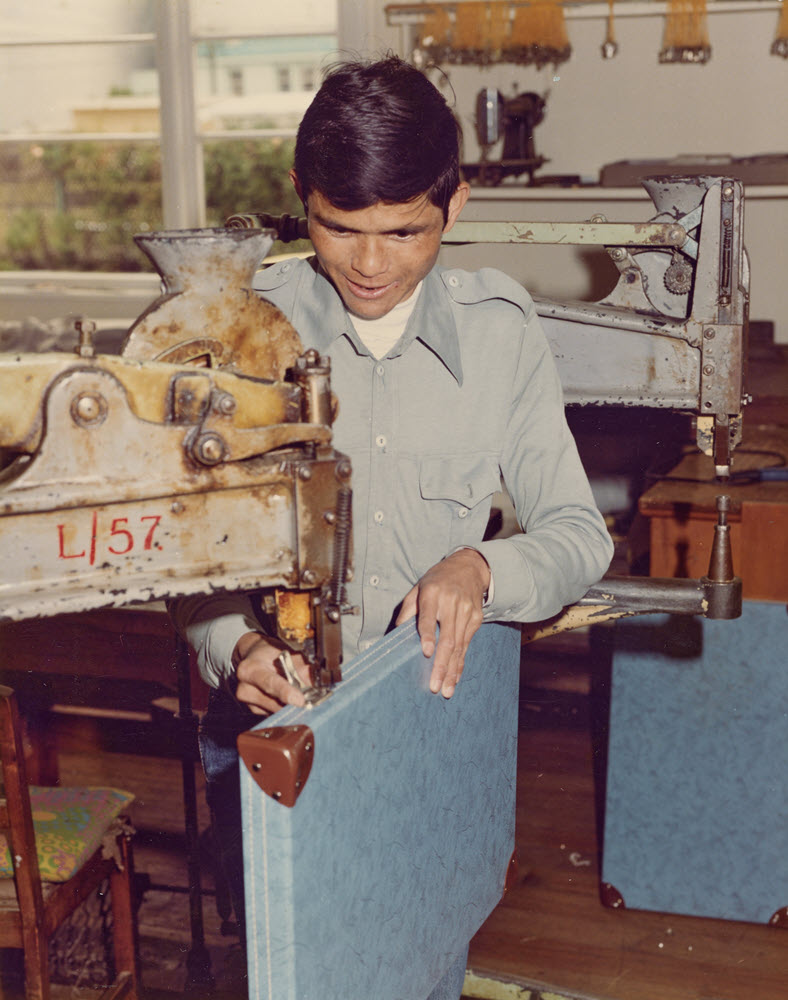
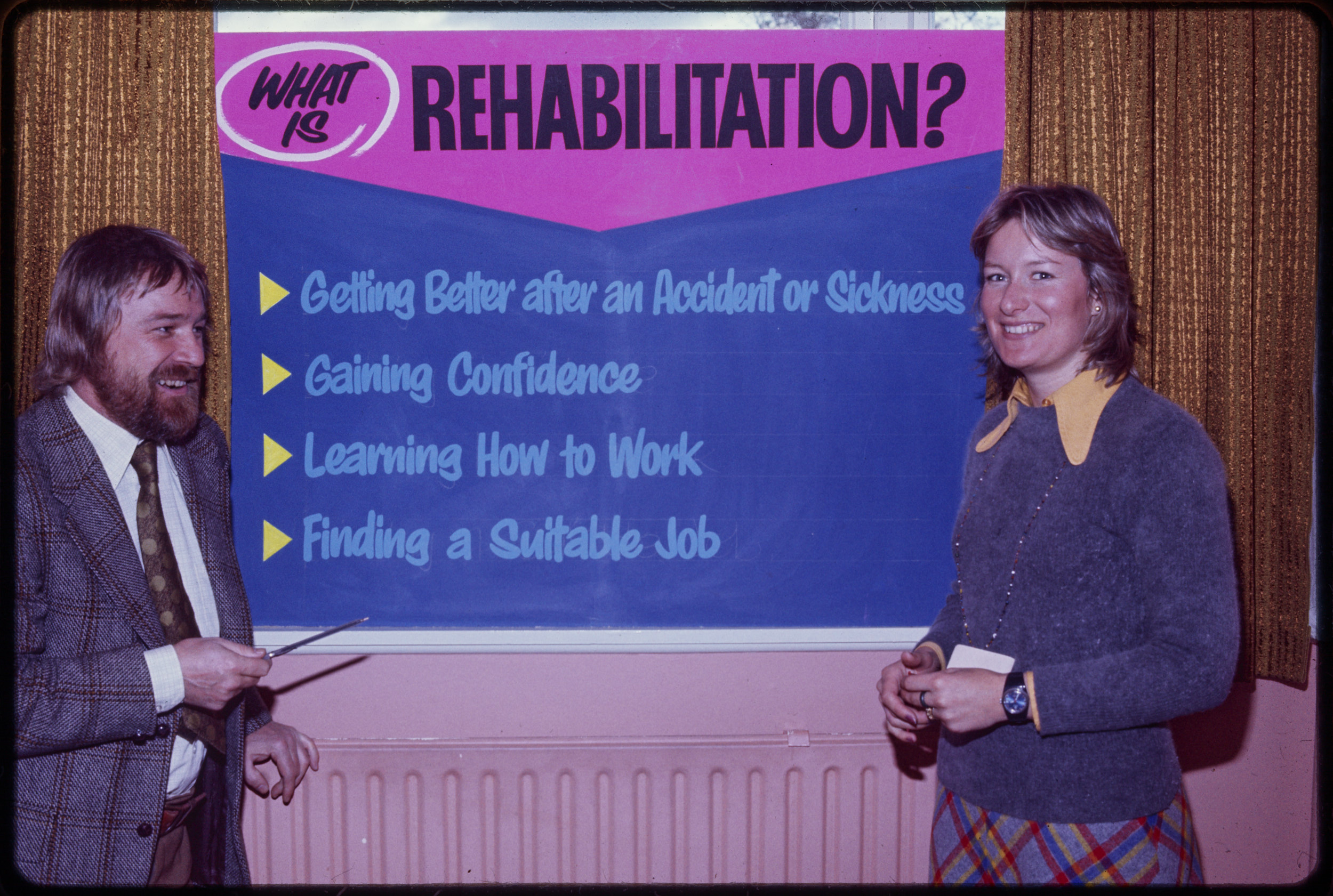
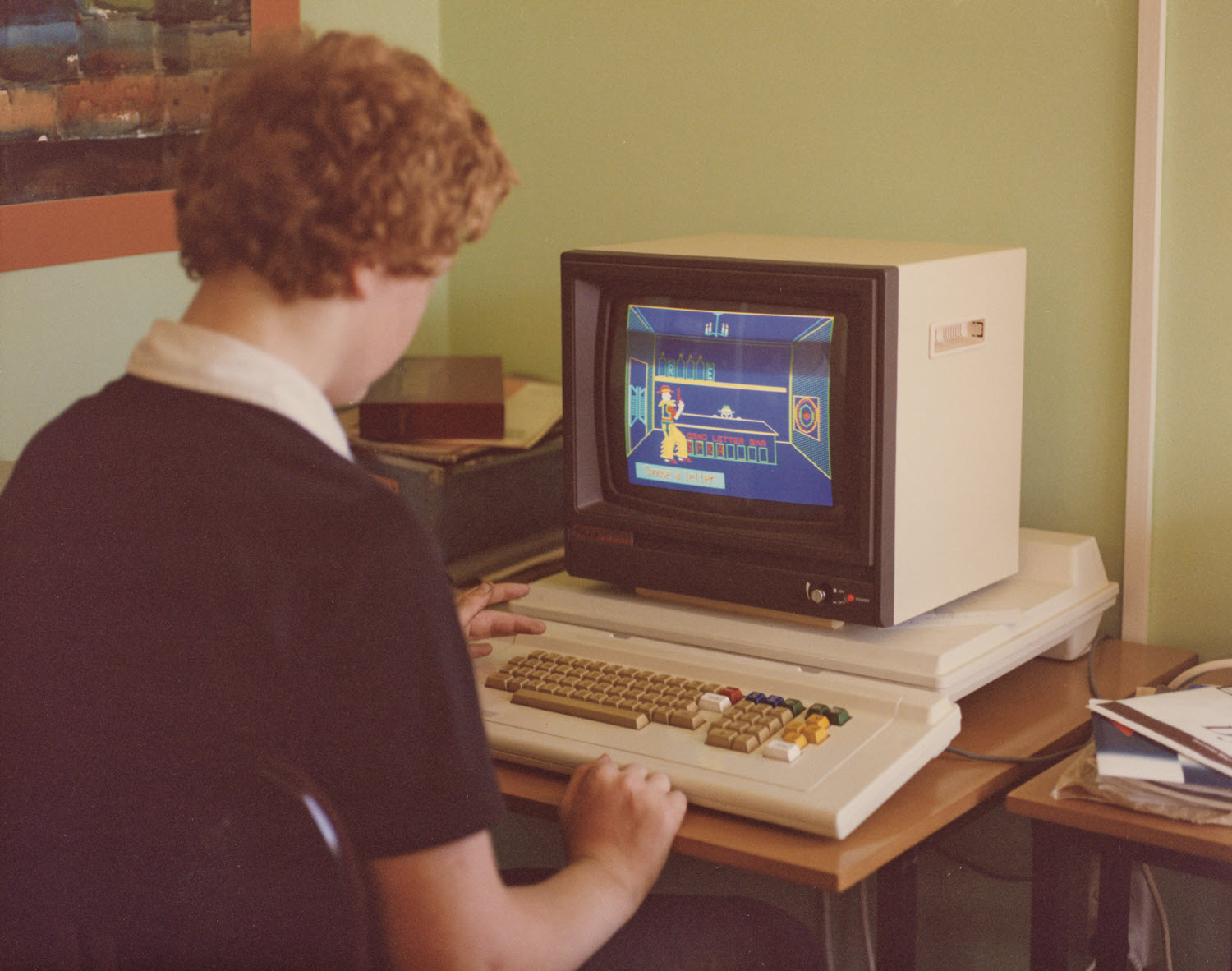
In the 1980s, Government signalled the League was trying to do too much by being ‘all things to all people’ and resolved that assessment services should be separate from training. The League chair spoke of a shift, away from a workshop situation to the idea of training and support in the main stream workforce. In reply, a staff representative said the Dunedin facility was not a sheltered workshop but a place for people to come for vocational assessment and training. Many of those people would then move on to polytechnic courses, experience in local industries, voluntary work, and self-employment.
Restructuring went ahead in favour of a ‘brokerage’ system that coordinated support and training for people with intellectual and physical difficulties, either in workshop facilities or in open employment. This was named Workbridge, and it still operates today. Most of the old League operations were phased out and the workshops were shut down, with Dunedin’s closing on 31 August 1990. The Otago Daily Times reported that only 10 per cent of existing clients would receive training through the new service, and that redundant staff ‘felt that disadvantaged groups, such as the unemployed and those with learning difficulties, had been sacrificed in the name of efficiency’.
The Anzac Avenue buildings still stand, as Otago Polytechnic’s L Block. They house the institution’s Construction, Engineering, and Living Sciences divisions.
The Rehabilitation League Dunedin Branch archives were donated to the Hocken Collections in 1991. They include minutes, correspondence, reports, subject files, newsletters, and photographs. The records provide detailed information recorded by the organisation and are open to any interested researchers (reference code 91-002). Some of the many photographs have been digitised and this month added to Hocken Digital Collections.
We would be interested to hear more from those who were part of the League’s story – please do leave a comment if you have memories. Or perhaps you have one of those old suitcases?
Newspaper references:
‘The disabled soldier: problem of employment: factory opened in Dunedin’ in Otago Daily Times, 27 January 1933 p.5.
‘Occupation centre foundation stone laid: ceremony on Anzac Avenue’ in Evening Star, 11 September 1943 p.4.
‘Vocational training: Dunedin centre opened: aid for disabled servicemen’ in Otago Daily Times, 25 May 1944 p.6.
‘Ex-servicemen in Dominion looked after better than in England’ in Evening Star, 21 July 1947 p.6.
‘Training enables disabled men to earn a living’ in Evening Star, 26 April 1952 p.4.
‘Trade training: First disabled civilian has started course’ in Otago Daily Times, 23 June 1955 p.6.
‘Cheerful, skilful, – yet disabled – they work industriously’ in Evening Star, 3 November 1956 p.8.
‘New concept in trade training’ in Evening Star, 20 March 1971 p.13.
Mackenzie, Dene. ‘Staff angry over “official ignorance”‘ in Otago Daily Times, 12 June 1990.
Spencer, Leigh. ‘Era ends for trainees’ in Otago Daily Times, 1 September 1990.
‘The day the Rehabilitation League closed its doors’ in Otago Daily Times, 29 September 1990 p.17.
Other references:
Training the disabled: The work of the Disabled Servicemen’s Re-establishment League (Inc.) New Zealand. Wellington: the League, 194-.
Rehabilitation League (NZ) Inc. [1975].
‘Rehabilitation League NZ (Inc.), history and development of the organisation’. Unpublished typescript, 1986. 91-002 box 5.