

Hudson and Cadbury records made available
Post researched and written by David Murray, Archivist
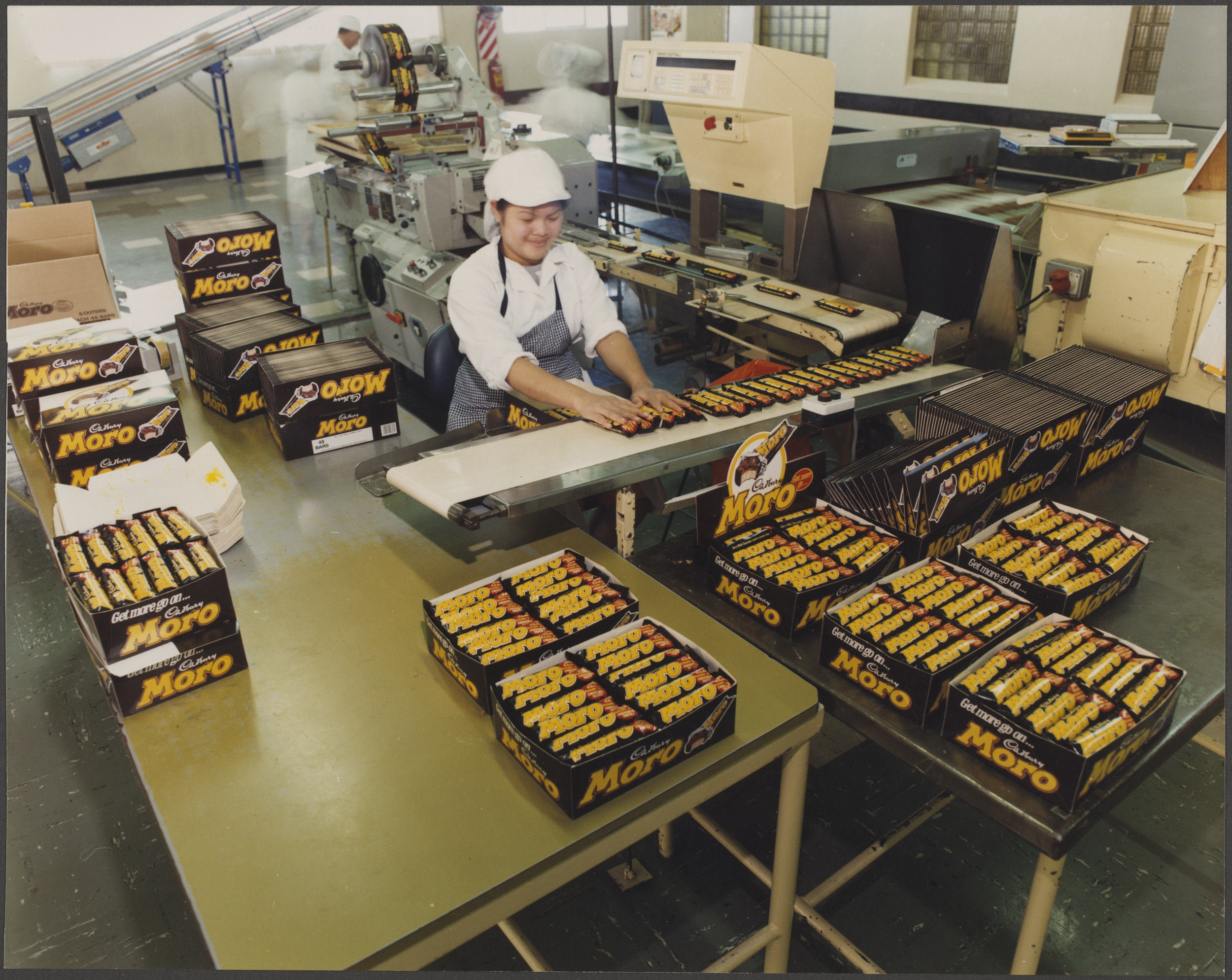
Several years ago, Hocken collected a large quantity of archives from the old Cadbury factory in Dunedin. We are pleased to share the news that these are now catalogued and available for viewing in our reading room. We are also in the process of putting selected images from the collection into our Digital Collections site. The records relate to R. Hudson & Co. and its successors Cadbury Fry Hudson (from 1930), Cadbury Schweppes Hudson (from 1973), Cadbury Confectionery Ltd (from 1991), and Cadbury Ltd (from 2009). They add to a smaller collection received in 1984.
The Cadbury factory closed in 2018 with the loss of more than 350 jobs. It was the 150th anniversary year of local operations, which began with a biscuit factory opened by Richard Hudson in 1868. The loss has been felt deeply. Production shifted to Australia, and almost all of the old factory buildings are gone.
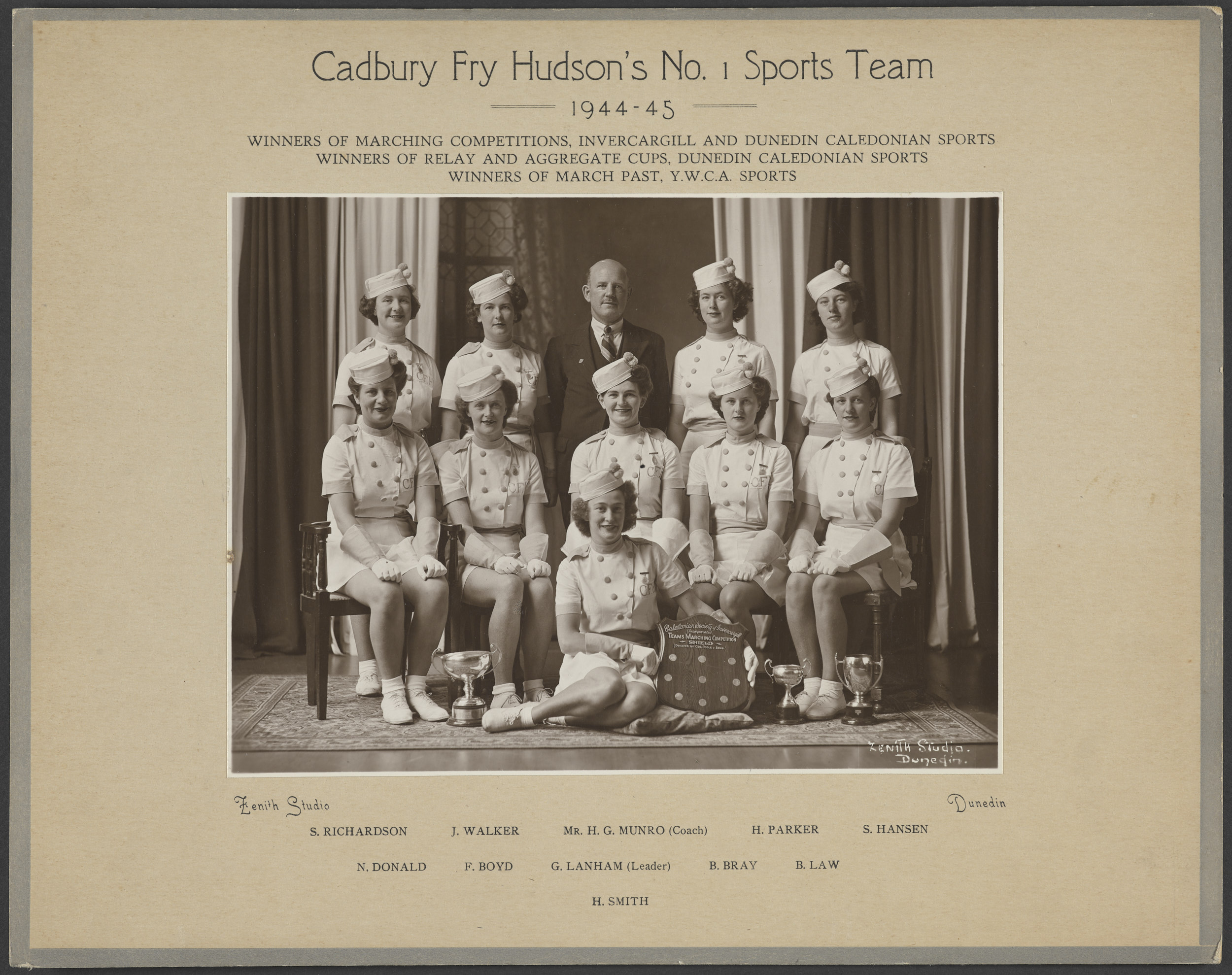
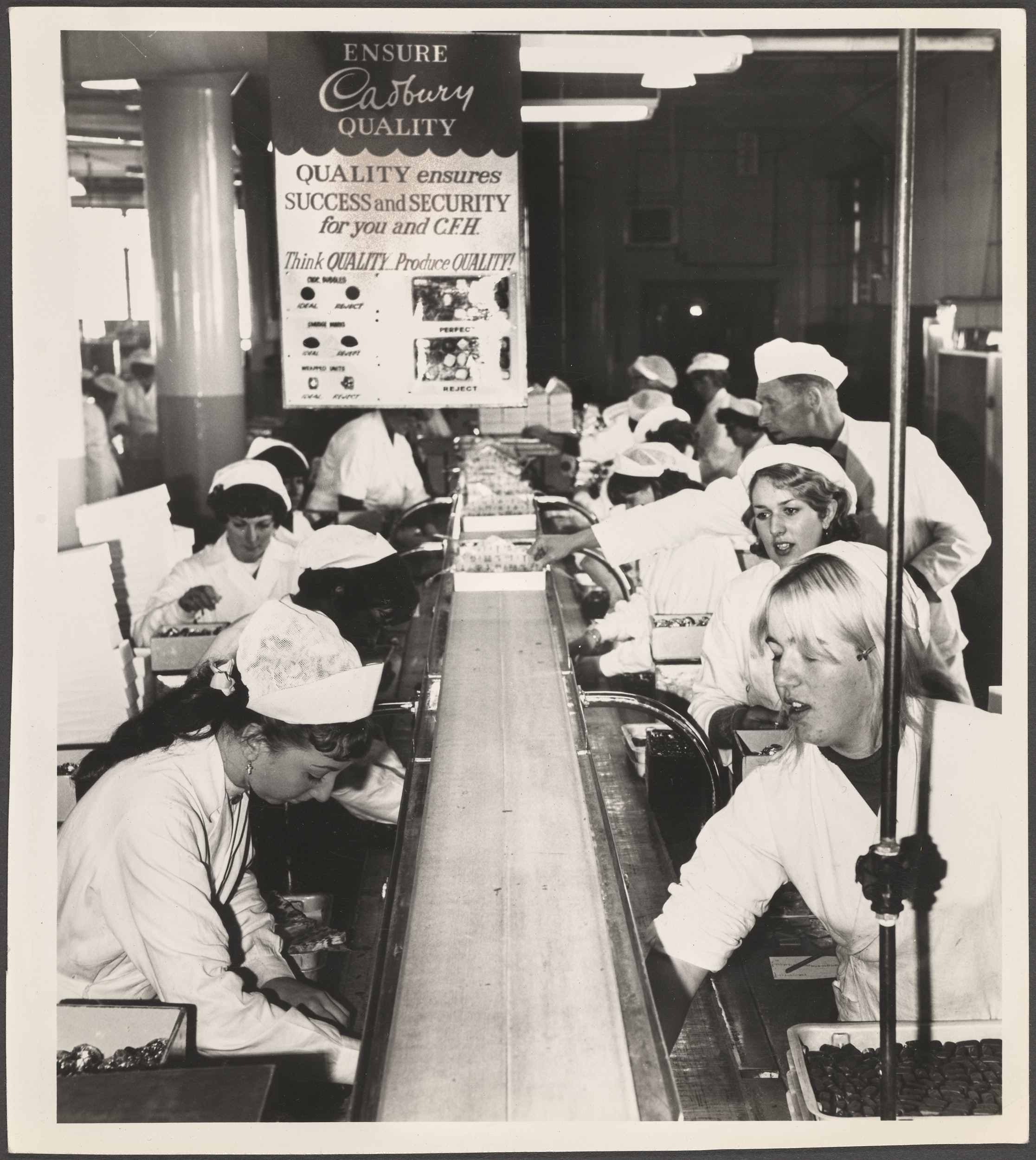
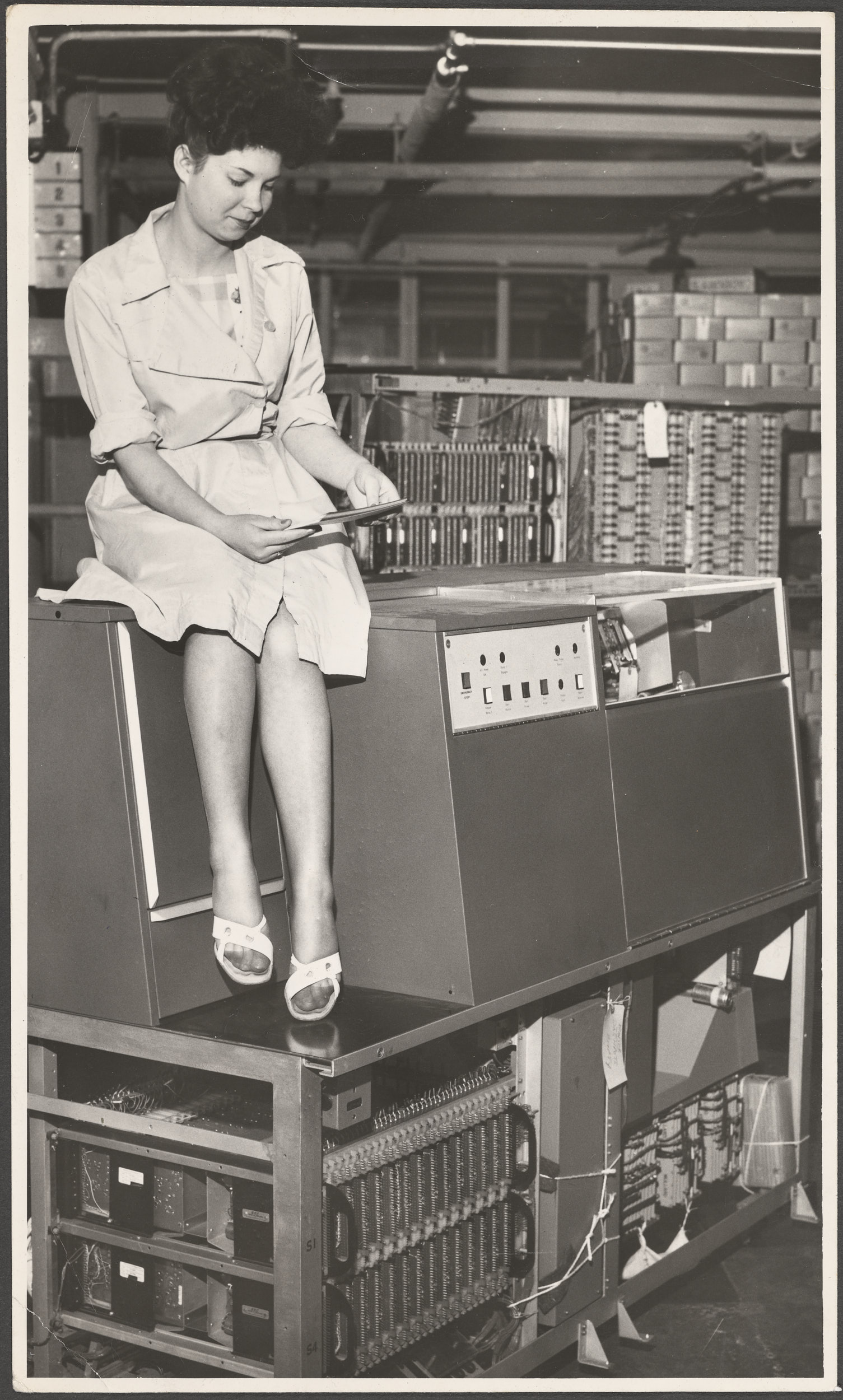
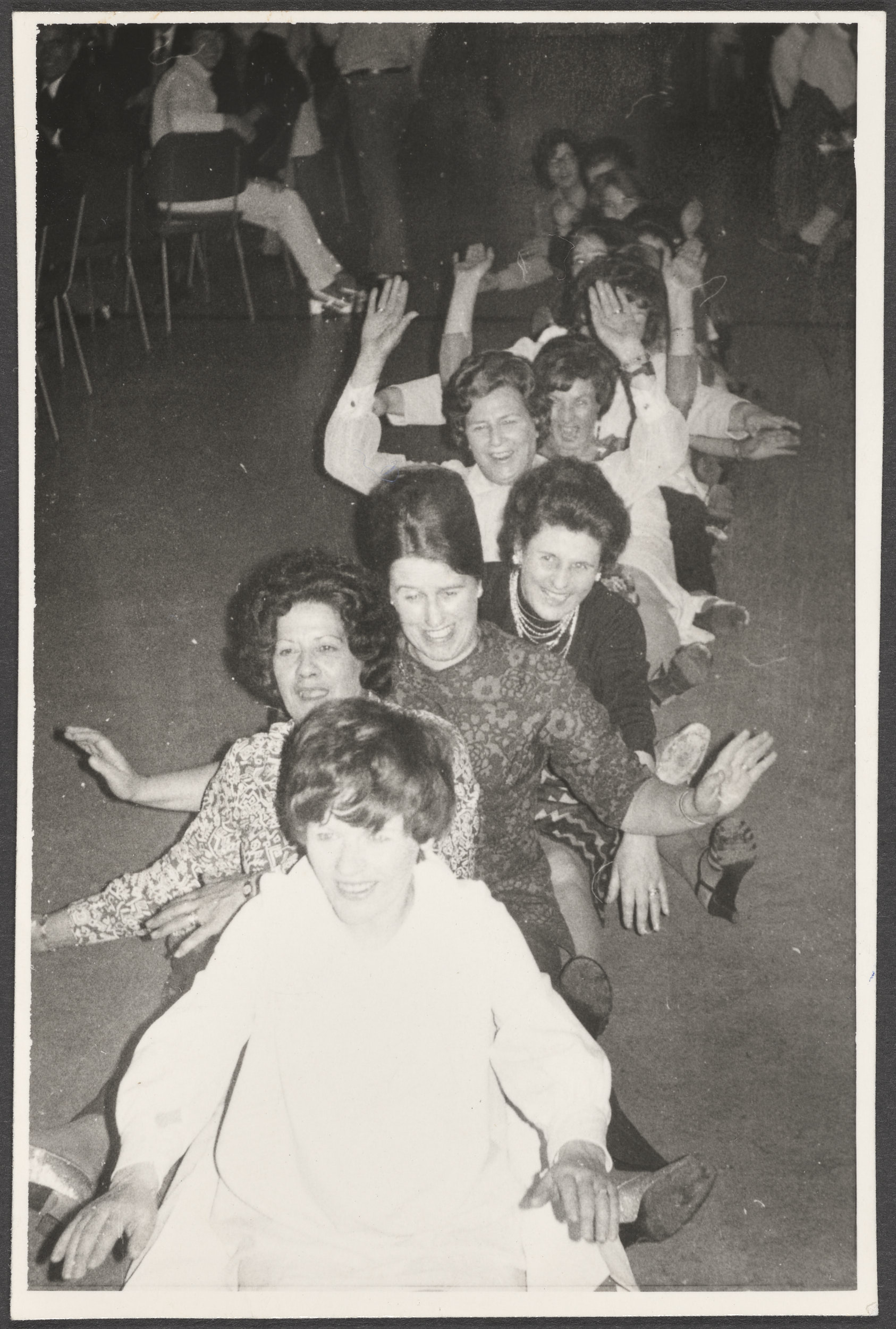
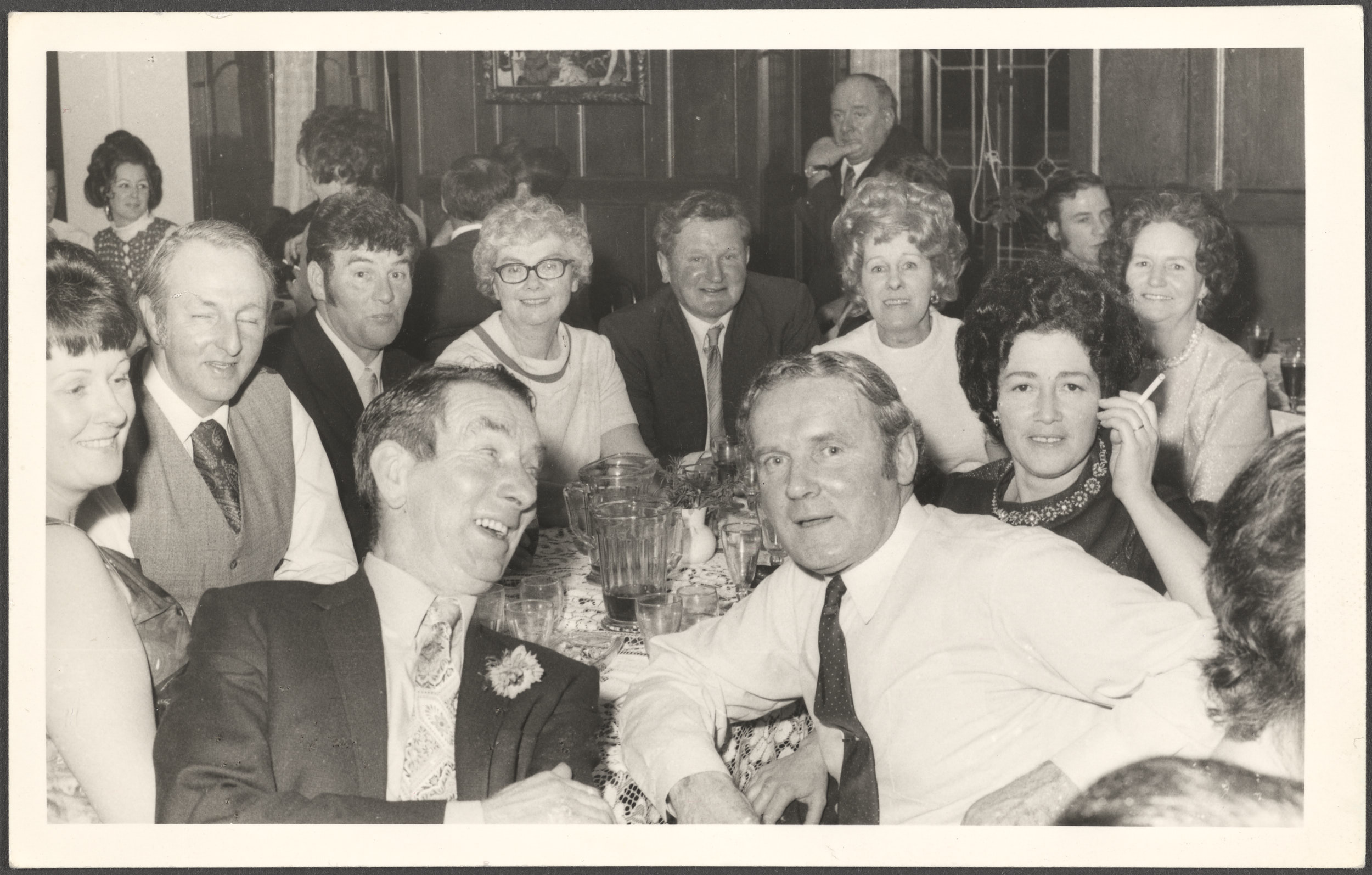
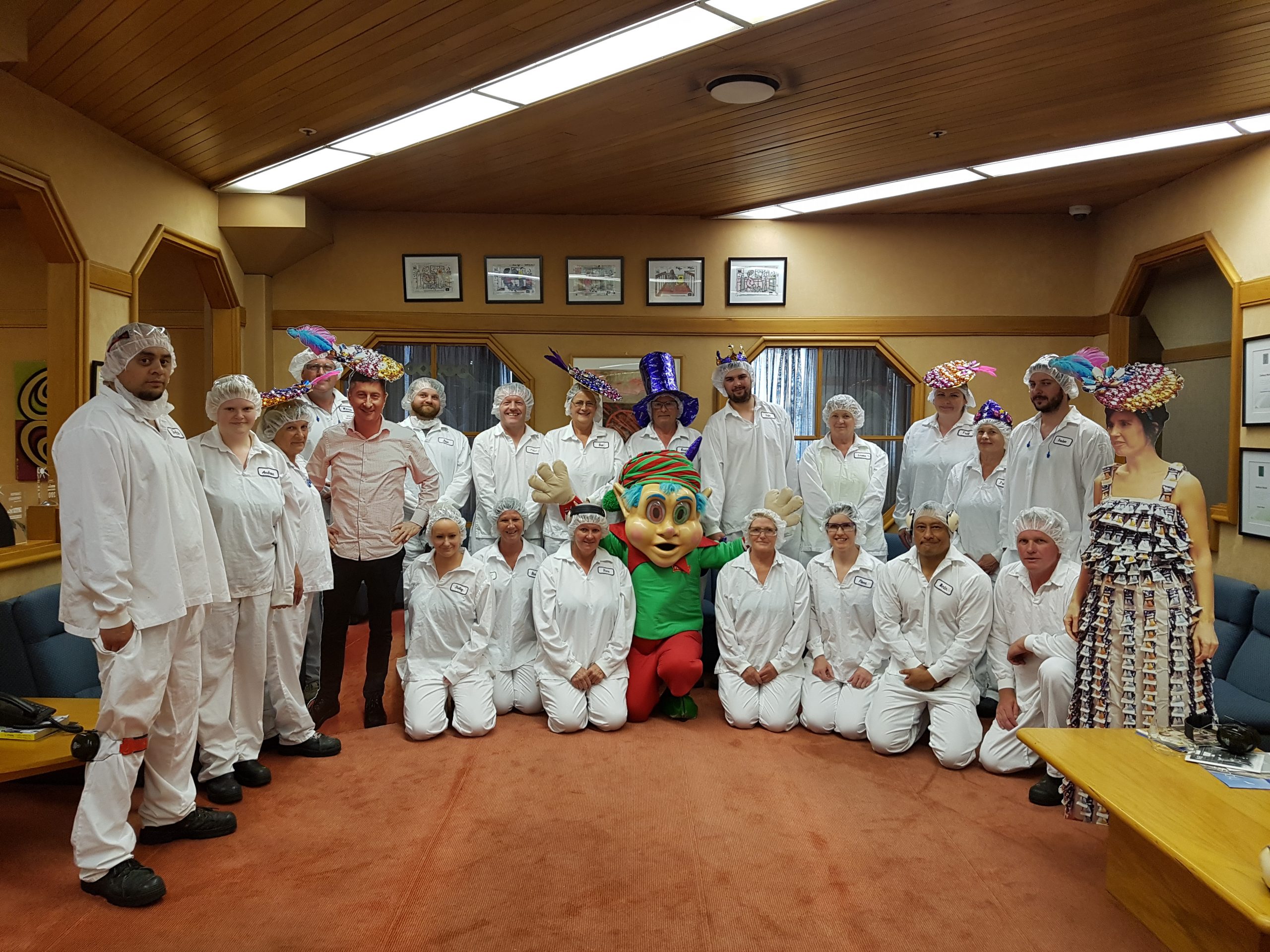
Hocken is privileged to hold a permanent archive of the business. Particularly significant is the record of staff activity – both work and social, over many years in the local community. We are grateful to Cadbury’s parent company, Mondelēz International, for donating the bulk of the collection. Our thanks also to the former Southern District Health Board for significant additional material, and to the Ex-Cadbury Staff Group for digital photographs taken in the last months of factory operation.
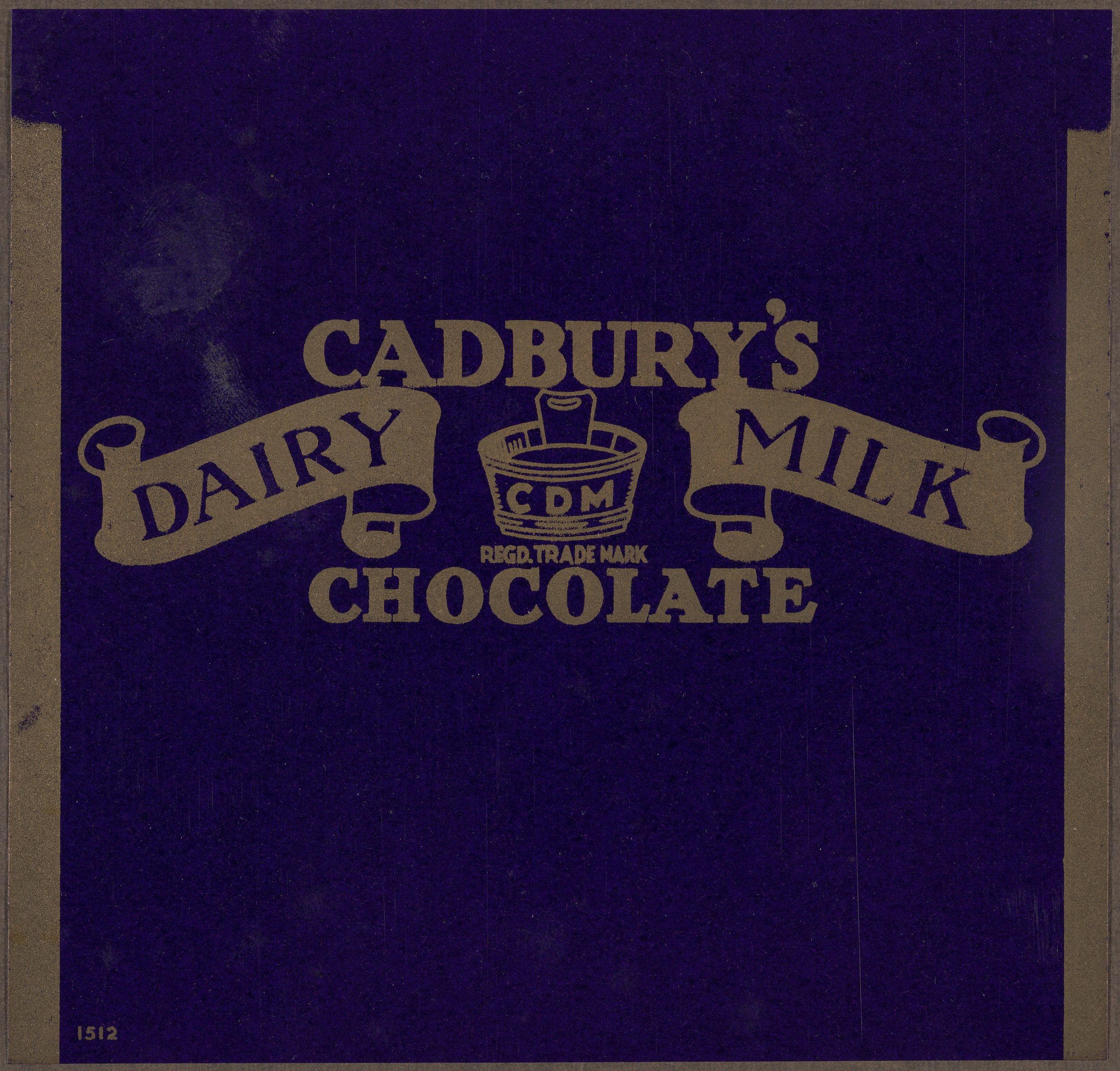
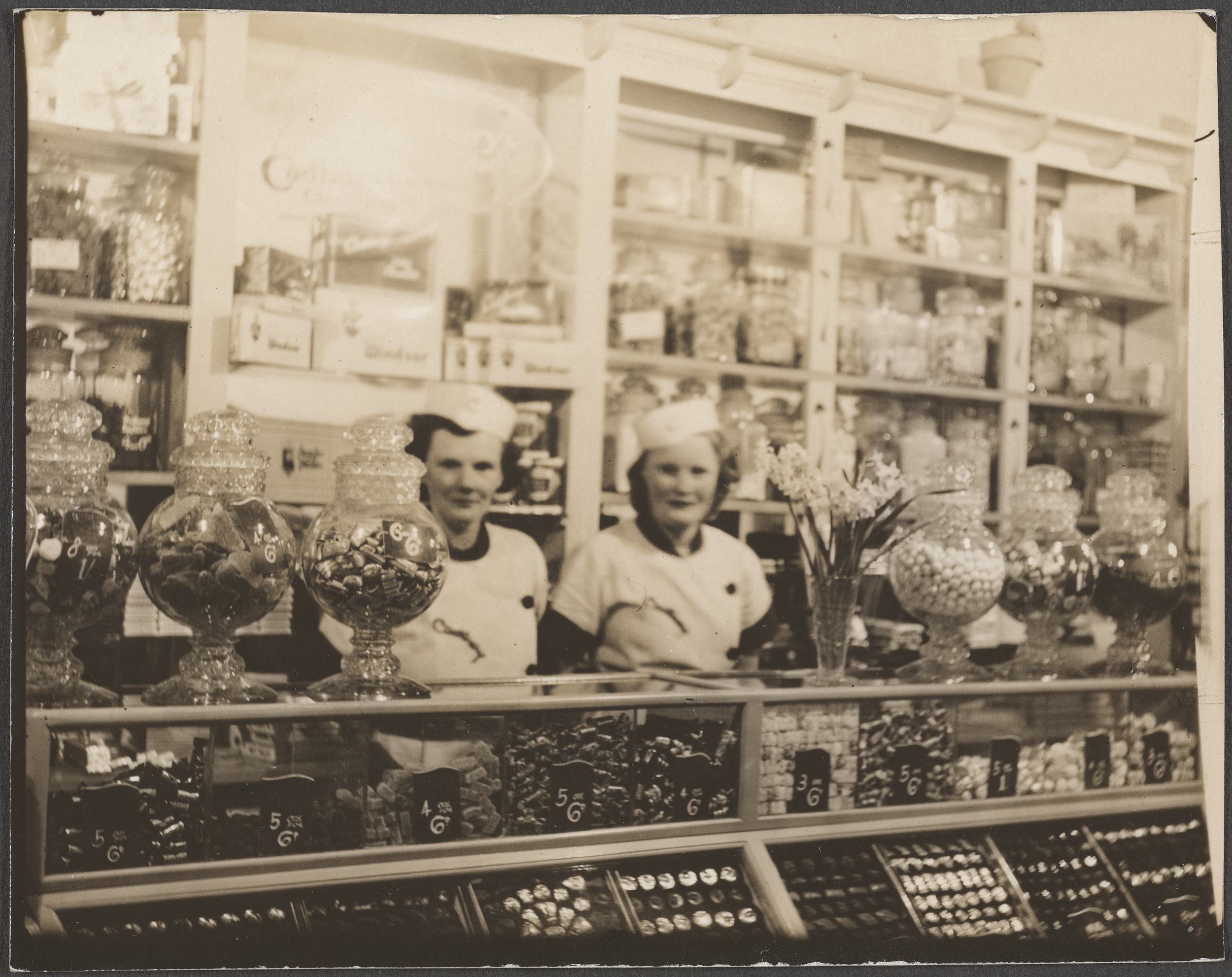
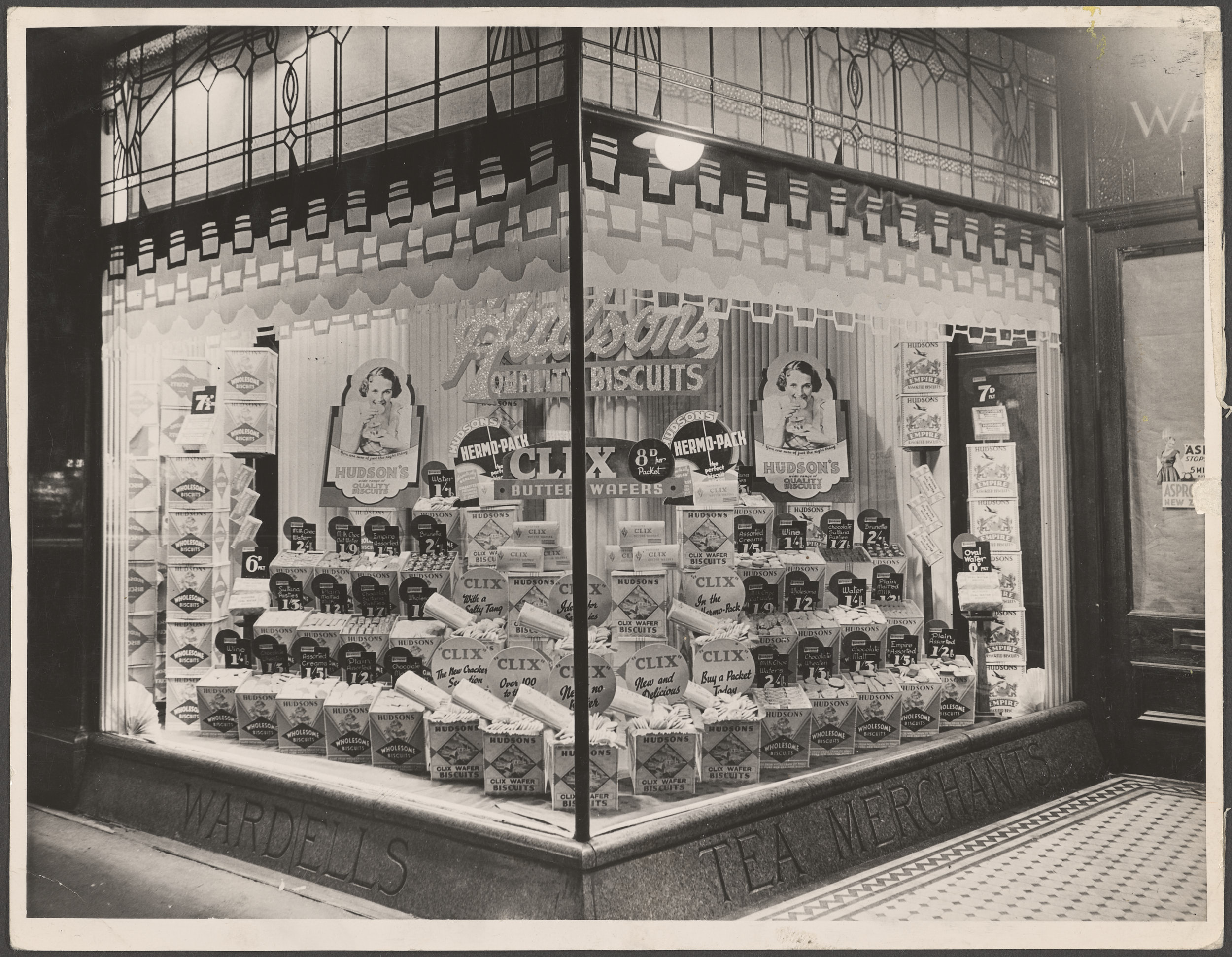
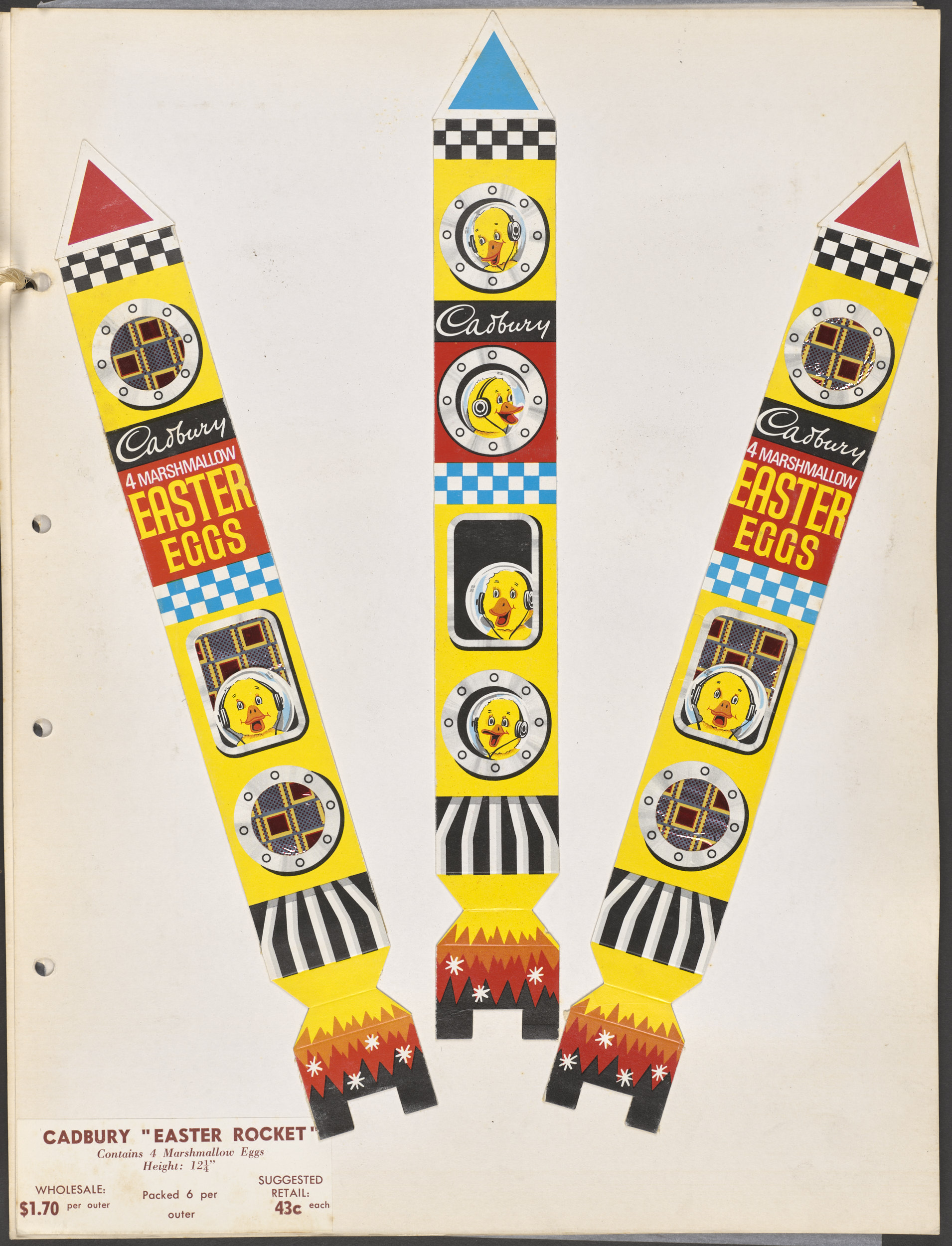
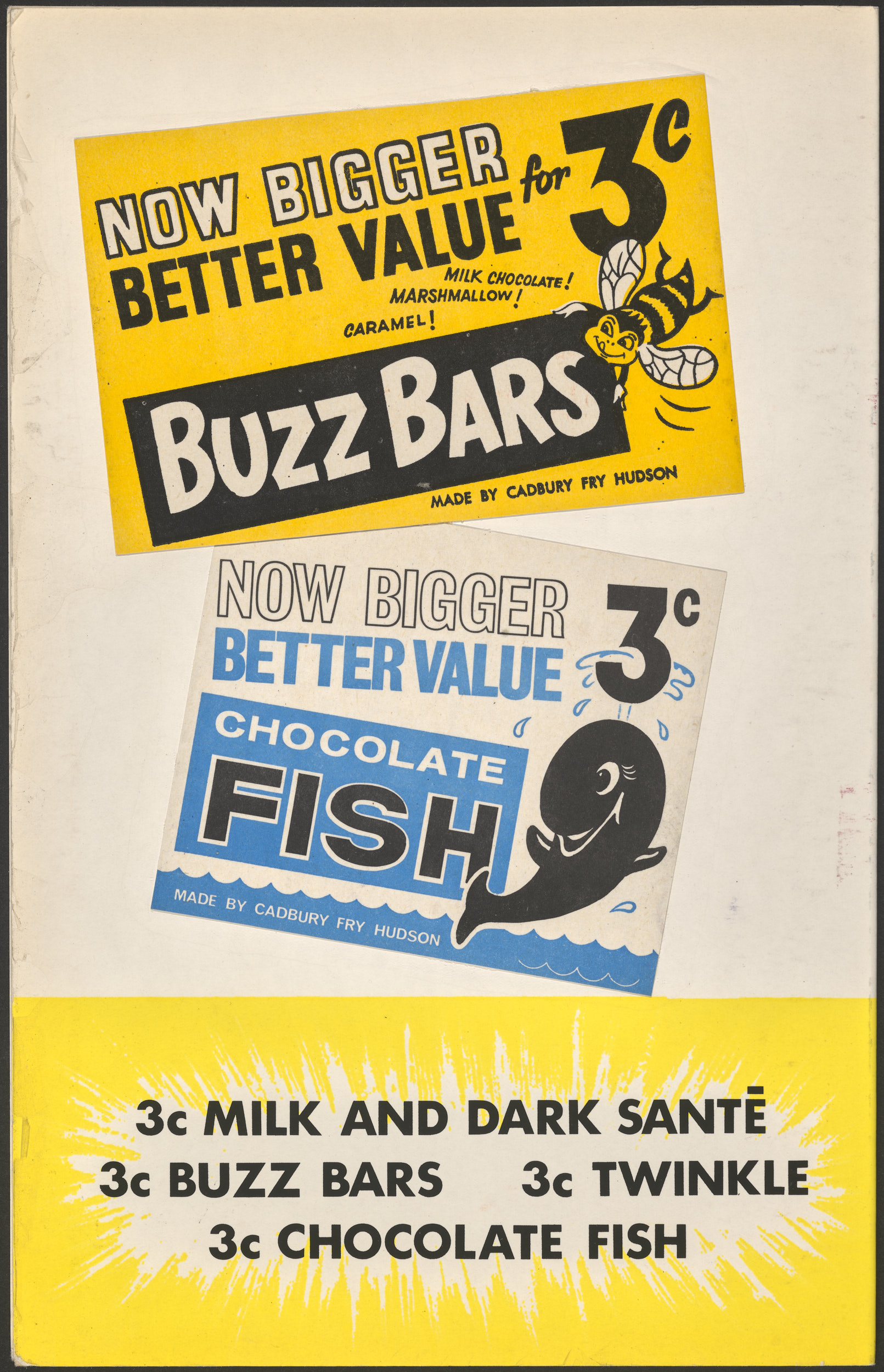
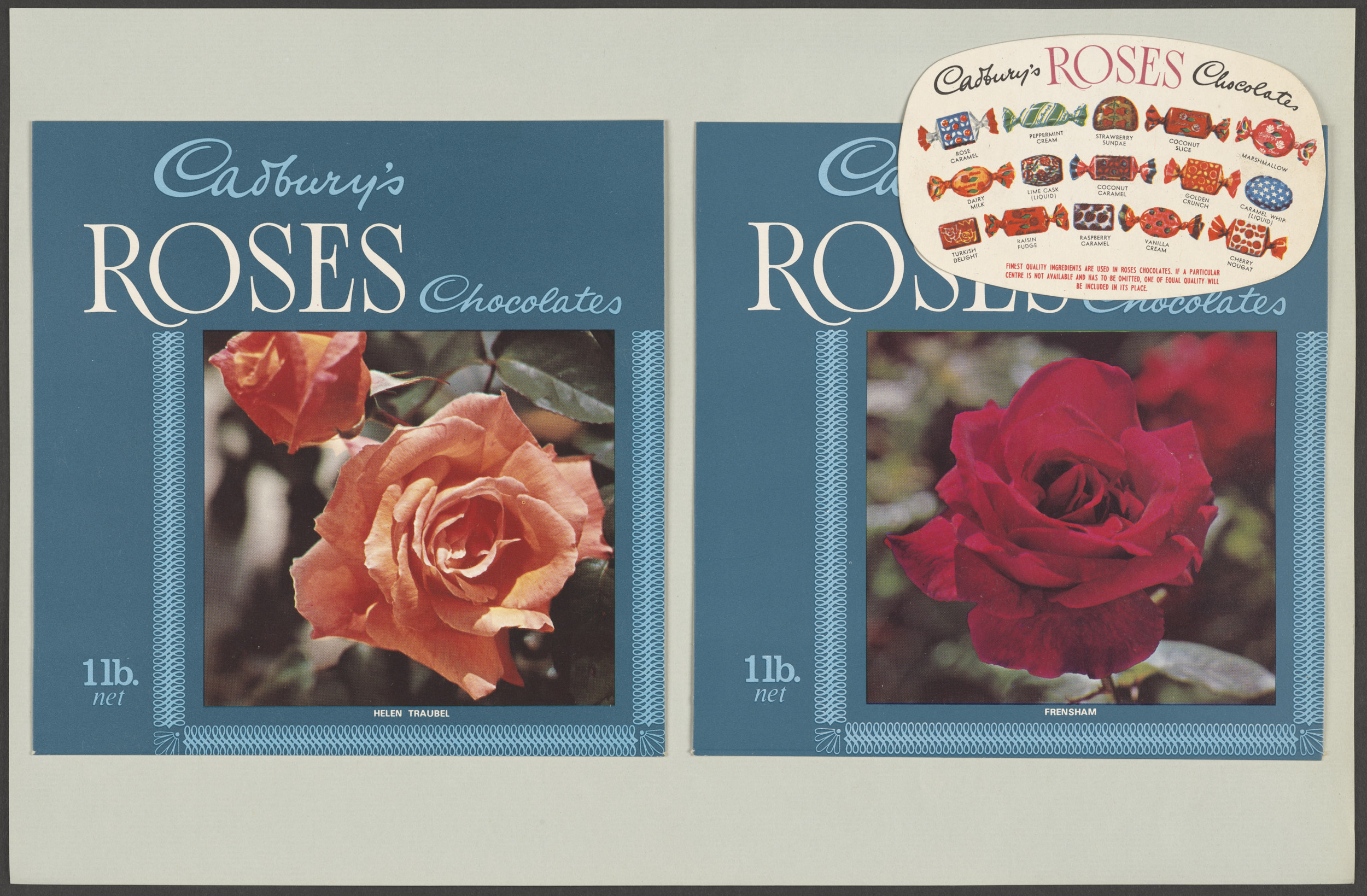
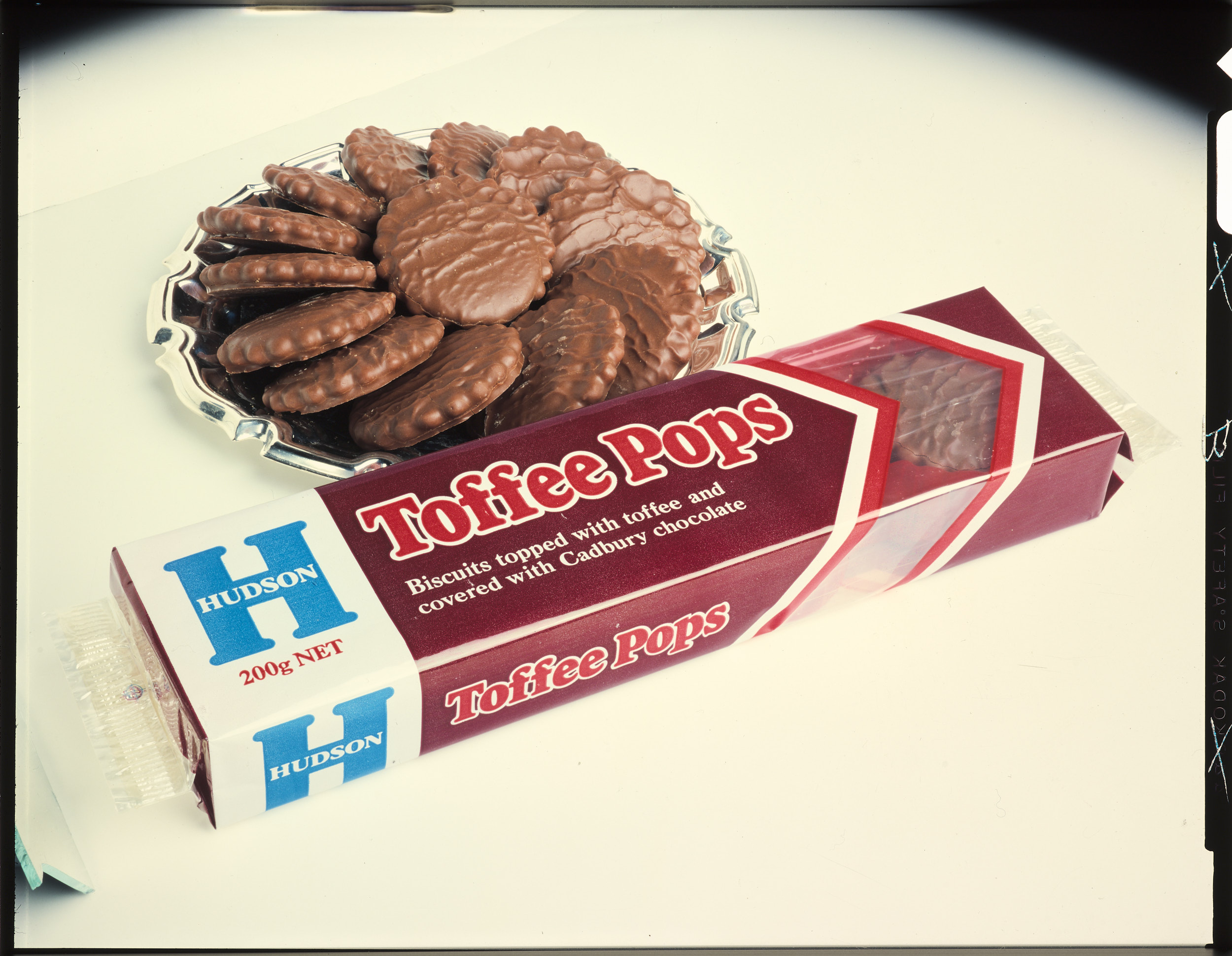
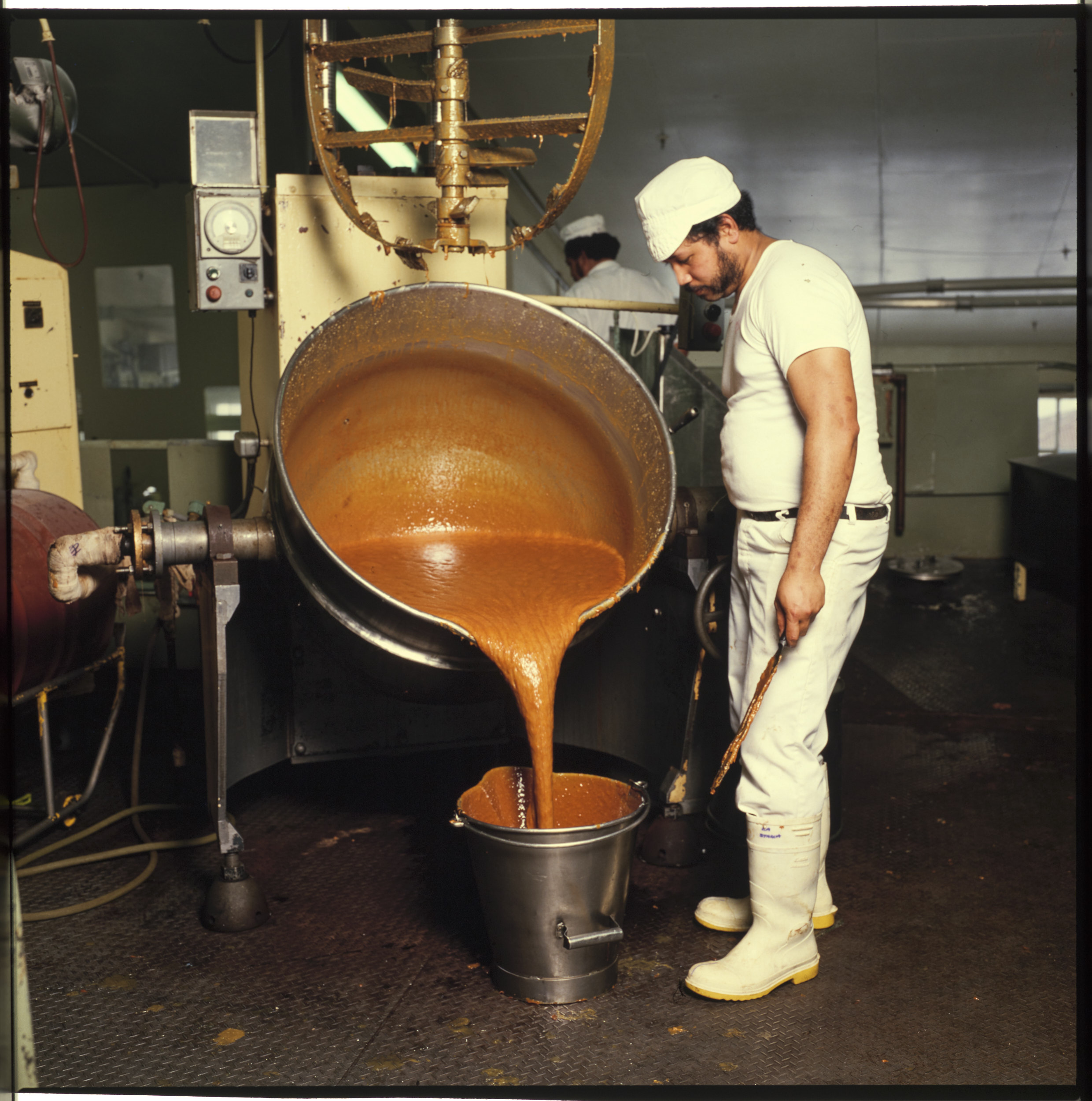
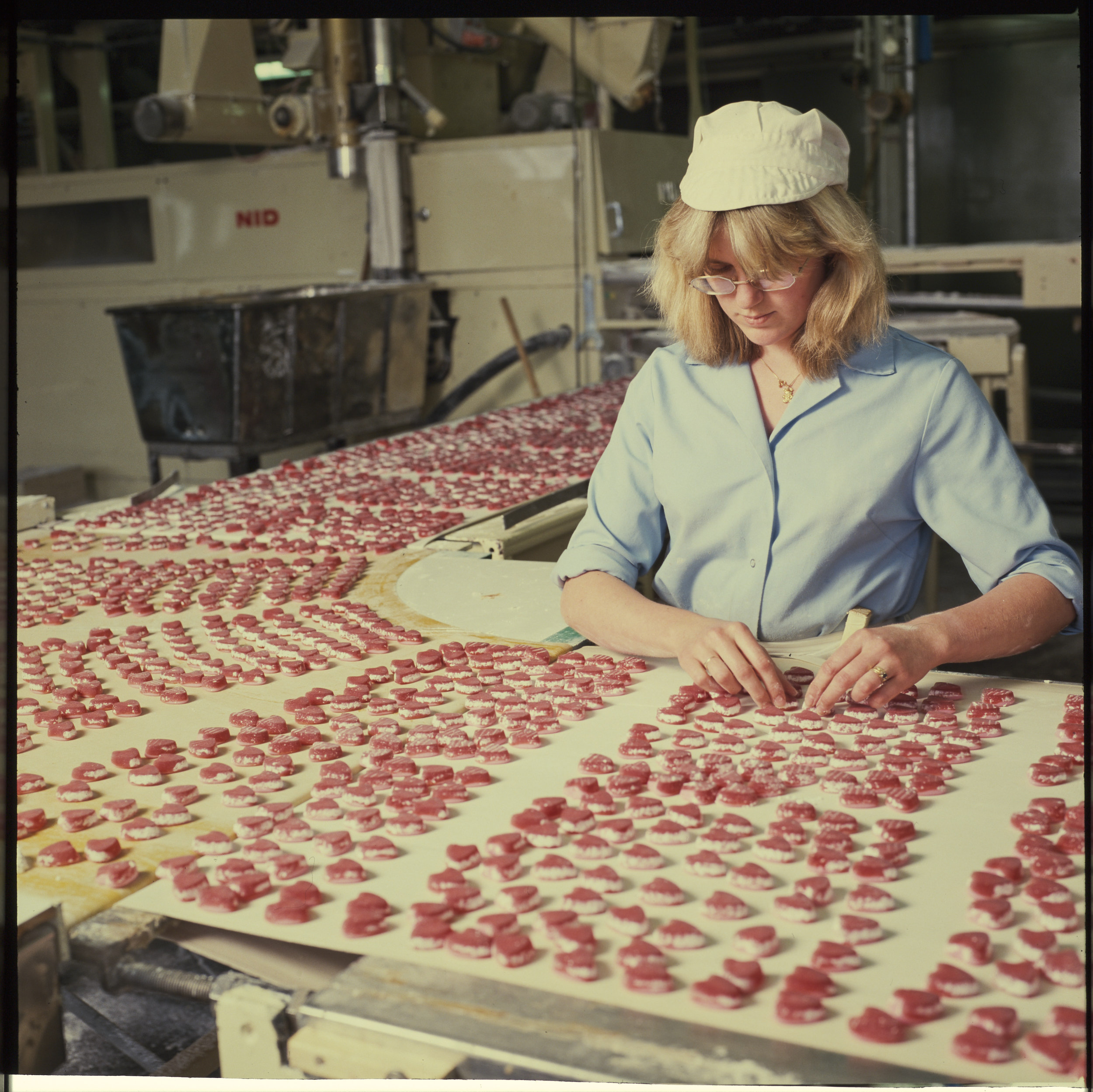
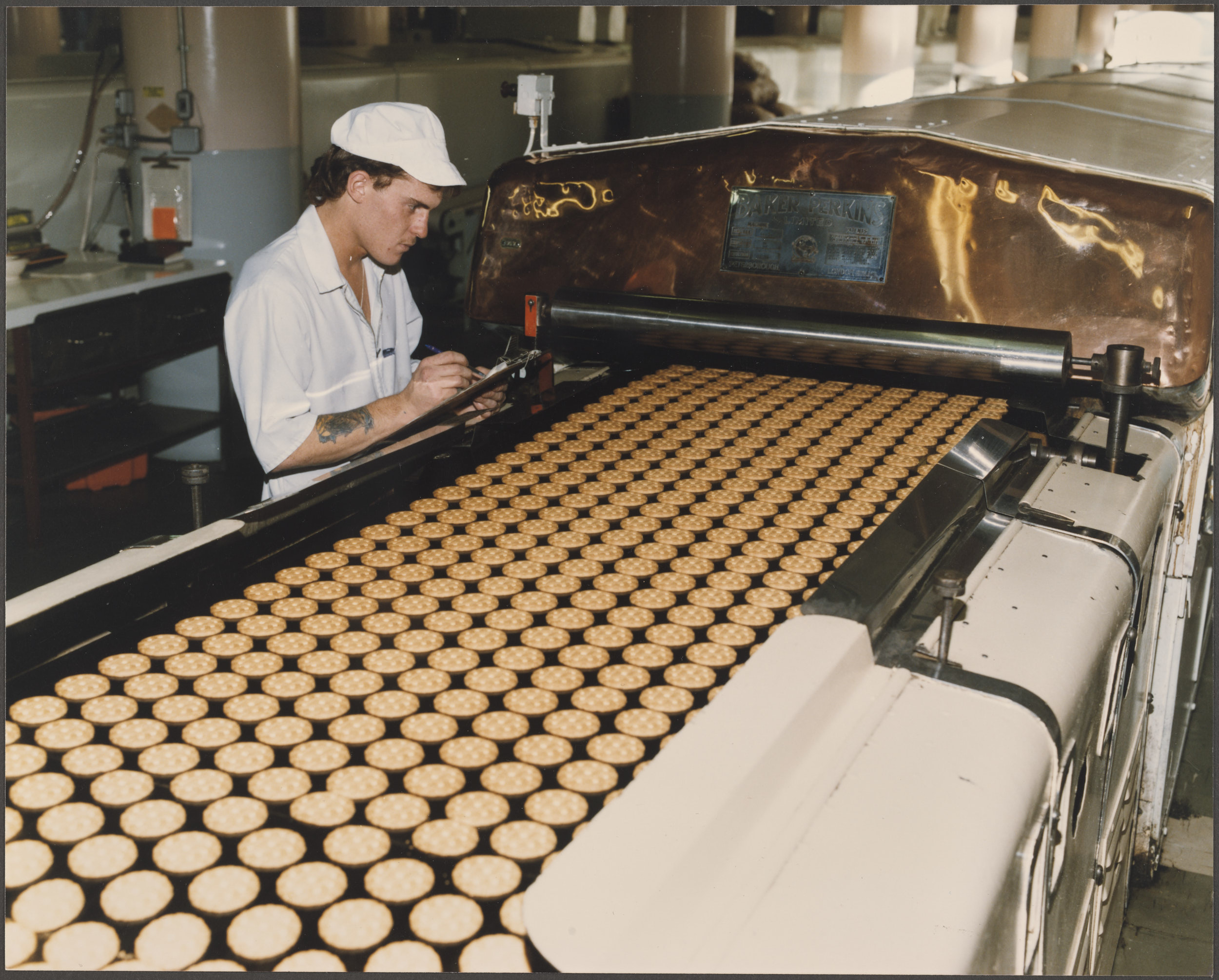
In 2024 and 2025, the records of Hudson, Cadbury, and associated brands were arranged, described, and listed. They take up nearly 25 metres of shelving and are listed on the Hākena catalogue (ref: ARC-0977) as over 1300 issuable items. The collection is particularly rich in photographs (over 10,000!) and advertising, including sales aides and files and albums of packaging. There are directors’ minutes and some other administrative and financial records, although only a little in the way of correspondence or subject files. There are still more wrappers, posters etc. yet to be processed, in the separate Hocken Ephemera Collection.
It was my pleasure to carry out the arrangement and description, although often somewhat wistfully as I am diabetic!
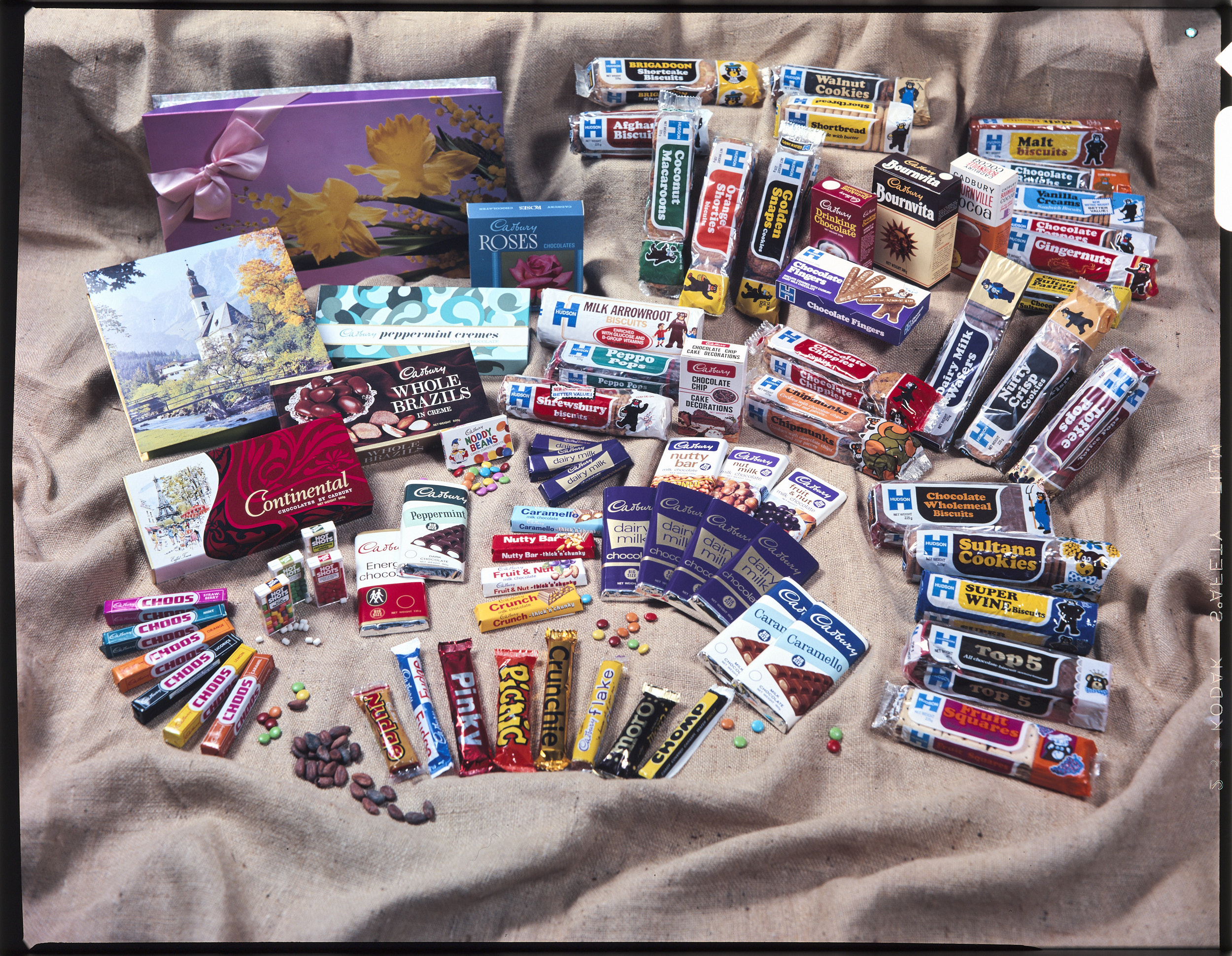
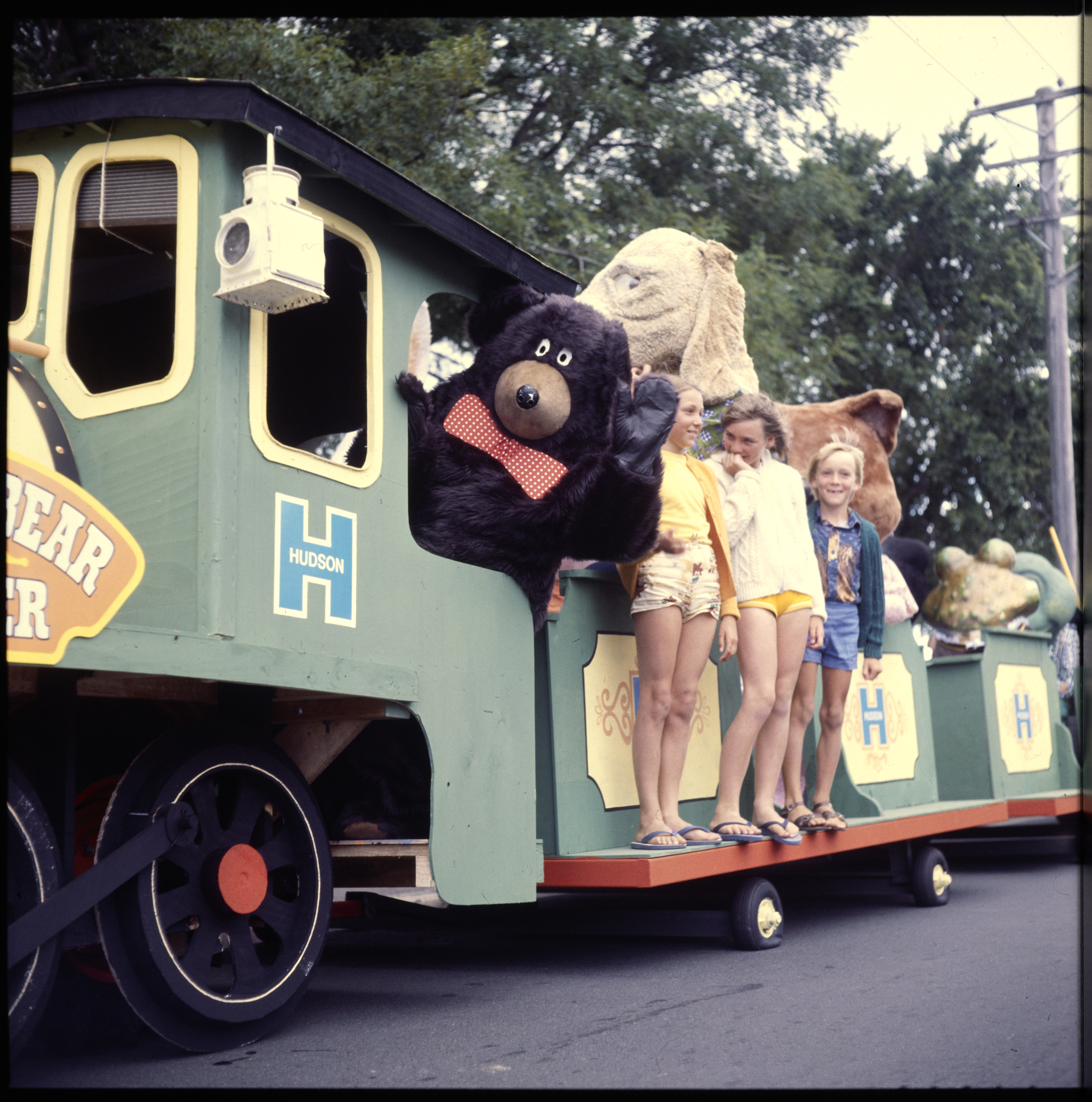
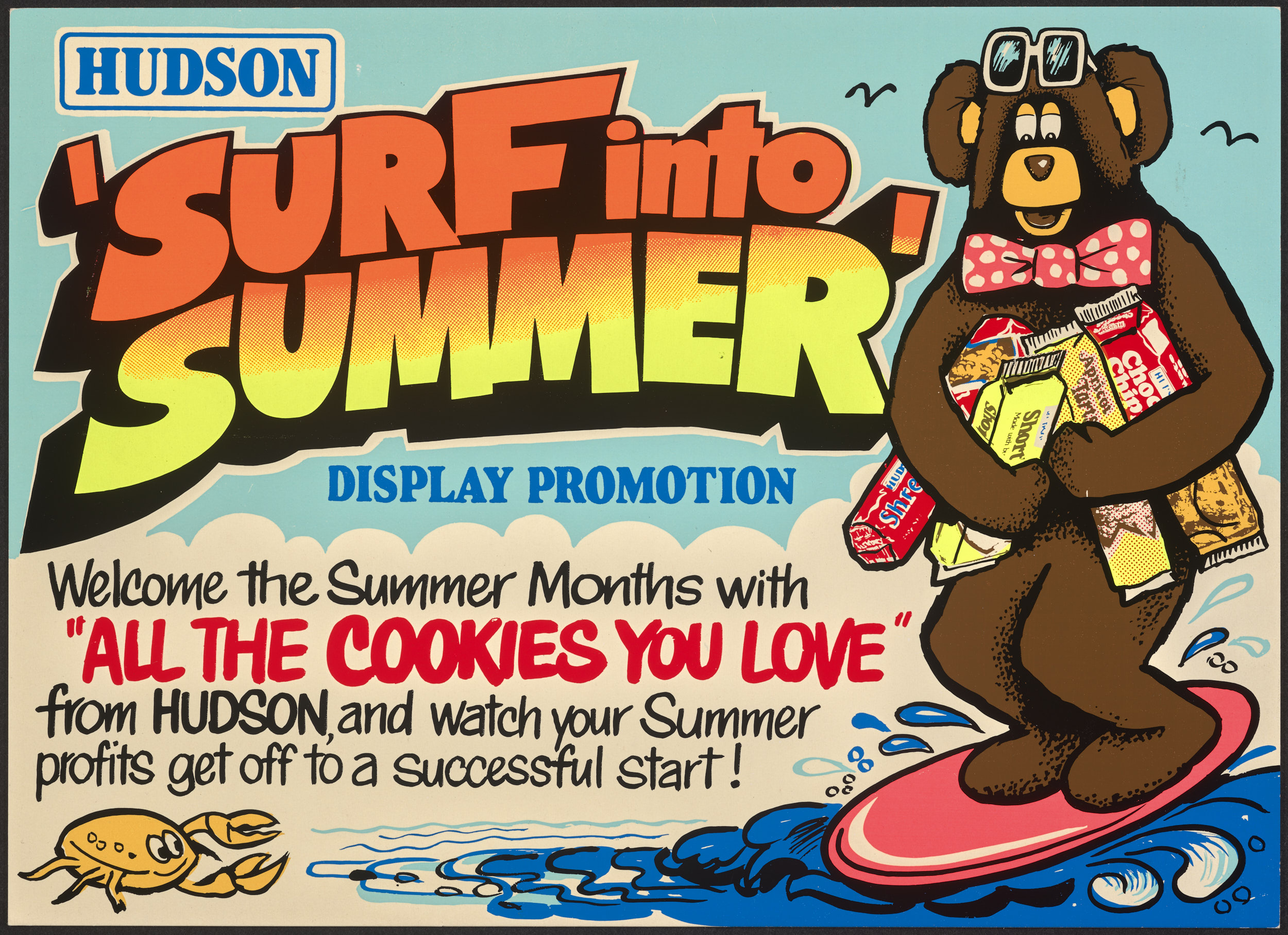
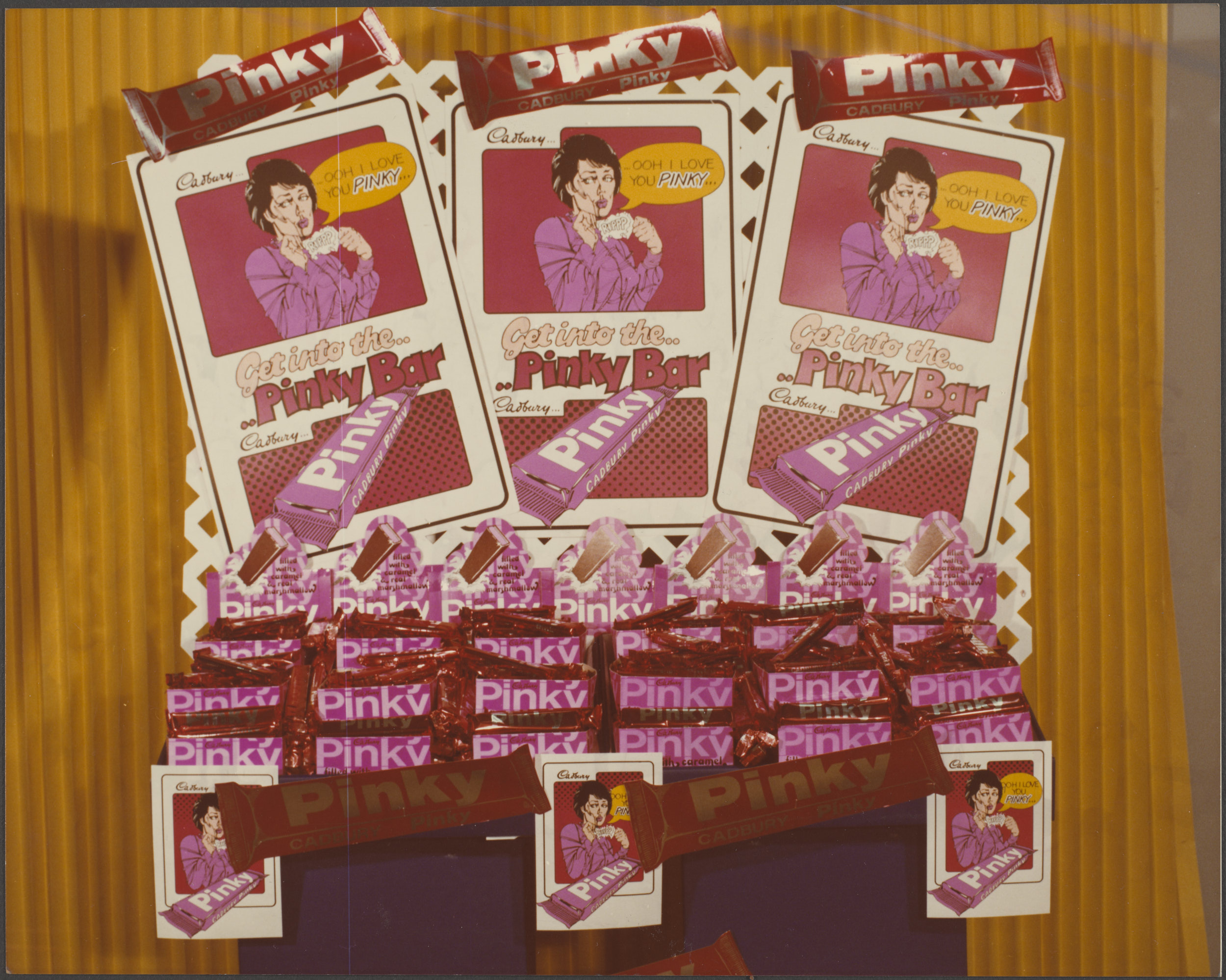
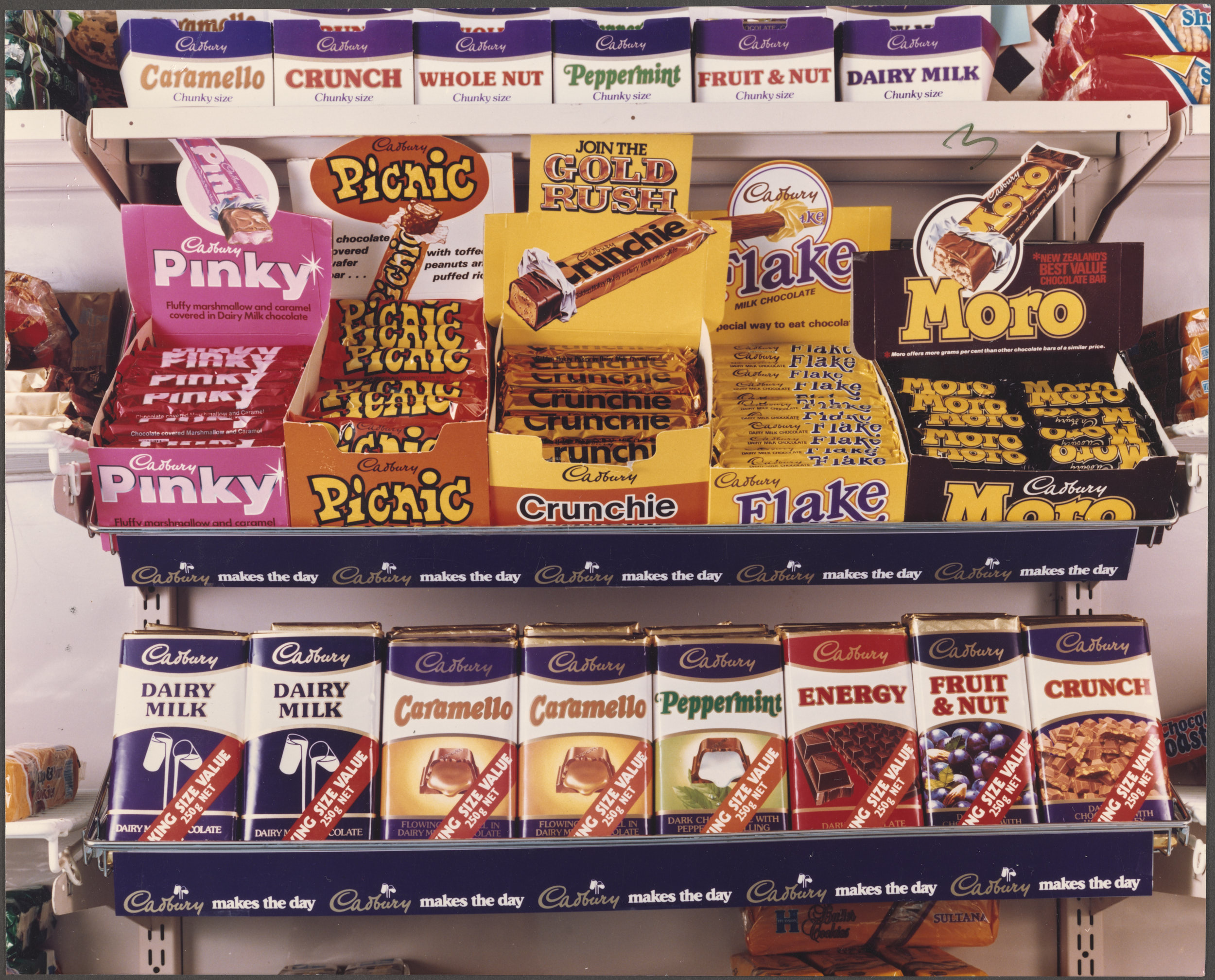
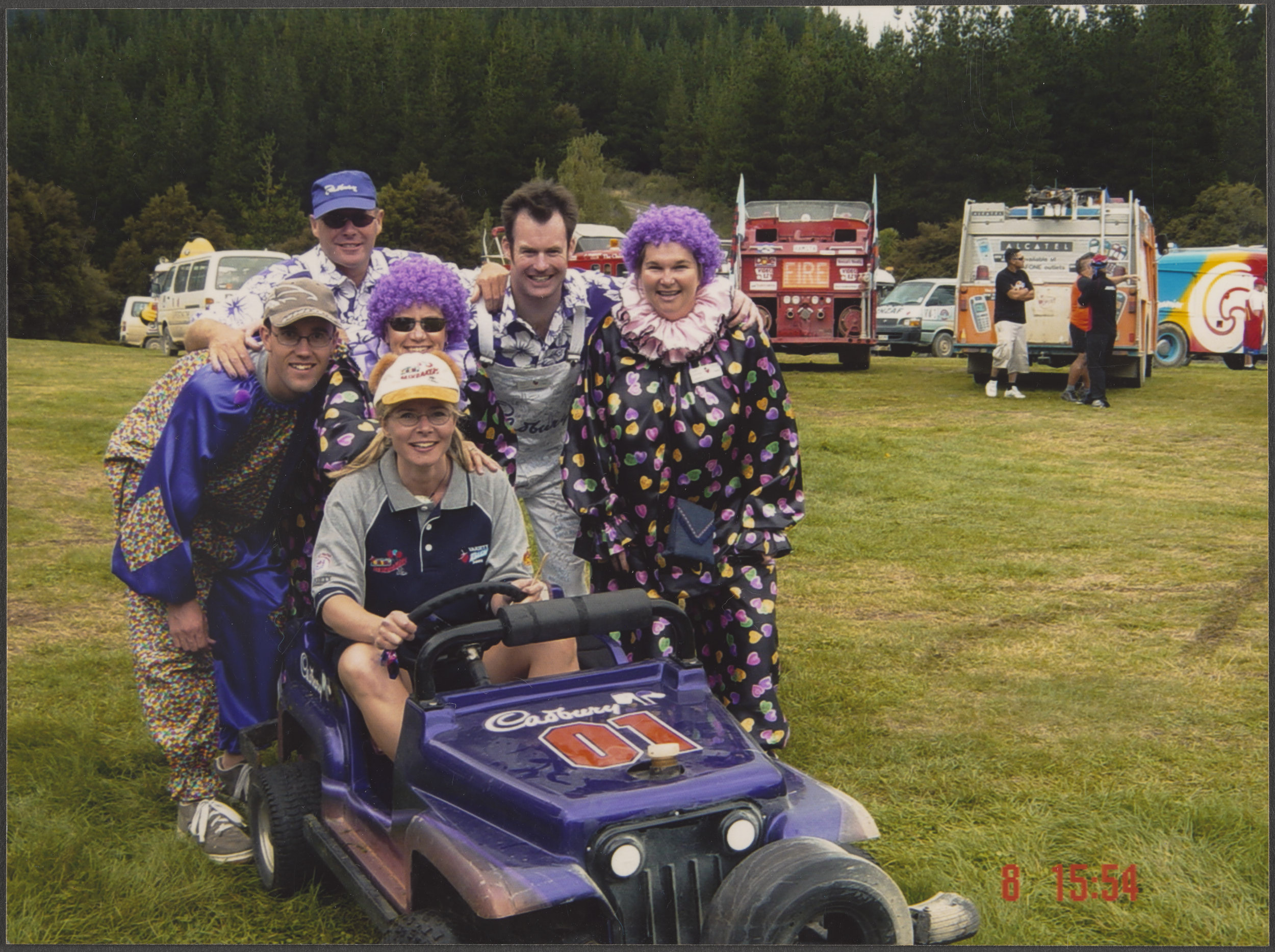
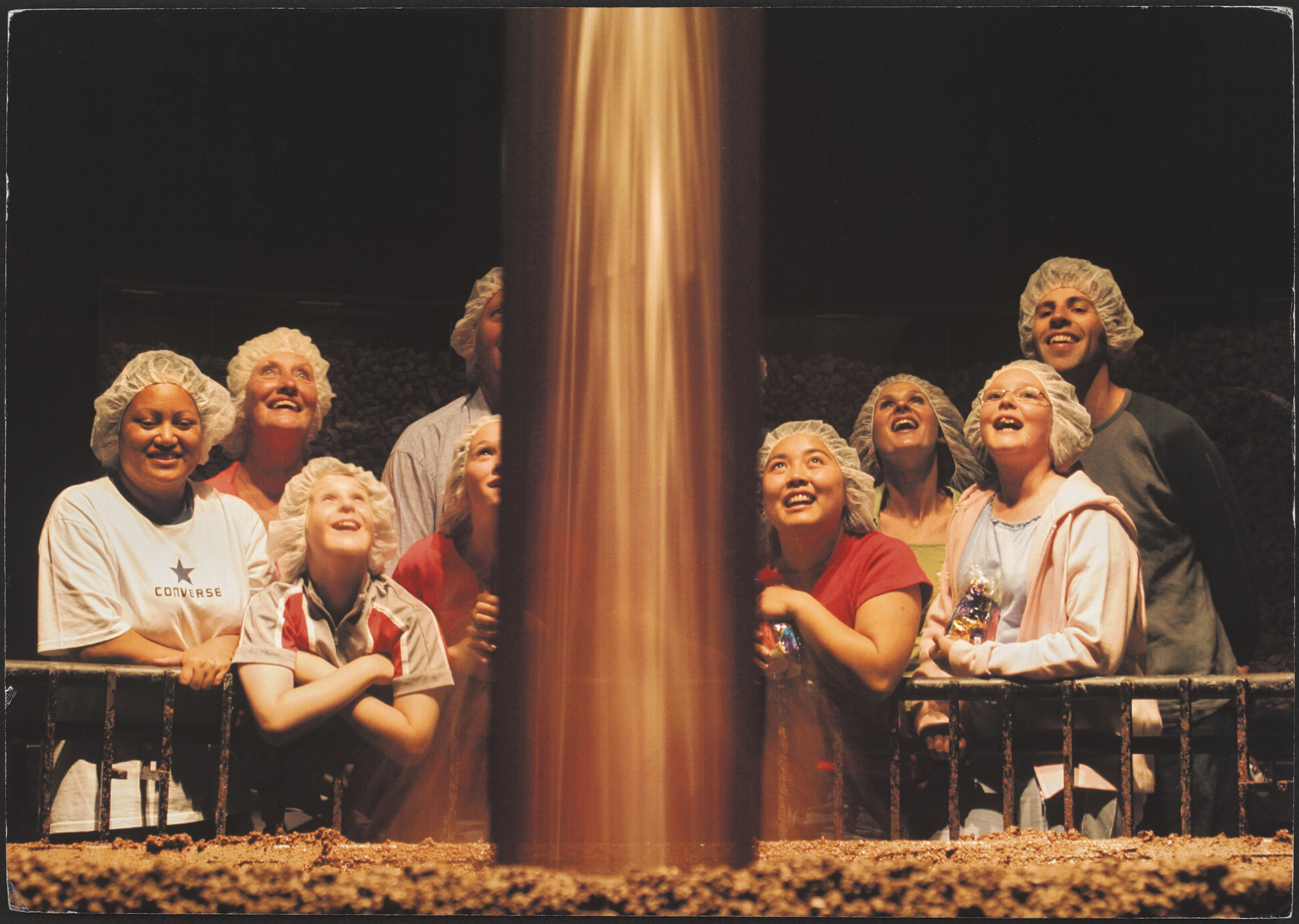
Below is a sample of images from the collection, and an example from the film advertisements. The ad is fun but quirky – I wonder how much use a conductor waving a baton would be to a choir of people wearing blindfolds. Can anyone tell us his name?
In coming weeks and in the New Year we will be adding more images to our Digital Collections site. Much of the material is out of copyright, and much other content may be used under a Creative Commons BY-NC (non-commercial) license, where indicated.
The business went through many administrative changes through the years, from R. Hudson & Co. through to ownership by Mondelēz. For more detail of this sometimes confusing administrative history see the summary at the very end of this post.
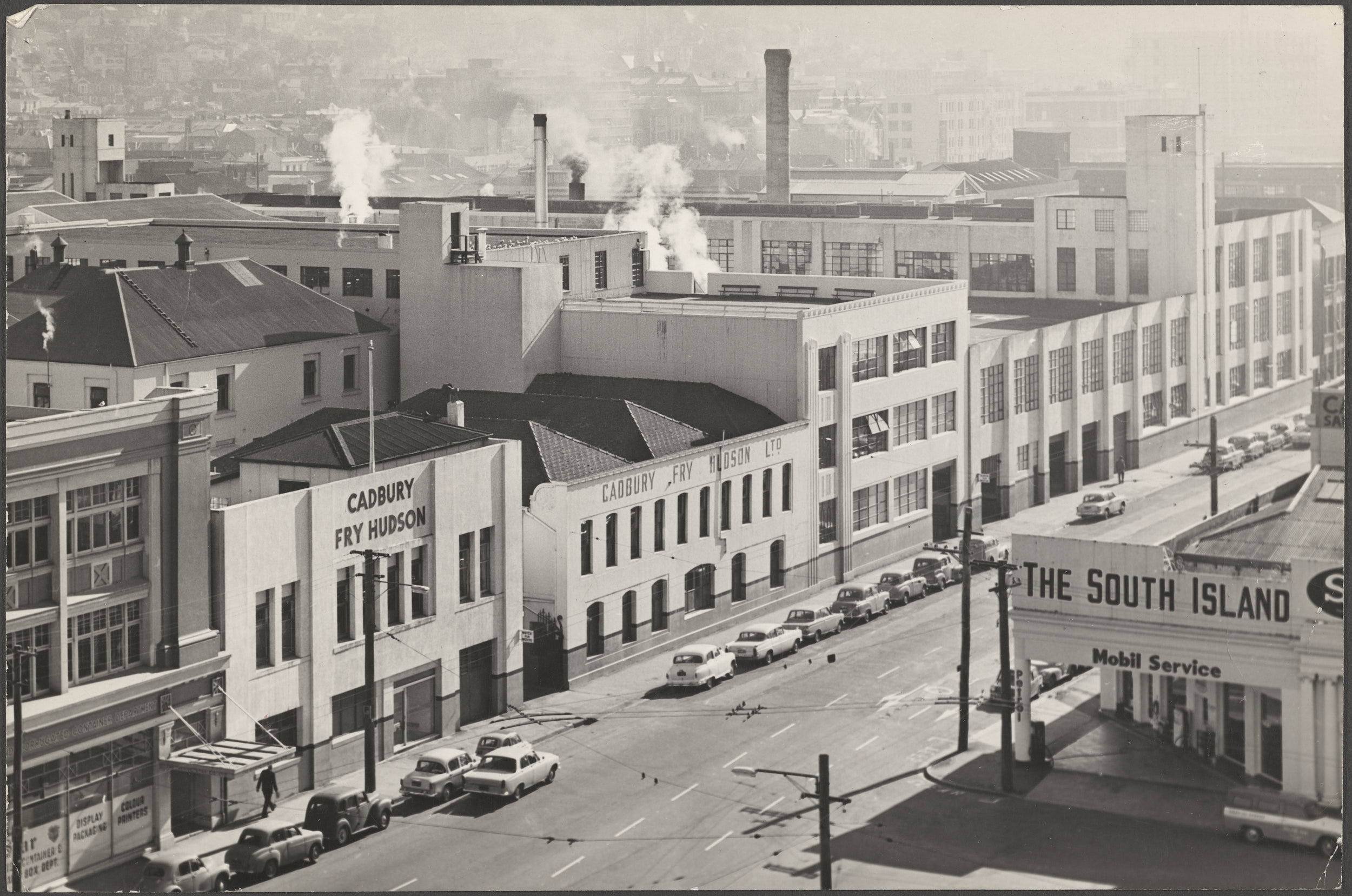
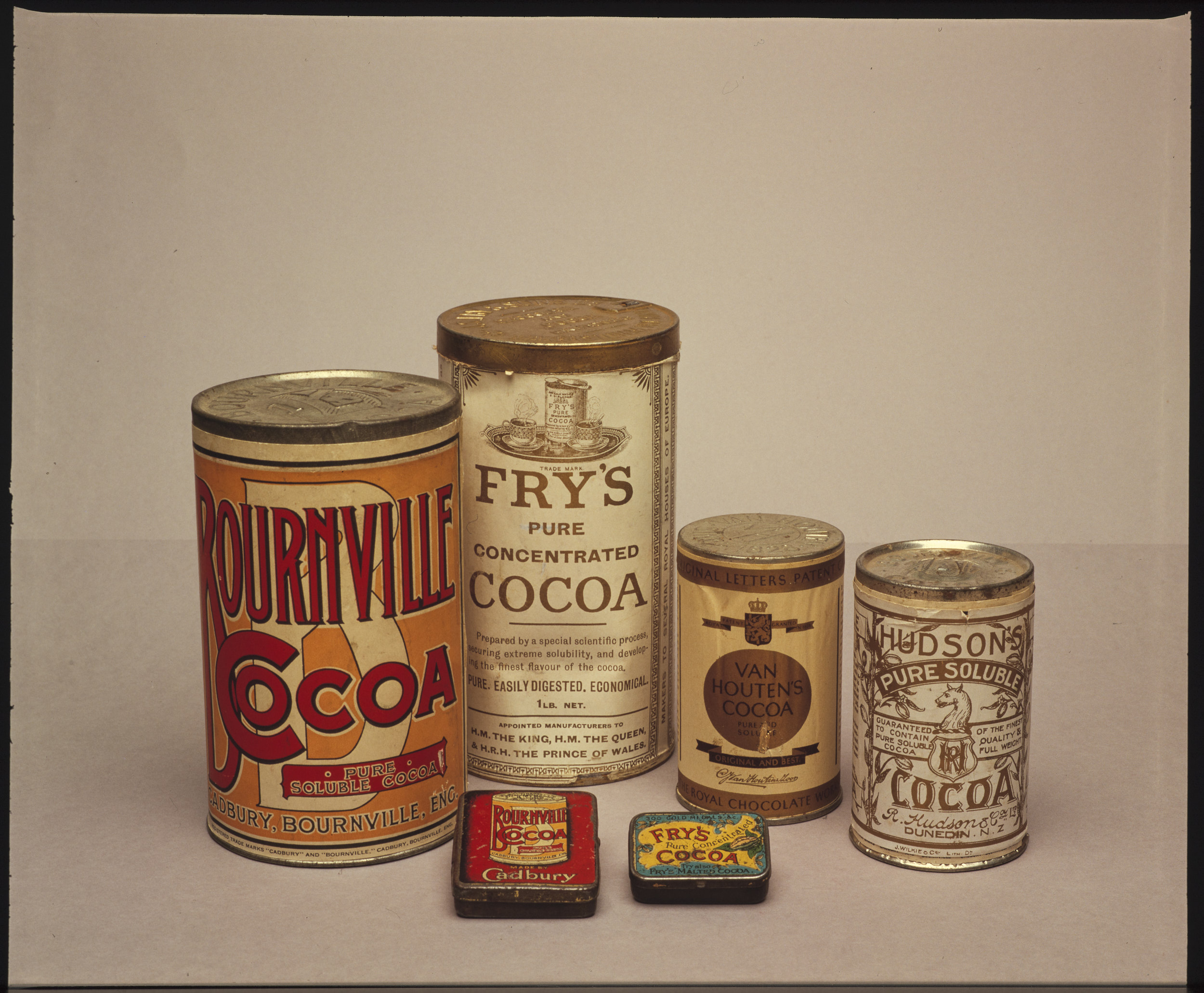
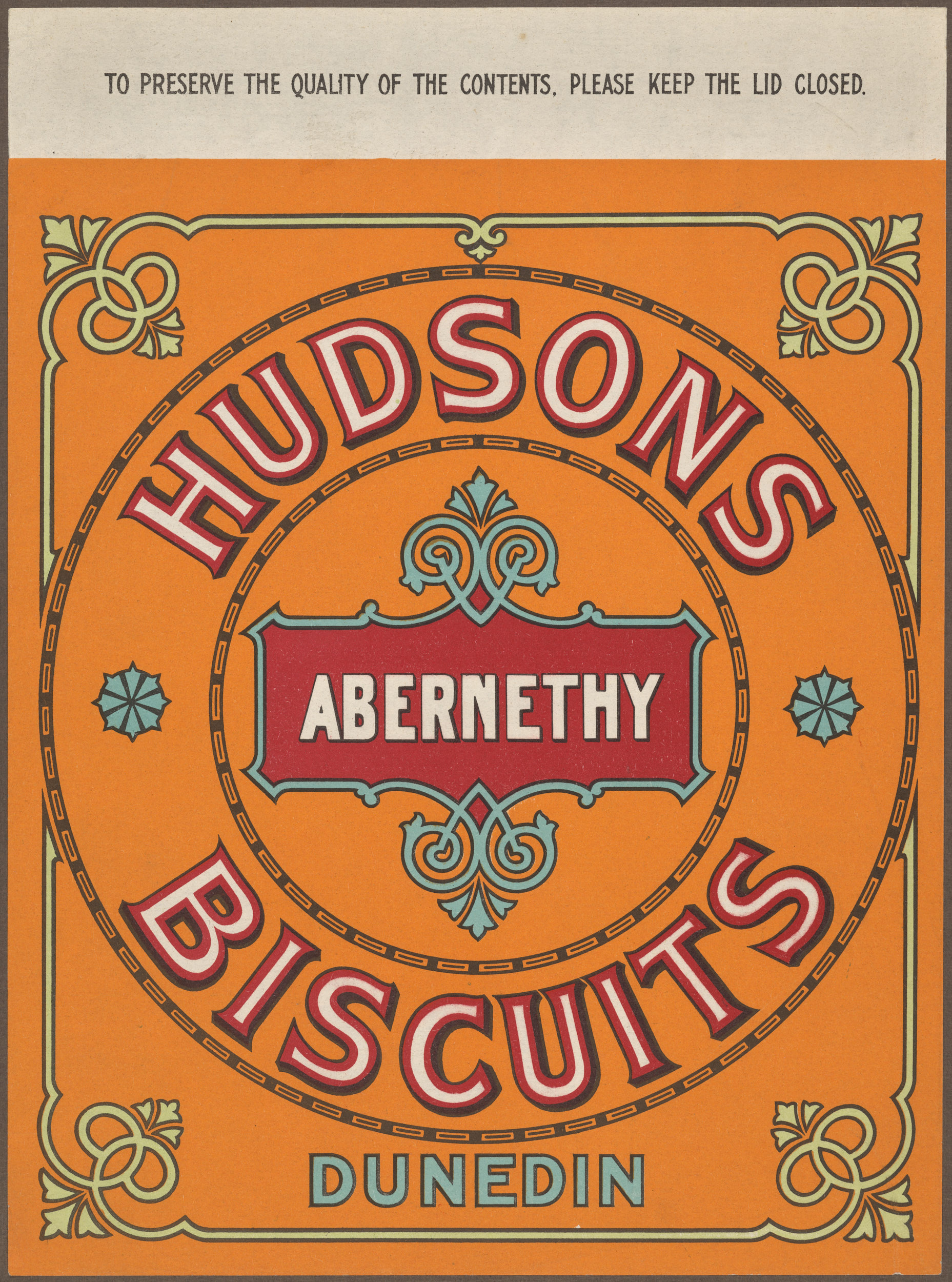
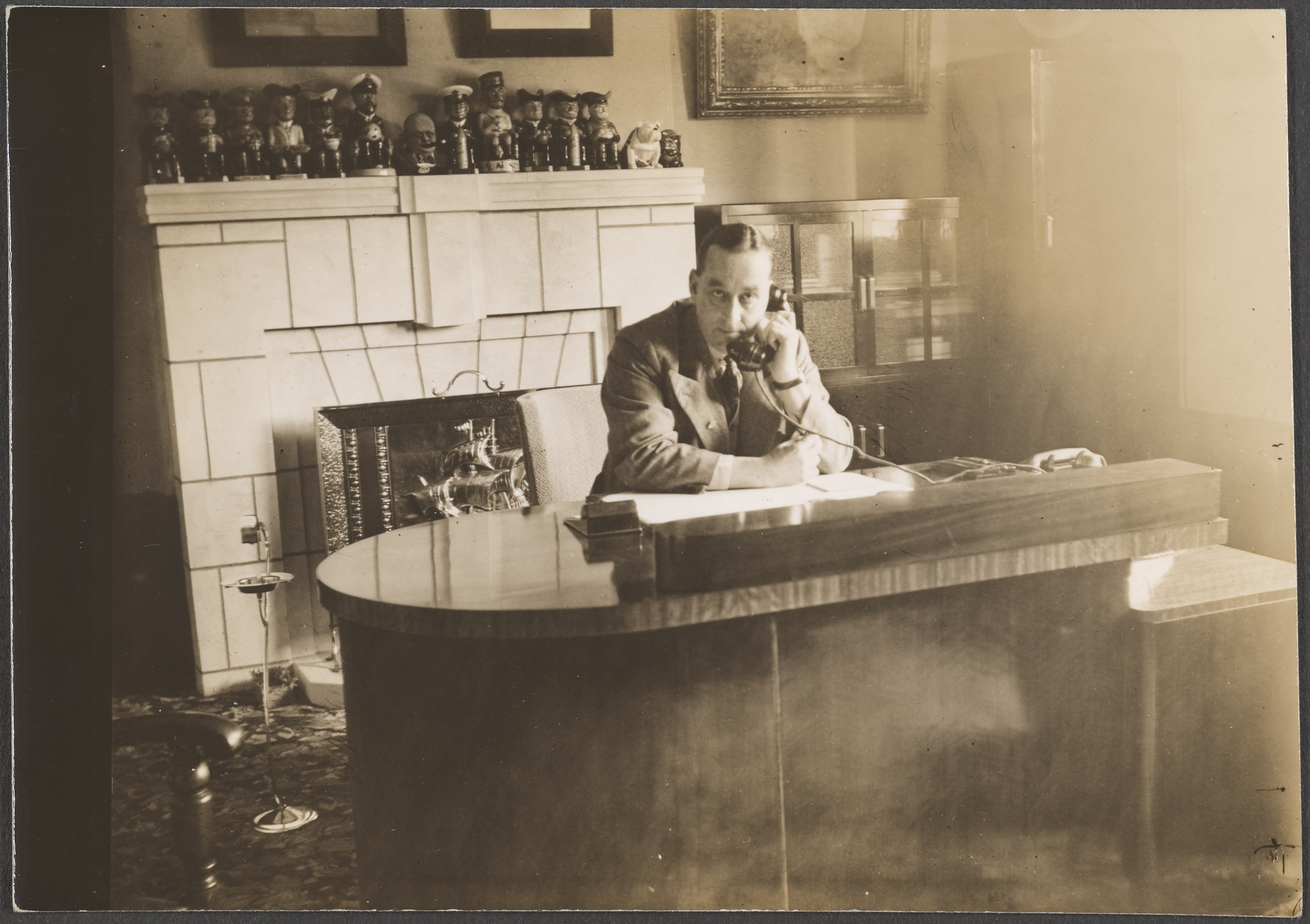
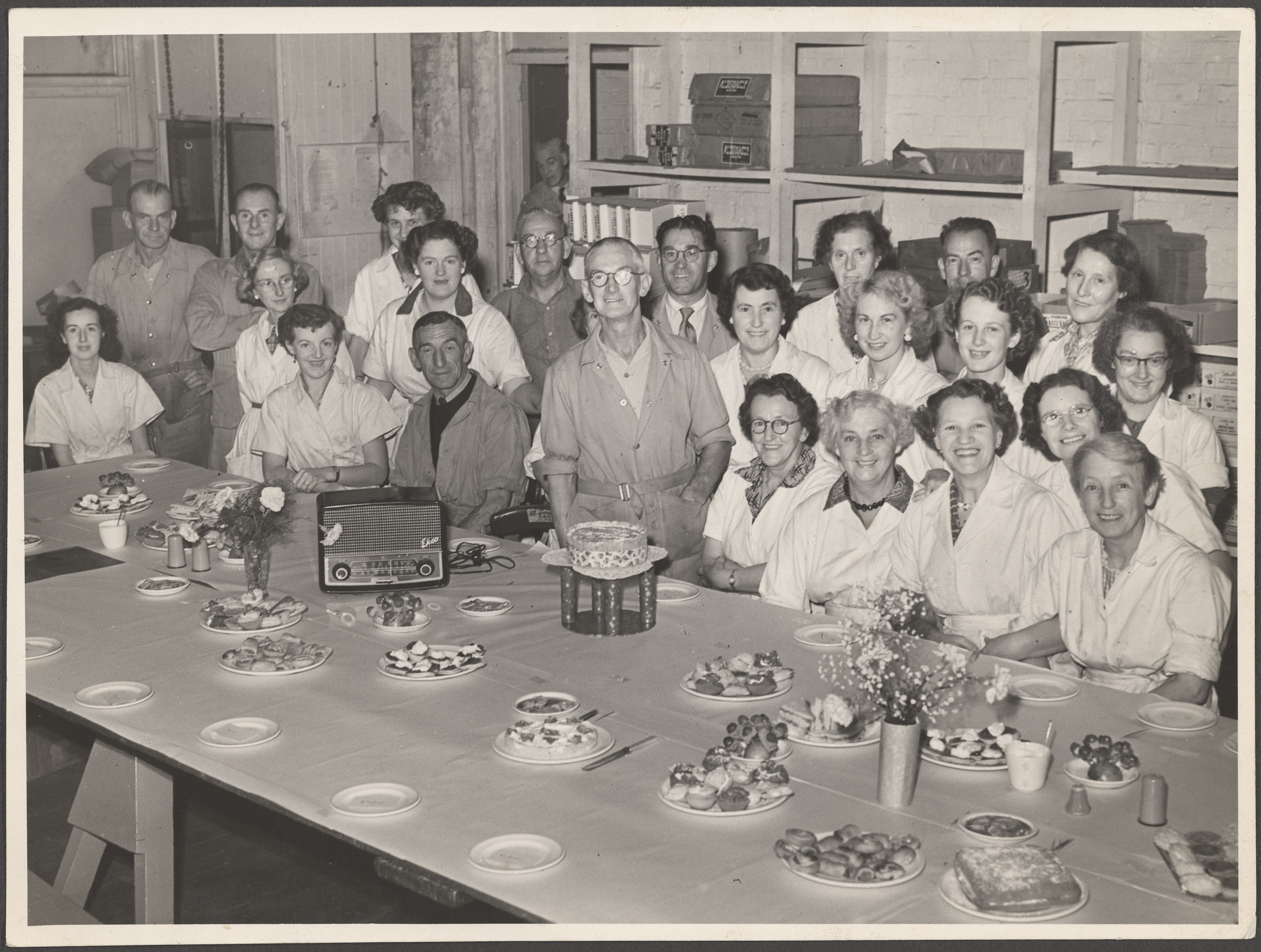
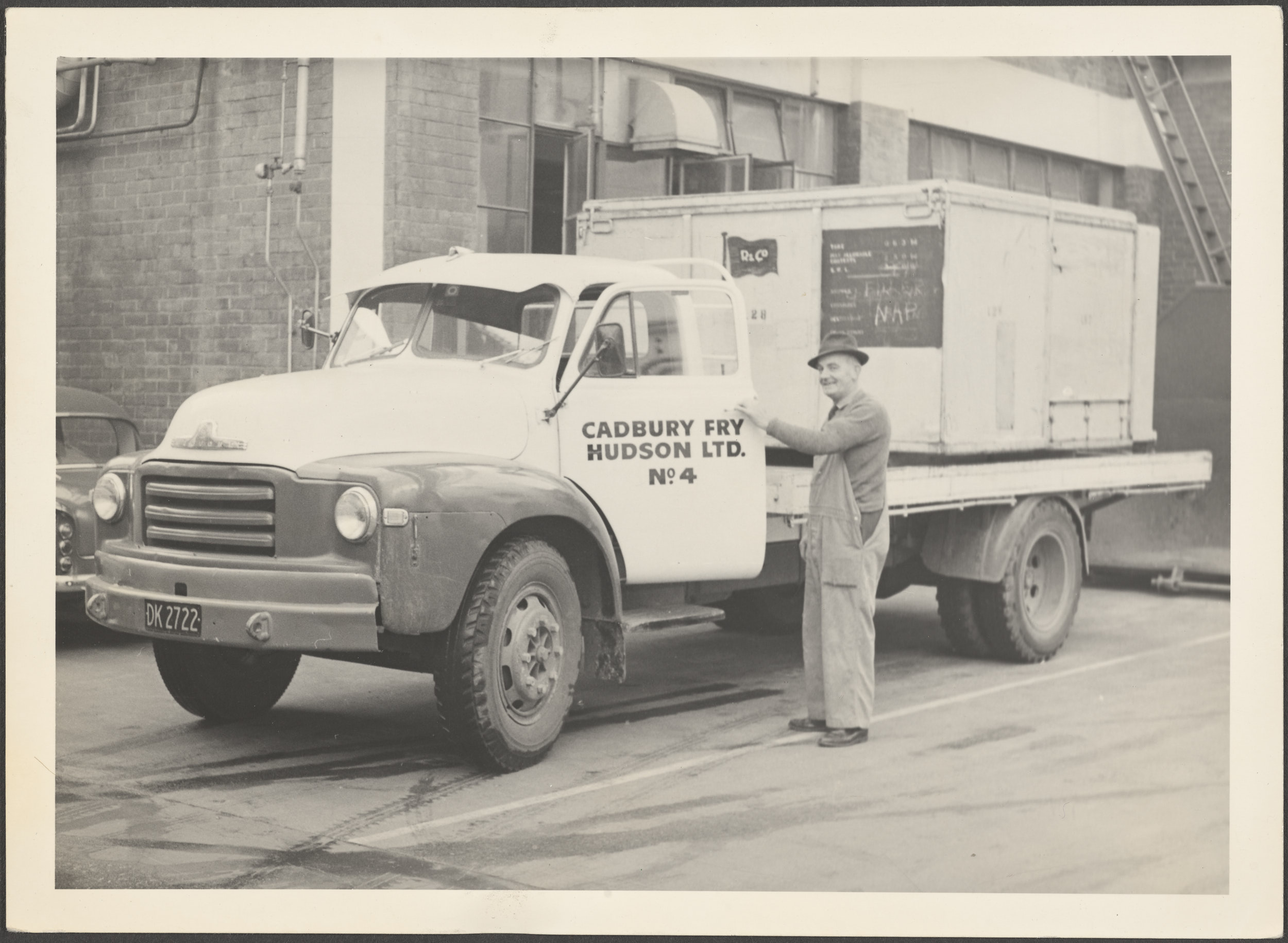
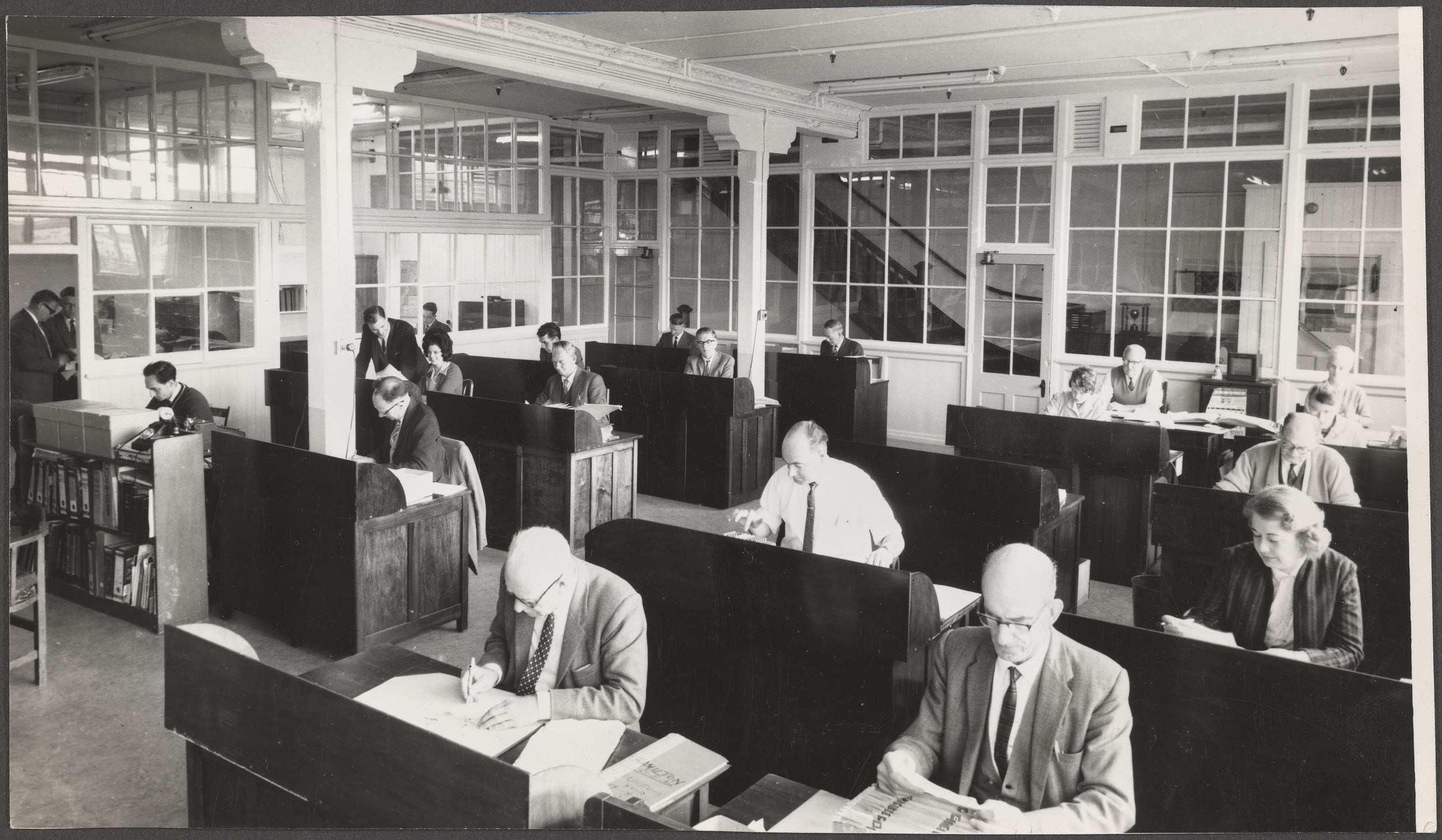
A brief history of Hudson and Cadbury in Ōtepoti Dunedin
Richard Hudson established a wholesale biscuit manufacturing business in Dunedin in 1868, on a site off Princes Street, about where no. 178 (Great Wall Takeaways) is today. In 1871 a new factory was built on the south side of lower Dowling Street. By this time R. Hudson & Co. boasted a range of ‘celebrated machine-made biscuits, confectionery, cakes etc.’
Hudson purchased the old Masonic Hall in Moray Place in 1873 and converted it to factory purposes. In 1885 Hudson imported equipment for the manufacture of cocoa and chocolate. R. Hudson & Co. became a limited liability company in 1899. The factory again moved in 1901, to the familiar site between Cumberland and Castle streets.
Cadbury Bros was founded in Birmingham, England, in 1824, and established a subsidiary business in Wellington in 1890. The parent company merged with J.S. Fry & Sons in 1919, and the following year its New Zealand operation became Cadbury & Fry’s (NZ). In 1930, Cadbury purchased a controlling interest in R. Hudson & Co. resulting in the formation of Cadbury Fry Hudson Ltd (CFH). Chocolate and cocoa products were mostly sold under the Cadbury brand, with biscuits and some confectionery marketed under the Hudson name. An additional biscuit manufacturing plant opened in Papakura, Auckland, in 1965.
In 1969, Cadbury Group (UK) merged with Schweppes Ltd to form Cadbury Schweppes PLC. This led to CFH becoming Cadbury Schweppes Hudson Ltd (CSH), effective from January 1973. In 1990, CSH transferred its Hudson biscuit business and Papakura factory to Britannia Foods, in exchange for that company’s Griffin’s confectionery business and Avondale factory. This saw the departure of longstanding products such as Shrewsbury, Chocolate Chippies and Toffee Pops, as well as the familiar Hudson Cookie Bear, which had been a brand mascot since the early 1970s.
CSH dissolved in 1991 and its assets were transferred to the newly incorporated entity Cadbury Confectionery Ltd. As part of the Britannia Foods deal, Cadbury gave up its rights to sell products under the Hudson name. It chose to apply the Pascall brand to the former Griffin’s confectionery lines. The Pascall name derived from the confectionery business of James Pascall Ltd. Established in London in 1866, Pascall had entered into a joint partnership with Cadbury in Australia in 1921, and CFH took on a license to make Pascall products in the 1930s. The UK company merged with R.S. Murray in 1959 and Pascall-Murray was sold to Cadbury in 1964. Other brands manufactured by Cadbury Confectionery included the Red Tulip and Van Camp chocolate ranges.
The Head Office moved to Auckland in 1996 but manufacturing continued in Dunedin. A Cadbury World tourist attraction opened in 2003. The Avondale factory closed in 2009 and production consolidated on the southern site, now under the name Cadbury Ltd. In 2010, Kraft Foods Inc. acquired Cadbury business worldwide. It became part of Kraft’s global snacks business, which was split out as Mondelez International in 2012. The Dunedin factory closed in March 2018, ending Cadbury production in Aotearoa, and resulting in the loss of more than 350 jobs. Production shifted to Australia. The government purchased the Cumberland Street property as a site for the inpatient block of the new public hospital. The old factory was demolished between 2020 and 2022, with the exception of the ‘old dairy’ buildings on the southern boundary of the site.