Manu narratives of Polynesia

Raphael submitting his thesis in April.
Te Tumu would like to congratulate Raphael Richter-Gravier, one of our stellar postgraduate students, for having completed all the post-examination formalities for his PhD on “Manu narratives of Polynesia: a comparative study of birds in 300 traditional Polynesian stories“.
Raphael was supervised by Professor Michael Reilly and Dr Michelle Schaaf from Te Tumu, and through a co-tutelle arrangement, also by Professor Bruno Saura from the University of French Polynesia. Raphael’s research is comprehensive and in-depth, looking at a wide range of bird stories on a number of themes from all around Polynesia, including Aotearoa.
If you are interested in delving into some of the stories, or reading Raphael’s thesis in its entirity, it is now available online on the university’s OUR Archive. Click here to access it.
Raphael will be graduating in December, and is planning to publish from his research.
3 Summer Scholarships for Māori students
The Te Hau Kāinga team are looking for three Māori students (second year or higher in 2019) for some amazing research-based work over the 2019-2020 summer break. There are two main options. One is to develop a project in your home area to look at how the Second World War affected the whānau and communities there. The output can be a written report, a mōteatea, a video (or something else) that can be shared with your whānau. The other is to undertake archival research within an archive, such as the Hocken Collections, or Ngā Taonga Sound and Vision. If you are curious, or want to discuss an idea, or find out more, contact the project leaders. Click here for more information, or to apply.
Website now live for Te Hau Kāinga project
 The website for the Te Hau Kāinga project went live this week. Te Hau Kāinga is a Marsden-funded research project led by Angela Wanhalla (History) and Lachy Paterson (Te Tumu) investigating the impacts of World War Two on Māori who remained in New Zealand during the conflict, either in their home communities, or working away from home. Designed by local web design company, Myth, the website is fully bilingual. It features a photo gallery, and a “stories” section, as well as a page where interested people can upload their own whānau stories and photographs. Check it out – click here. As stories get added to this site, links to these will be posted to the project’s FaceBook and Twitter pages. Feel free to follow these to find out more as the project rolls out.
Te Hau Kāinga
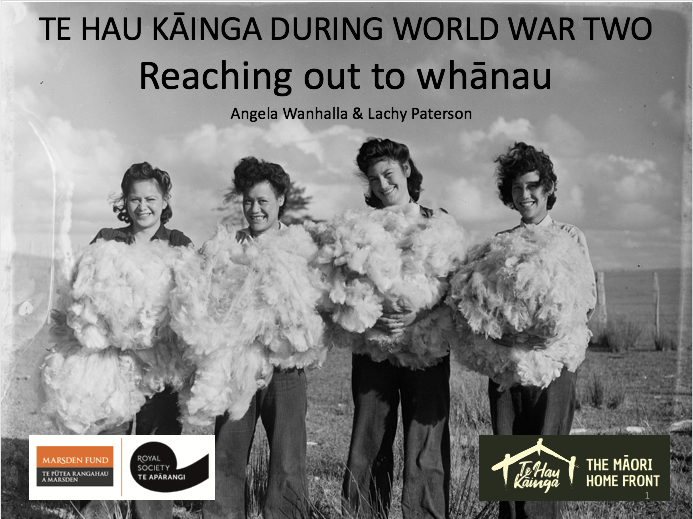 Angela Wanhalla (History) and Lachy Paterson (Te Tumu) will be giving a talk on what’s involved in their new Marsden-funded project, Te Hau Kāinga: Histories and Legacies of the Māori Home Front, 1939-1945 this evening.
This will be in the Seminar Room at the Hocken Collections at 5.30pm, 11 September. Yes – this evening.
In particular, they will be explaining how they intend to reach out to whānau to let them know about the project, and to give them the opportunity to share stories of how their kaumātua or tīpuna coped during the war period. Students who wish to return home and undertake some whānau research over the summer break should come along and learn about the summer scholarships on offer. Another highlight will be a sneak preview of the project’s website that will be launched very soon.
Colonialism, Race, Print and Intestinal Fortitude
[From Professor Poia Rewi]
On Monday, 29 July 2019, Archway 1 was treated to a powerful inaugural professorial lecture by Professor Lachlan (Lachy) Paterson. Vice Chancellor, Professor Harlene Hayne, welcomed whānau stretching from Dunedin to the Bay of Islands and Tasmania; and University of Otago academics and friends to hear some strong messages on subject matter that requires careful navigation and courage.
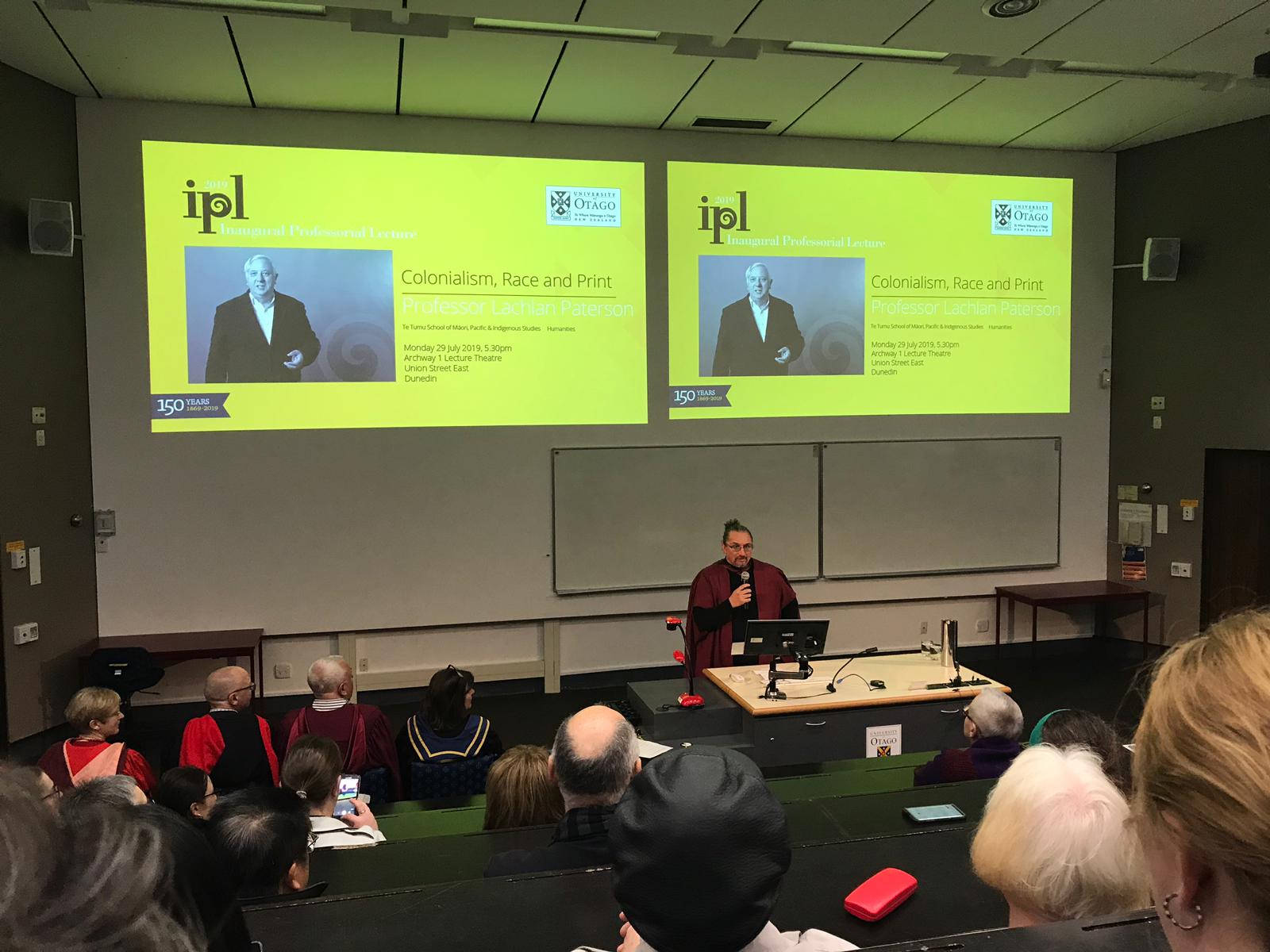
Professor Poia Rewi introducing the lecture.
Lachy duly acknowledged his whānau, senior leaders and colleagues in Te Tumu and across the wider university. He also made a special ‘shout out’ to client services staff who, as he said, “without them, the University would grind to a halt”.
Being promoted to Professor this year, Lachy, a non-Māori, a self-proclaimed Pākehā New Zealander ensconsed in Māori language texts, Māori-language print culture; the Treaty of Waitangi and Māori social, cultural, political and religious history, courageously and non-hesitantly gave his lecture on these topics; an academic historiography that demonstrated the multifarious nature of his teaching, research and engagement.
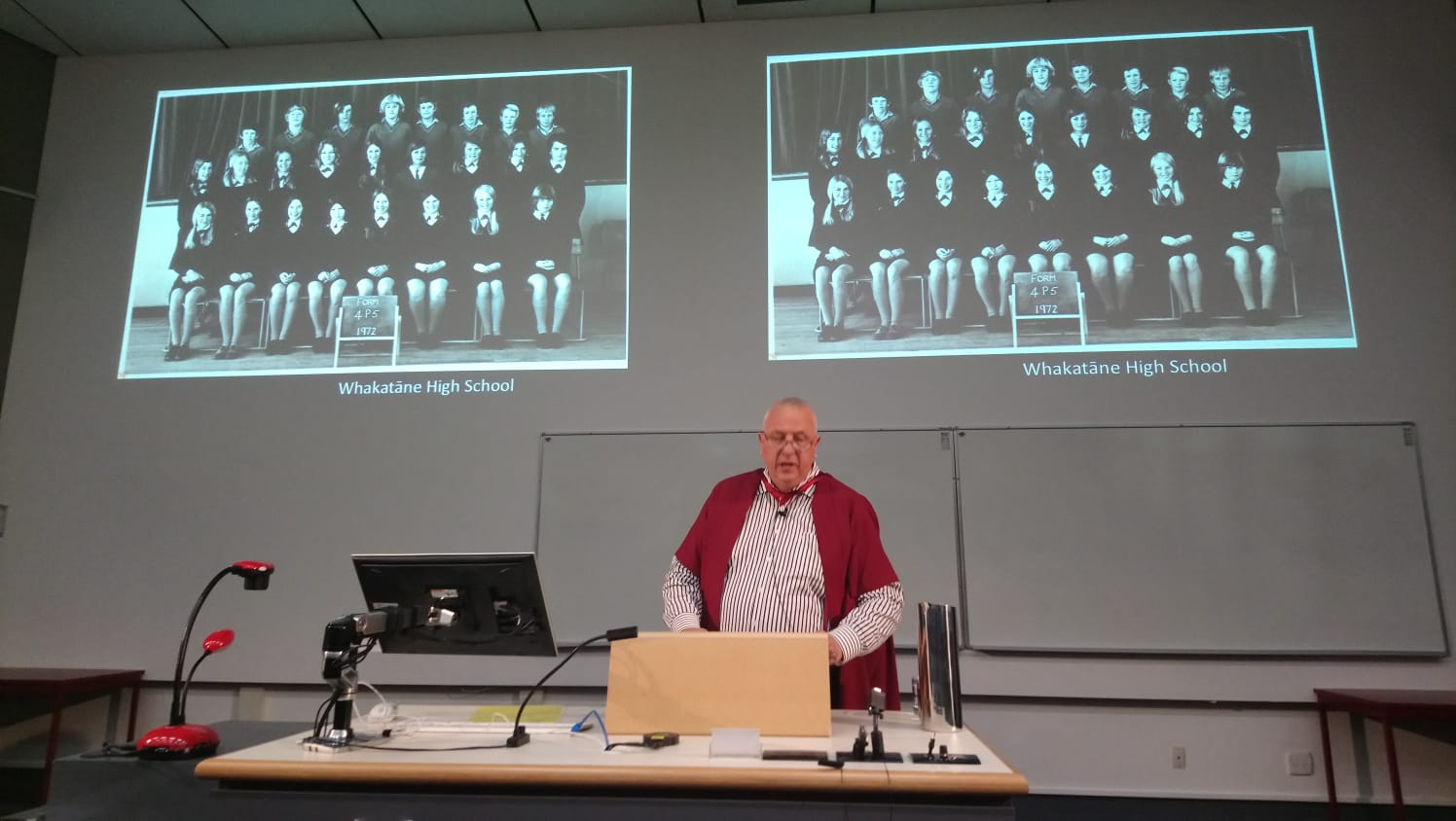
Lachy Paterson
His lecture began with discourses from government newspapers published in the mid-1800s, and the nature of colonial racial discourse, in which Māori identity and culture was portrayed. He then discussed Māori and Pākehā attitudes towards race mixing. He concluded by extending a challenge that ‘we need to be vigilant and challenge any racist ideas that might re-appear today’.
This evocative conclusion rounded off a well-received lecture. His sustained high delivery and performance across research, teaching and community service provided the strong foundation upon which the University of Otago Promotions committee promoted him from Associate Professor to Full Professor in 2019.
After his lecture, attendees were invited by Prof. Tony Ballantyne to the University of Otago Staff Club for refreshments and to reconnect as friends and colleagues and continue conversations on the content they were privileged to hear.
Upon reflection of the lecture, his tuakana Gavin aptly summised, “ If more people took on board what Lachy talked about today, what better place than New Zealand would there be for people to live in harmoniously”.
Lachy Paterson — Inaugural Professorial Lecture
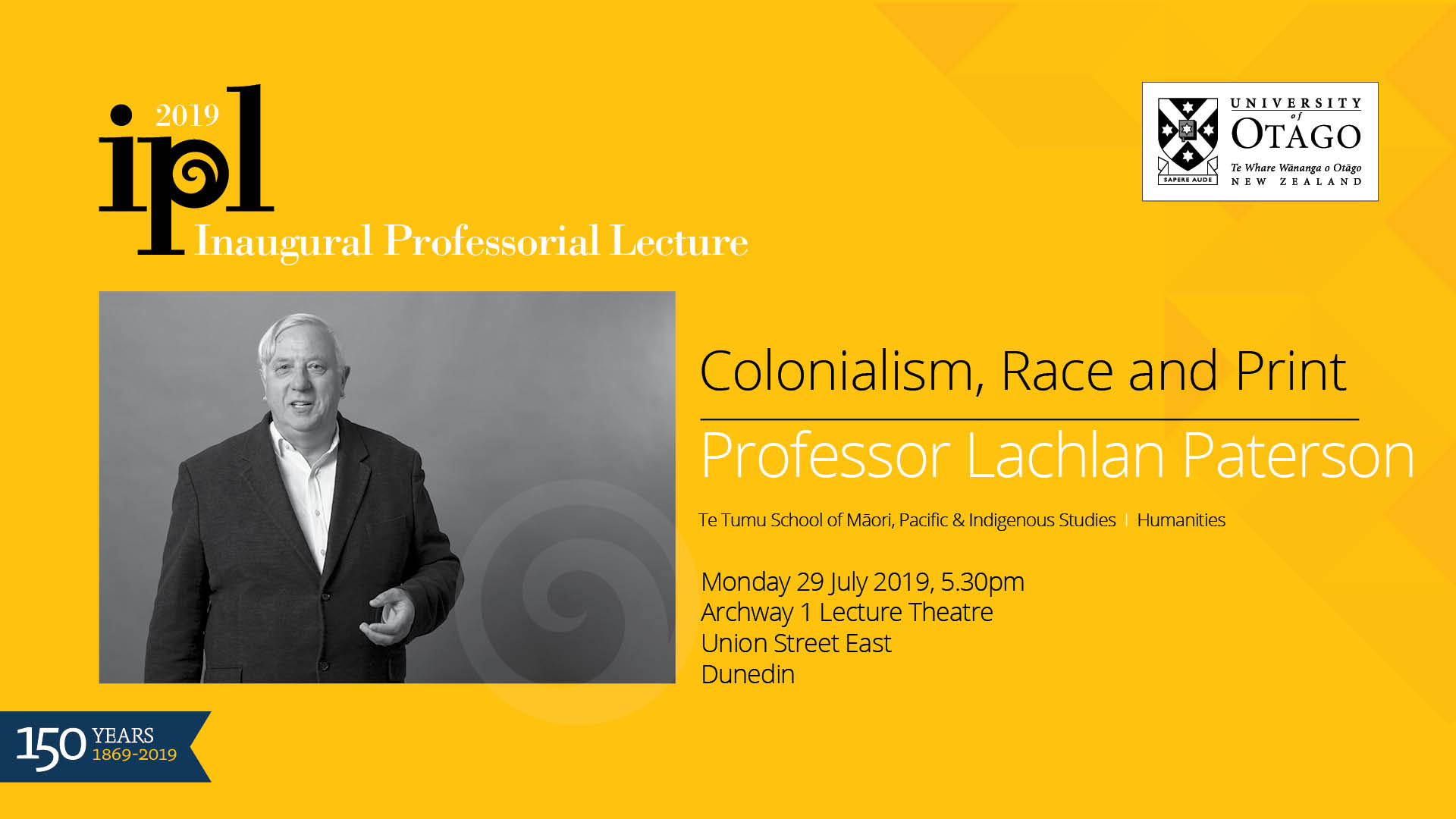
CLICK TO ENLARGE
Later this month, at 5.30pm on 29 July, Te Tumu’s newest professor, Lachy Paterson, will deliver his Inaugural Professorial Lecture, in Archway 1 Lecture Theatre. Titled “Colonialism, Race and Print” is looks at some of Lachy’s work with colonial newspapers.
This is a public lecture open to all. This will also be live-streamed (click here for the live-stream link, and more information.) In due course the lecture will also be uploaded into the University’s YouTube channel.
More graduation success for Te Tumu
Being able to highlight student success always brings great pleasure to Te Tumu. This May we have ten students completing their degrees in May. Thomas Aerepo-Morgan (Ngāi Tahu, Waikato, Ngāti Whakaue, Kuki Airani), Maramena Tuna (Tūhoe) and Kaahu White (Ngāi Tahu, Te Rarawa) graduate with a BA in Māori Studies. Thomas is currently pursuing a Master of Indigenous Studies degree, and Maramena is teaching our MAOR108 (Waiata) paper. Liam Gillan-Taylor (Pākehā), Brogan Handcock (Ngāti Tūwharetoa, Ngāti Kahungunu, Pākehā), Jade McCaughan (Pākehā), Tiana Matthews (Ngāti Kahungunu, Ngāti Tūwharetoa, Ngāti Porou, Pākehā) and Isabel Moore (Ngāti Porou, Pākehā) all graduate with a BA in Indigneous Development/He Kura Matanui. Two students (below) are graduating with PhDs. We wish all our graduates future success wherever their skills and knowledge take them.
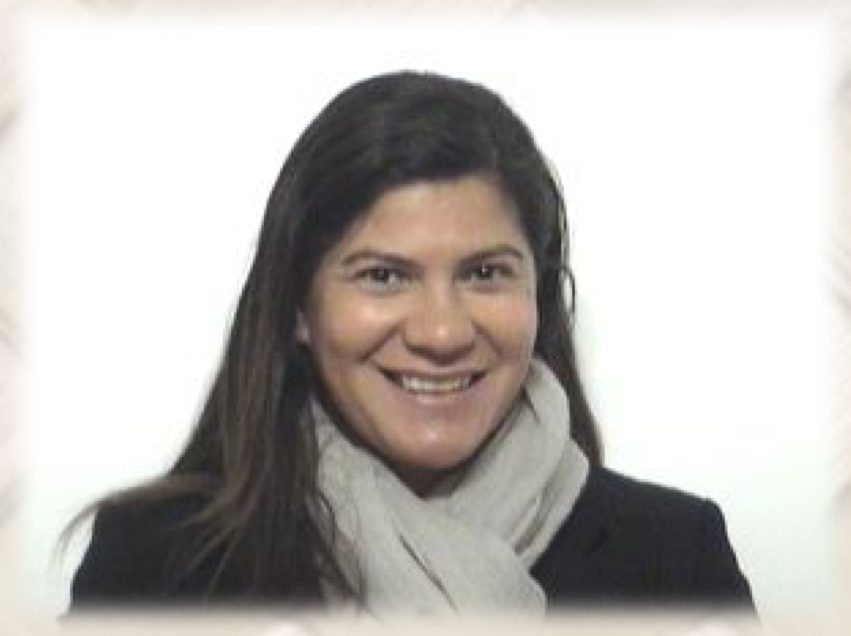 Emma Dunlop-Bennett (Ngāti Maniapoto, Samoan, Pākehā) undertook her doctorate, “Through their eyes: a Samoan perspective on child wellbeing”, while based principally in Wellington. Emma’s supervisors have included Assoc Professor Jenny Bryant-Tokalau, Dr Michelle Schaaf, Assoc Professor Bev Lawton and Professor Tony Dowell.
Her abstract reads: Child wellbeing is the subject of a considerable body of research and policy making globally, and in New Zealand today. Despite its extensive use, the concept of child wellbeing is used differently across disciplines and across diverse social and cultural contexts. Little of the extant literature recognises the influence of ‘other’ worldviews, cultural beliefs, values, and ways of knowing. Further, the voices of children are largely missing in the child wellbeing debates, despite the fact that children are able to offer authoritative knowledge of their world and of their experiences. A review of the literature on Pasifika, children and childhoods, and wellbeing, highlights that there is currently no literature in New Zealand that connects these three areas together. This is the gap where this research contributes new knowledge to understanding – from the standpoint of Samoan children and their parents living in Wellington – how they conceptualise child wellbeing. The Samoan diaspora is the focus of this research given the diversity that exists within Pasifika.
Guided by the Talanoa ile i’a (Faleolo, 2009), this exploratory research positions children as ‘experts’ on their wellbeing and creates the space for them to share their knowledge. The Samoan children do so through combining Samoan (talanoaga) and Western (photovoice) research methods. The Samoan children took 10 photos of what made them feel ‘happy, safe, and loved’, which they used to guide their talanoa. The views of their parents were elicited through talanoaga.
From the talanoaga, the Samoan children defined their wellbeing as “a bunch of stuff that has good bits and bad bits”. This definition picks up the relational aspect of wellbeing as well as resilience. Four factors are important to their wellbeing, which are: social connections, not having to worry, feeling valued and included, and being a good person. Connecting with people, particularly their family, stands out as being of overwhelming importance to their wellbeing. The Samoan children bring these ideas together conceptually as a seesaw in a playground. Parents conceptualise the wellbeing of their children as ola manaia or the beautiful life. They see their main role as laying the foundations on which their children could have a beautiful life. For many parents, they are drawing on the fa’asamoa and the way in which they have been raised, but ‘tweaking’ this to account for shifts in the broader context. Of note, parents view wellbeing in terms of their children being happy and emotionally stable, being good people, having values, and that they do something meaningful with their lives that they were passionate about. The talanoa from the parents are woven together as the Ola Manaia model that captures the importance of resilience and the relational aspect of wellbeing.
This research has significance in terms of adding to the community, national and global body of knowledge on child wellbeing. This is the first New Zealand study of the wellbeing of Samoan children that gives priority to the voices of children. In doing so, it adds the child’s voice as well as the ‘other’ to the child wellbeing literature, and does this in a holistic way that takes account of the multi-dimensional aspect of child wellbeing. Further, this research reinforces that, when given the opportunity, children are able to make an incredible contribution to issues that affect them.
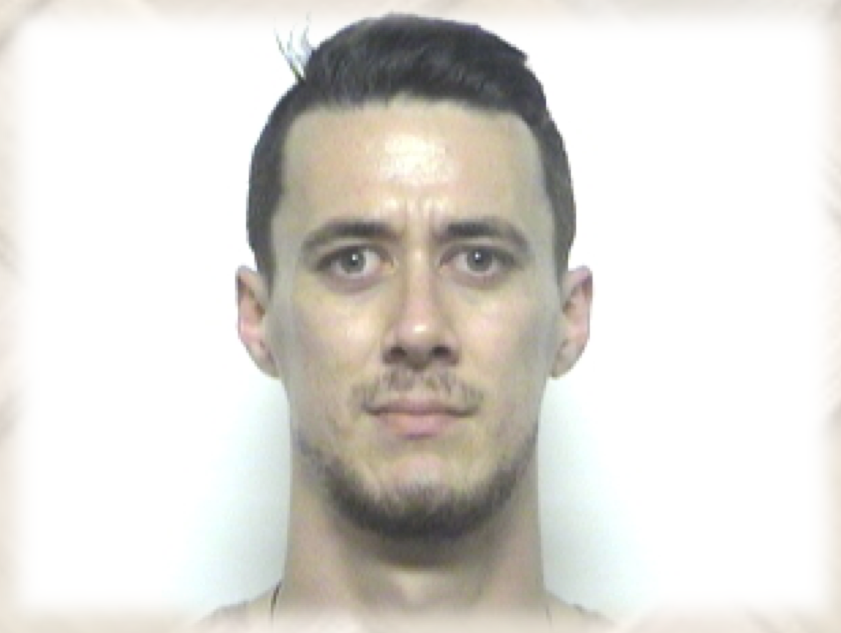 Paratene (Hirini) Tane‘s thesis topic discusses “Whakapapakainga: a template for the cross-generational development of marae-communities.” Hirini’s supervisors include Professors Paul Tapsell, Merata Kawharu and Poia Rewi.
His abstract explains: Through case study research located in Northland, New Zealand, this thesis investigates the future of papakāinga (kin-community settlements) and their marae (ancestral centres of tribal identity). Māori kin-communities have transformed in response to crisis and opportunity over generations. Due to historical impacts of Māori land alienation, individualisation, and Māori urbanisation, the binding fabric of papakāinga – kinship and economy – has weakened.
‘Whakapapakāinga: a template for the cross-generational development of marae-communities’ investigates the concerns and hopes of the descendants of Oromahoe regarding the future of their papakāinga. It uses interviews with elders, a Māori land trust; a questionnaire with community descendants (local and non-local), archival research, and reflexive ethnography. The key finding of this research investigation is that papakāinga development should innovate within central needs – energy, housing and food – that restore economy around papakāinga and reactivate functional kinship links between community members.
This thesis is a study in the field of the target audience. The findings are to assist the Oromahoe Trust, the Oromahoe marae and its descendants (local and non-local) in shaping a strategic direction for their ancestral settlement, their papakāinga. The findings also provide an kin-insider approach to papakāinga development for housing development agencies, district and regional councils, funding agencies, banks, architecture firms, solar technology suppliers and Māori and non-Māori agricultural and horticultural enterprises that neighbour papakāinga. It is important not only to New Zealand’s 778 papakāinga, but also small indigenous communities elsewhere in the world facing similar crises of relevance to descendant diasporas, identity and development.
Using the courts to ensure the durability of Treaty settlements
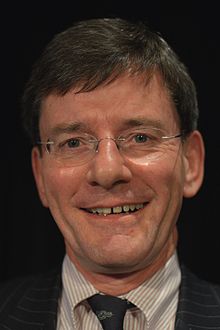 Chris Finlayson, former Attorney-General and Minister of Treaty of Waitangi Negotiations, will present an Open Lecture, “Using the courts to ensure the durability of Treaty settlements” on Friday 24th of May at 3pm, at Te Tumu. This event is co-hosted by the Faculty of Law and Te Tumu. All interested people are welcome. Please circulate to your networks.
Te Tumu Seminar
Dr Melinda Webber (Ngāti Whakaue, Ngāpuhi, Ngāti Kahu) and Kapua O’Connor (Ngāti Kurī) will be presenting the next Te Tumu seminar, looking at pathways for the success of Māori students from the Tai Tokerau. Dr Webber, based at the University of Auckland, has been a recipient of Marsden Fast-Start Grant, a former Fulbright/Nga Pae o te Maramatanga Scholar, and was recently awarded a Rutherford Discovery Fellowship from the Royal Society. Kapua O’Connor is also from Auckland where he had been part of Starpath, a pioneering research project focused on equitable outcomes for New Zealand students who have been under-represented in tertiary education.
The seminar, entitled:
Ko ahau tēnei, e tū atu nei
Here I am, standing before you
He uri whakaheke o Te Tai Tokerau
A descendant of the northern tide.
will be in Te Paparewa (Ground Floor, Te Tumu) at 3.30-4.40pm, Wednesday 15 May. Light refreshments and further discussion will follow on from the formal presentation.
Abstract: Whilst key educational policies stipulate that Māori students must “experience educational success as Māori” few have explained what ‘success’ might look like for Māori from the perspective of specific iwi and/or hapū. Te Tai Tokerau (Northland) has an epic history of powerful leaders who have had a positive impact in the Maori world and beyond. This strengths-based Marsden project, led by Ngāpuhi and Muriwhenua descendants, has identified uniquely Tai Tokerau pathways, identities and perceptions of success. The project celebrates Tai Tokerau distinctiveness, success and history using Te Whare Tapu o Ngāpuhi as the boundaries of the study’s reach.
This presentation will outline the emerging findings of this project, highlighting the ways Tai Tokerau have responded to adversity, change, and challenges over many generations. This project has produced powerful narratives of Māori success, identity and thriving from Tai Tokerau by re-telling narratives of success and thriving that put Tai Tokerau icons (both human and non-human), pūrakau, and mohiotanga (knowledge) at the centre of that conceptualisation. Using narrative and thematic analysis approaches this project has produced accounts that express unique understandings of identity and success through a distinctive Tai Tokerau lens, prioritising Northern whakapapa (genealogy), mātauranga (ways of knowing), māramatanga (deep understanding) and wānanga (debate).
Latest PhD submission
Raphael Richter-Gravier submitting his thesis for examination.
Te Tumu is proud to announce the latest PhD submissions by one of our students, Raphael Richter-Gravier, entitled “Manu narratives of Polynesia: a comparative study of birds in 300 traditional Polynesian stories”.
Raphael came to Otago in 2012, having previously studied history in his native France, to pursue a Diploma for Graduates in Japanese and Māori Studies. He was a top student in his reo papers; that he has always achieved the highest grades in all his papers shows his amazing work ethic and flair for languages. He started his PhD in 2016 on bird narratives, with Professor Michael Reilly and Dr Michelle Schaaf of Te Tumu as supervisors. Raphael’s thesis was completed as a “co-tutelle” from both Otago and l’Université de la Polynésie française. Raphael’s other supervisor was Professor Bruno Saura, an expert on Polynesian culture at UPF.
Koia, koia, e hoa. We look forward to your graduation.
