
About Miriam Sharpe
Science Communicator at the Department of Biochemistry, University of Otago.HOD changeover dinner
Head of Department changeover dinner
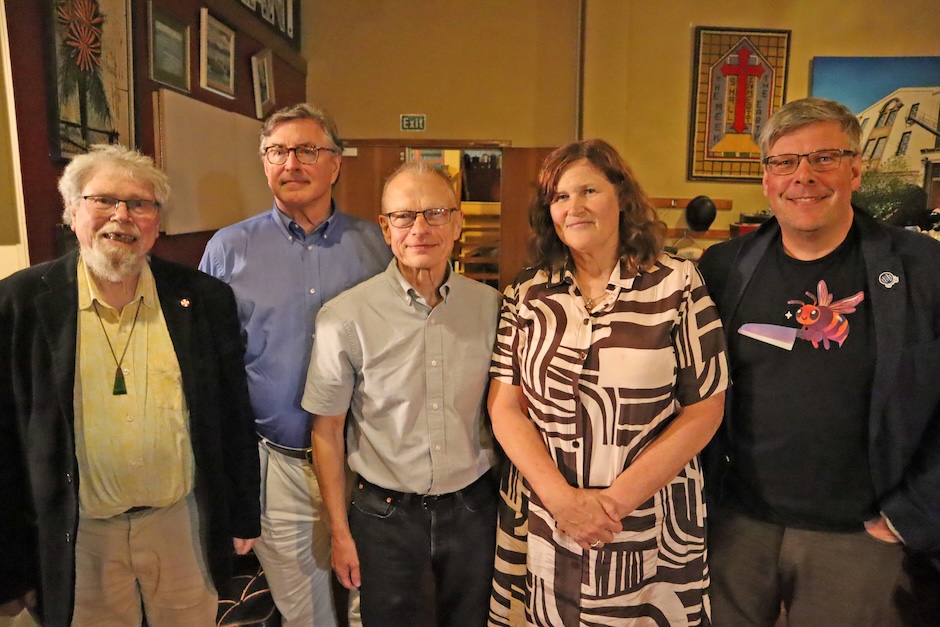
After three (tumultuous) years guiding the department, Professor Peter Dearden has stepped aside from his role as Head of Department to refocus on research and teaching. Professor Julian Eaton-Rye has taken over as HOD, starting in December last year.
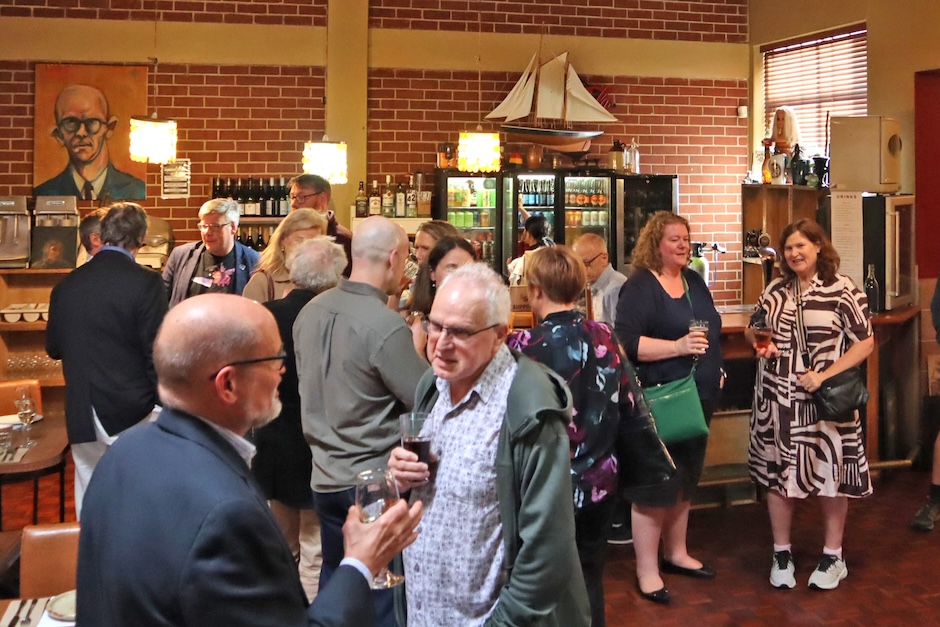
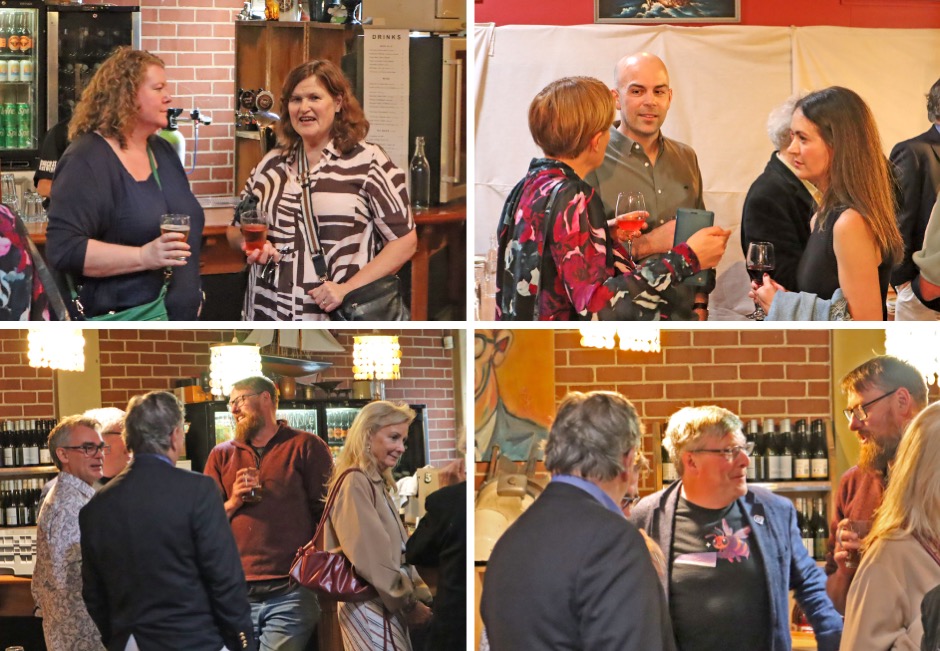
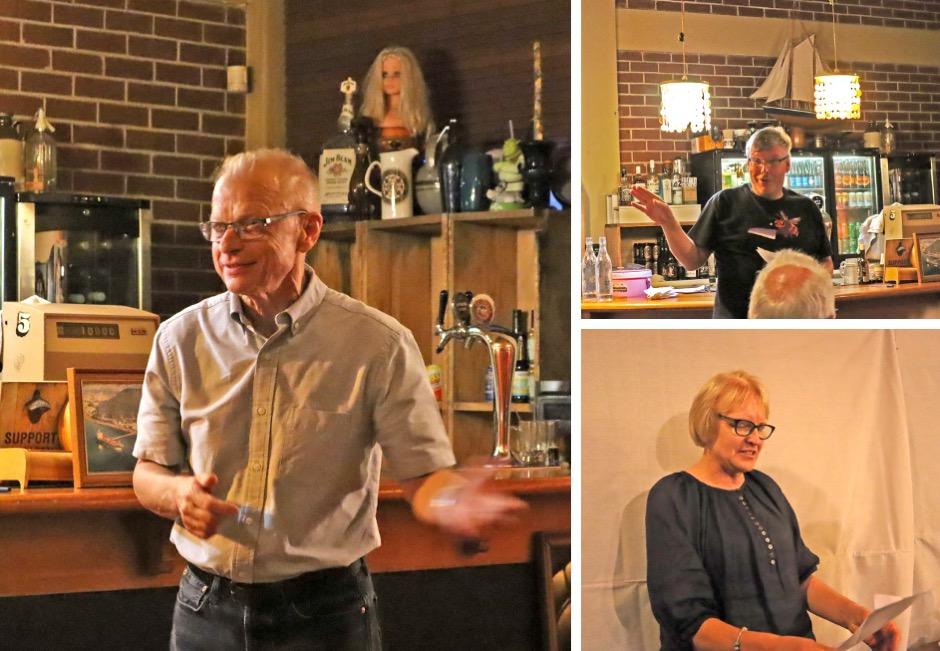
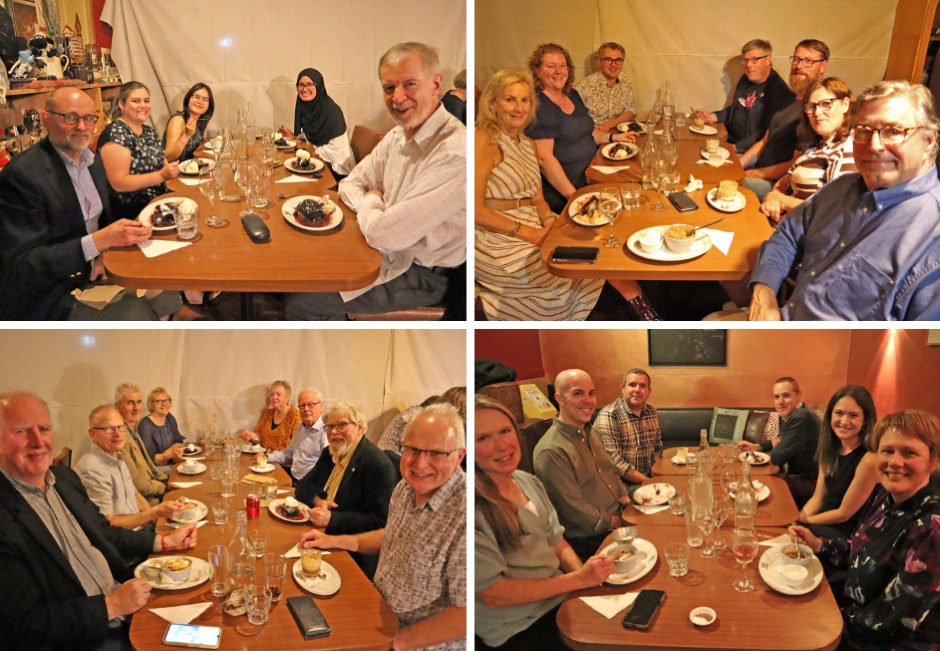
To mark the transition, staff recently gathered for dinner at Plato’s, a quirky waterfront restaurant that has often hosted departmental celebrations.
During the evening, Julian, Professor Liz Ledgerwood and Professor Catherine Day shared heartfelt tributes acknowledging Peter’s greatly appreciated contributions, particularly his stewardship throughout the University’s recent financial difficulties. His humour and ability to bring people together were especially valued.
Julian has been part of the department since 1994, with research centred on the plant membrane-protein complex Photosystem II. He brings enthusiasm and a deep commitment to the Otago Biochemistry community as he takes on this leadership role.
Julian inherits a busy period ahead – among the ongoing challenges is the mixed blessing of increasing undergraduate student numbers. However, there is much to look forward to as the department prepares to welcome three new lecturers in the coming months.
Tēnā rawa atu koe, Peter, and best wishes to Julian as he begins his tenure!
Otago Biochemistry graduations December 2025
Otago Biochemistry graduations December 2025
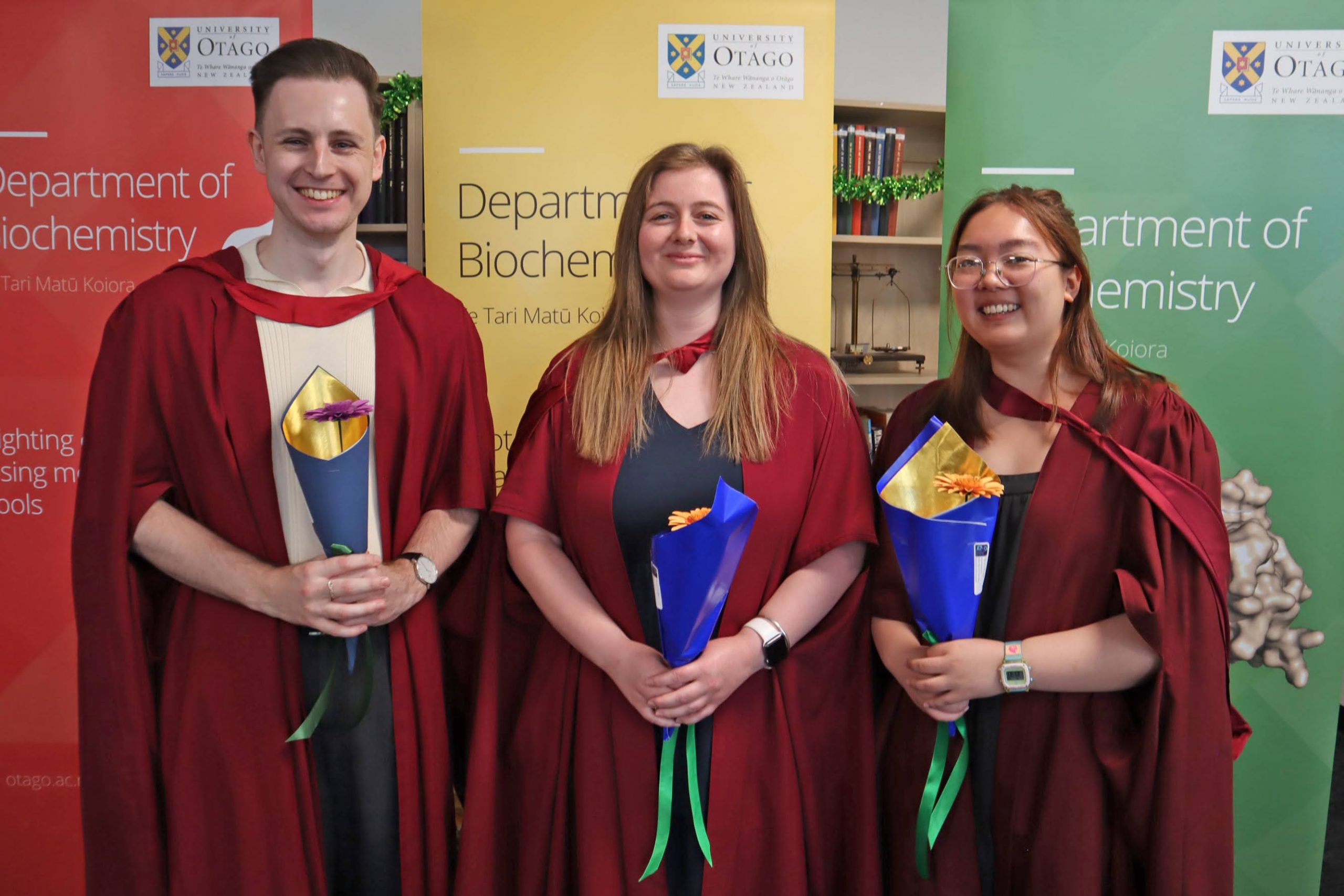
Congratulations to all Department of Biochemistry students who graduated in December. Tino pai rawa atu!
Continue readingSea star and plant light response projects shine bright in Marsden awards
Sea star and plant light response projects shine bright in Marsden awards
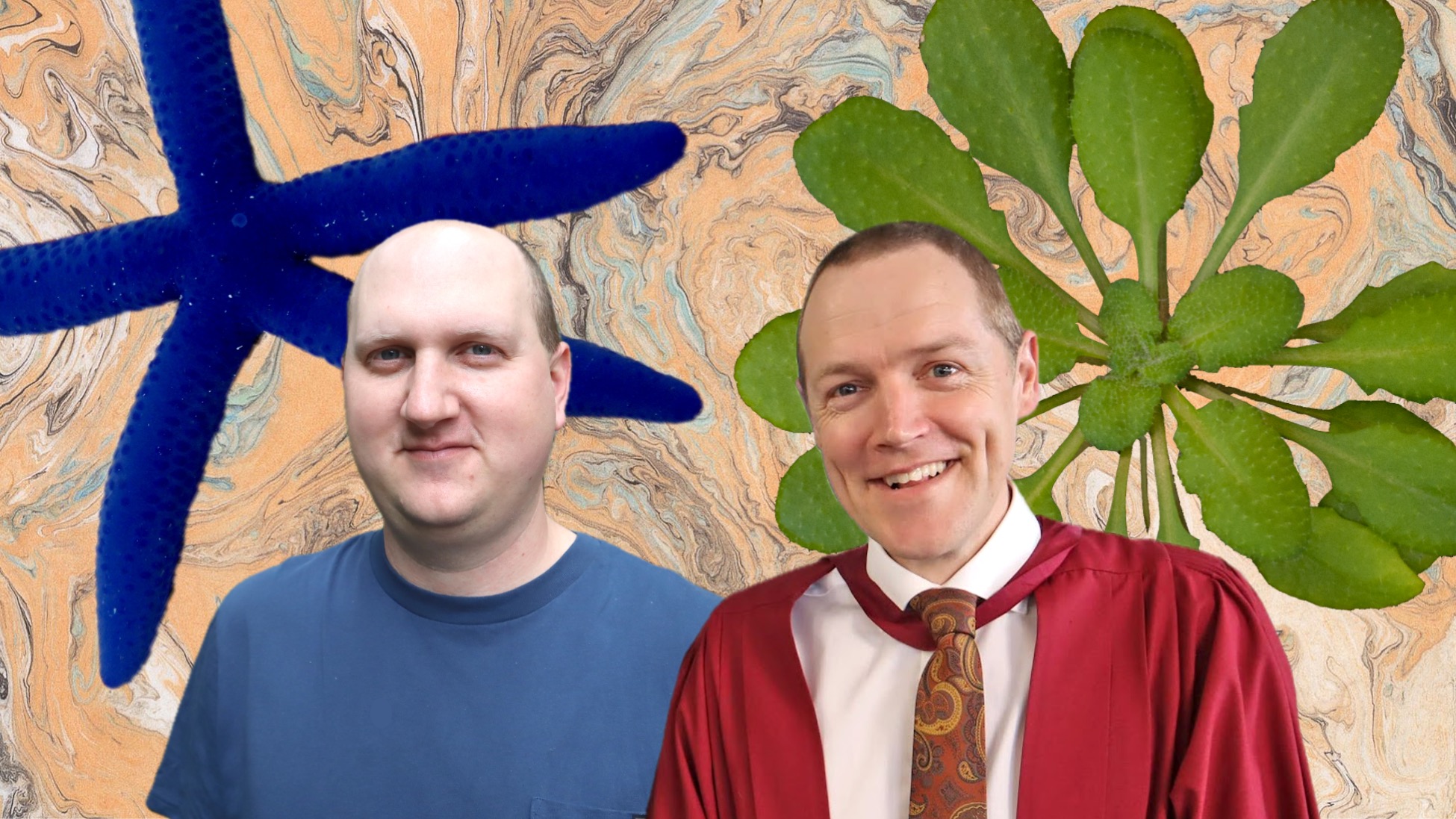
Research from Otago’s Biochemistry Department continues to pave the way for biotech breakthroughs, with two scientists winning prestigious Marsden fund awards this year.
At first glance, the two research projects seem worlds apart: one exploring how plants use light to control flowering time and shade tolerance, the other looking at how some sea stars (starfish) create their striking blue colour.
Yet both projects share a common thread – they uncover some of the molecular details that drive life, and the leaders of both projects are highly skilled in figuring out how proteins work and what they look like.
Continue readingOtago biochemists secure HRC project grants to research treatments for stomach cancer and heart disease
Otago biochemists secure HRC project grants to research treatments for stomach cancer and heart disease
Two teams led by researchers in the Department of Biochemistry at the University of Otago have secured three-year Health Research Council of New Zealand project grants to support their ongoing investigations into exciting new treatment ideas for two very different, and very serious diseases – hereditary diffuse gastric cancer and heart disease.
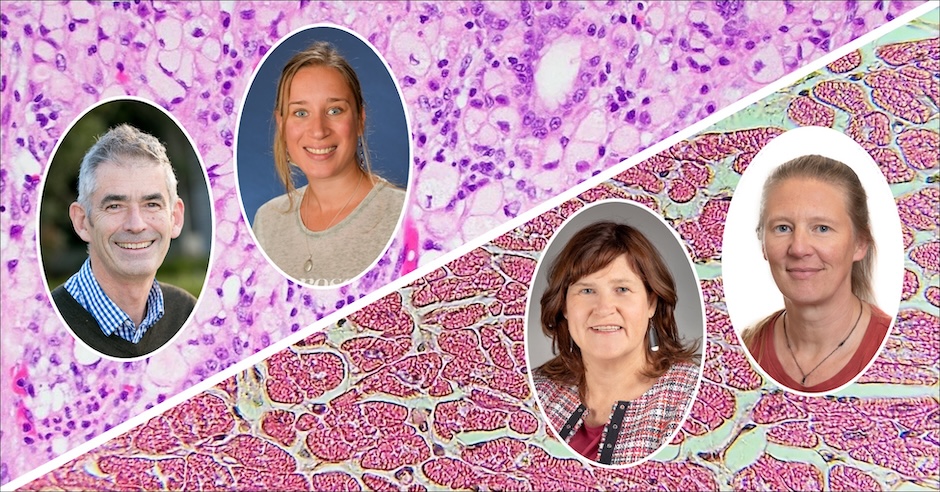
Cancer research in te reo Māori
After only two years into his journey to learn te reo Māori (the Māori language), PhD student Conor Vaessen has prepared a short cancer research talk entirely in his newly adopted language.
Conor is a PhD student in the Centre for Translational Cancer Research in the Department of Biochemistry, and is finding new drug treatments for hereditary stomach cancer.
He has kindly agreed to record his kōrero Māori (Māori talk) and have it posted on YouTube so that we can all learn about his mahi (work), both in reo Māori and in cancer research.
Conor prepared this talk for the School of Biomedical Sciences three minute research talks in Māori (ngā kōrero rangahau toru meneti) held in September in the Hunter Centre.
Unfortunately Conor was not able to attend on the day, but he has since presented the kōrero to the Department of Biochemistry where everyone was impressed by what many view as a daunting task. He has surely inspired others in the Department to kōrero Māori in their research!
Ka pai tō mahi, Conor. Ka mau te wehi! Great work. Awesome!
Diagnostic potential of CT-DNA
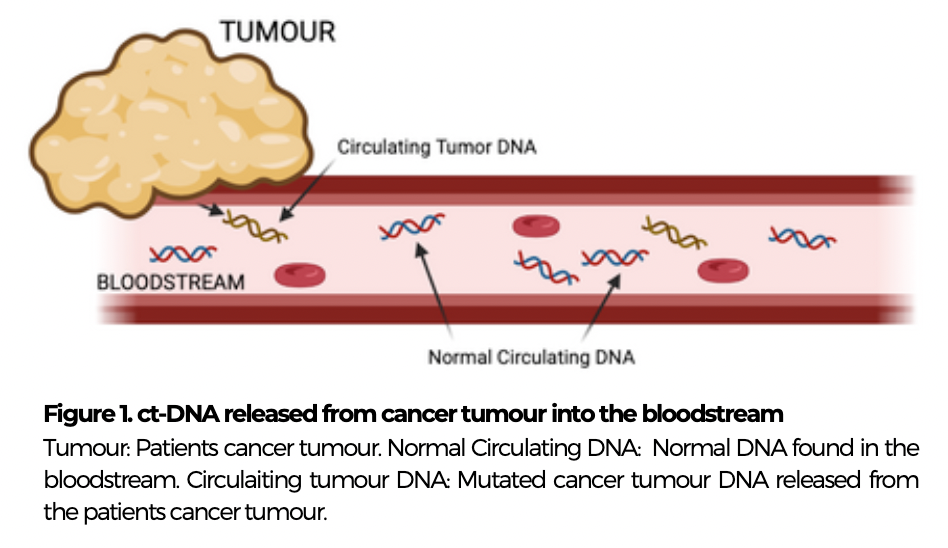 An article written by 300-level Biochemistry student Emily Crosse about research by PhD student Jordon Lima.
Circulating tumour DNA (ct-DNA), is cell-free DNA released from tumours into the bloodstream, with a short half-life, making it a good potential marker for easy detection of colorectal cancer in patients, via the bloodstream. Currently tissue biopsies are performed to identify cancer, however this is a difficult and invasive detection method, contributing to the lack of early diagnosis of colorectal cancer and challenges in therapeutic monitoring. Continue reading
Bringing lysosomes into the limelight: What happens when they don’t work and what are we doing to fix this?
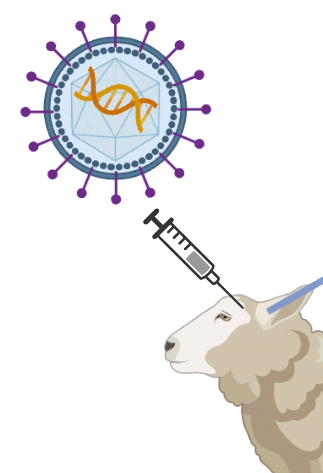
An article written for The Sheet by 300-level Biochemistry student Rose Harper.
A groundbreaking gene therapy for the childhood neurodegenerative disorder Batten disease has been created by researchers in the Biochemistry department at the University of Otago, and they have not stopped there.
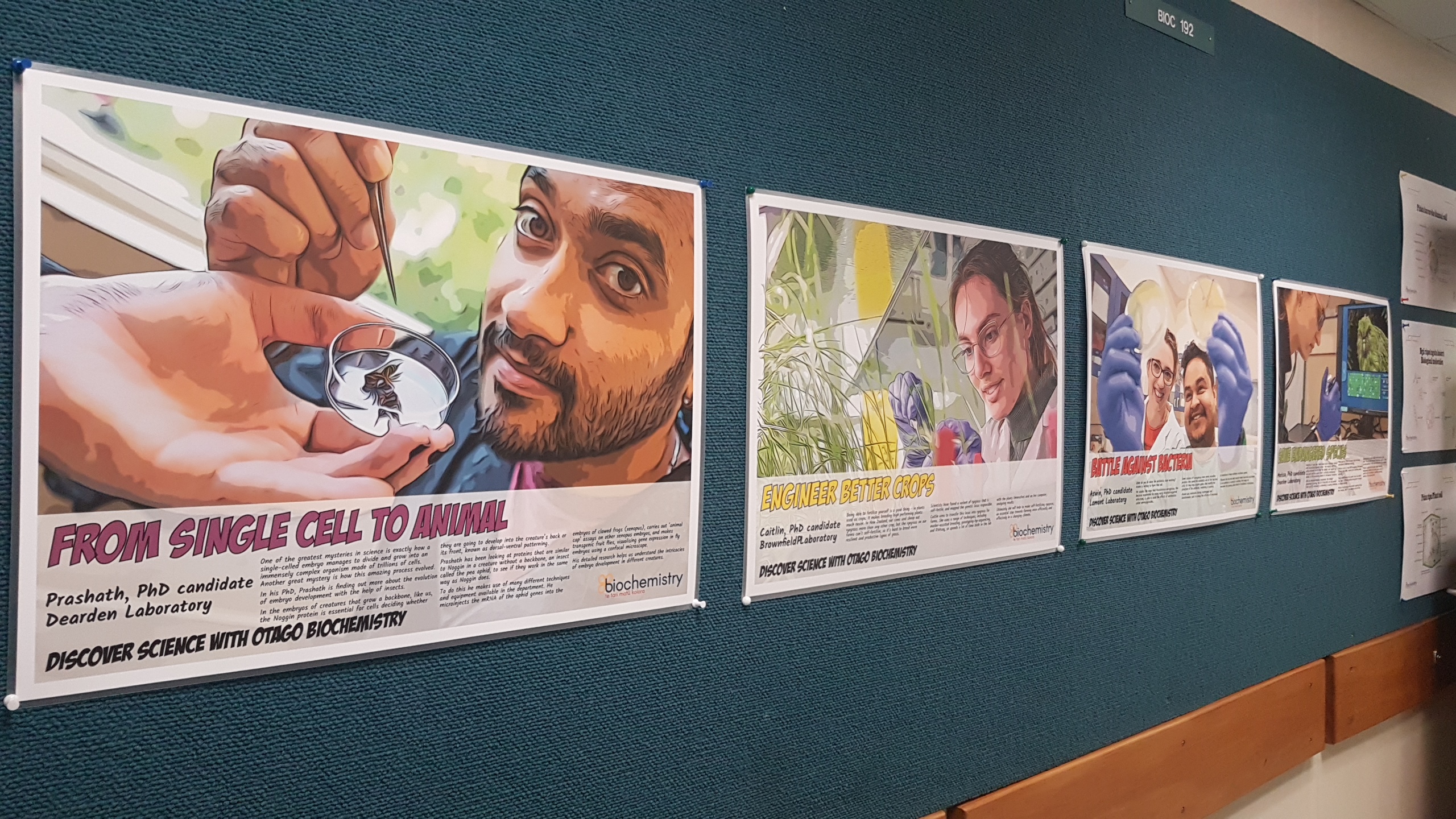
Seven students’ research adventures
We recently put up new posters outside the Biochemistry undergraduate laboratories to entertain the students as they wait for classes to start, and show them the kinds of things they could do if they continue their research adventures with the department.
Into introns?
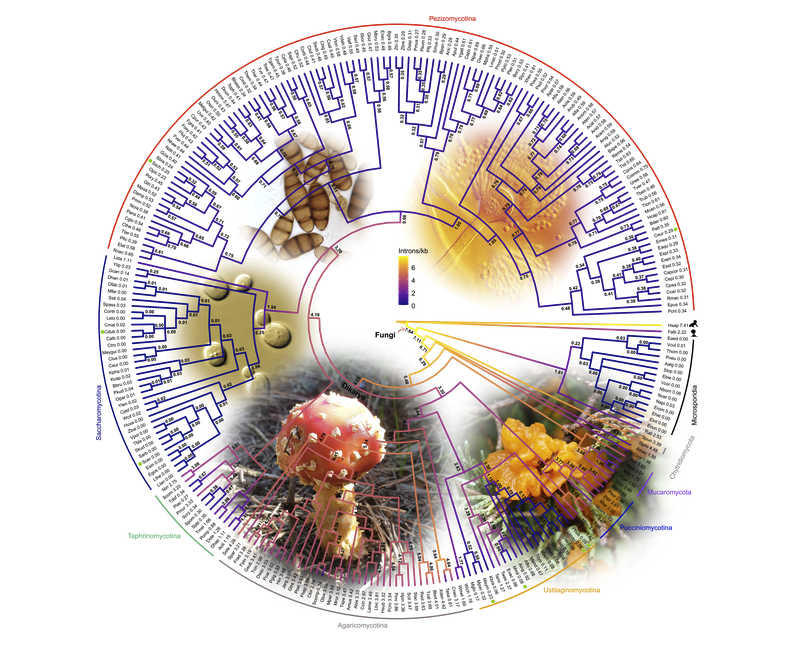
Phylogenetic tree showing the widespread loss of introns during the evolution of fungi.
Genes within the DNA of humans, plants & yeasts are actually interrupted with bits of non-gene DNA scattered throughout, and these bits are called introns. Otago Biochemistry’s Associate Professor Chris Brown and Dr Chun Shen Lim delve into the evolution of an intriguing genetic phenomenon…
Continue reading
How to make life from scratch: Understanding molecules that organise themselves
 300-level biochemistry student Hannah Gordon writes about the potential uses of cells that we design ourselves and the spontaneously organising molecules that we must understand before we can make artificial cells.
Can you imagine a self-assembling, low maintenance system that converts household waste into fuel to heat and power your home? Continue reading
