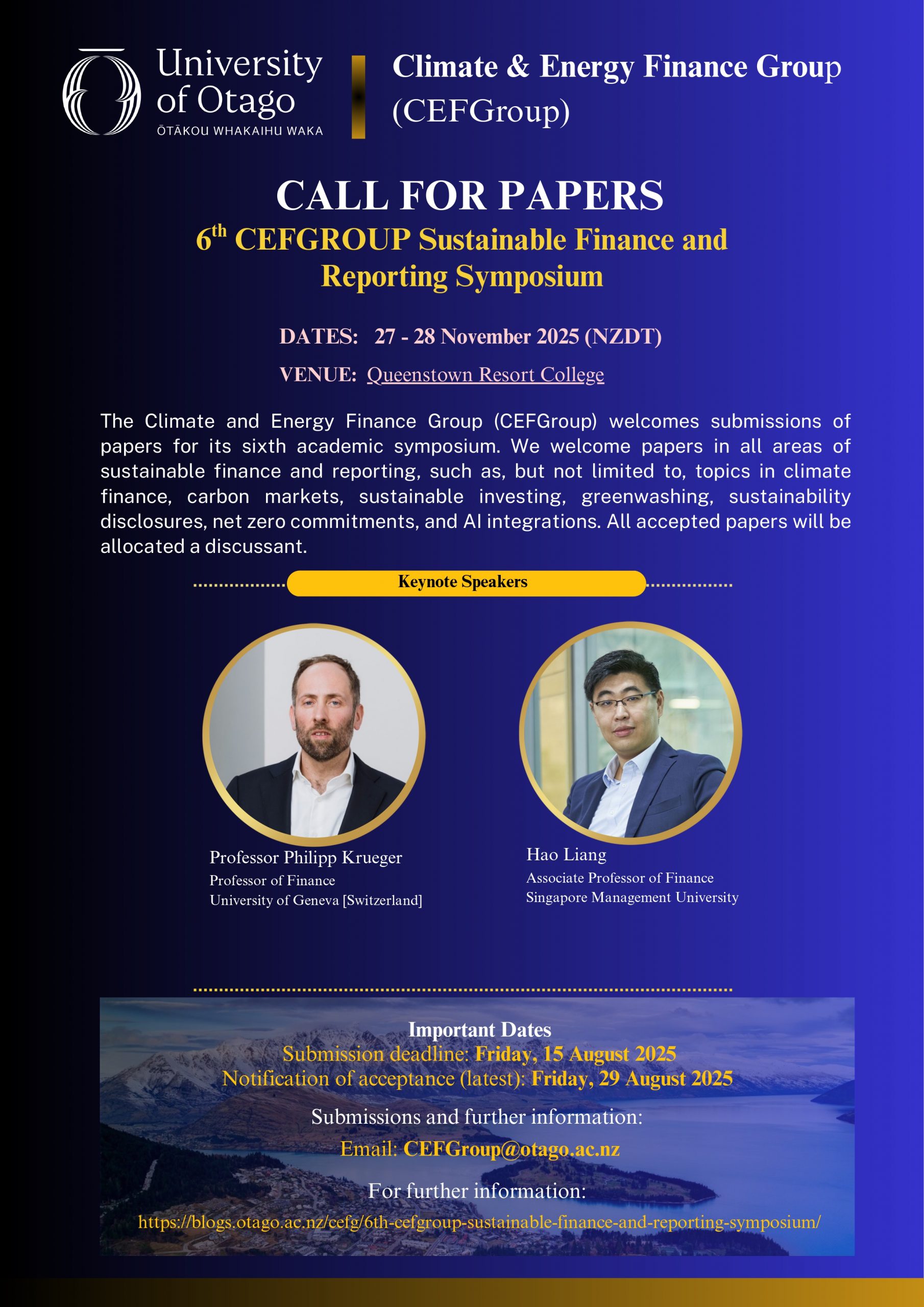
Exciting news! The 6th CEFGroup Sustainable Finance and Reporting Symposium is just around the corner! Join us on 27–28 November 2025 at the stunning Queenstown, New Zealand. This year’s symposium is all about pushing boundaries in sustainable finance and reporting. Whether you are exploring climate finance, carbon markets, greenwashing, AI in sustainability, or net-zero strategies, we want to hear from you.
We are also excited to welcome two leading voices in the field as keynote speakers:
Key Dates: Submission Deadline: Friday, 15 August 2025 Acceptance Notification: Friday, 29 August 2025
Don’t miss out on this opportunity to showcase your work in sustainable finance! For submission details or questions, please email CEFGroup@otago.ac.nz.
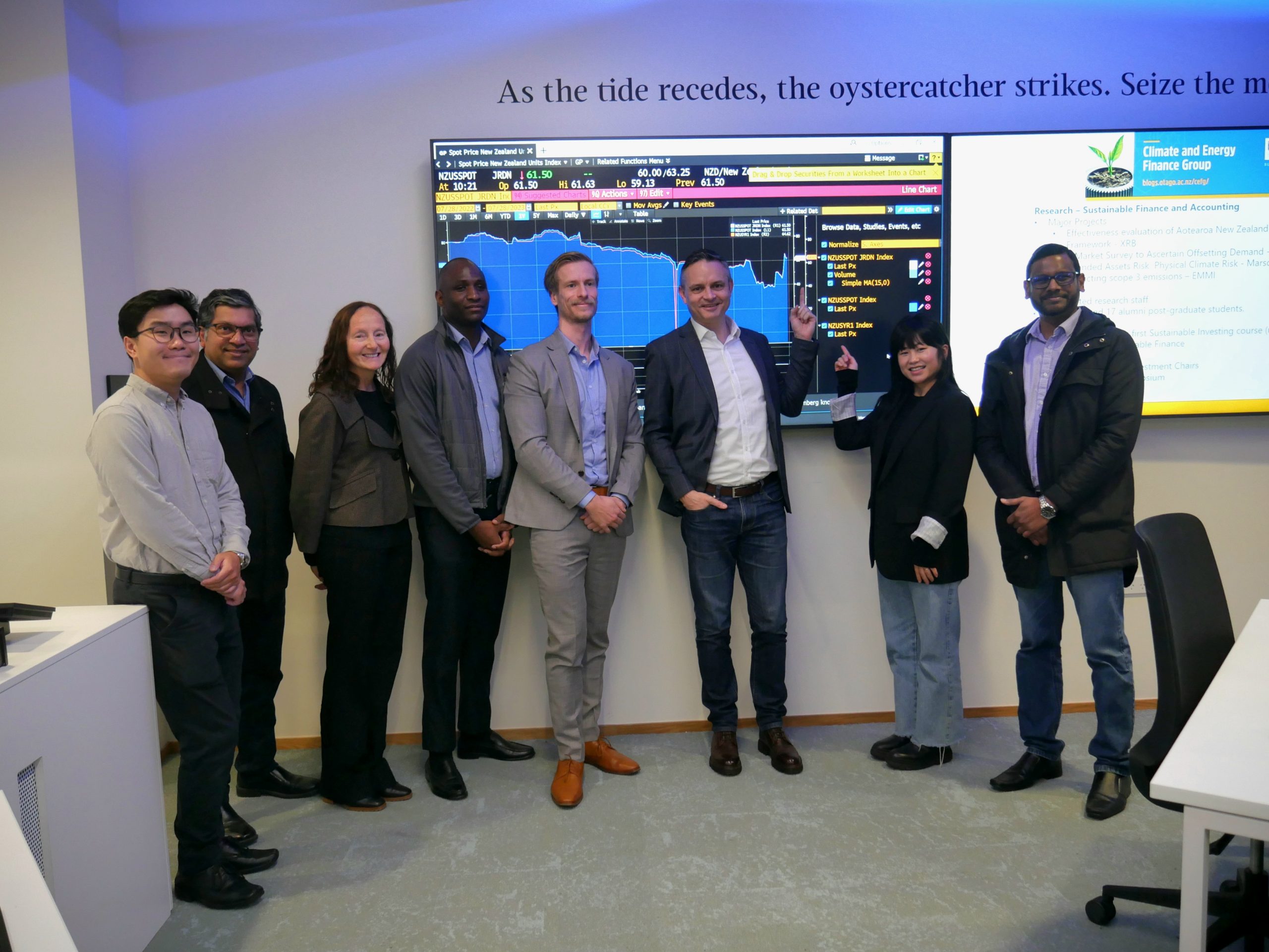
We are delighted to announce that the Climate and Energy Finance Group (CEFGroup) recently had the esteemed privilege of meeting with the distinguished Minister for Climate Change, James Shaw. The meeting served as a platform for us to present and share the profound value and insightful work conducted at the CEFGroup.
Photo from the left: Dr. Beam Aschakulporn, Dr. Duminda Kuruppuarachchi, Associate Prof. Helen Roberts, Andre Poyser, Dr. Sebastian Gehricke, Hon James Shaw, Isabella Yoon, Kasun Perera.
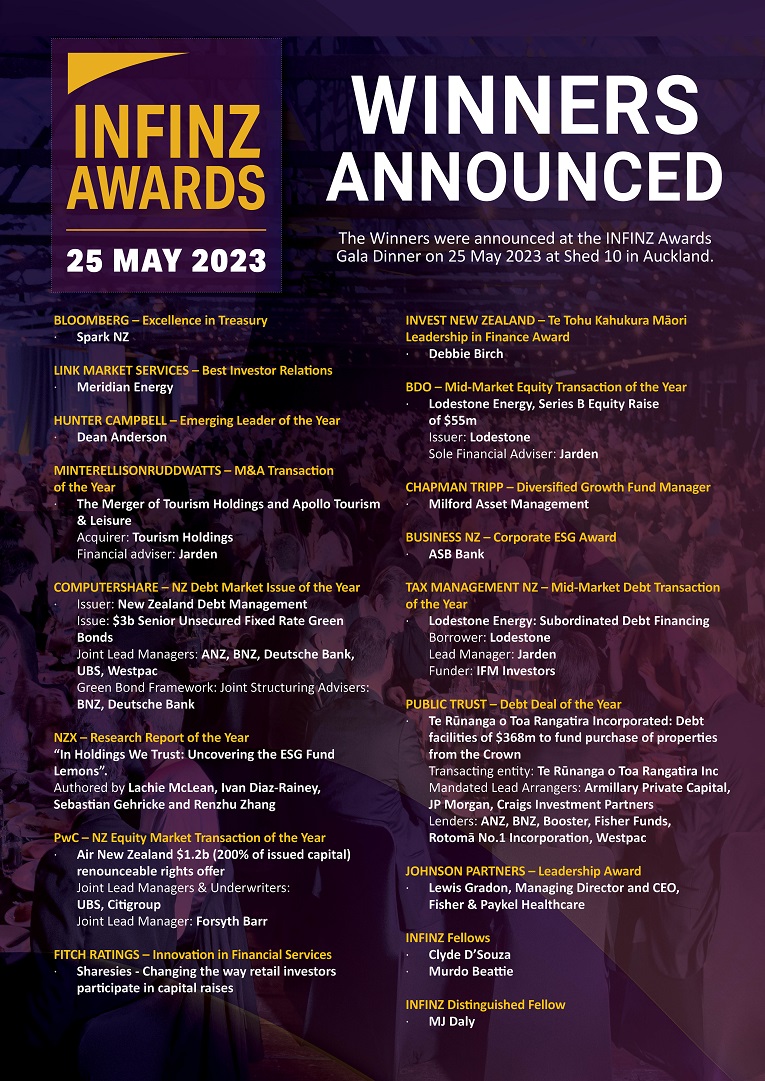
Climate and Energy Finance Group (CEFGroup) is pleased to announce that its working paper, In Holdings We Trust: Uncovering the ESG Fund Lemons, won the NZX Research Report of the Year at the 2023 Institute of Finance Professionals New Zealand Inc. (INFINZ) Awards.
The authors surveyed asset managers of global equity funds available to Australasian investors to understand how they integrate sustainable practices within the investment decision-making process. Then, the authors compared survey responses to portfolio holdings data to evaluate whether fund managers were as environmentally responsible as they claimed to be.
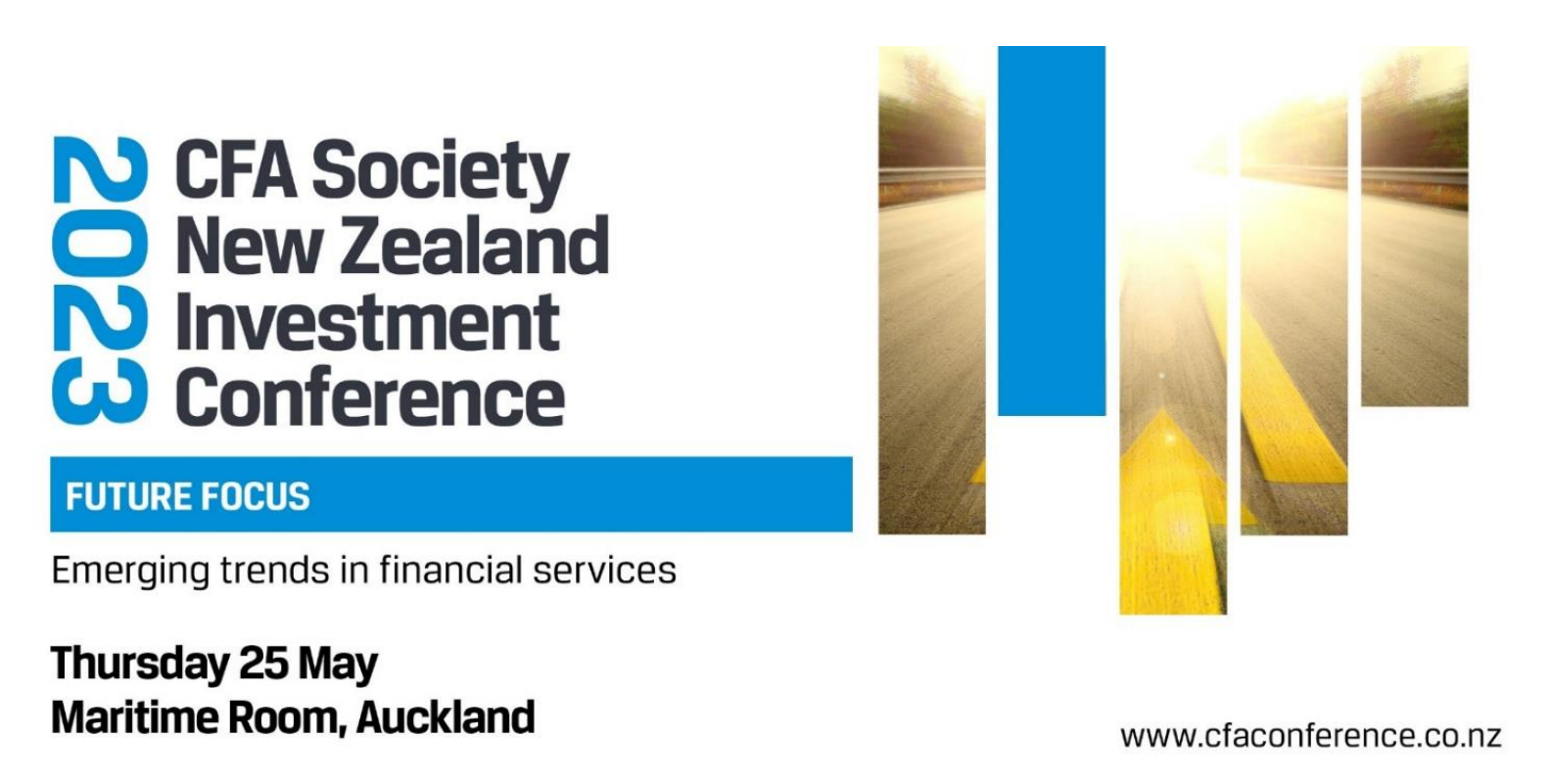
CEFGroup Co-Director, Dr Sebastian Gehricke, to speak on emerging trends at the CFA Society New Zealand Investment Conference
The esteemed CFA Society New Zealand Investment Conference has the distinct honour of welcoming Dr Sebastian Gehricke, Co-Director of Climate and Energy Finance Group, as a distinguished speaker for their upcoming event. With a focus on emerging trends in financial services, this prestigious conference offers an unparalleled platform for experts to showcase their groundbreaking research.
During this year’s conference, Dr Gehricke will captivate the audience with his thought-provoking presentation on “Farm and Fortune: Fundamental Issues Shaking up the Investment Landscape.” Drawing upon his extensive expertise in the field of climate and energy finance, Dr Gehricke’s insights are sure to be both insightful and innovative.
We invite you to take part in this unparalleled opportunity to hear from Dr Gehricke and experience the invaluable contribution of the Climate and Energy Finance Group. Stay ahead of the curve, and don’t miss out on this exceptional conference contribution.
The article highlights the potential benefits of private debt, such as higher returns and lower volatility compared to traditional investments like stocks and bonds reported in CEFGroup’s latest report (A Private Debt Market For a Sustainable Aotearoa New Zealand).
The article also discusses how private debt investments work, as well as the risks involved. Finally, the article notes that CEFGroup and its collaborators have been actively promoting private debt as an alternative investment option and collaborating with local investors to capitalize on this growing market trend.
Private debt markets are a relatively untapped investment option in Aotearoa New Zealand despite significant growth overseas, a new report reveals. Private debt is a way for companies to borrow, but rather than obtaining the funds from banks, they receive the money from institutional investors.
The survey focuses on the potential and challenges of the private debt market in New Zealand, seeking to understand stakeholders’ views on private debt and how this can help the country transition toward sustainability.
The private debt market is still largely underutilised in New Zealand, with many investors yet to make their first commitment to this asset class.
The survey highlights several challenges for investors, such as a lack of experience, liquidity risks, and a relatively small market size. This may be attributed to limited knowledge of its benefits and misconceptions about its complexity and risk.
Dr Renzhu Zhang, the lead author, of the University of Otago, says overseas investors view private debt as a means to obtain higher returns, while this is not a major focus for investors in New Zealand.
“It’s almost like they don’t see the potential for really doing well out of it,” Dr Zhang says.
Private Capital Group Founder and CEO Paul Carman says domestic investors are not fully aware of the differences between public and private markets due to the latter’s novelty in New Zealand.
Mr Carman says the regulatory pressures on bank capital have driven the growth and development of private debt markets offshore, and are now doing so in New Zealand.
MyFiduciary Principal Greg Peacock is positive about the development of the market in New Zealand, saying private debt has grown to have a significant share of the lending market overseas and has provided robust returns to investors.
“The same pattern is just beginning in New Zealand,” Mr Peacock says.
These sentiments are supported by the survey’s findings, which indicate both private and non-private debt investors are optimistic about the future of the asset class.
The survey results indicate that the positive outlook among private debt investors suggests the asset class has been rewarding for those who have invested in it.
The survey also shows strong support for the development of a private debt market in the country, with investors viewing it as a critical tool in achieving their environmental, social and governance (ESG) and impact goals.
Professor Ivan Diaz-Rainey, of Griffith University, says a big advantage that private debt investors have, is that they can ask companies tough questions directly about their sustainability and then measure their ongoing performance.
“Our survey results indicate that investors see it as a great way to have an impact on sustainability. Because it’s a much more direct investment between the investor and the investee company.”
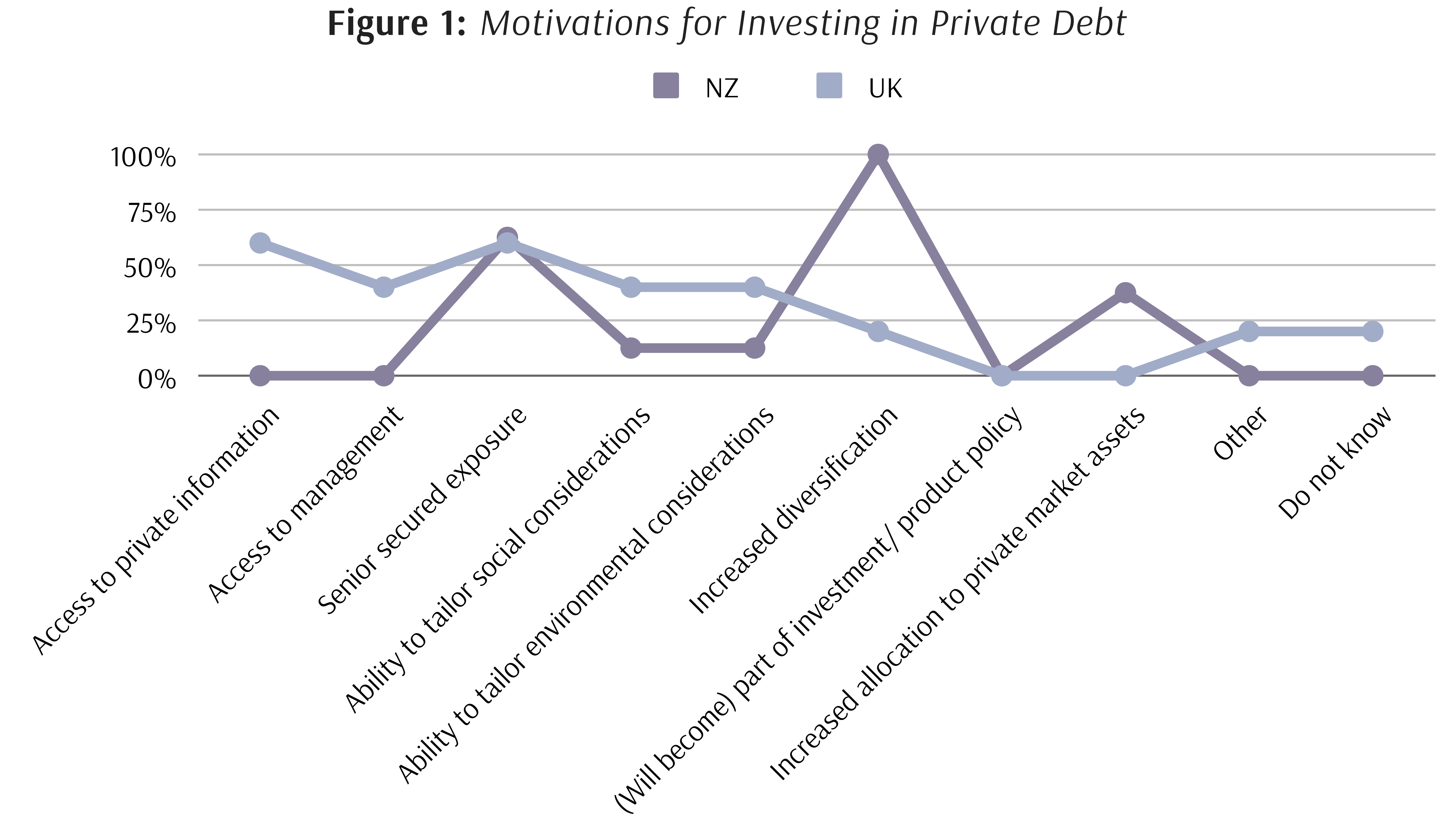
The survey finds notable differences between investors in New Zealand and the UK regarding their motivations for investing in private debt (see Figure 1, above).
UK investors place greater emphasis on access to private information and management, as well as the ability to customise their investments with social and environmental considerations.
On the other hand, New Zealand investors are attracted to private debt as a means of diversifying their investments and spreading risks.
Further, the two groups have different preferences when it comes to what they hope to gain from investing in private debt.
New Zealand investors tend to prioritise safety and are more conservative, preferring to invest in asset-rich companies, while investors in the UK are more willing to lend to riskier sectors.
Professor Diaz-Rainey suggests that to achieve the country’s economic goals, New Zealand investors will need to broaden their perspective and be open to investing in private debt in businesses that are not just asset-rich.
He emphasises the potential for the private debt market to be a significant driver of growth and sustainability for New Zealand.
“It’s a huge opportunity for the country. Along with private equity and traditional bank lending, it could play an import role in funding the next generation of Kiwi companies.”
CEFGroup is one of the leading academic climate and sustainable finance teams in the world. The team embraces interdisciplinarily research and is focused on delivering policy and practitioner relevant research that has impact.
As one of a few dedicated climate and sustainable finance research groupings in Australasia and Asia, CEFGroup is strategically placed to support the sustainability transition of the financial industry and broader economy. CEFGroup research is undertaken with international collaborators and has been published in leading international journals.
MyFiduciary Ltd
MyFiduciary is an independent NZ-owned investment consultant specialising in investment governance. We have broad experience across asset allocation, investment selection and funds management, our clients include charitable trusts, foundations, independent advisers, KiwiSaver Providers, and Māori and iwi organisations.
Private Capital Group
Private Capital Group are a dedicated team of debt managers working with New Zealand banks, businesses and investors. PCG bridges the gap between bank lending policies, funding capacity and borrowers, by deploying committed fund capital from Institutional, IWI and High Net Worth investors and lending directly to New Zealand companies.
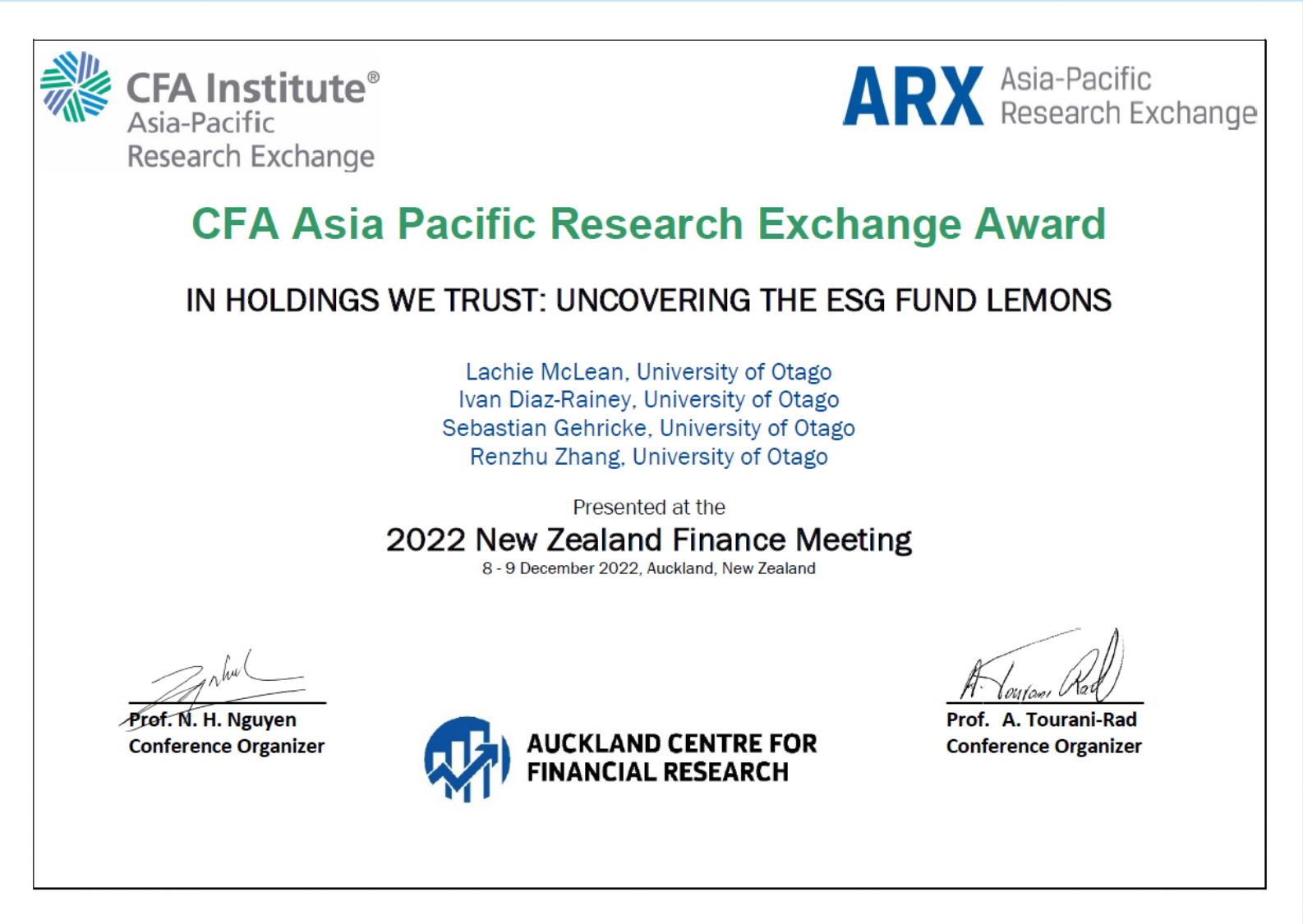
Climate and Energy Finance Group (CEFGroup) is pleased to announce that its working paper, In Holdings We Trust: Uncovering the ESG Fund Lemons, won the CFA ARX Asia Pacific Research Exchange Award at this year’s New Zealand Finance Meeting (NZFM).
The authors surveyed asset managers of global equity funds available to Australasian investors to understand how they integrate sustainable practices within the investment decision-making process. Then, the authors compared survey responses to portfolio holdings data to evaluate whether fund managers were as environmentally responsible as they claimed to be. Some highlights:
Responsible investing was primarily driven by performance and fund flow focused value, rather than ethical values.
Climate change was the most important ESG sub-theme, followed by corporate behaviour. Interestingly, funds that placed higher importance on climate change, on average, had higher portfolio carbon intensity.
Lack of understanding of portfolio carbon intensities among fund managers: Only about half of survey respondents were able to provide portfolio-level Scope 1 & 2 emissions intensity. For those that did, there was large underreporting of emissions by some funds.
Natural capital (including biodiversity) was given low priority by managers.
Portfolio carbon intensity was significantly higher for respondents that were members of a climate initiative, and not significantly different for those that prioritised climate change themes or engaged in a decarbonisation strategy. Results were not explained by engagement or active engagement.
Climate and Energy Finance Group (CEFGroup)’s recent publication in International Review of Financial Analysis (IRFA), Climate Transition Risk in U.S. Loan Portfolios: Are All Banks the Same?, is now available HERE.
The paper uses a bottom-up, loan-level forward-looking approach to stress test banks’ exposure to climate transition risk (CTR) in syndicated loans. It highlights that:
Banks vary in CTR, not only due to their exposure to the energy sectors, but also due to borrowers’ carbon emission profiles from other sectors;
CTR is stable over time, save for a temporary (in some cases) and permanent (in others), reduction after the Paris Agreement;
From the stress test, the median loss is 0.5% of U.S. syndicated loans, representing a proportional decrease of 4.1% in CET1 capital; and
Banks’ vulnerabilities are also driven by the ex-ante financial risk of their borrowers more generally, highlighting that climate risk is not independent from conventional risks
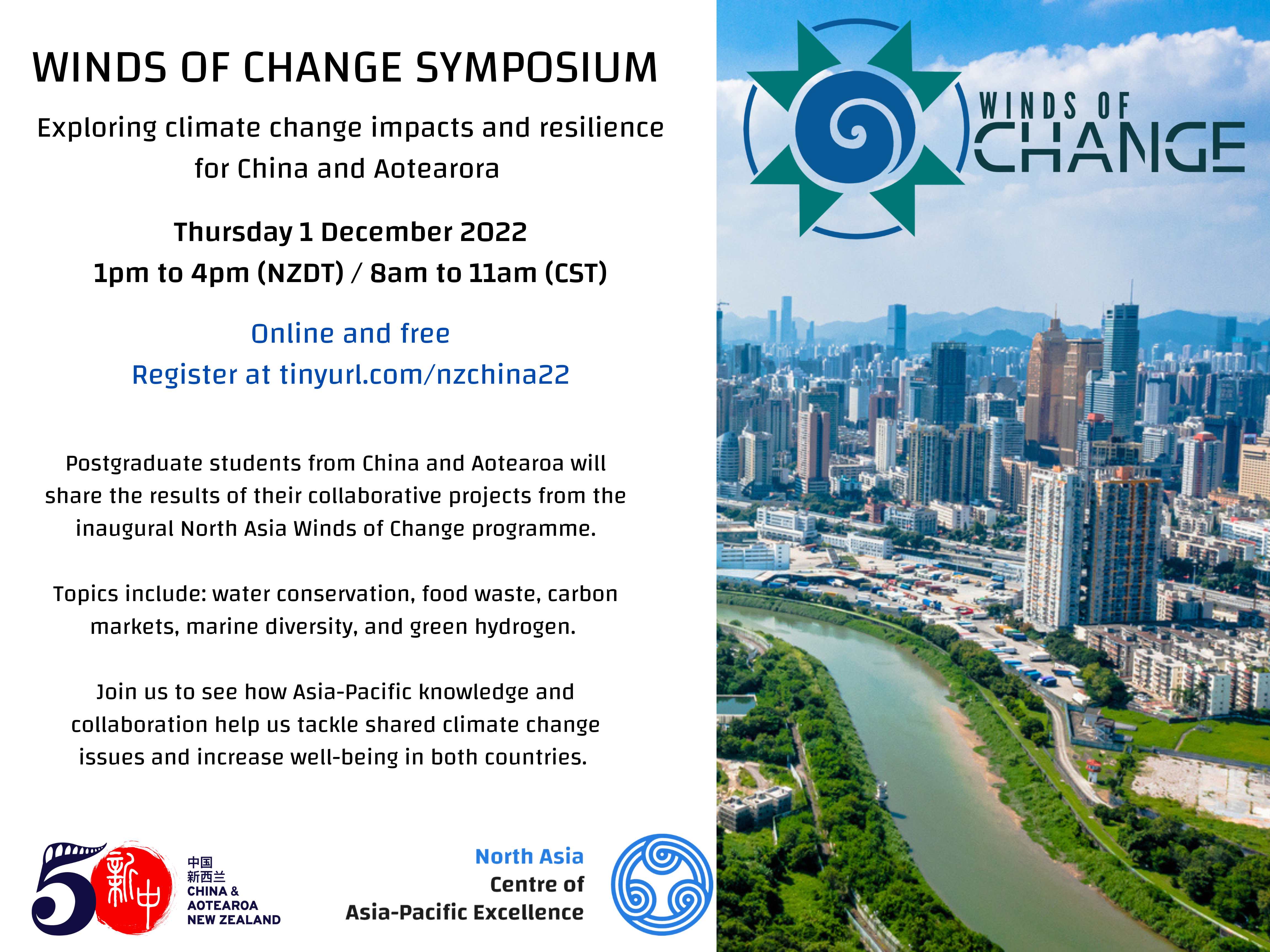
CEFGroup PhD candidate, Ling Liao, together with her three teammates, will be presenting their team project entitled “The Role of Carbon Market in Decarbonizing China and NZ” at the inaugural Winds of Change North Asia Virtual Symposium. The symposium is organised by the North Asia Centre of Asia-Pacific Excellence. More info below:
ABOUT WINDS OF CHANGE NORTH ASIA VIRTUAL SYMPOSIUM
The North Asia Winds of Change programme unites postgraduate students from New Zealand and China to explore climate change impacts and resilience strategies by learning from both countries. This is the inaugural North Asia version of the programme, following on from the success of the Latin America CAPE Winds of Change programme focusing on collaboration between New Zealand and Chile.
Fittingly, this first North Asia edition coincides with the 50th anniversary of diplomatic relations between New Zealand and China and illustrates the continued value of this important relationship. The participants will share the results of their collaborative projects, in the areas of water conservation, food waste, carbon markets, marine diversity, and green hydrogen.
This special issue aims at exploring the interactions between climate change, sustainability, clean technology, FinTech and green investing through rigorous interdisciplinary research from academia and industry. Authors are invited to submit their papers in English through the journal’s submission system by 1st November, 2023.