Research Seminar on Transnational Indigenous Women’s Activism
On March 1st the Centre for Research on Colonial Culture will co-host a research seminar by visiting scholar Professor Margaret D. Jacobs, University of Nebraska. Her seminar is entitled: “Transnational Indigenous Women’s Activism and the Indigenous Child Welfare Crisis, 1960-1980s.’
CFP: Local Intermediaries in International Exploration
Followers of the Centre may be interested to know of this forthcoming conference at ANU. The Call for Papers is pasted below. Note the deadline for abstracts is drawing near.
Call for Papers
Local Intermediaries in International Exploration Conference
Australian National University, Canberra
17 & 18 July 2013
Keynote Speakers
Felix Driver, Professor of Human Geography, Royal Holloway, University of London
Leonard Collard, Professor of Indigenous Studies, University of Western Australia
The history of exploration has often been thought of as a heroic drama in which the explorer is the principal narrator and protagonist. This two-day conference will discuss exploration as a collective effort and experience involving a variety of people and social strata in various kinds of relationships. It will engage with the recent resurgence in interest in the history of exploration, by focusing on the various intermediaries, the guides, translators and hosts who assisted and facilitated European travellers in exploring different parts of the world in the nineteenth century.
While the myth of the solitary intrepid explorer has long been questioned, the notion of exploration still suggests the discovery of a wilderness. This conference aims to examine the extent to which the explored territory was in fact a peopled landscape, inhabited not only by indigenous peoples, but also often by the vanguards of Empire such as slavers, marines, merchants, sealers, whalers, and missionaries, as well as early settlers who hosted the explorers and travellers. Recent historiographical shifts mean that scholars now recognise that so called ‘lone travellers’ in fact depended on local support for food, shelter, protection, information, guidance, and emotional solace, as well as other resources. This conference, which has a global focus, will analyse in detail the contributions of local people as intermediary figures, as interpreters and ‘native’ assistants, thus making the hidden histories of exploration more visible. Those hidden histories include not only indigenous participants but local settler populations.
We invite papers covering the history of exploration which address the following themes:
- The role that Indigenous people played in colonized lands as guides, advisers, trackers and translators, enabling and participating in exploration
- The experience and agency of Indigenous peoples, including issues of choice versus coercion, as well as differences between, for instance, ‘professional’ guides versus occasional assistants, young and old, men and women
- The role of settlers, such as sealers, merchants and squatters in the construction of knowledge about Indigenous people and topography
- The experience and changing role of intermediaries in areas in which multiple, sequential and overlapping explorations occurred, and the implications of repeat explorations in terms of the accrual of knowledge and experience
- The interaction and interconnection between knowledge gained from intermediaries within settlements and through exploration
- Differences and similarities between maritime exploration and inland exploration, especially in the respective use and experience of intermediaries
- The role of class in constituting the myth of the solitary explorer
- Gendered analyses of exploration, for example the role of Indigenous women
- Ideas and practices of hospitality, charity, welcoming etc within settler and Indigenous societies and their influence in shaping responses to and encounters with exploration parties
- Historiographical/methodological engagements with these themes
We especially welcome submissions from post-graduate, early career, and Indigenous scholars. We will be looking to publish selected papers from this conference.
Submission deadline: 4 March 2013
Please send a 200 word abstract and brief biography to shino.konishi@anu.edu.au
Conference Organisers:
Dr Shino Konishi shino.konishi@anu.edu.au
Dr Maria Nugent maria.nugent@anu.edu.au
Dr Tiffany Shellam tiffany.shellam@deakin.edu.au
This conference relates to our Australian Research Council Discovery projects, and is hosted by the Australian Centre for Indigenous History and supported by the College for Arts and Social Sciences, ANU.
Colonial Origins of New Zealand Politics
Members of CROCC will be giving seminars to some of the members of the Constitutional Advisory Panel. The government formed the CAP to get consult widely, and to report back on possible changes to New Zealand’s constitution.
This event will be held at the Otago Museum’s Barclay Theatre on Friday 8 March. This is a FREE event but, because of space considerations, attendees will require tickets. All enquiries should be directed to crocc@otago.ac.nz.
Programme
9.20 welcome
Inaugural conference a great success
The conference convenors wish to acknowledge, and thank, all 116 registrants who took part in the inaugural conference of the Centre for Research on Colonial Culture for contributing to an intellectually enriching environment and fostering such an enjoyable and engaging atmosphere. Thanks to our students helpers especially, and to our wonderful keynote speakers!
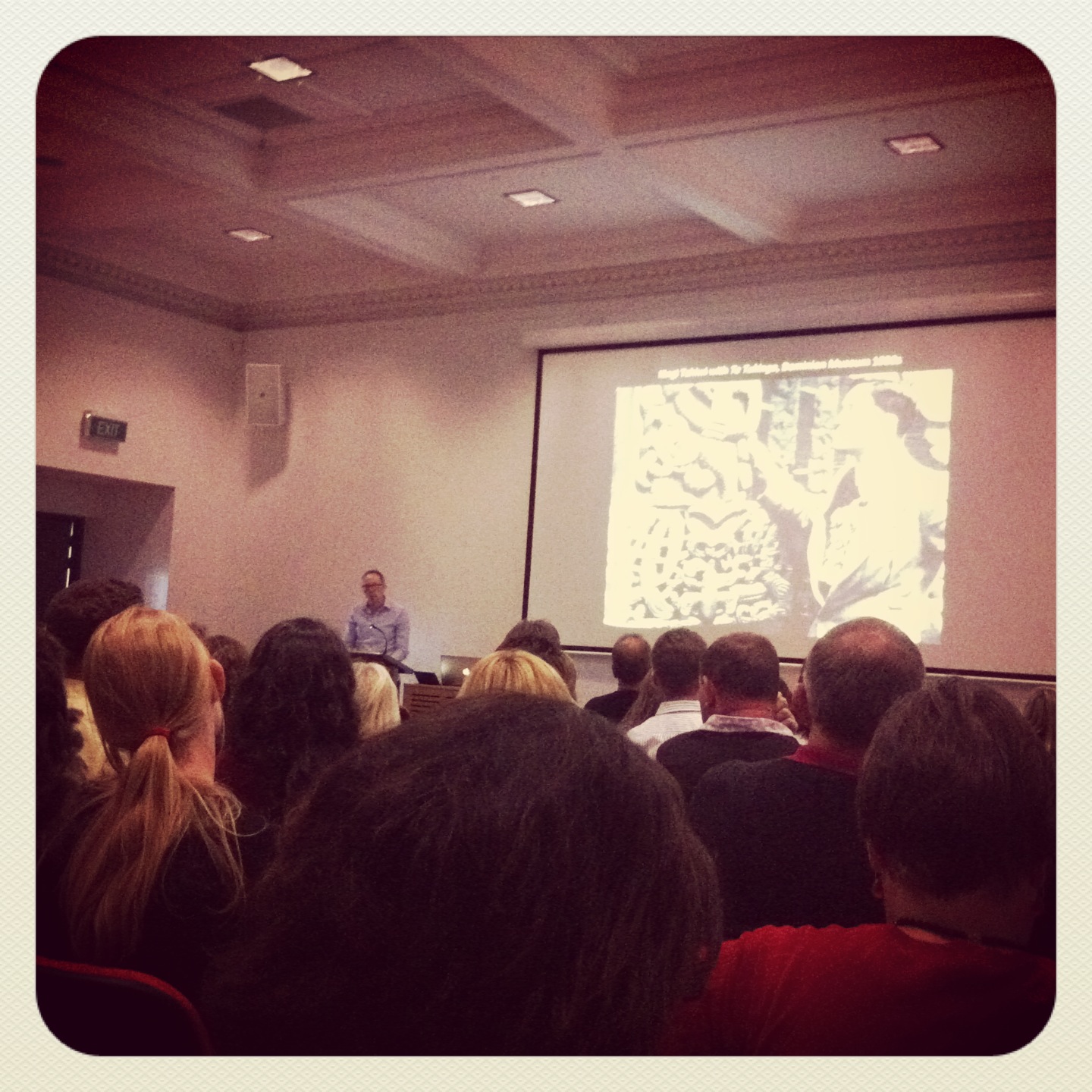
Conal McCarthy giving his keynote address at the Colonial Objects Conference
CRoCC in the news
Tony Ballantyne was interviewed about the Centre for Research on Colonial Culture and our forthcoming Colonial Objects Conference recently. Read the story here.
Colonial Objects Conference FINAL Programme
The organisers of the Colonial Objects Conference are pleased to announce the final Conference Programme is now available. Please note that the registration desk opens at 9am on Monday Feb. 11th, and is located in the Otago Services Lounge of the Toitū Otago Settlers Museum. The location of the registration desk is highlighted on this Map.
If you are interested in attending this conference you must formally register via our online registration system. Please note, we are close to full capacity and will be closing that portal soon.
PhD Scholarship Available: History of Eugenics in New Zealand
Associate Professor John Stenhouse (History & Art History) & Professor Hamish Spencer (Zoology) are looking for a suitably qualified student to research and write a PhD thesis on the history of eugenics in New Zealand.
The successful applicant will have a BA Hons or MA in history, preferably with First Class Honours. Some training in the history of science is desirable but not essential.
This project aims to illuminate what, if anything, was distinctive about the New Zealand eugenics movement by placing it in comparative international context.
The successful applicant must be willing to investigate the interconnections between eugenics and science, class, race, gender, nation-state and religion. This three-year project is funded by the Allan Wilson Centre for Molecular Ecology and Evolution and includes a $25,000 NZD per year scholarship, $5,000 per year for tuition fees, and funding for international travel.
To apply for this position submit a CV, academic record, two academic references, a writing sample, and a short statement of research interests to John Stenhouse: john.stenhouse@otago.ac.nz
Families and Colonialism
For those interested in the relationship between family, colonialism and settler culture we encourage you to read, and follow, the Families and Colonialism Research Network Blog created and managed by Emily Manktelow, Laura Ishiguro and Esme Cleal. Its a great way to keep informed of new books and journal articles in the field, as well as forthcoming research events.
Hawkes Bay Museum and Art Gallery
Are you fascinated by museums and material culture? Are you interested in following the exciting developments taking place at the Hawkes Bay Museum and Art Gallery? If so, we encourage you to follow the HBMAG Blog, which features articles about some of the amazing treasures held by the institution, as well as updates on the changes taking place at the museum.
Pacific History Association Conference 2012

Conal McCarthy and Lachy Paterson
Several members of the Centre for Research on Colonial Culture attended the biennial Pacific History Association Conference recently. Hosted by Victoria University of Wellington from 6-8 December, the conference drew together historians from across the Pacific.
Faculty and post-graduates from the University of Otago were there in large numbers, including two Centre members Lachy Paterson and Megan Ellison of Te Tumu: the School of Māori, Pacific and Indigenous Studies, who presented papers on the benefits and difficulties of utilizing indigenous-language texts within the practice of writing history. Megan focused specifically on Kāi Tahu writings and manuscripts, while Lachy presented a paper based on his current project, an anthology of Māori women’s writings from the 19th century.
Jacqui Leckie (Anthropology), Alumita Durutalo (USP), Louise Mataia (NUS) and Rosey Anderson (Otago), along with two Centre members, Angela Wanhalla and Judy Bennett, reported results from their collaborative Marsden funded research project tracing the fate of children born to indigenous mothers and American servicemen in the South Pacific during World War II.
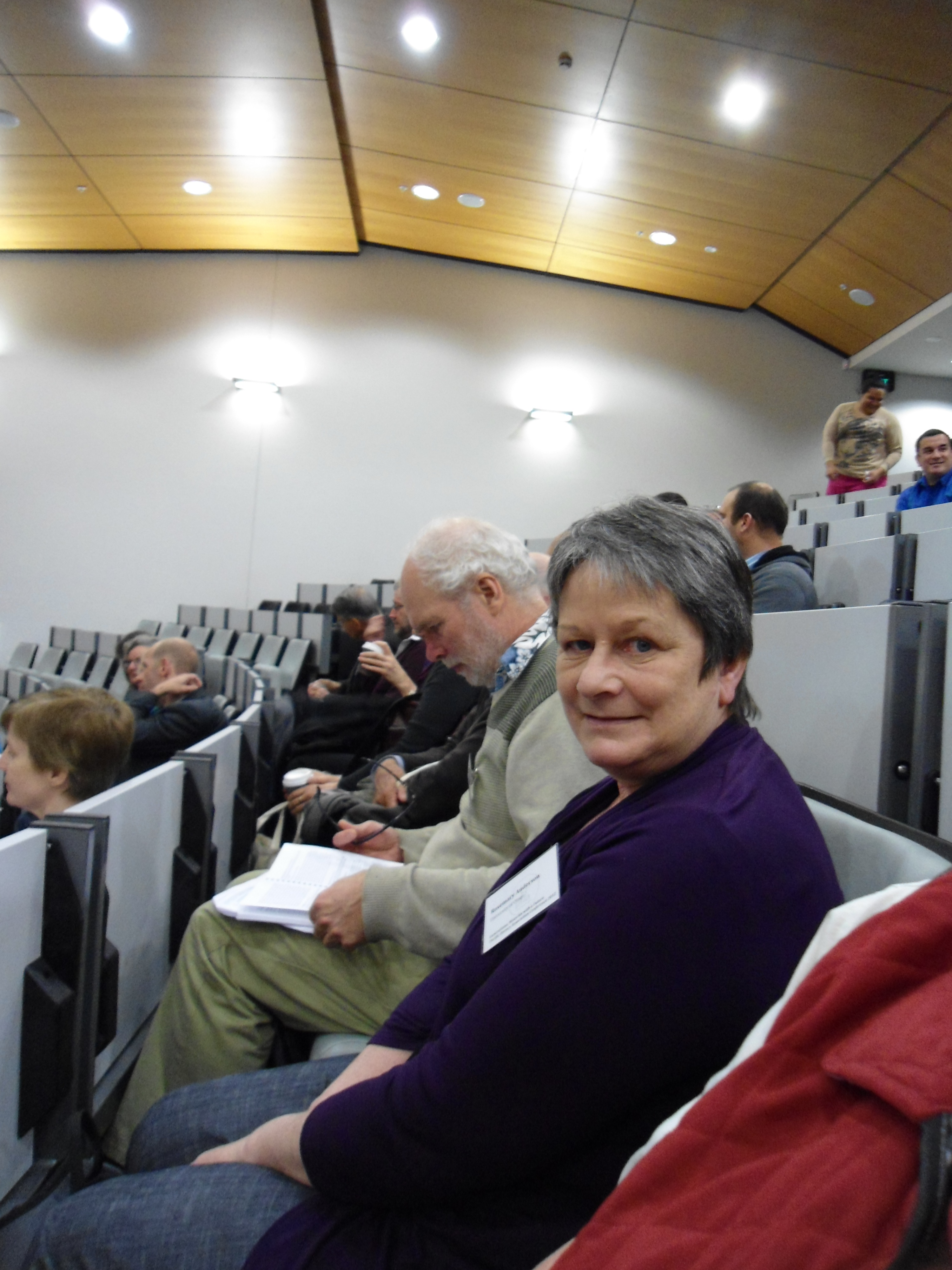
Rosey Anderson
Rosey Anderson’s paper based on her MA thesis research was a particular highlight. Her MA explores the history of a New Zealand Government scheme to bring Cook Island women to the country as domestic servants, while also tracing the impact of that migration on the women and their families.
The Centre for Research on Colonial Culture is based in the History and Art History Department at the University of Otago. This department has a proud record of producing excellent post-graduate research on colonial history and culture, and it was heartening to see this tradition continued at the Pacific History Association Conference this year.
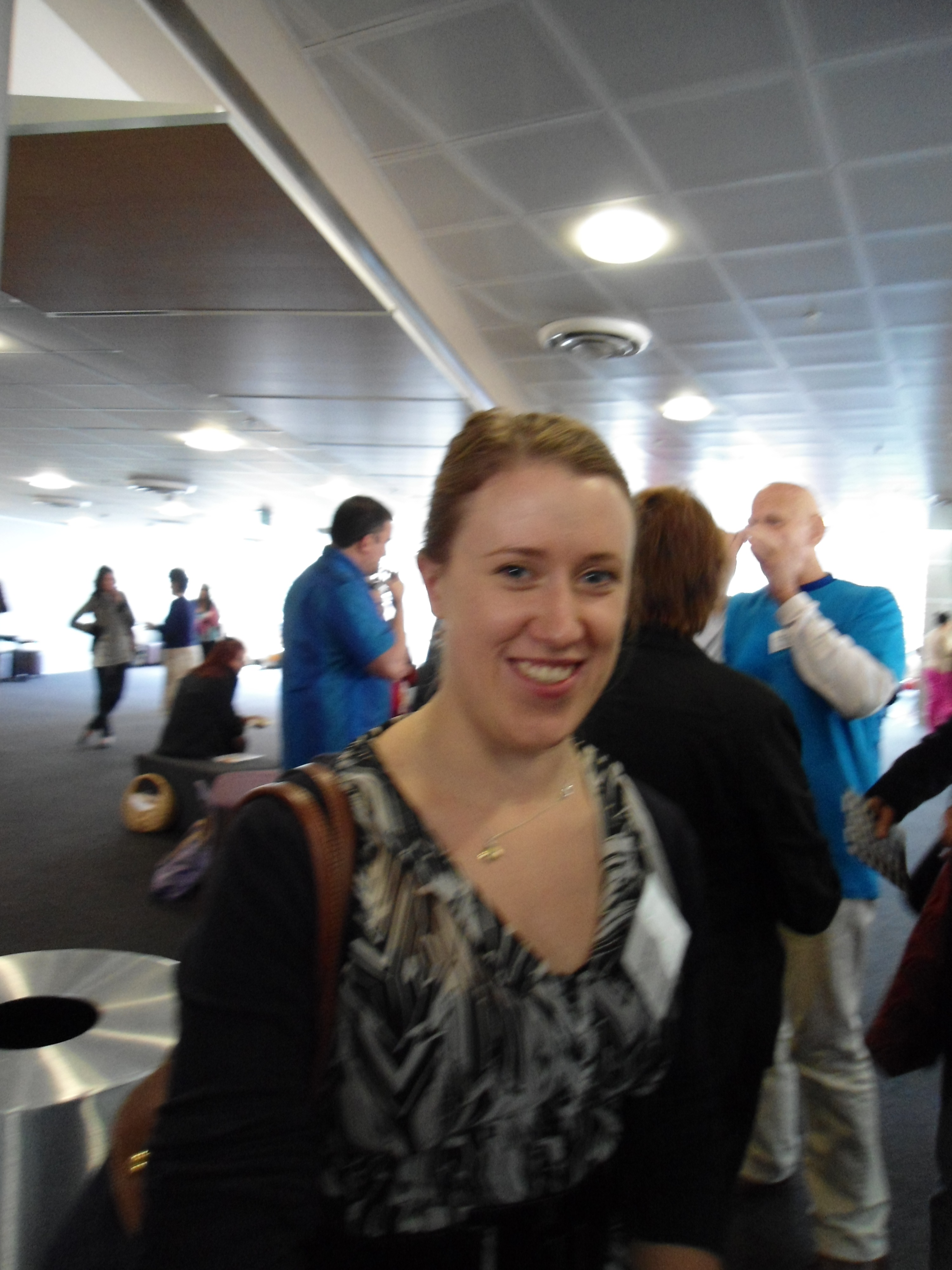
Kate Stevens
Several former students gave well-received papers on their current research: Kate Stevens, who completed her BA (Hons) in History and Anthropology at Otago in 2008 and is now undertaking a PhD at Cambridge, gave a paper on British and French colonial legal regimes in the Pacific, focusing specifically on Vanuatu; Antje Lubcke (MA, Otago), gave an illuminating and excellent paper on photography in late 19th century Papua, which is the subject of her PhD at ANU; and Dr. Jonathan West, now working at the Waitangi Tribunal, presented new research on the effects of the earliest epidemic disease, known as rewharewha, upon Māori communities. The Centre has heard great things about the presentations of Otago’s current post-graduate students too and congratulates Rosey Anderson (Cook Island domestic servants), David Haines (shore-whaling on Banks Peninsula), and John McLane (Influenza Pandemic in the Pacific).
We also wish to congratulate Professor Judy Bennett whose new book, An Otago Storeman in Solomon Islands: The Diary of William Crossan, Copra Trader, 1885-86, was launched by Doug Munro at the Pacific History Association Conference. It is co-edited by Tim Bayliss-Smith (University of Cambridge), and was published by ANU-E Press. Congratulations Judy and Tim!
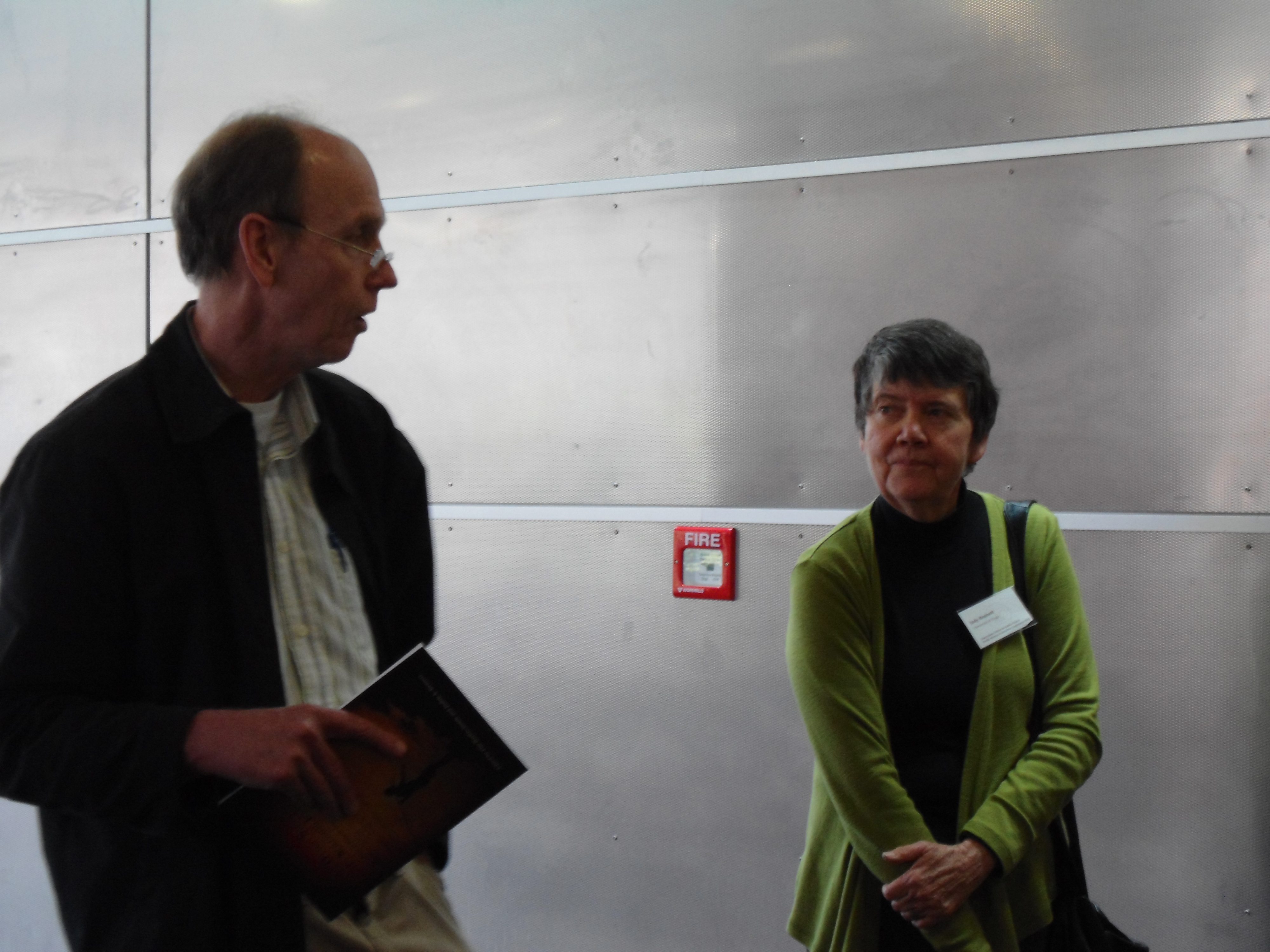
Doug Munro and Judy Bennett
