New Publications
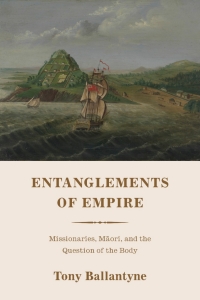
Congratulations to Tony Ballantyne and Barbara Brookes on the release of their newest books. Tony’s book, Entanglements of Empire, was released by Duke University Press in late December, with a New Zealand imprint published by Auckland University Press being released in April.
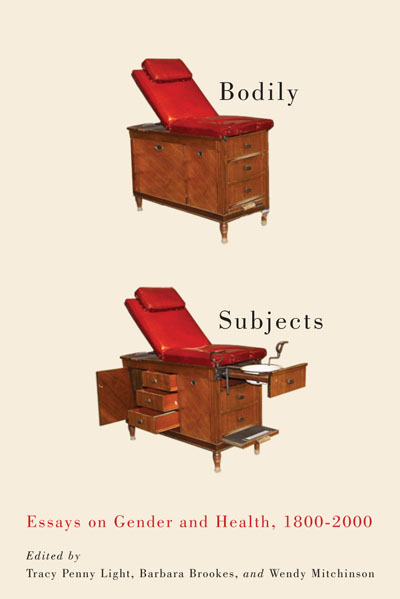
In the past week, a collection of essays co-edited by Barbara Brookes with Canadian colleagues Tracy Penny Light and Wendy Mitchinson (both University of Waterloo), Bodily Subjects: Essays on Gender and Health, 1800-2000, was released by McGill-Queen’s University Press. The collection explores the historical entanglement between gender and health across two centuries and in a variety of locations through essays ranging from the nineteenth-century British Poor Laws, an Aboriginal reserve in 20th century Queensland, AIDS activists on the streets of Toronto in the 1990s.
Congratulations Barbara and Tony!
Family Emotional Economies & Disability at Birth
Last year, Professor Barbara Brookes (a CRoCC Steering Committee member), contributed a post to a History of Medicine Blog about the ‘complicated emotions surrounding disability at birth’. You can read the Blog post here. In it Barbara traces the emotional responses and experiences of families to disability in mid-twentieth century New Zealand through the dissertations of University of Otago fifth year medical school students in public health. At that time, the students were encouraged to study what was then described as “intellectually handicapped” children, and did so by going into the community and talking to families, but particularly mothers. The dissertations are a rich archive for social history, but are particularly revealing of attitudes to disability, from within and outside the family during the 1950s and 1960s.
Dunedin: New Zealand’s history capital?
Jock Phillips, an eminent historian in both academic and public domains has just annointed Dunedin as the powerhouse of NZ historical research and scholarship. And this just days after Unesco named Dunedin a Creative City of Literature. Jock, until recently the Ministry of Culture and Heritage’s General Editor of Te Ara: the Encyclopedia of New Zealand has suggested in his latest blogpost that “New Zealand history moves south”, citing examples of the academic strength of historians at the University of Otago, its public institutions, such as Toitū: Otago Settlers Museum, as well as citizen-driven initiatives. Whatever aspect of history turns you on, Jock suggests that “Dunedin in 2015 is the place to be”. Click here to read Jock’s blogpost.
MA Scholarship Available
Are you interested in pursuing an MA in Wellington? If so, you’re in luck. Professor Charlotte Macdonald (School of History, Philosophy, Political Science and International Relations) at Victoria University of Wellington has an MA scholarship available. It offers $16,000 + fees, on a project linked to her Royal Society of New Zealand Marsden-funded research: Tinker, Tailor, Soldier, Settler: Garrison and Empire in the Mid-Nineteenth Century. Applications close on 23 January. Click here to read the advertisement and find out more about the project.
Mobilities in a ‘Dangerous World’
Call for Papers
Sixth New Zealand Mobilities Symposium: Mobilities in a ‘Dangerous World’
25 and 26 June, 2015, University of Waikato
The contemporary world and its real and imagined ‘dangers’ offers us with a variety of challenging themes to explore in this Sixth New Zealand Mobilities Symposium, including sustainable mobilities, climate change and human mobility, mobility justice, historical mobilities in new perspective, the mobilities of disease and war, and mobilities and the borders of the nation state. We have conceptualised ‘danger’ as the risk and threats that mobility might pose in the contemporary world, such as climate change refugees, pandemic disease transmission via people and movement, among other aspects of perceived dangers in our shared mobile world. We are also inviting papers relating to various other topics, including sport, leisure, health and tourism mobilities; human and object transport and mobilities; refugee and migration, especially Pacific peoples; mobile media technologies; and moving methods.
We expect to conclude the conference with a panel focused on theorizing mobilities/moving methods. This conference places additional emphasis on capacity building for research among emerging researchers and postgraduate students in mobility studies. We are aiming to keep all sessions as plenary sessions, so spaces will be limited at the time of the selection of abstracts.
Keynote presenters will include
Dr Holly Thorpe (Sport and Leisure Studies, University of Waikato, and author of Transnational Mobilities in Action Sport Cultures, Palgrave 2014): ‘Youth and Sporting (Im)mobilities in Disrupted and Conflicted Spaces’.
Professor Mimi Sheller (Professor of Sociology, Department of Sociology, Director, Center for Mobilities Research and Policy, Drexel University, Philadelphia): ‘Connected Mobility in a Disconnected World: Moving people, information and aid after disasters’. [Please note: Mimi Sheller will present a virtual keynote.]
Other invited speakers to be advised.
Abstracts due: Friday 6 March 2015. Please send a 250 word abstract and a 100 word biography to dangerousworldmobilities@gmail.com
Decisions on paper offers will be made by 1 April 2015.
We are hoping to offer student bursaries to support postgraduate students from beyond the Waikato to attend this conference. More information will be made available in April of 2015.
Contacts and organisers:
Professor Cathy Coleborne (History Programme, Faculty of Arts and Social Sciences): cathyc@waikato.ac.nz
Dr Holly Thorpe (Sport and leisure Studies, Faculty of Education) hthorpe@waikato.ac.nz
Dr Gail Adams (Geography Programme, Faculty of Arts and Social Sciences) gaila@waikato.ac.nz
Placing the Personal Essay
Last week CROCC participated in the ‘Placing the Personal Essay Colloquium’, held at Puke Ahu in Wellington, aka the Massey Wellington campus. Convenors Ingrid Horrocks and Cherie Lacey put together academics and creative writers, and asked them to talk about place and the form of the personal essay. This was an invitation to migrate across borders, and many of the speakers did. From the academic side Lydia Wevers talked about ‘dirty books’, her dirty five-year experience of working at Brancepeth Station as she researched Reading on the Farm, Tony Ballantyne’s fish and chip shop (chop suey pattie for $1.60) anchored his argument for attention to the local, and Sally Blundell offered an insider’s account of what home means after the Christchurch quakes. The ‘creatives’ for their part got fairly theoretical: Martin Edmond’s keynote on ‘Riding the Ghost Train’ initiated a writing-as-ghostly metaphor which ran through the colloquium. (Alex Calder got spooked in Southland; Annabel Cooper revisited some old haunts.) Lynn Jenner brought place and the personal together in confessing to a childhood in a small red or pink painted room in imagined Vienna, before going on to make a plea for greater freedom in prose forms. Ian Wedde was surprised to be the first to point out that we all live now in a kind of Middle-Earth Truman Show, and Jack Ross and Harry Ricketts also took up elements of this theme, and Giovanni Tiso’s remarkable concluding account of what happened when he uploaded images suggests this is just the kind of world that Google Plus is taking us to. Alice Te Punga Somerville, both an ‘academic’ and a ‘creative’, countered such hyper-reality by pointing out that far below us in the concrete pipes which now channel an ancient stream under Puke Ahu, eels gathered, as they have for a very long time, a story of the persistence rather than the ephemerality of place. Even the eels, though, migrated to Twitter in the course of the day.
Congratulations to Cherie and Ingrid for putting such a diverse group of speakers together, and posing us the dilemma of talking about place, the personal and the essay form. The challenge produced a very lively day. The venue had to be changed to accommodate all the people who wanted to attend, and the tea breaks fizzed with conversation.
‘Placing the Personal Essay’ was held under the auspices of the W.H. Oliver Humanities Research Academy of Massey University, the Stout Research Centre of Victoria University of Wellington, and the Centre for Research on Colonial Culture, University of Otago. Tony Ballantyne and Annabel Cooper represented CROCC at the event.
Annabel Cooper
Colonial Worlds Elemental Histories Symposium
A one-day elemental histories symposium, a Centre for Research on Colonial Culture event, was held on 31st October, at the Hocken Collections. ‘Colonial Worlds Elemental Histories’ began with a keynote address from Grace Karskens, Associate Professor, UNSW. Her stories of early settlers (1802-1830s) who farmed the fertile but flood-prone Castlereagh region west of Sydney, revealed dogged determination in the face of repeated devastation. The settlers developed a culture of risk-taking and opportunity that underlay their fatalistic attitude towards the Australian bush.
Professor Tom Brooking’s paper ‘Yeotopia Gained: New Zealand 1840-1914’ explained how by 1914 most farming in New Zealand was carried out by family concerns but on someone else’s land. The changes in land ownership revealed a fracturing of a flawed dream.
‘Elementally United: The Case of Canterbury’s Nor’west Wind’ by Katie Pickles exhorted us to think with our senses. The wind, a dominant force in shaping emotion is both felt and seen in the landscape.
Dr Michael Davis’s paper entitled ‘Entangled Knowledges: Indigenous and Environmental Histories across the Tasman’, featured the botanical explorations and friendships between New Zealander William Colenso, Australian Allan Cunningham and Englishman Joseph Dalton Hooker.
In ‘Getting to Know You: People and Rabbits in Southern New Zealand’, Emeritus Professor Peter Holland presented a collation of information culled from diaries and ledgerbooks of rural farms and stations. Across southern New Zealand rabbit densities varied with swings in weather and climate, and interactions between people and rabbits changed.
By contrast Dr Vaughan Wood examined a single but detailed diary for his paper ‘Mapping the network of a nineteenth century Canterbury farm.’ He was able to plot, trips to the store, post office, friends and relations. Asymmetric patterns of movement across farms were governed by swampy land. These farming men, he concluded were an integral part of community.
After lunch Dr Michael Roche gave us an exposition on ‘The Forest as an Elemental Natural Resource in Colonial New Zealand and the First Failure of Scientific State Forestry, 1874 to 1877.’ These three years saw the introduction of scientific forestry brought by Captain Campbell Walker, who had a career with the Indian Forest Service in Madras and had studied orthodox German practice.
Continuing with the forestry theme Dr André Brett provided us with ‘Forests and Provincial Abolition: Did Conservation Kill the Provinces?’ Forest conservation enjoyed prominent supporters in the political and scientific communities during the provincial era, but it failed to capture the public imagination.
Dr James Beattie’s paper ‘Expanding the Horizons of Chinese Environmental History: Cantonese gold-miners in colonial New Zealand, 1860s-1920s’, used the experiences Chinese working alluvial gold in Otago to explain how their traditional knowledge of water management techniques coupled with hard work and tenacity changed the landscape. One entrepreneurial family Choie Sew Hoy was particularly important in the dredging boom of the 1890s.
PhD Candidate Lucy Mackintosh shared her research on Auckland’s several park-scapes. Her paper ‘Shifting Grounds: Narratives of Identity in Auckland Landscapes’ examined the urban environment with its monuments. ‘Our parks’ she claims ‘so often valued for their natural features, are also rich repositories of stories about the past.’
Continuing the theme of public spaces, Dr Joanna Cobley’s paper ‘The Nineteenth Century Landscape: economics, heritage and national identity’ looked at the heritage site of Tongariro National Park. Gifted to the nation in 1887 this first National Park is still viewed within the frameworks of useful and beautiful.
In the final paper of the day Eric Pawson ‘Writing environmental history’ asked the delegates for their input on an article he was finishing for the International Encyclopedia of Geography.
At a small function also held at the Hocken the book James Beattie and Matthew Henry launched their book Climate, Science, and Colonization: Histories from Australia and New Zealand, by James Beattie, Matthew Henry and Emily O’Gorman (eds). Palgrave MacMillan, London, 2014. Emily O’Gorman was unable to attend the function.
Thanks to Rosi Crane for supplying this report.
Kalimpong Reunion
A reunion was held today (28/11/14) at St Margarets College of descendants of migrants from the St Andrews Colonial Homes. The Homes, now known as the Dr Graham Homes, made up a boarding school in Kalimpong (West Bengal, India) mainly for children of indigenous women and European tea planters. Set up by Reverent Dr. John Anderson Graham in 1900, this Christian school educated the “Anglo-Indian” children, some of whom as teenagers were then sent to New Zealand between 1908 and 1938. The women worked as domestic servants, and the men as farm labourers.

Professor Tony Ballantyne addresses the reunion on the significance of Jane McCabe’s thesis.

Jane McCabe
The “Kalimpong Kids” were the subject of Jane McCabe‘s PhD thesis in the Department of History and Art History, supervised by Professor Tony Ballantyne and Dr Angela Wanhalla, both Centre members. The Centre has also supported the reunion, organised by Jane. About 65 descendants and family are attending and they have two days of planned events ahead of them.
Jane McCabe is herself a descendant of one of the original migrants, and her research involved contacting and interviewing some of the families. Her PhD was examined recently and judged “exceptional” by the examiners. Check out her website to find out more about her work.
Indigenous Mobilities Symposium
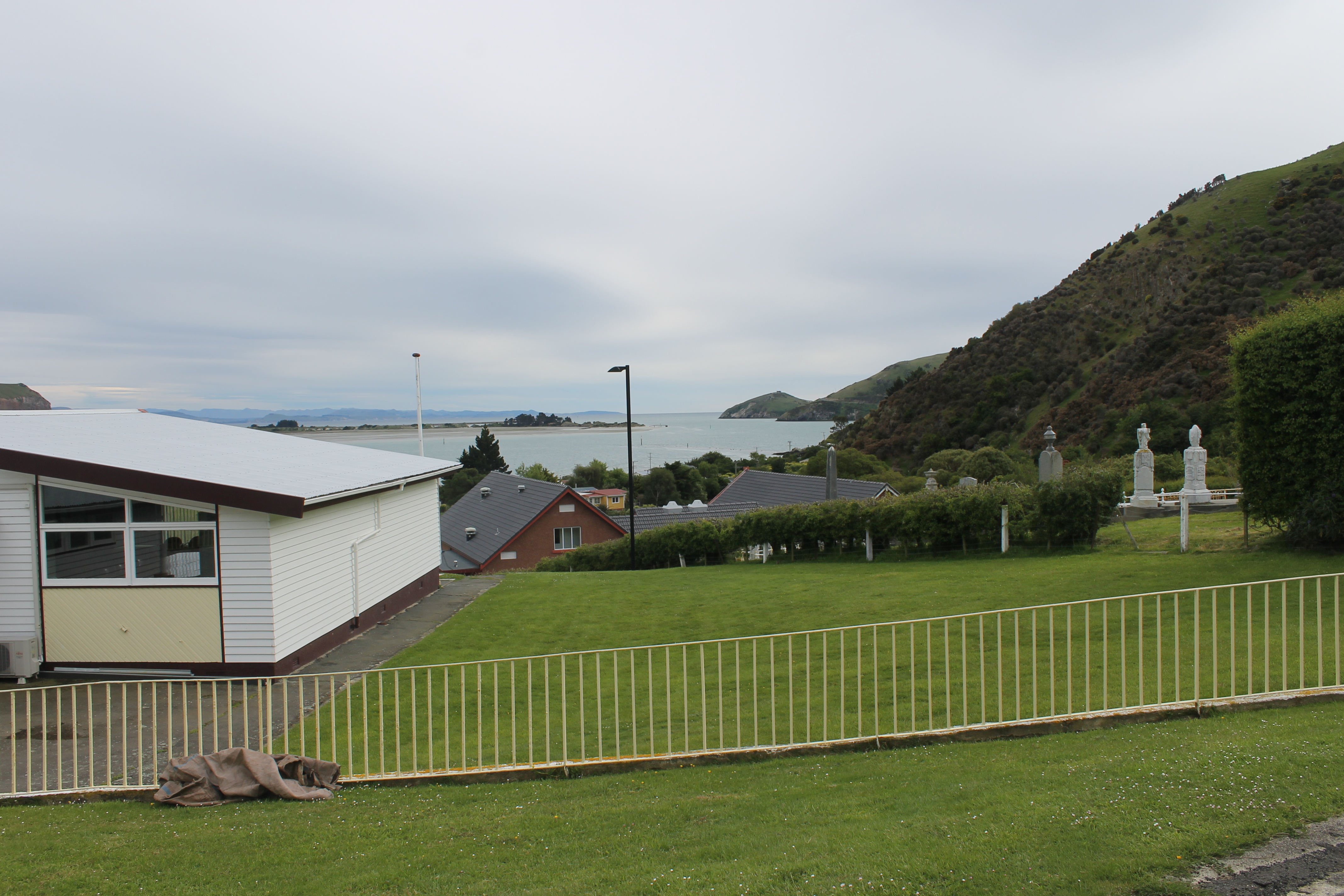
The beautiful historic setting of Ōtākou
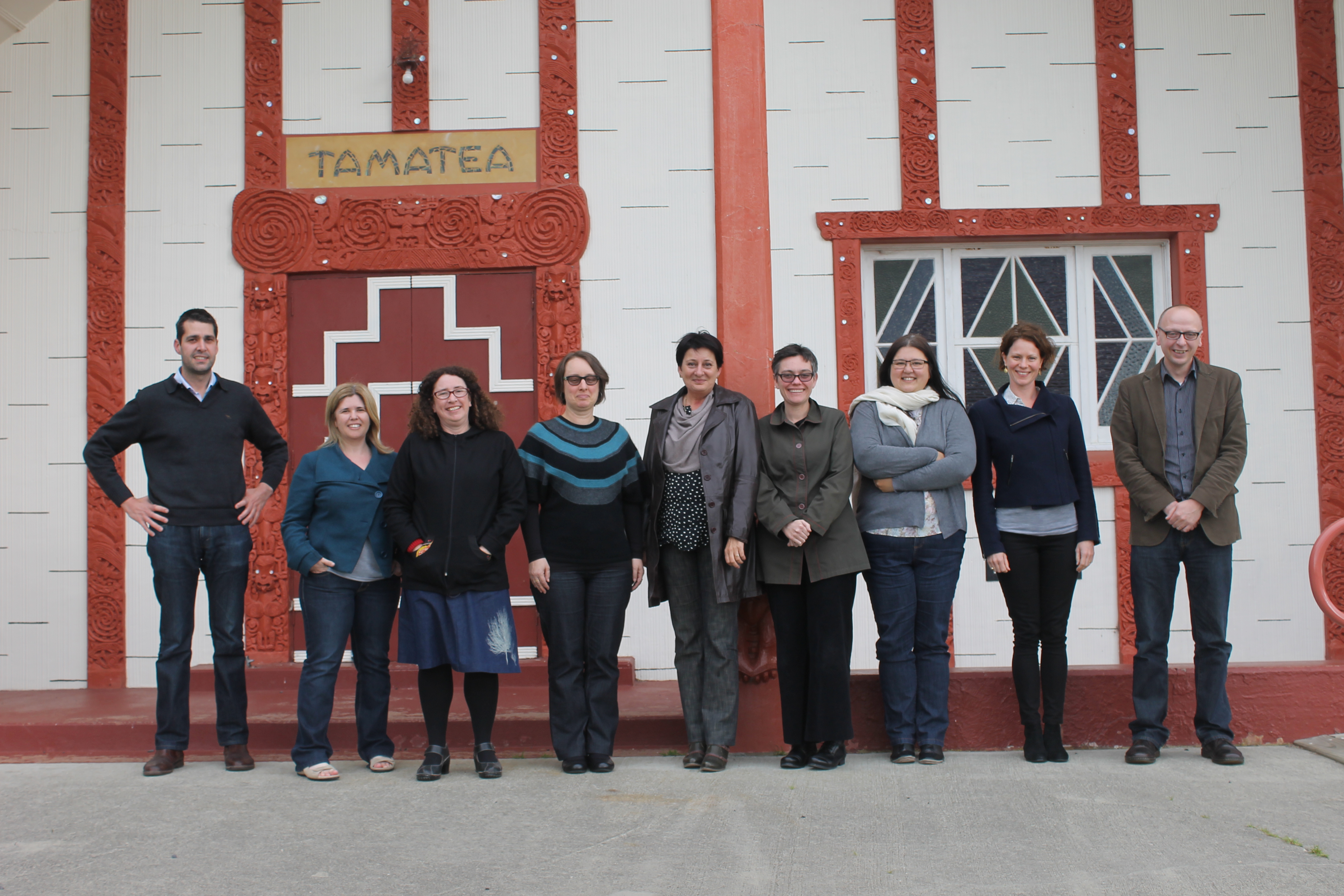
From left, Michael Stevens, Angela Wanhalla, Jane Carey, Kristyn Harman, Regina Ganter, Rachel Standfield, Shino Konishi, Tiffany Shellam, Tony Ballantyne. (Lachy Paterson photographer).
On Thursday and Friday (20-21 Nov) scholars assembled at Ōtākou marae, on the Otago Peninsula near Dunedin, for a pre-read symposium, “Rethinking Native Spaces: Indigenous Mobilities Across and Beyond the Antipodes”, co-organized by the Centre for Research on Colonial Culture of University of Otago and the Monash Indigenous Centre of Monash University. Attending were Tony Ballantyne, Michael Stevens, Angela Wanhalla and Lachy Paterson from CROCC and Rachel Standfield of MIC as well as Shino Konishi (University of Western Australia), Kristyn Harman (University of Tasmania), Tiffany Shellam (Deakin University), Regina Ganter (Griffith University) and Jane Carey (University of Wollongong). Unfortunately Lynette Russell of MIC was unable to attend. Research presented focused on a number of different aspects of Māori and Aboriginal travel in the colonial period, both within New Zealand and Australia but also further afield. A publication is planned. CROCC would like to acknowledge Rachel Standfield in particular for her hard work in bringing this event to fruition.
Visiting Fellow
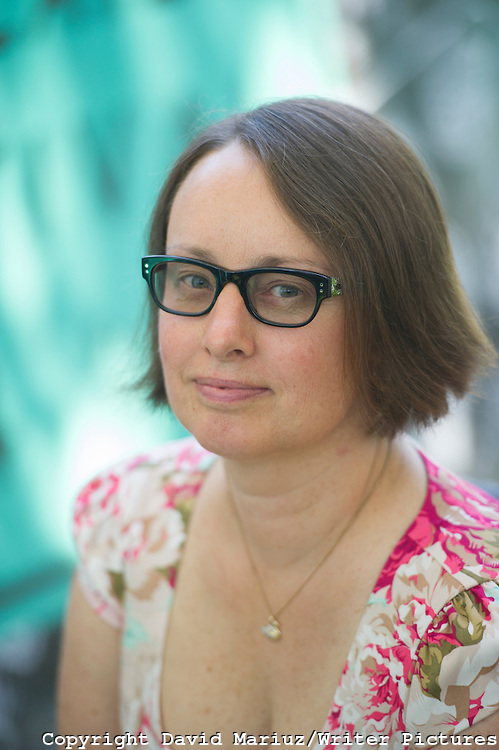
Dr. Kristyn Harman
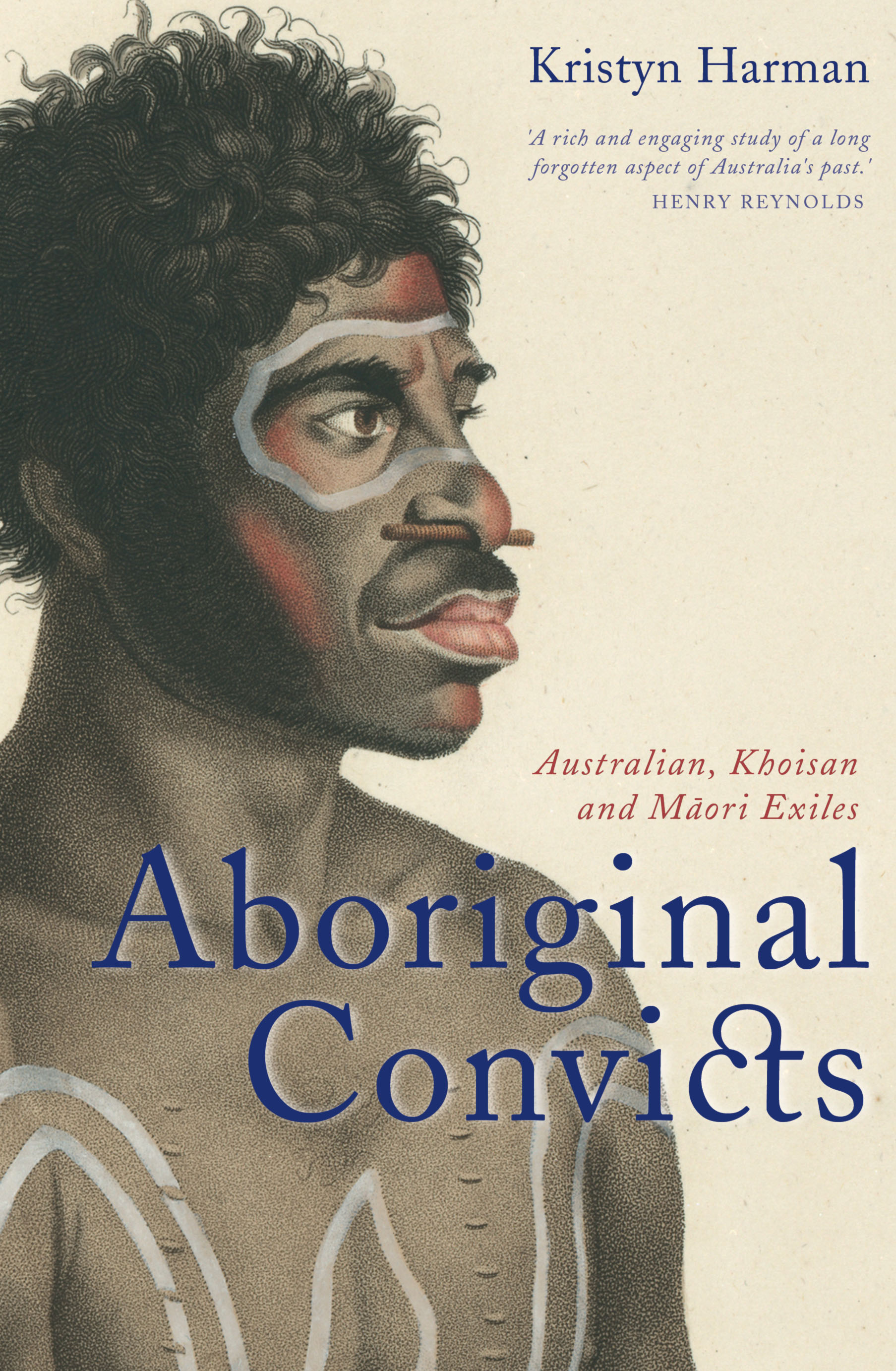
Aboriginal Convicts
This week the Centre for Research on Colonial Culture welcomes Dr. Kristyn Harman (University of Tasmania) as a visiting research fellow to the centre. Kristyn lectures in Aboriginal Studies and has published widely on Aboriginal history, race relations, warfare, and colonialism in significant international journals like Journal of Colonialism and Colonial History and the Journal of Imperial and Commonwealth History. Her first book, Aboriginal Convicts: Australian, Khoisan, and Maori Exiles (UNSW Press, 2012) was awarded the prestigious Kay Daniels prize in 2014 by the Australian Historical Association. Kristyn is visiting for two weeks, where she will be based in an office in the Department of History and Art History and during her time here will present her research at a CRoCC symposium on Indigenous mobilities in history, as well as discuss a new project on PoWs at Featherston during WWII at the Migrant Cross-Cultural Encounters conference (24-26 November).
