History, Psychotherapy, Families and Mental Illness
These topics were all covered by Associate Professor Sally Swartz (University of Cape Town) in two talks at the University of Otago on February 18th. Sally is a clinical psychologist and directs the Child Guidance Clinic at her university, teaches in the Department of Psychology, and combines these roles with an interest in history. She has published extensively on colonial asylums, mobility and mental illness in South Africa. Her latest book is Homeless Wanderers: Movement and Mental Illness in the Cape Colony in the late nineteenth century (UCT Press, 2015).
While in Dunedin Sally gave a brilliant workshop, The Archive and the Person: History and Psychotherapy, reflecting on the intersections between her two areas of expertise. She discussed the various ways in which her work as a clinical psychologist influences and shapes the way she intervenes in and reads colonial archives, particularly asylum case files. She explained how psychotherapy and history can be brought together in meaningful ways, particularly in relation to interpreting and understanding the embodied experiences of patients and families.

Associate Professor Swartz
Sally also gave a public lecture entitled Families, Emotion and Attachment: Insights from the Past to the Present, in which she discussed how families kept their links, or didn’t, with their relatives in mental institutions. Experiences varied, but South Africa’s Jewish community, in particular, was one group that actively supported each other in times of family breakdown and stress. Those who lacked family support were less fortunate. From both these talks, Sally demonstrated that some aspects of mental health have not changed, notably the parsimonious official funding for psychiatric health services. Medical knowledge, though, has advanced immeasurably.
CRoCC was pleased to host Sally, and thanks Barbara Brookes for inviting her to Dunedin.
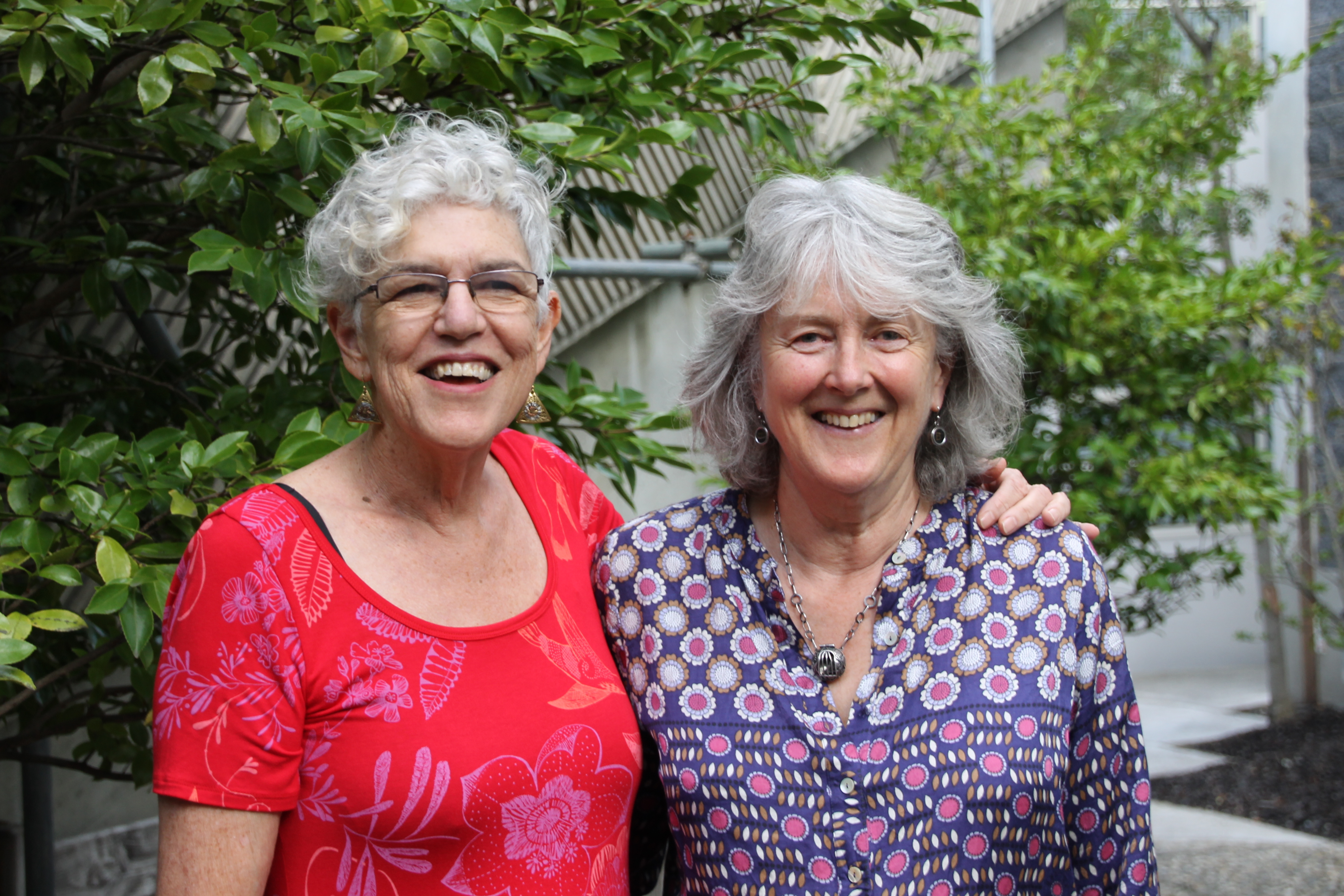
Sally Swartz and Barbara Brookes
Making Women Visible Conference
A highly successful conference on women’s history was held this week at the University of Otago. It began with a keynote address and public lecture from Professor Barbara Brookes at Otago Museum’s Hutton Theatre, which was filled to capacity, followed by the launch of Barbara’s new book, A History of New Zealand Women (Bridget Williams Books) in the museum’s Atrium. A large and excited crowd gathered to celebrate this achievement.
The publication of Barbara’s landmark survey history of New Zealand women was marked by a conference, Making Women Visible, which had over 70 papers on the programme and attracted 150 delegates from across New Zealand, Australia, Canada and South Africa. Organised by Centre member Angela Wanhalla, and Jane McCabe, Katie Cooper, Sarah Christie and Jane Adams, with help from Emma Gattey, Violeta Gilabert and Radhika Raghav, the conference was made possible with financial support from CRoCC, the University of Otago’s Continuing Education Fund, and the Women’s Studies Association of New Zealand. This funding support enabled the organisers to put together a diverse programme, host a special forum on women’s history in the public sphere, as well as bring outstanding scholars to Dunedin as keynote speakers.
You can find out more about the conference at Storify, where the organisers have collated social media comment, photos and video of the proceedings. Also see the Making Women Visible Album on the University of Otago’s Department of History and Art History Facebook page to view images of the book launch and the conference. A much fuller description of the conference will appear on the New Zealand Women’s History Caucus Blog soon.
Here are a few images from the launch and conference. Click pictures to enlarge.
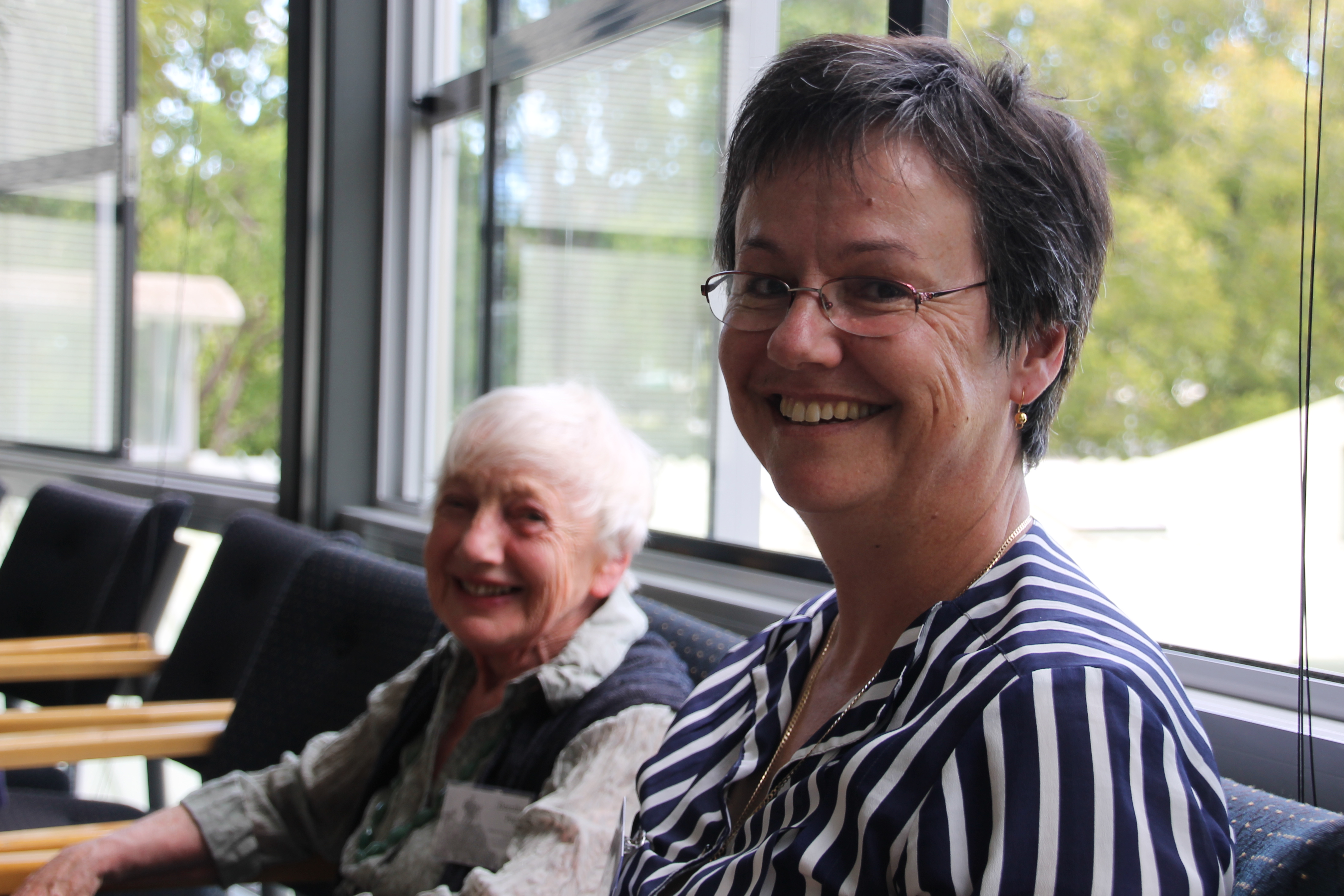
Dorothy Page and Philippa Mein Smith
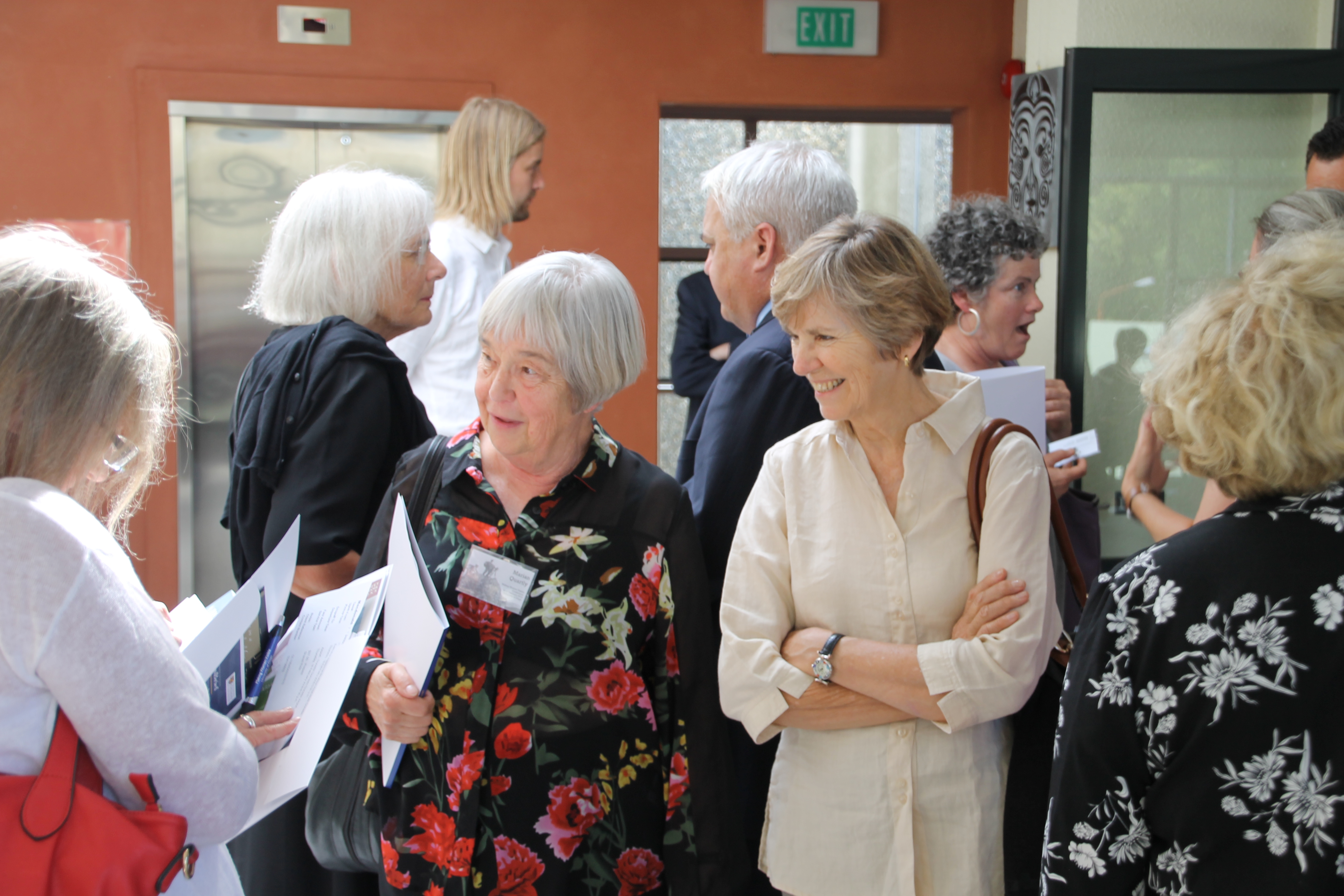
Marian Quartly and Diane Kirkby
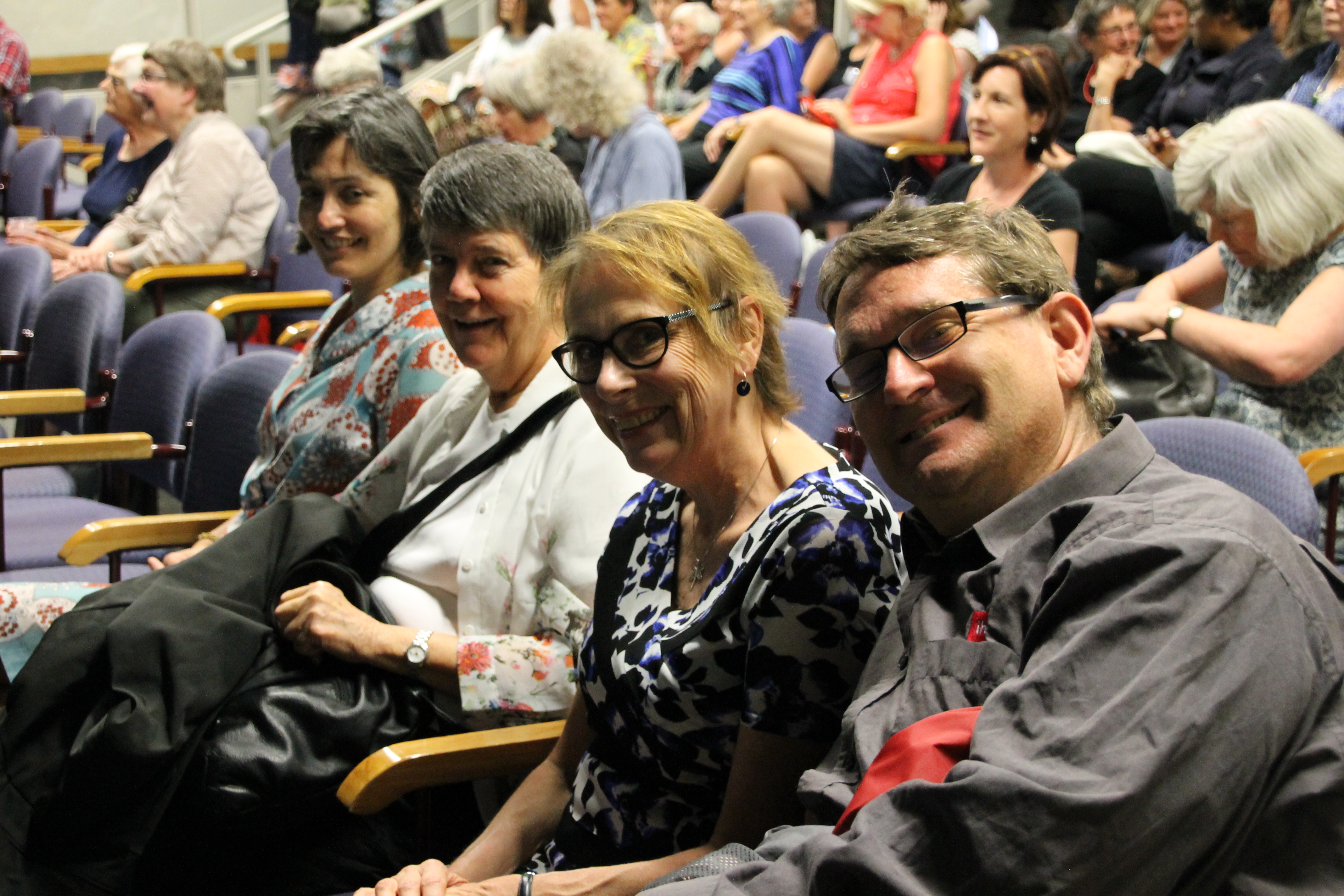
Katherine Milburn, Judy Bennett and Jacqui Leckie
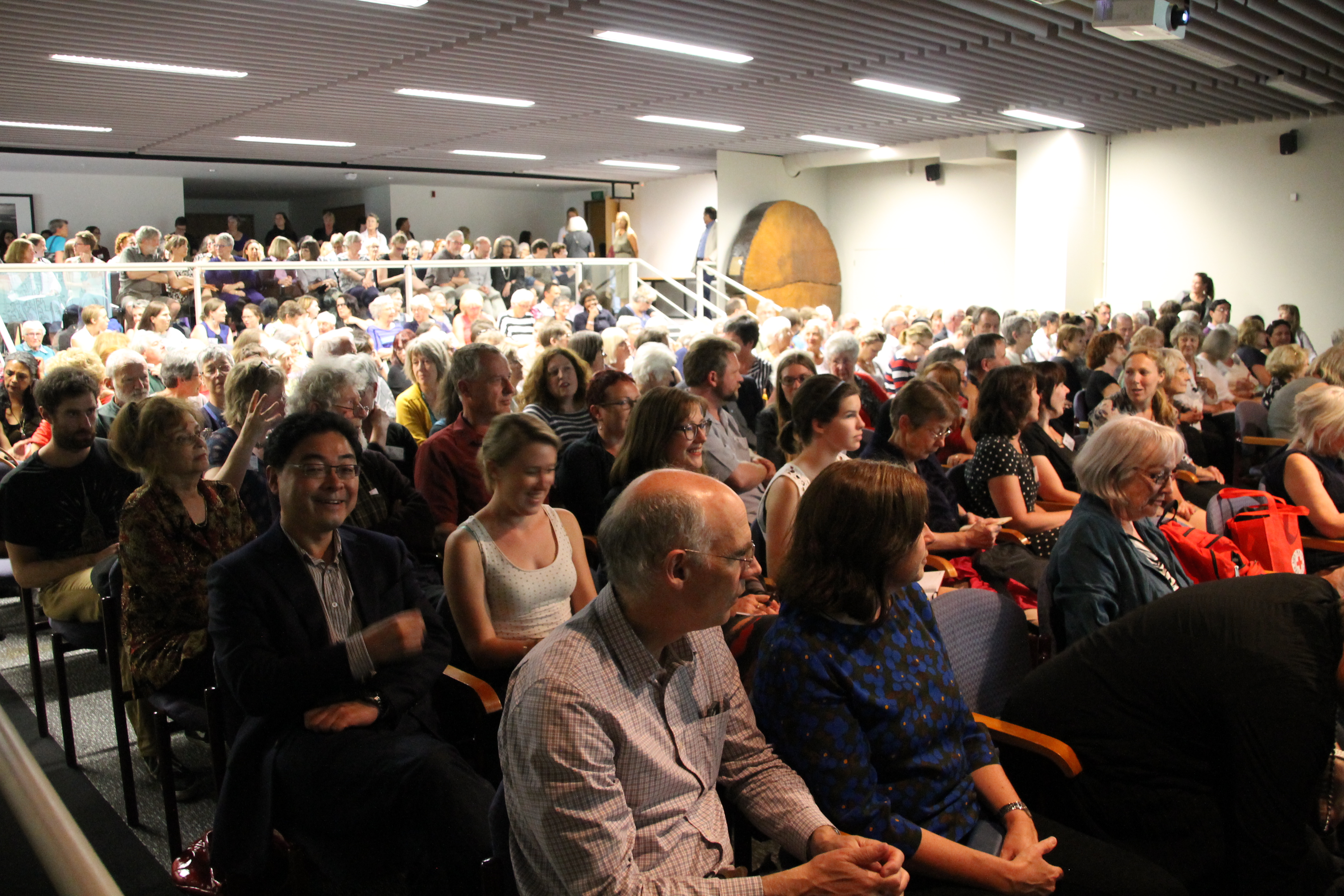
A large crowd awaits Barbara’s keynote lecture at the Hutton Theatre, Otago Museum
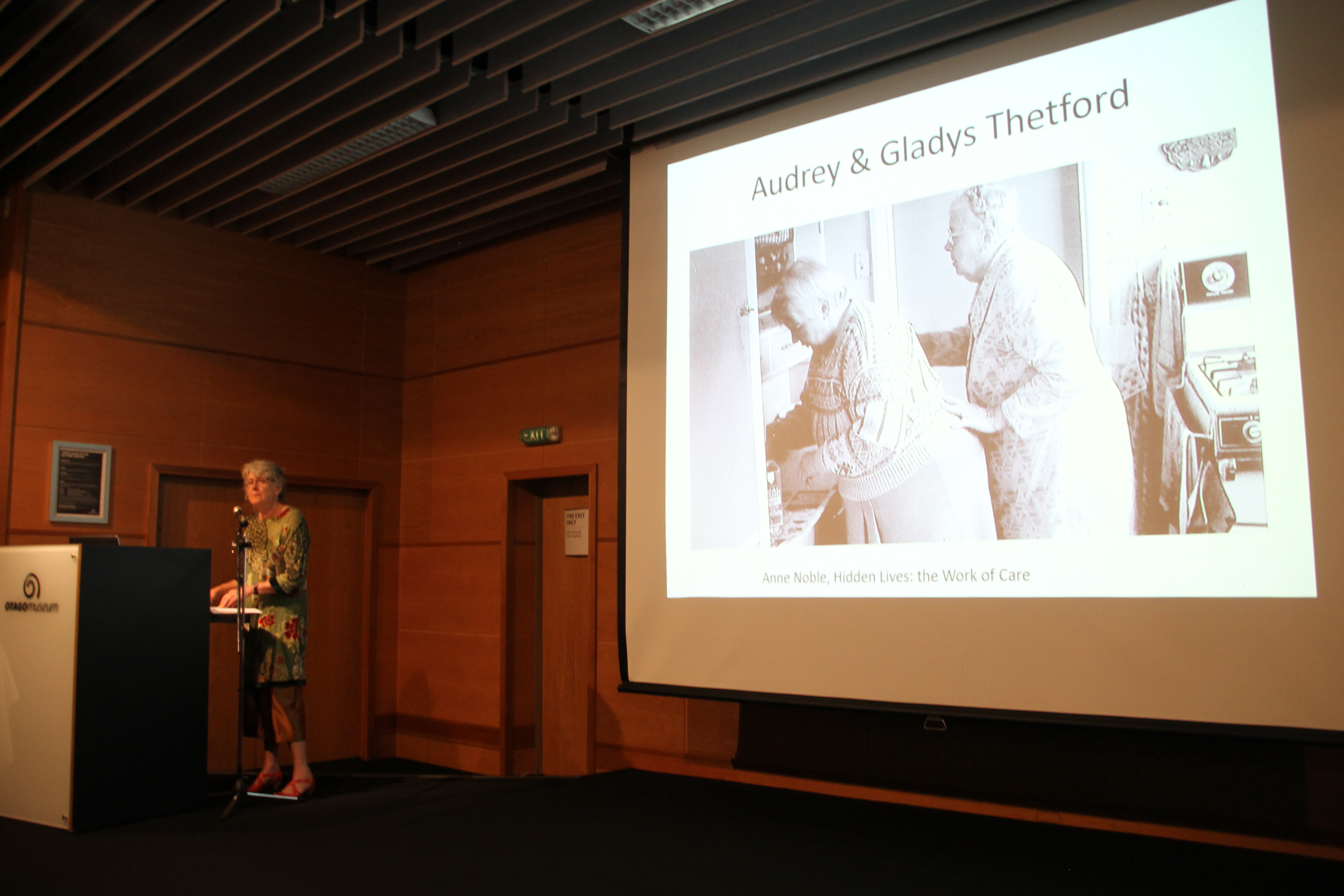
Barbara addressed the audience on the topic of caring and care work
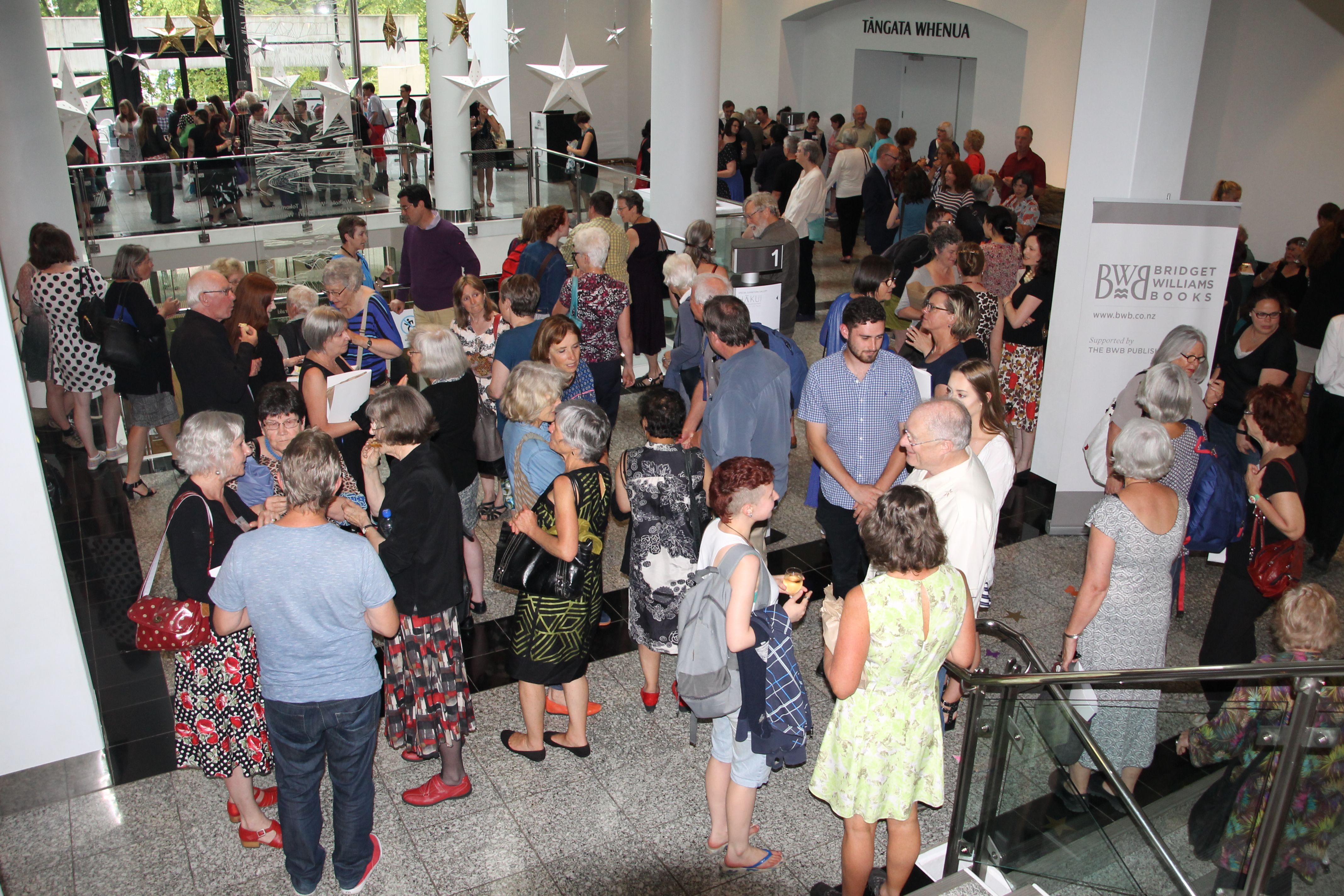
Crowds gather for the launch of A History of New Zealand Women
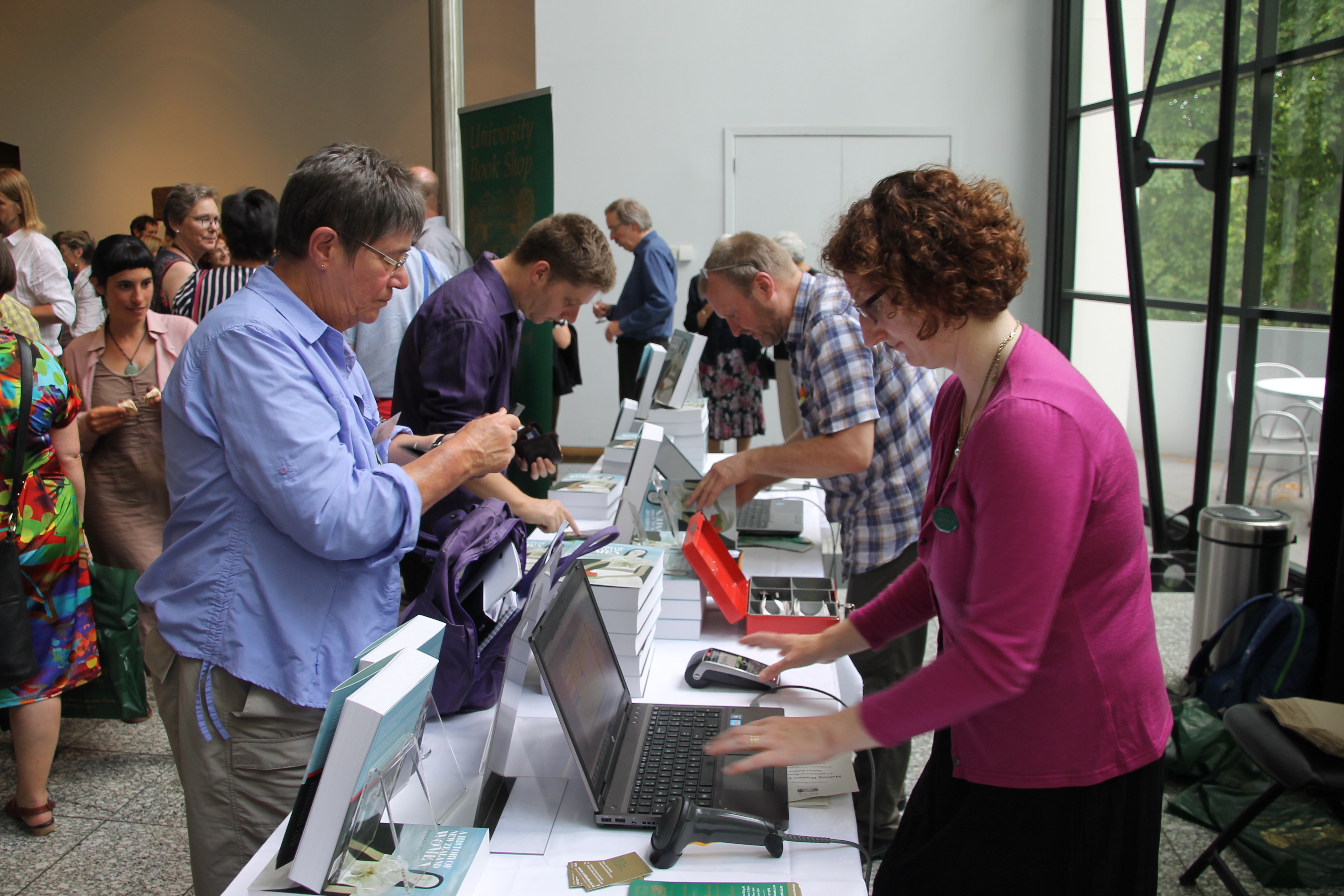
A brisk trade ensued
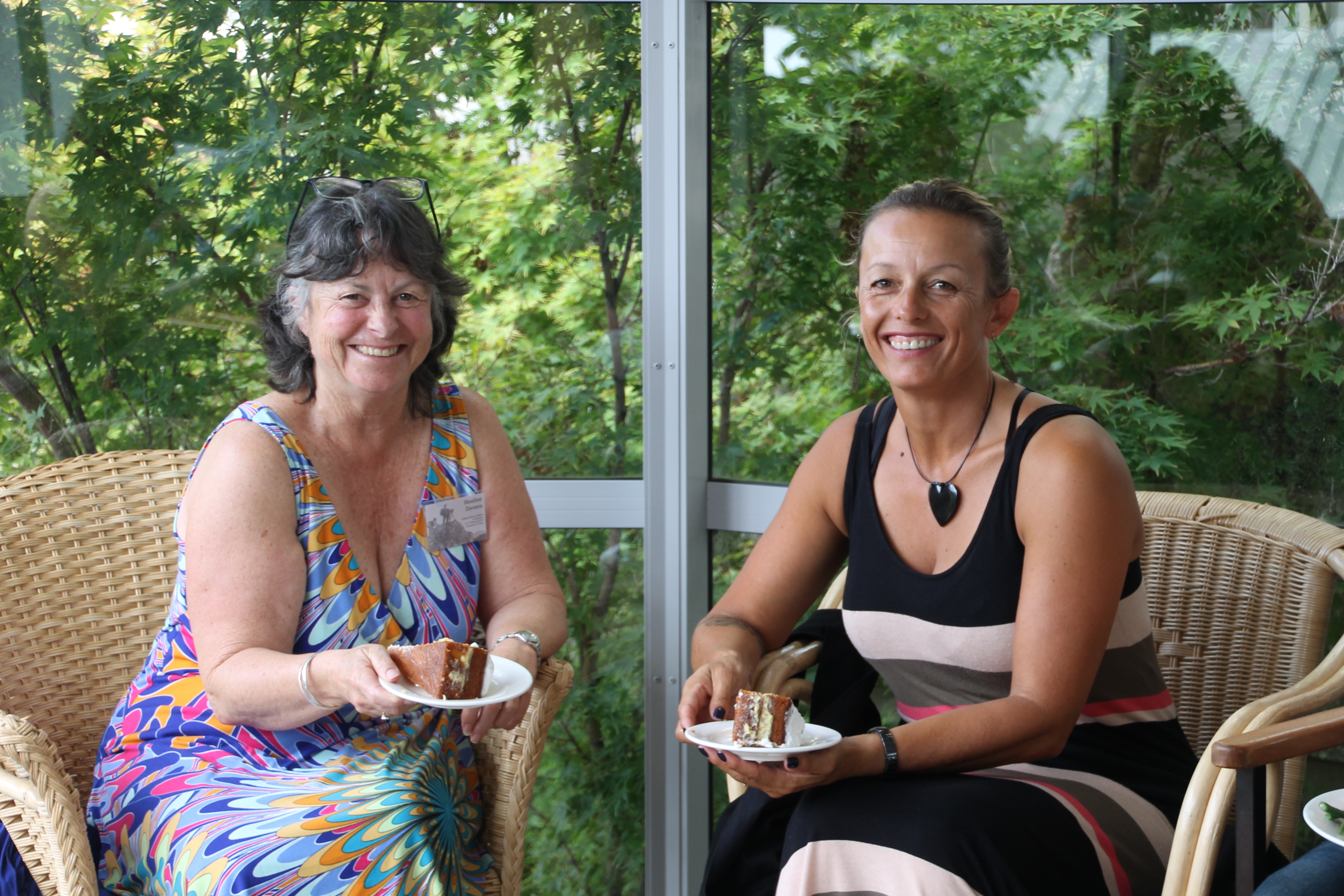
Heather Devere and Kelli Te Maihāroa both presented at the conference
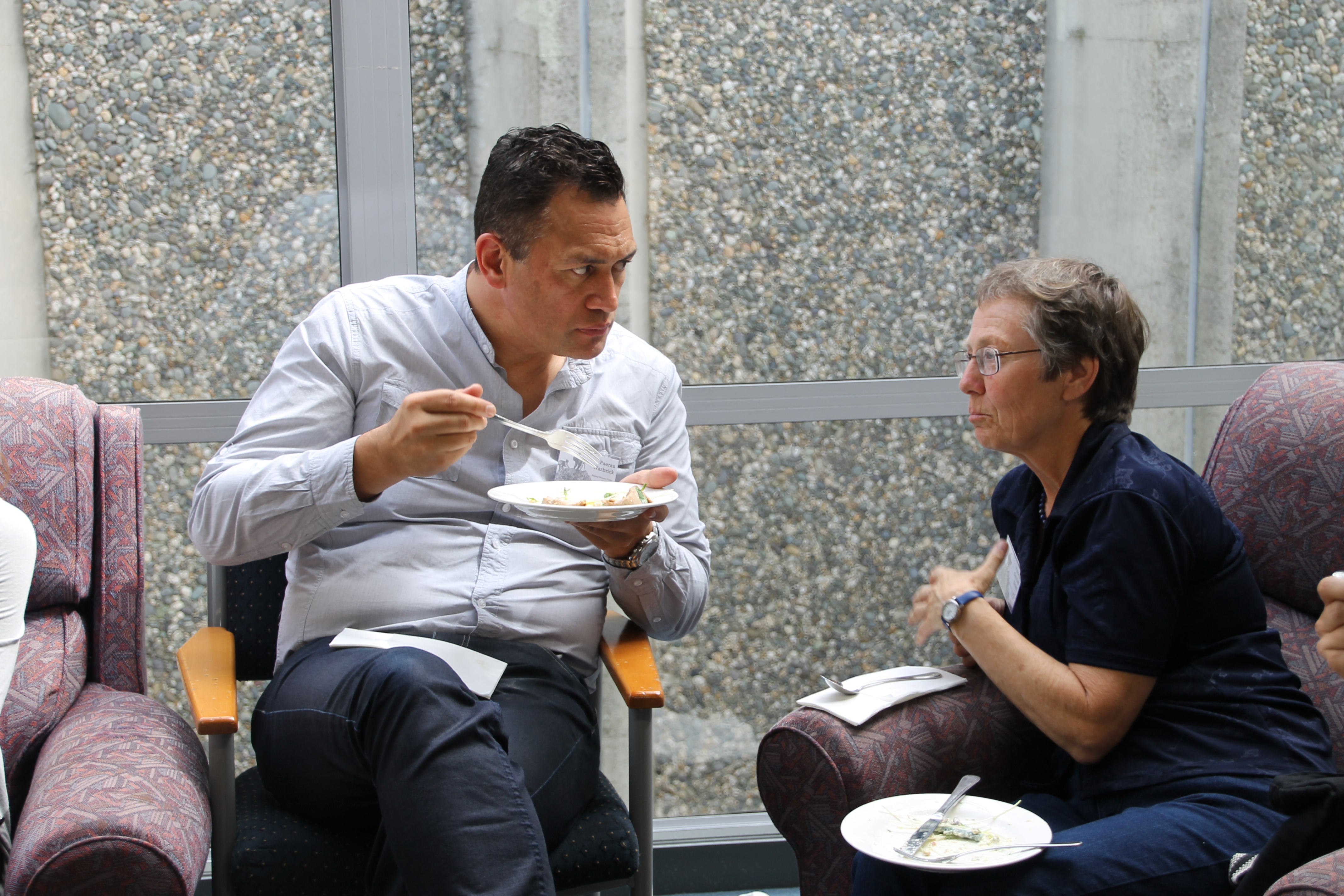
Paerau Warbrick and Pamela Gerrish Nunn
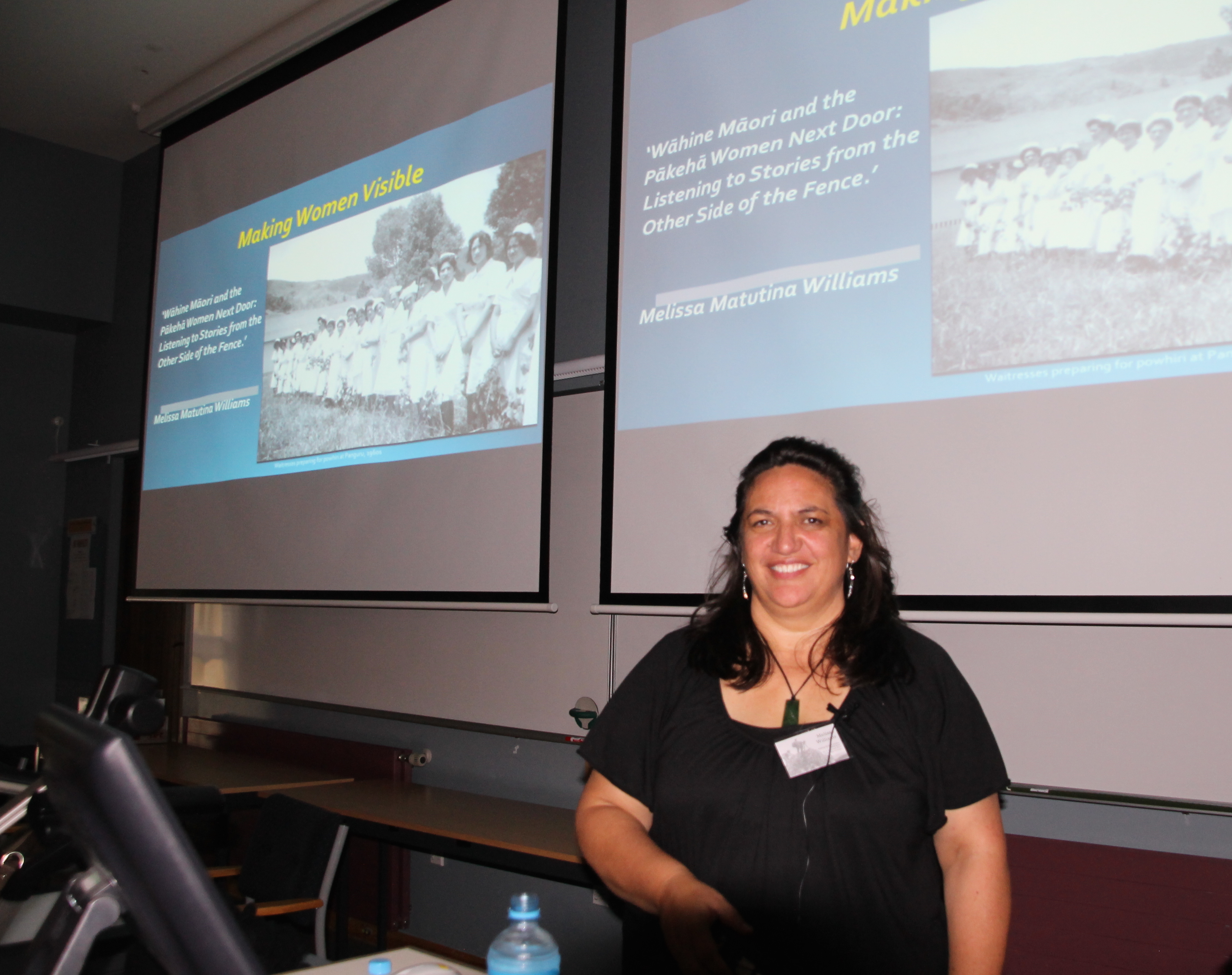
Melissa Matutina Williams gave a keynote address on the intersections between Māori and Pākehā women’s histories
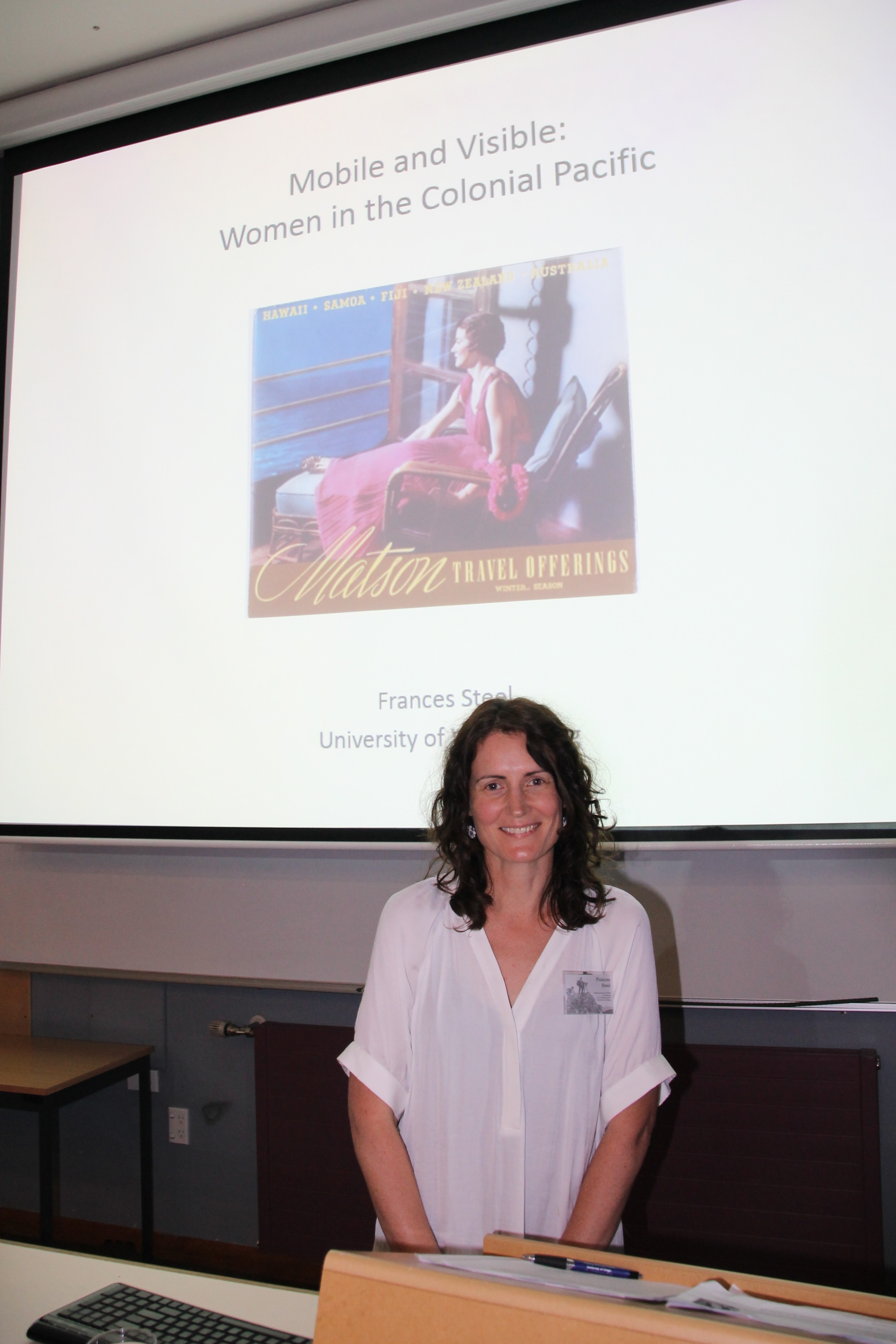
Frances Steel’s keynote explored women’s mobility, modernity and maritime history
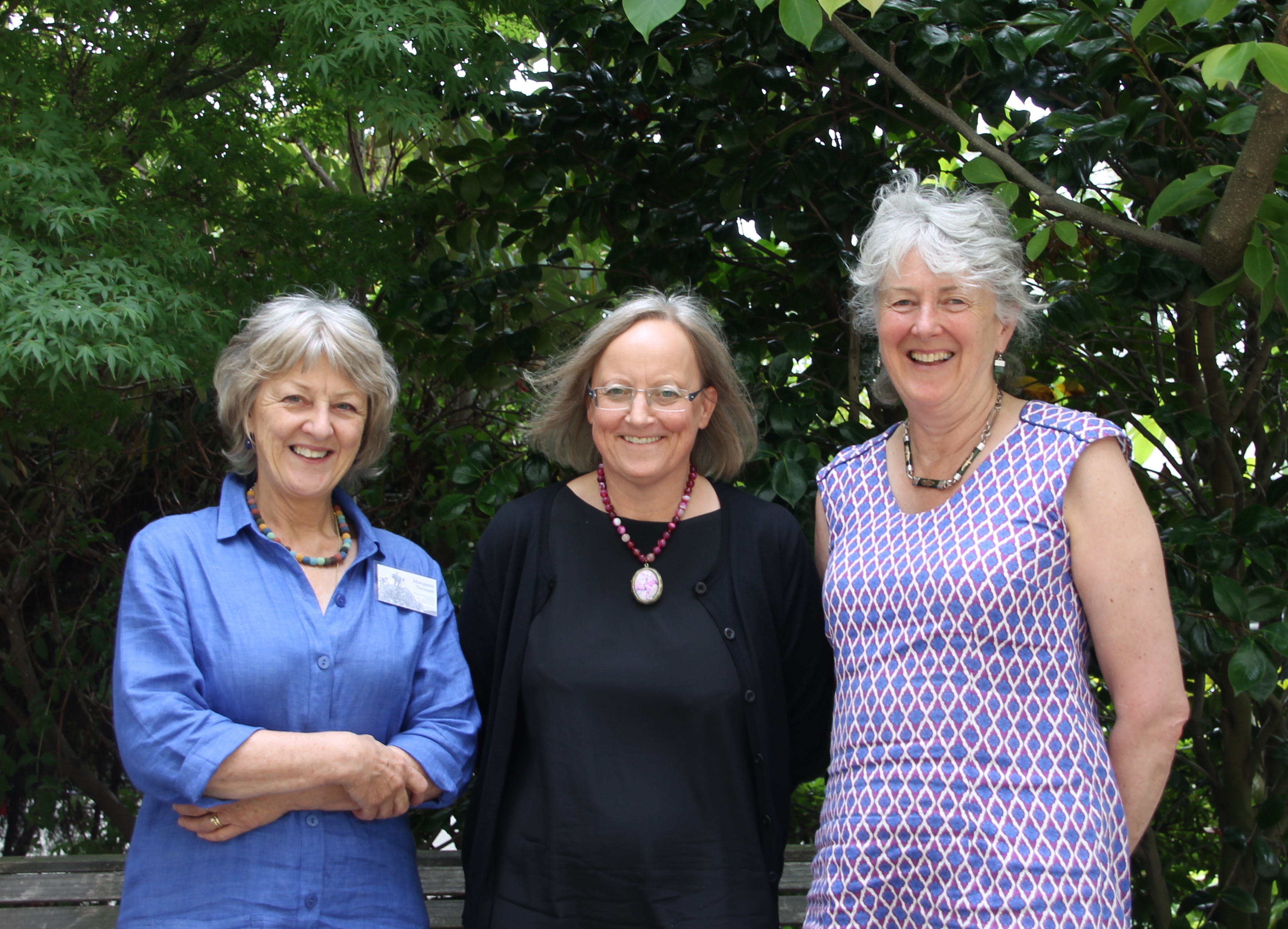
Friends and collaborators: Margaret Tennant, Charlotte Macdonald and Barbara Brookes
Ringing in the New Year
It’s that time of year – time for the annual blog post on Centre activities, forthcoming publications, and other exciting news from our members.
Helen May’s year started with the award of a new years honour for services to education, becoming an Officer of the New Zealand Order of Merit.
Hugh Morrison has a new book appearing with Otago University Press in February called Pushing Boundaries: New Zealand Protestants and overseas missions, 1827–1939 and it will be launched in early April. He has also accepted an invitation to join the Grace Abbott Book Prize Committee (international Society for the History of Children and Youth), to decide on the “best book in the field published in English over the previous year”.
In February the Centre is hosting the Making Women Visible Conference, which honours Barbara Brookes, and features the launch of her new book, A History of New Zealand Women, on the conference programme.
In December Tony Ballantyne was awarded the W. H. Oliver Prize by the New Zealand Historical Association for his book Entanglements of Empire, published by Auckland University Press. In November Tony gave a keynote at the Race, Mobility and Imperial Networks Conference in Melbourne. He has contributed a chapter to How Empire Shaped Us (Bloomsbury) and his co-edited book with Antoinette Burton, World Histories from Below (Bloomsbury), will appear in September.
Tom Brooking is on Research and Study Leave, and will spend some time at the Rachel Carson Centre for Environment and Society in Munich, and as a visiting scholar at Sidney Sussex College, Cambridge University.
Angela Wanhalla and Lachy Paterson were promoted to Associate Professor.
Angela Wanhalla is co-organising the Making Women Visible Conference, and in October 2015 replaced Tony Ballantyne as co-editor, with Barbara Brookes, of the New Zealand Journal of History.
Annabel Cooper was one of four scholars awarded the inaugural University of Otago Prestigious Writing Grant to complete her book Screen Wars: Remaking the New Zealand Wars in Celluloid and Pixels, which charts changes to screen narratives about colonial conflict from the silent film era to the age of the phone app.
In 2015 Megan Pōtiki contributed an essay to a special issue of the New Zealand of History dedicated to Māori history, as did Michael Stevens.
The April 2016 volume of the New Zealand Journal of History is a special issue dedicated to ‘New Zealand Sexual Histories’. It is co-edited by Chris Brickell and Angela Wanhalla, and is an outcome of the workshop, supported by the Centre, they co-convened in July 2015.
Judy Bennett contributed a chapter to New Zealand’s Empire (Manchester University Press), co-edited by Katie Pickles and Cathy Coleborne. In 2015 the Chief of Army (Australia) invited Judy to address the Chief of Army History Conference in Canberra, on the theme Geo-Strategy and War: enduring lessons for the Australian Army, held at the Ballroom, National Convention Centre, 30 September-1 October. She spoke on “South Pacific: Using Indigenous resources in the Second World War”. Following the open conference, Judy also contributed to a ‘closed’ one-day teaching-learning session on scenarios for possible military and civil disturbances that may involve the Australian armed forces in the region, including the Pacific. Her visit was fully funded by the Chief of the Army.
Congratulations to all!
PhD Scholarship in New Zealand History
Centre member, Dr. Angela Wanhalla, is looking for a suitable candidate to take up a PhD scholarship attached to her Royal Society of New Zealand Rutherford Discovery Fellowship on ‘The Politics of Intimacy in New Zealand History’. Applications are invited from suitably qualified students, who hold a minimum of a BA (Hons) or equivalent, interested in working on an aspect of the history of marriage in New Zealand. Potential areas of investigation include, but are not limited to: marital violence; adultery, bigamy; arranged marriage; co-habitation; marital property; interfaith relationships.
The scholarship includes a $25,000 per year stipend, plus tuition fees. The tenure of the scholarship is for three years full-time, with a start date of 1 July 2016
For further information please contact Angela Wanhalla (angela.wanhalla@otago.ac.nz)
Colonialism, Archives and Mental Health
In February 2016 Associate Professor Sally Swartz, a clinical psychologist and psychotherapist who publishes regularly on psychoanalytic theory and psychotherapy, and the history of psychiatry in colonial settings, will be visiting the University of Otago with the support of the Centre for Research on Colonial Culture. Her 2015 book, from the University of Cape Town Press, is entitled Homeless Wanderers: Movement and mental illness in the Cape colony in the nineteenth century. In addition to attending the Making Women Visible Conference (15-17 February), Associate Professor Swartz will offer two talks, both open to the public.
On February 18 she will offer the following presentations:
1) A session on ‘The Archive and the Person: History and Psychotherapy’ reflecting how being a practitioner works alongside being an historian.
2) An open lecture entitled ‘Families, Emotion and Attachment: Insights from the past to the Present’ .
Times and places to be arranged.
For further information please contact Professor Barbara Brookes (barbara.brookes@otago.ac.nz)
Ballantyne wins W H Oliver prize
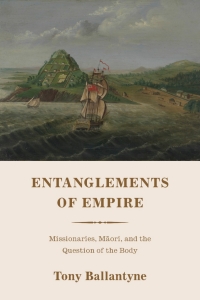 Congratulations to Centre director, Professor Tony Ballantyne, for winning the W.H. Oliver prize. This was the first time the prize has been awarded, for the best recent book on any aspect of New Zealand history. Tony’s book, Entanglements of Empire: Missionaries, Māori, and the Question of the Body, published by Auckland University Press, was the winning entry, announced yesterday at the New Zealand Historical Association conference in Christchurch. The books of two other CROCC members, Tom Brooking’s Richard Seddon: King of God’s Own and Angela Wanhalla’s Matters of the heart: A History of Interracial Marriage in New Zealand were shortlisted, as was that of Melissa Matutina Williams, Panguru and the City: Kāinga Tahi, Kāinga Rua.
.
Three Centre members finalists for best History book award
Professor Tony Ballantyne, Professor Tom Brooking, and Dr Angela Wanhalla, are three of the the four finalists for the inaugural W.H. Oliver Prize for best book on New Zealand history, to be awarded next week at the New Zealand Historical Association conference. The books are Tony Ballantyne, Entanglements of Empire: Missionaries, Maori, and the Question of the Body (AUP); Tom Brooking, Richard Seddon, King of God’s Own: The Life and Times of New Zealand’s Longest Serving Prime Minister (Penguin); and Angela Wanhalla, Matters of the Heart: A History of Interracial Marriage in New Zealand (AUP).
All three finalists are academics within the Department of History and Art History, but also members of the Centre for Research on Colonial Culture. For the full story, read the latest article in the Otago Bulletin Board.
Puke Ariki Trust Scholarship
The Puke Ariki Trust Scholarship, valued at $5000, supports the studies of a postgraduate student whose research relates to Taranaki’s social history. Puke Ariki is Taranaki’s Museum, Library, Archive Centre based in New Plymouth, renowned for its extensive heritage collections. If you are interested in this scholarship, check out the Puke Ariki Trust Scholarship Terms and Conditions.
Stimulating symposium on Indigenous Photographic Histories
Practitioners, curators, archivists, scholars and others flocked to the Indigenous Photographic Histories Symposium held at the National Library in Wellington on 5 November, an immensely successful one-day event co-organized by Paul Diamond (Alexander Turnbull Library), Angela Wanhalla (CROCC/University of Otago) and Jane Lydon (University of Western Australia, Perth).

Click to enlarge. Photo: Mark Beatty, Imaging Services, National Library
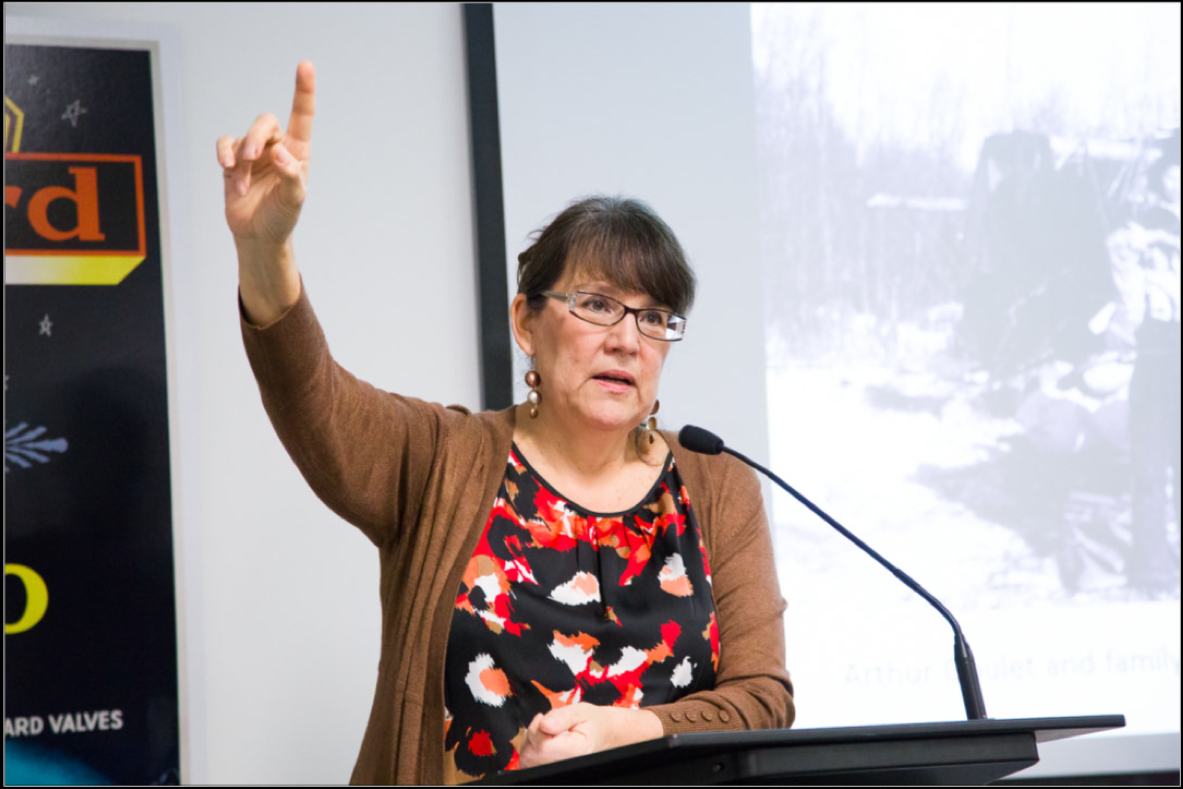
Keynote speaker: Professor Sherry Farrell Racette. Photo: Mark Beatty, Imaging Services, National Library
The symposium kicked off with two keynotes. The first, Professor Sherry Farrell Racette (Manitoba) on “Enclosing some Snapshots”: James P. Brady, Photography and Political Activism, showed how photography was such an integral part of the work of this well-known Métis activist. A self-taught community-based photographer, Brady used it record Metis life at a time when these communities were impoverished and its people lacked rights.
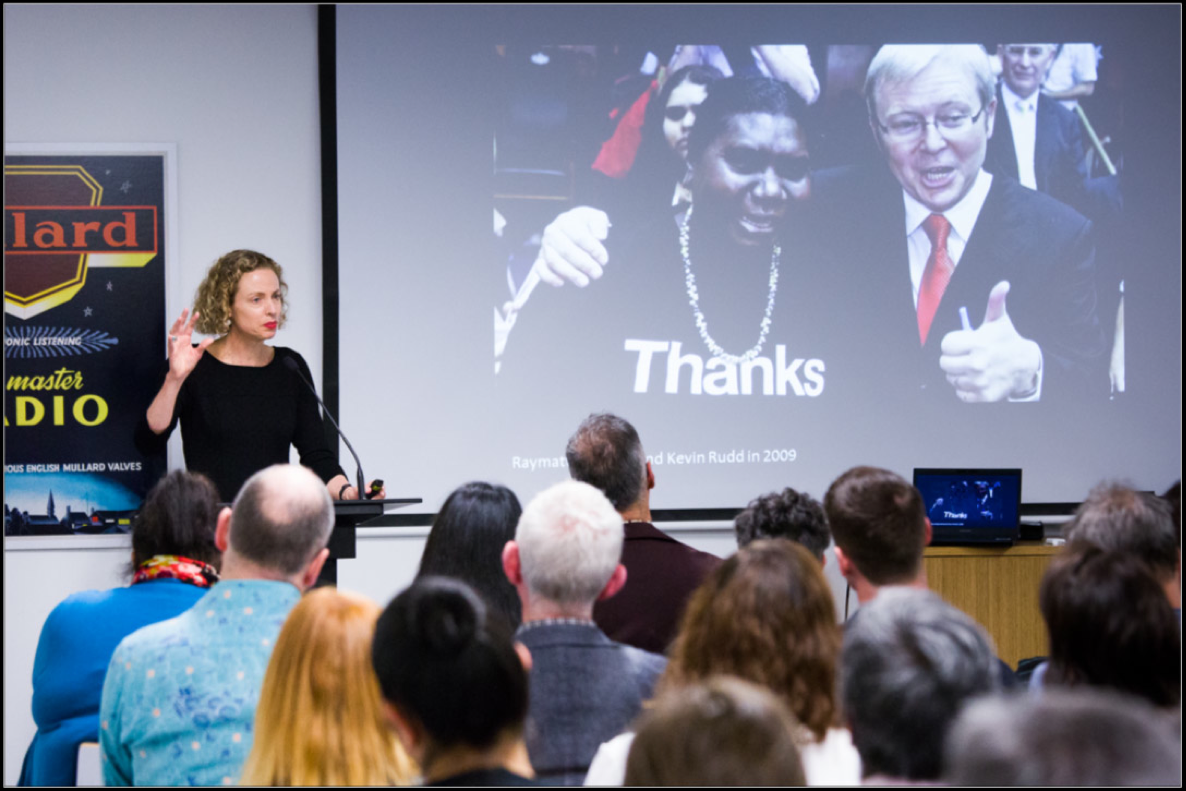
Keynote Speaker: Professor Jane Lydon. Photo: Mark Beatty, Imaging Services, National Library
Professor Jane Lydon then gave Aboriginal Transformations of the Photographic Archive on how Aboriginal communities are now using historic photographs. She traced the emotional and healing properties of photographs, and echoing Sherry Farrell Racette’s keynote, pointed to the link between photography, rights and political activism. Drawing upon her Australian Research Council-funded project that identifies and returns Aboriginal photographs held in European collections, Jane noted that while photographs carry the burden of the colonial past, Aboriginal families see them as ways to connect with family and place. To read more about that ARC project have a look at the website: Returning Photographs: Australian Aboriginal Photographs from European Collections

From left: Edith Amituanai, Nina Tonga, Brook Andrew, Paul McNamara, Yuki Kihara, and Jeanette Wikaira. Photo: Mark Beatty, Imaging Services, National Library
After morning tea, a panel of shorter talks ensued, first from three practitioners/artists: Edith Amituanai (Unitec), on the ethics of taking photographs in terms of her own work. Edith spoke about her community-based photography, recording Samoan people and their everyday lives in New Zealand and beyond. She gave us one of the most evocative sentences of the day when she described a photograph as an ‘incomplete utterance of a sentence’; Brook Andrew of Wiradjuri (Monash) discussed the complexities of representation, and his own obsession with the colonial archives, which he uses in his artwork; and Yuki Kihara gave a tour-de-force presentation on the intellectual work underpinning her recent “A Study of a Samoan Savage”, which was inspired by early “scientific” photographs of Samoans in the archive. These were followed by reflections from three people who deal with collections: Paul McNamara on how photographers had utilized the archives in various exhibitions at the McNamara Gallery in Whanganui; Nina Tonga, Te Papa’s Curator Pacific Cultures, on the photography of George Crummer, a trader in the Cook Islands from 1890; and Jeanette Wikaira, Kaituitui Ratonga Māori on how Kai Tahu families interact with the photographic archives of the Hocken Library.

Helen Brown (left) enjoying a break in proceedings with Lyndon Fraser (Canterbury University), and Lynette Shum, Oral History Advisor at the Turnbull. Photo: Mark Beatty, Imaging Services, National Library
The suite of papers reflected on community, place and family. Natalie Robertson of AUT was unable to be at the symposium, but her Siting Mauri through Living Film and Photography using material relating to Ngāti Porou and the Waiapu River was wonderfully and elegantly presented for her by AUT doctoral candidate and photographer Ngahuia Harrison. Helen Brown of Ngai Tahu Archives presented on Wiremu Teira and his Māori Friends where she discussed the Pākehā writer and photographer William A. Taylor and his relationships with Ngāi Tahu communities.
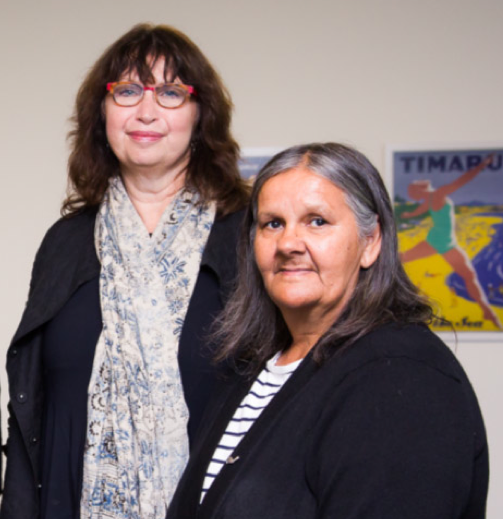
Karen Hughes & Aunty Ellen Trevorrow. Photo: Mark Beatty, Imaging Services, National Library
New Zealanders are probably unaware that Aboriginal families, not allowed to live alongside white Australians were relegated to “fringe camps” on the outskirts of outback towns. Karen Hughes (Swinburne University) and renowned Ngarrindjeri weaver Aunty Ellen Trevorrow (Camp Coorong Race Relations Cultural Education Centre) showed life in Ngarrindgeri camps through the intimate and familial portraits made by Aboriginal women photographers.
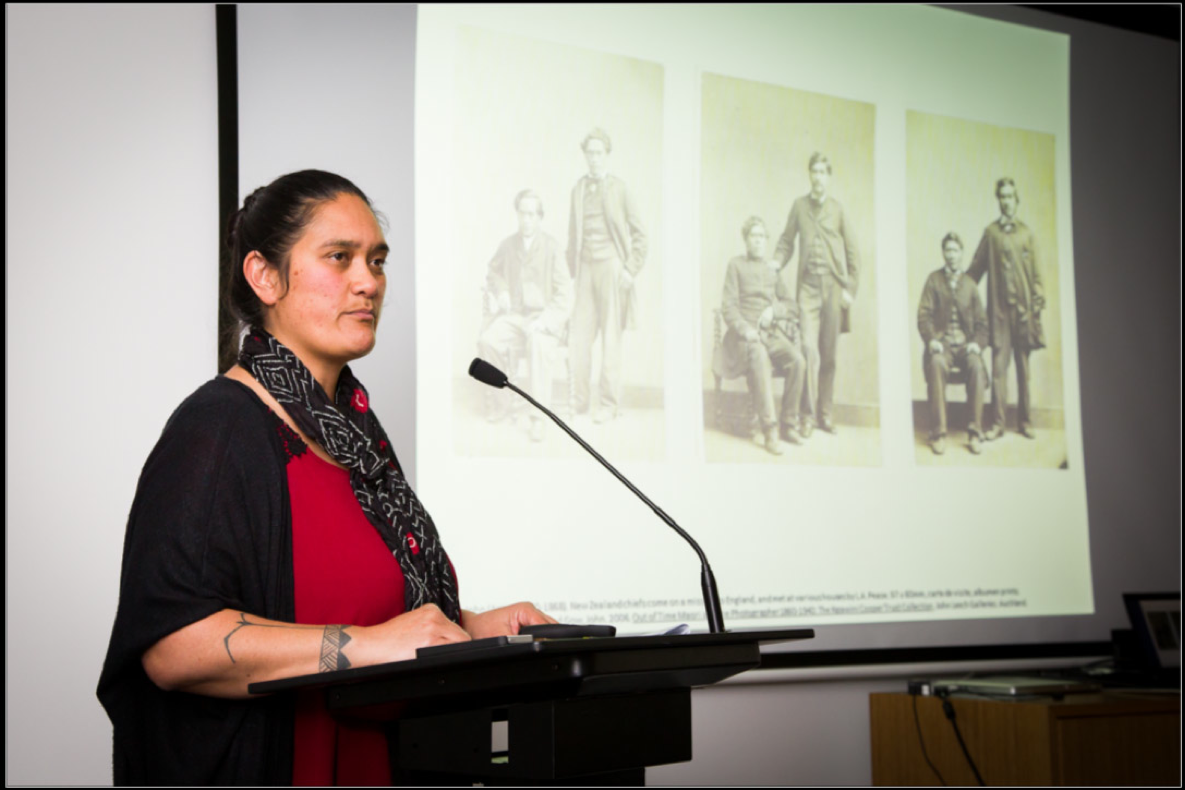
Chanel Clarke. Photo: Mark Beatty, Imaging Services, National Library
Chanel Clarke, Māori Curator, Auckland Museum, rounded off the after-lunch session with Dressing the Part: Queen Victoria’s Māori Subjects, on the intersections of dress, photography and colonialism during a visit of Māori to England in the early 1860s. The symposium was lucky to have three “keynote listeners” who all gave their impressions and reflections on the earlier sessions: Damon Salesa (Auckland), Jo Smith (Victoria), and Tina Makereti (novelist, Curator Māori, Museums Wellington). All three touched upon several important themes that united all the presentations: the affective power of photography, the ethics of photography, the rich and varied methodologies being deployed, and the ongoing power of colonial images in the present day.
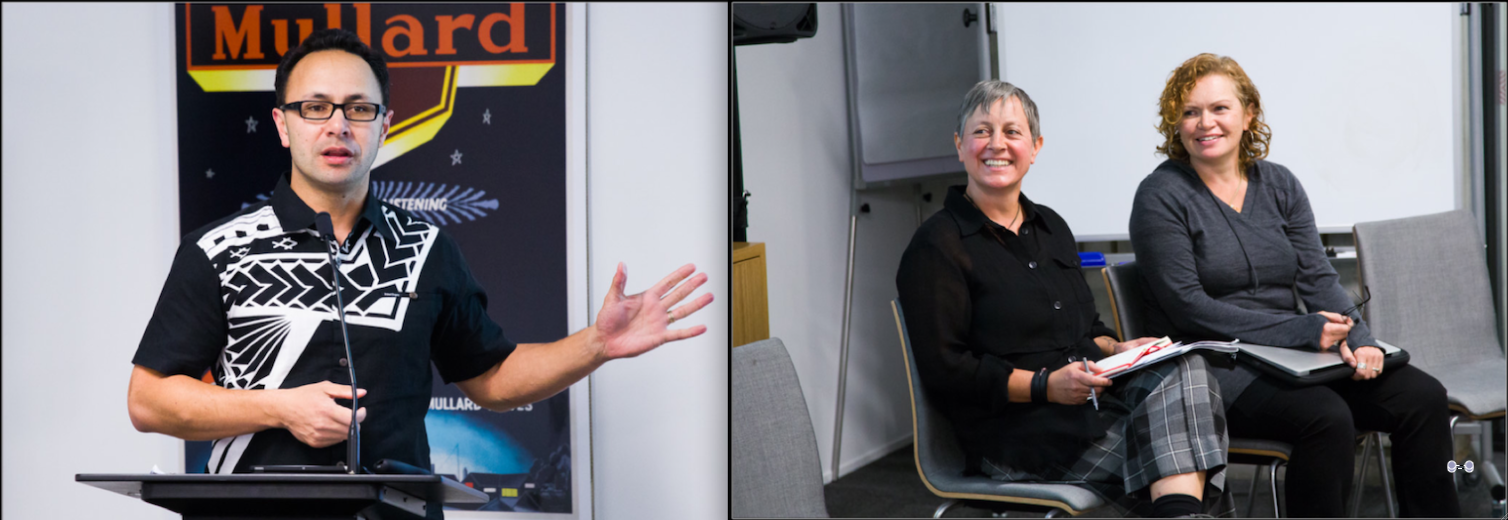
Wonderful “keynote listeners”: Damon Salesa, Jo Smith, and Tina Makereti. Photos: Mark Beatty, Imaging Services, National Library
It was wonderful to be exposed to insights from so many indigenous scholars and practitioners. It was also gratifying to hear how indigenous communities are now using the photographic archives, even those heavily underlain with the violence of colonialism, for their own purposes, as art, for rediscovering histories, and reconnecting communities.
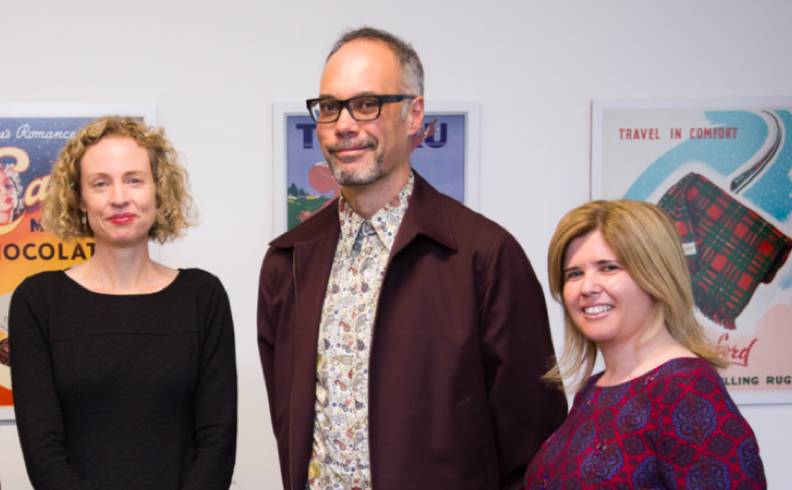
The symposium organisers: Jane Lydon, Paul Diamond, and Angela Wanhalla. Photo: Mark Beatty, Imaging Services, National Library
He haerenga ki Awarua
On Thursday 29th, CROCC member Michael Stevens hosted a number of fellow members, and other guests at his home marae, Te Rau Aroha, at Bluff, to look at Māori/maritime history and how this aligns with Michael’s Marsden-funded project, A World History of Bluff.
As well as visiting a number of the locales that inform Michael’s work, we were also able to give short presentations to local people at the marae on the Thursday evening. These included: Atholl Anderson (Retired, ANU): “Archaeology in the Southern Margins”; David Haines (Waitangi Tribunal): “Tuhawaiki’s Cannon”; Tony Ballantyne (Otago): “An Indian Sailor in the South”; Jonathan West (OTS): “A triangulated moment in the Tasman Triangle: Port Pegasus, 1826”; Angela Wanhalla (Otago): “‘Granny Harrold’: The Transnational Life of an Indigenous Woman”; Lachy Paterson (Otago): “Southern Kāi Tahu and Māori-language newspapers”; and Jane McCabe (Otago): “Kalimpong Kids in Southland”. Regular draws also saw a number of books given to attendees.
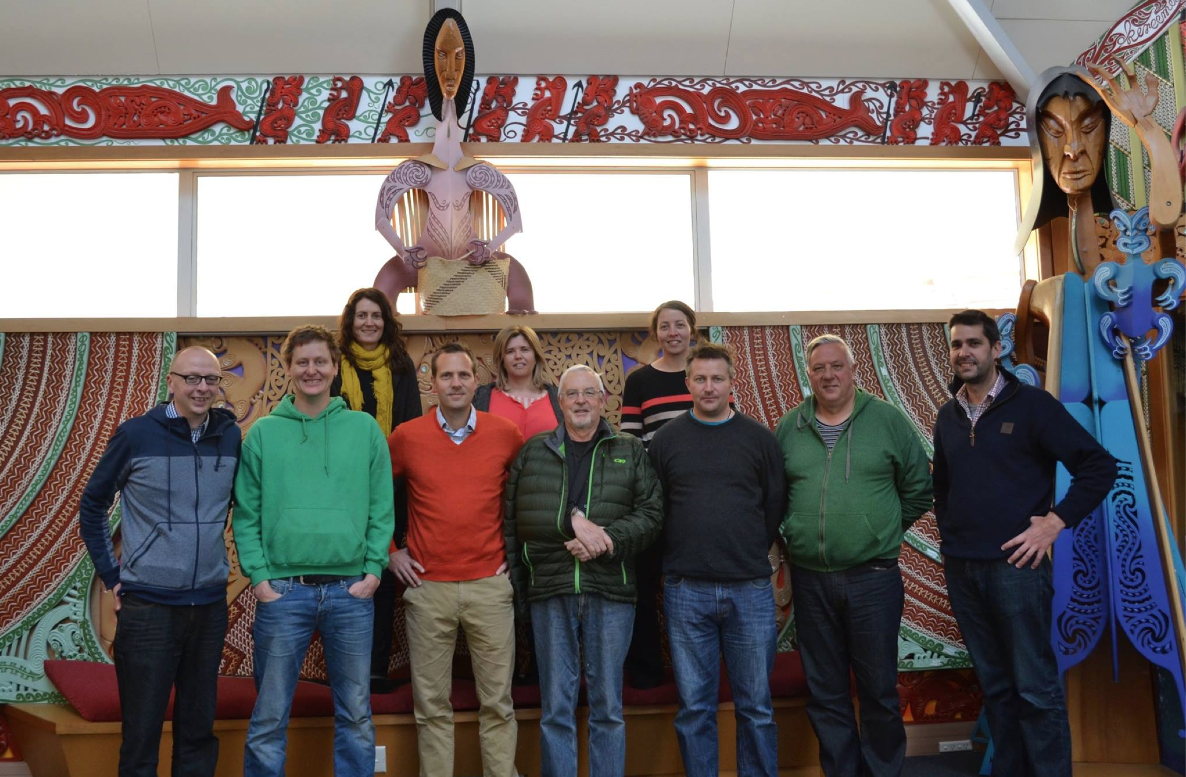
From left: Tony Ballantyne, David Haines, Frances Steel, Ryan Jones, Angela Wanhalla, Atholl Anderson, Jane McCabe, Jonathan West, Lachy Paterson, Michael Stevens.
There were several highlights. Serendipitously Sir Tīpene O’Regan, the upoko of the local Awarua Rūnaka was in town, and kept us entertained with stories on the Friday night. And on Saturday we were lucky to visit Stewart Island and visit several historical spots, including the “Travellers Rest”, a boarding house run by a Agnes Harrold, a nineteenth-century Metis woman from Manitoba. A big thank you to Michael and his whānau for their hospitality, and the ringa wera at the marae who kept us so well well fed while we were there.
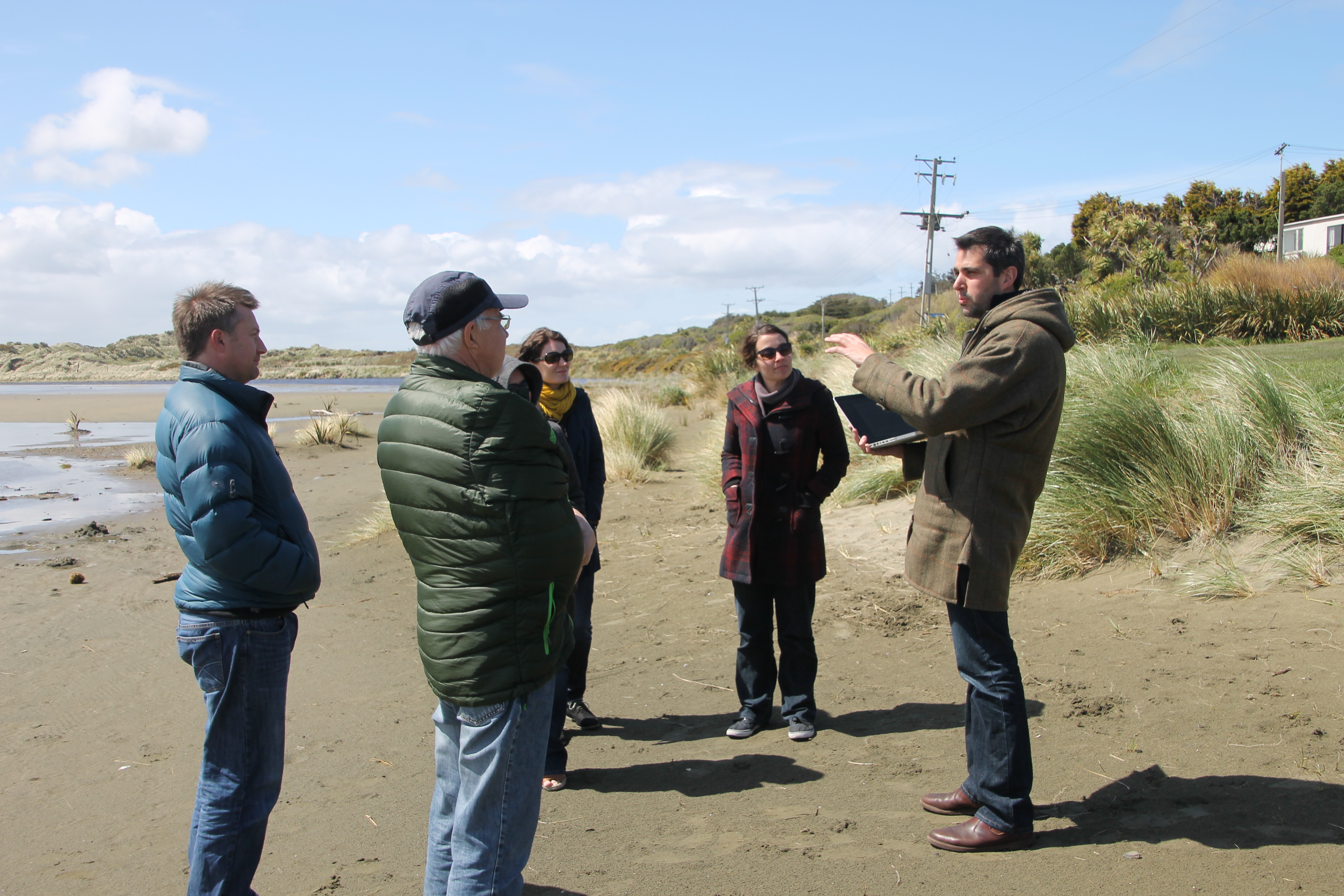
Trying to keep warm at Omaui Beach. Not only a site of shipwreck, but of the long and continuing presence of a number of Kāi Tahu whānau.
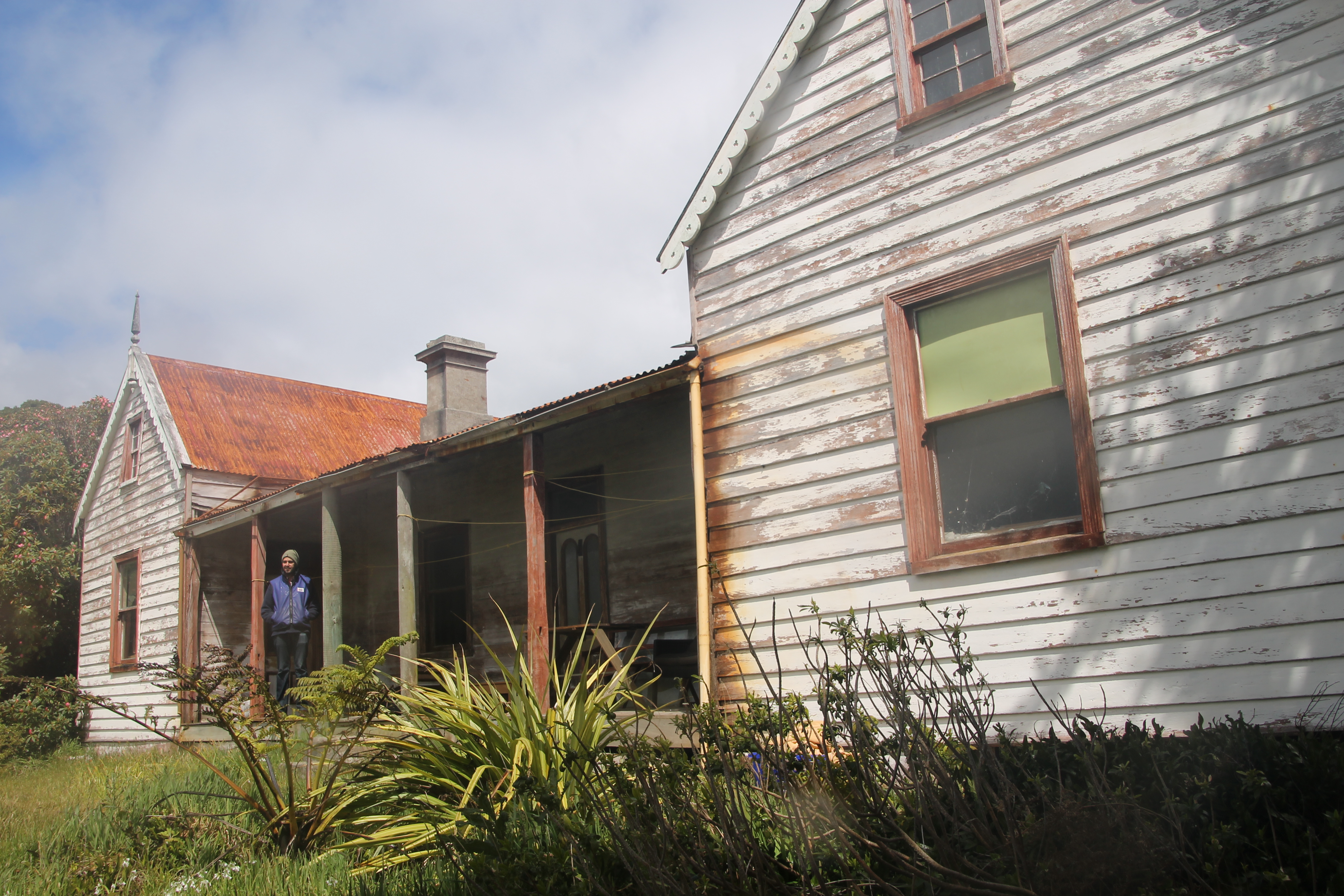
Michael at the Travellers rest, Stewart Island. Click to enlarge.
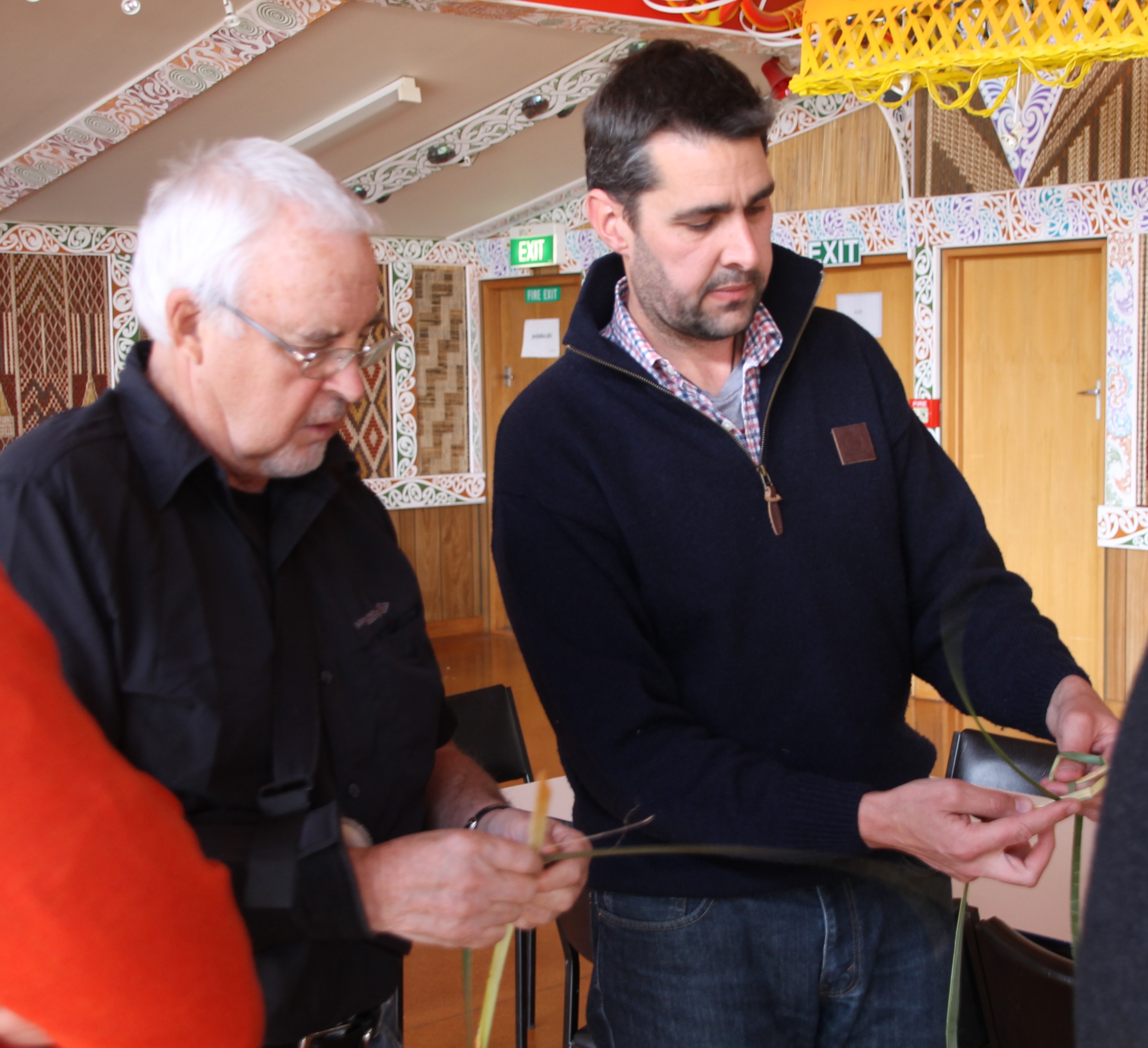
Michael showing Atholl a knot used by Kāi Tahu specifically to tie green harakeke.
