
Worth its weight: Building Insulation in New Zealand

Monday, May 23rd, 2016 | Kate Sloane | 1 Comment

Dr Kimberley O’Sullivan
Insulation blog

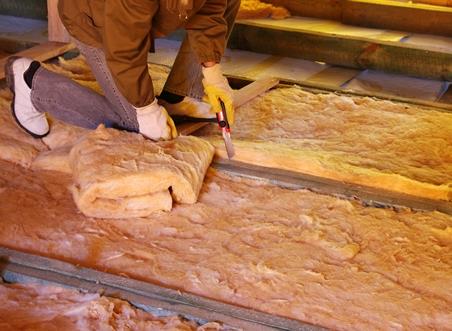
Source: http://www.sustainability.vic.gov.au/services-and-advice/households/energy-efficiency/toolbox/how-to/check-your-ceiling-insulation

Building insulation provides comfort and health benefits to occupants, saves energy, enhances energy security, and can reduce greenhouse gas emissions. This blog looks at these issues and wonders why the NZ Government is not doing more to enhance building performance and insulation standards when it is such a good investment.


Continue reading

Progress on Reducing Retail Availability of Sugary Drinks in NZ

Monday, May 16th, 2016 | Kate Sloane | No Comments

Prof Nick Wilson, Dr Cristina Cleghorn, Dr Andrea Teng, Dr Rob Beaglehole, Prof Tony Blakely

water_vending_machine_bottle_washing_mode_with_ce_isoNew Zealand has made some progress in removing the sale of sugary drinks from hospitals and schools. In this blog we look at such successes to date and consider what could be done to further reduce availability of these products which are both harming oral health and fuelling the obesity epidemic.

Continue reading

Protecting children and young people from unethical junk food marketing: Upgrading the advertising codes

Thursday, April 28th, 2016 | Kate Sloane | No Comments

Dr Stefanie Vandevijvere, Alanna Soupen, University of Auckland

Figure 1: McDonald’s supporting junior football in New Zealand - http://stoppress.co.nz/news/world-cup-fever-hits-mcdonalds-release-new-menu-items

Figure 1: McDonald’s supporting junior football in New Zealand – http://stoppress.co.nz/news/world-cup-fever-hits-mcdonalds-release-new-menu-items

This blog looks at five important ways that the Children’s Code for Advertising Food could be substantially improved to protect children and young people from obesity and poor oral health. Although public health experts would generally favour a regulatory approach (given the lack of evidence for an industry-controlled process and voluntary codes (1)), the current review of the voluntary Advertising Codes in NZ does present another opportunity for the food industry to show they do want to be part of the solution to reduce New Zealand’s unacceptably high rates of obesity in children and young people (2).

Continue reading

Low-cost heart-healthy bread for NZ

Tuesday, April 26th, 2016 | Kate Sloane | 11 Comments

Prof Nick Wilson, Dr Nhung Nghiem, Dr Cristina Cleghorn, Dr Nisha Nair, Prof Tony Blakely

Figure 1: The loaf of the left is the optimised HHB$1.5 loaf. The loaf in the middle is the optimised HHB$3 loaf which is high in ground linseed. The loaf on the right is one that is high in walnut (but which was subsequently excluded from further study due to its relatively high cost at NZ$5). All loaves made in a home bread-making machine (Photography: Pascale Otis).

Figure 1: The loaf of the left is the optimised HHB$1.5 loaf. The loaf in the middle is the optimised HHB$3 loaf which is high in ground linseed. The loaf on the right is one that is high in walnut (but which was subsequently excluded from further study due to its relatively high cost at NZ$5). All loaves made in a home bread-making machine (Photography: Pascale Otis).

This blog reports on a study we just published on optimising the design of bread for heart health. Using linear programming we found it possible to design breads that are nutritionally superior to commercially available breads in 15 countries from a heart health perspective, as well as being lower cost. Such bread designs could be promoted by health agencies and utilised in conjunction with a government-funded bread voucher system for those at high risk of cardiovascular disease.
Continue reading

(Un)licensed to kill: do we need to regulate how tobacco is sold?

Thursday, April 21st, 2016 | Kate Sloane | No Comments

Lindsay Robertson, Janet Hoek, Richard Edwards and Louise Marsh*

Tobacco retail blog - Northern Advocate

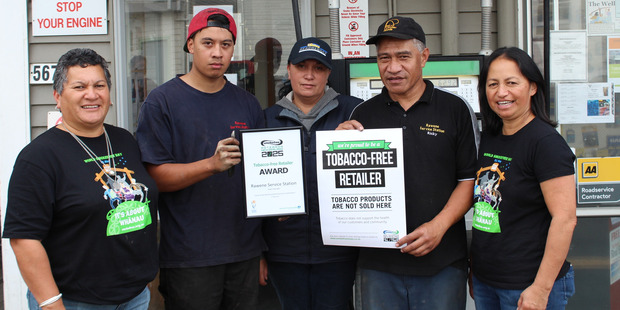
Example of a tobacco free retailer in Northland (Source: Northern Advocate)

Two recent articles by Aspire2025 researchers have explored how tobacco sales in New Zealand could be more effectively regulated. The first examines licensing models that have been implemented overseas, while the second explores how provisions from the Psychoactive Substances Act 2013 could inform tobacco supply policies (both published in the NZ Medical Journal, 1 April 2016). This blog overviews the findings in both articles and explains how stronger tobacco supply policies would contribute to the Government’s smokefree 2025 goal.

Continue reading