Otago Biochemistry graduations December 2025
Congratulations to all Department of Biochemistry students who graduated in December. Tino pai rawa atu!
PhD
Anita Lu
Characterising the regulation of RNF125 and its role in RIG-I anti-viral signalling Cells have various defences against pathogens. Retinoic acid-Inducible Gene I (RIG-I) is a protein that drives immune signalling against viruses. After viral elimination, the Really Interesting New Gene Finger Protein 125 (RNF125) protein tags RIG-I for degradation, stopping the immune response. Although this mechanism is tightly controlled to prevent disease, how RNF125 is controlled is relatively unknown. This project investigated how RNF125 and RIG-I are regulated. In addition to terminating signalling, RNF125 was found to regulate RIG-I protein levels in the absence of infection. RIG-I signalling upregulated RNF125 expression, suggesting control via negative feedback. Furthermore, this study investigated the functions of RNF125 protein domains and their link to disease. Together, these findings highlight the importance of RNF125 in regulating immunity.
Sophie Mathiesen
A novel systemic gene therapy approach to treat autophagy dysfunction in an
Alzheimer’s disease mouse model
Alzheimer’s disease (AD) is a neurodegenerative condition responsible for 60-70% of global dementia cases, that presents initially as memory loss before progressing to debilitating cognitive decline across many domains. AD creates an immense economic and societal burden, and despite many decades of research into preventative and curative treatments, current therapies are unable to provide little beyond minimal symptom relief at mid- to late-stage disease. AD pathology is characterised by the extracellular accumulation of amyloid-beta plaques, and intracellular accumulation of hyperphosphorylated tau protein tangles. The principal aim of this thesis was to utilise an adeno-associated viral vector in a preclinical gene therapy treatment, which was intended to modulate autophagy in a mouse model of AD.
The data from this project provide some important lessons for preclinical gene therapy applications which may also translate to the clinic. Overcoming the hurdle of achieving strong, but also widespread therapeutic effect by a minimally invasive treatment method will revolutionise the field of gene therapy for AD. However, careful selection of transgenes, mitigation of off-target effects with cell-specific promoters, and immunosuppression will be crucial for the continued use of systemically administered viral vectors, particularly in humans where the risk of previous exposure to adeno-associated viral vectors is high.
Kit Moloney-Geany
Characterising urine biomarkers for the detection of bladder cancer
Bladder cancer, specifically urothelial carcinoma originating from the bladder lining, encompasses two distinct pathologies: non-muscle invasive bladder cancer (NMIBC), and muscle invasive bladder cancer (MIBC). Approximately 75% of patients present with NMIBC. Due to bladder cancers proximity to urine, research has focused on developing non-invasive tests that assay nucleic acids, proteins or cells found in urine to diagnose bladder cancer. Currently, MIBC detection routinely reaches >95% sensitivity. However, NMIBC, especially low-grade NMIBC, struggles to achieve >70% sensitivity limiting the clinical utility of these non-invasive tests.
This research aimed to characterise well-known urinary biomarkers to better understand the reduced sensitivity observed in NMIBC detection. To achieve this, we utilised in situ hybridisation and immunocytochemistry on cells isolated from bladder cancer patient urine and FFPE tumour tissue to explore the frequency and locality of these biomarkers. Furthermore, we adapted in situ hybridisation for potential development into a stand-alone diagnostic test.
We next investigated how various cell types in urine influence bladder cancer biomarker signals. To achieve this, we used single-cell RNA-sequencing (scRNAseq). This required in-house development of a protocol to isolate, cryopreserve, and store patient urine cells from a distant site without compromising RNA or cell viability. Having successfully sequenced three patient samples, we identified lymphocytes, monocytes, macrophages, urothelial, renal, squamous, and progenitor cells in all samples assayed. In addition, by profiling urothelial cell clusters against known biomarkers of NIMBC and MIBC, we identified putative cancer cells. Using differentially expressed genes originating from these cells, we generated two pipelines to identify both over-expressed and highly specific genes that enabled the discrimination between cancer cells and all other cell types present in the dataset. Finally, a shortlist of identified biomarkers was benchmarked against gene expression data from 406 MIBC samples, identifying multiple candidate biomarkers for future validation.
Meghan Mulligan
The molecular and genetic mechanisms of neurodevelopmental disorders
Many families affected by rare neurodevelopmental disorders face years of unanswered questions while searching for a genetic diagnosis. This research aimed to uncover the genetic and molecular causes of these conditions, providing answers for affected families and increasing our understanding of the genes and biological pathways involved in brain development.
Through this work, three New Zealand families received a genetic diagnosis for their child’s disorder. Two families were found to have changes in well-known disease genes, while a third had a change in a gene not previously linked to neurodevelopmental disorders. This study also identified ELAVL2 as a novel disease gene, providing new insight into the molecular basis of these conditions.
Kieran Redpath
Rational design of drug combinations for the chemoprevention of hereditary diffuse
gastric cancer
Hereditary diffuse gastric cancer (HDGC) is an inherited condition that can lead to aggressive stomach and breast cancer. Right now, the only way to prevent cancer in people who carry a faulty copy of the HDGC gene (CDH1) is to remove their stomach entirely, a life-changing surgery. This research aimed to find an alternative.
Combinations of existing cancer drugs were tested to see which could work together to destroy early stage cancer before it becomes dangerous. Using genetic data and lab models, it was revealed that combining dasatinib with any one of three other tested drugs disrupts processes that stomach cancer needs to survive. This breakthrough offers HDGC whānau hope that their children won’t have to undergo this severe surgery.
MSc
Amy Bennie (Biochemistry)
Emma Brook (Biochemistry)
Adrian Smith-Beech (Biochemistry)
Annabel Walsh (Biochemistry)
Finn Dobbie (Genetics)
PGDipSci
Ana Vakasiuola
BSc Hons
Jessica Aucott (Genetics)
Jessica Darnley Genetics)
Jordan Doran (Biochemistry)
Bryn Griffiths (Biochemistry)
Yiwen Mao (Biochemistry)
Josephine Morrison (Genetics)
Summer Paulin (Biochemistry)
Janyia Price (Biochemistry)
Finnan Ralph (Biochemistry)
Claire Simighean (Genetics)
Ralph Stewart (Genetics)
Ruby Werry (Genetics)
BBiomedSc Hons
Cinthana Brabhaharan (Molecular Basis of Health and Disease)
Chloe Chapman (Molecular Basis of Health and Disease)
Chloe Cheung (Molecular Basis of Health and Disease)
Tharusha Wewalage (Molecular Basis of Health and Disease)
Selina Williams (Reproduction, Genetics and Development)
BSc
Cyrus Ali (Biochemistry, Chemistry)
Conganeega Anthony (Biochemistry)
Charlotte Barnes (Biochemistry)
Thomas Coughtrey (Genetics)
Abby Fernandes (Biochemistry, Computer Science)
Tahlia Gerrand (Biochemistry)
Caitlin Harley (Biochemistry, Food Science)
Bethany Johnstone (Biochemistry)
Owen Gifford (Biochemistry)
Neave McHugh-Smith (Genetics, Economics)
Xiaoling Liu (Plant Biotechnology)
Erinna Mitchell (Biochemistry)
Alexander Oh (Biochemistry)
Bernard Pieters (Biochemistry)
Mitchell Ousey (Plant Biotechnology)
Thomas Smith (Biochemistry)
Emma Taylor (Genetics)
Max Spiers (Biochemistry)
Max Woodhouse (Biochemistry)
BBiomedSc
Amanda Chambers (Molecular Basis of Health and Disease)
Eunice De Fátima Hanjan Soares (Molecular Basis of Health and Disease)
Beatrix Hardie-Lyne (Molecular Basis of Health and Disease)
Georgia Howat (Molecular Basis of Health and Disease)
Amelia Jack (Reproduction, Genetics and Development)
Heeseo Kim (Molecular Basis of Health and Disease)
Olivia Mann (Molecular Basis of Health and Disease)
Maggie Nelson (Molecular Basis of Health and Disease)
Alanna Osment (Molecular Basis of Health and Disease)
Liam Young (Molecular Basis of Health and Disease)
BComSc
Samuel Anderson (Biochemistry, Accounting)
Grace Buxton (Biochemistry, Marketing)
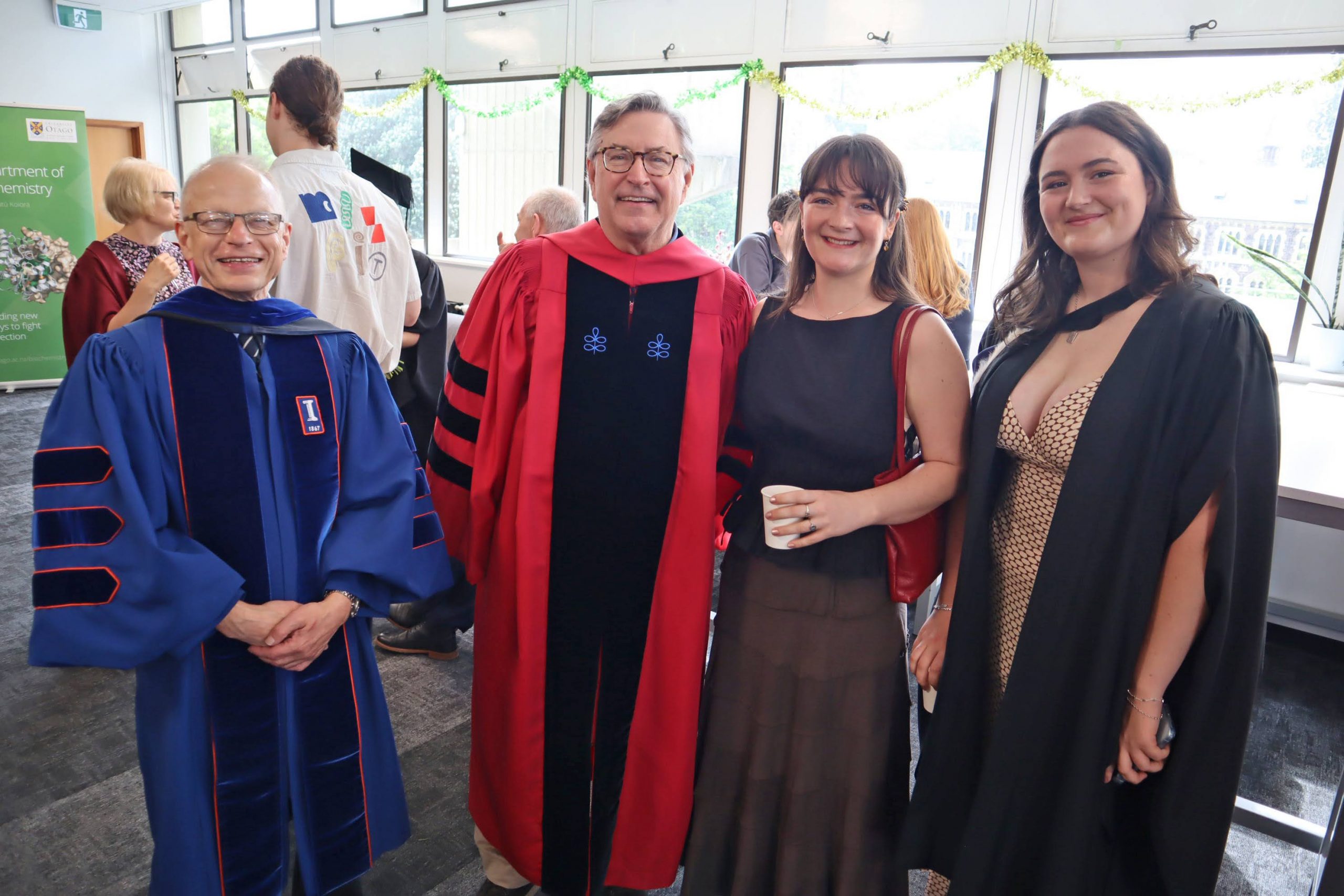
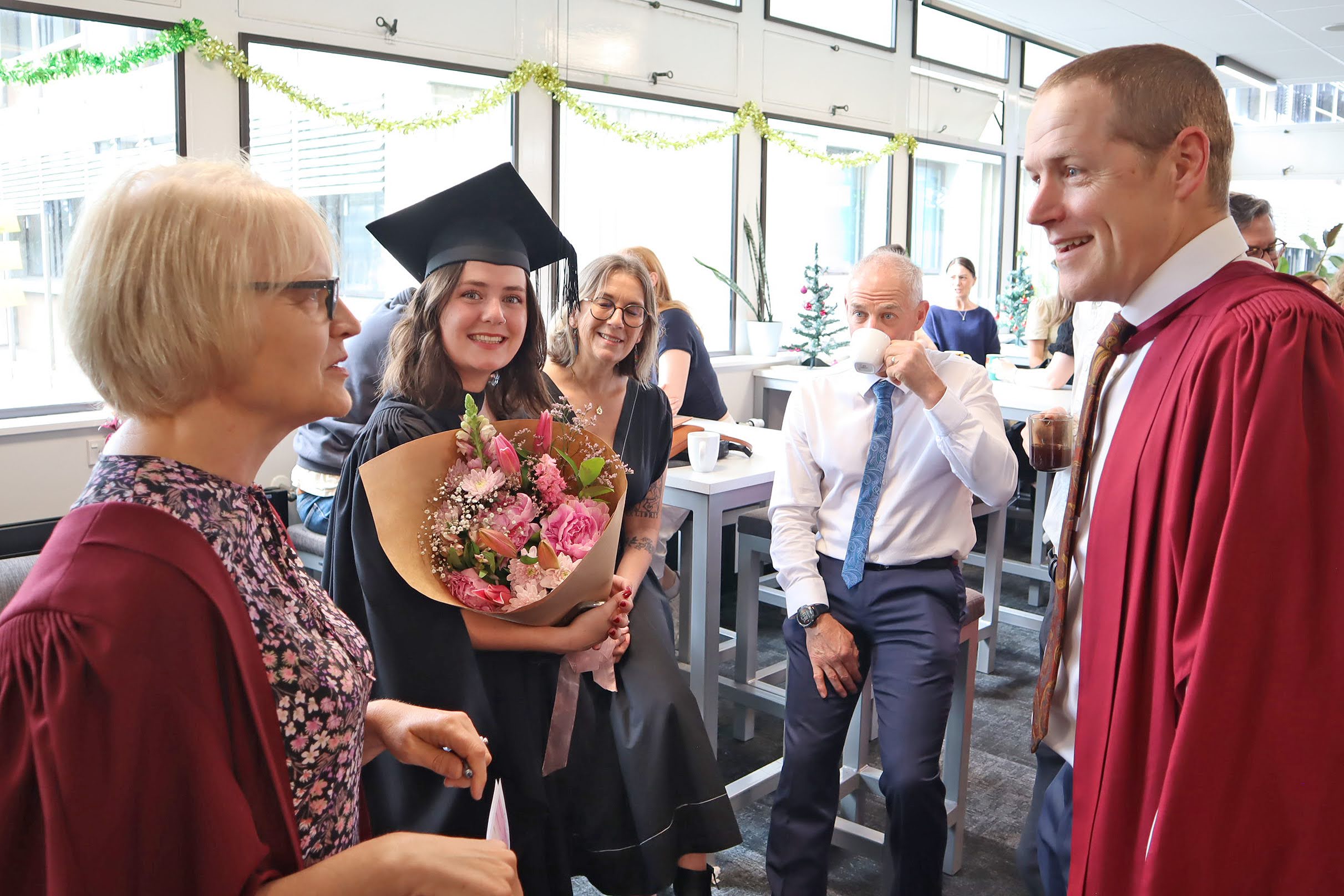
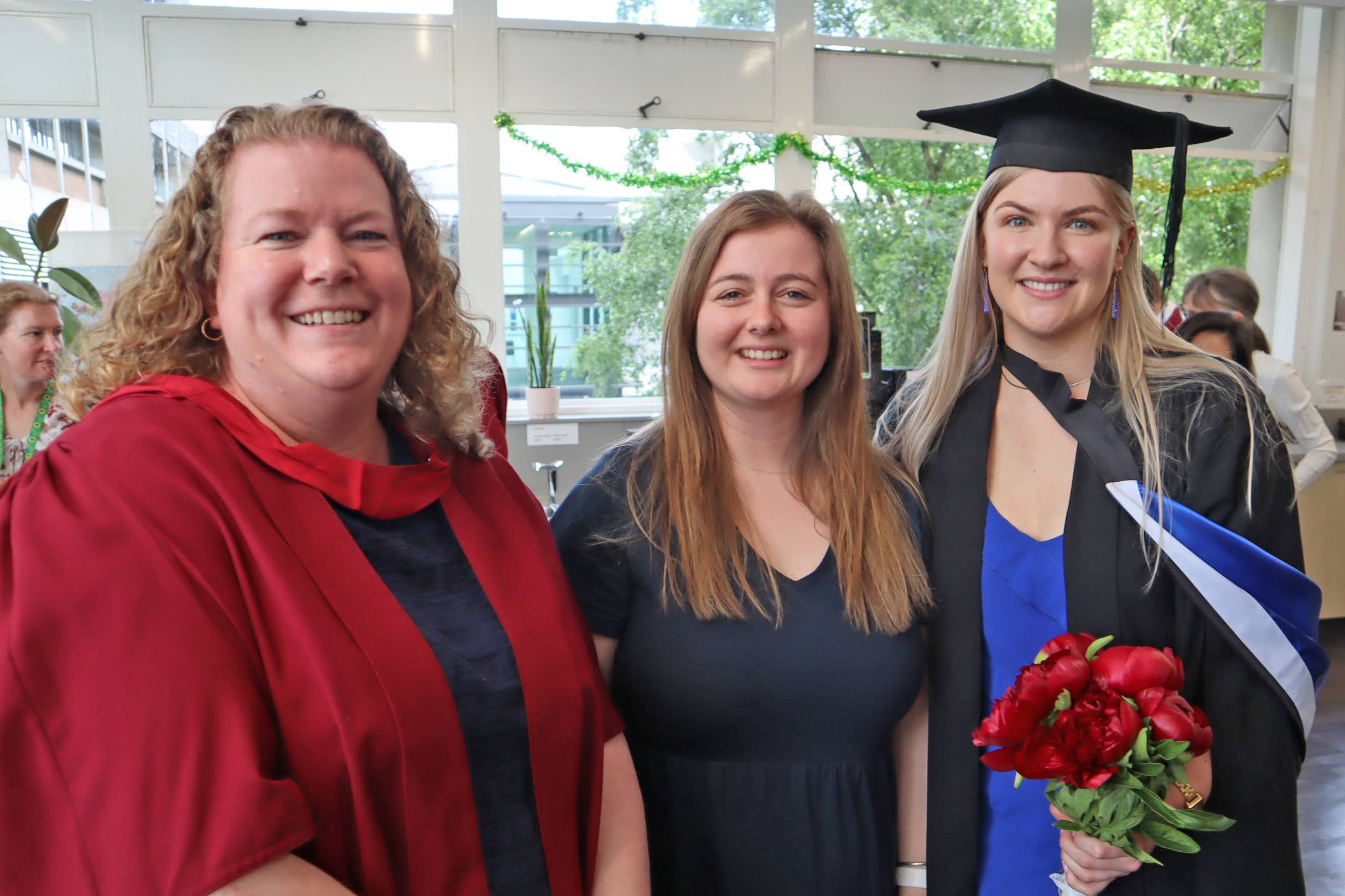
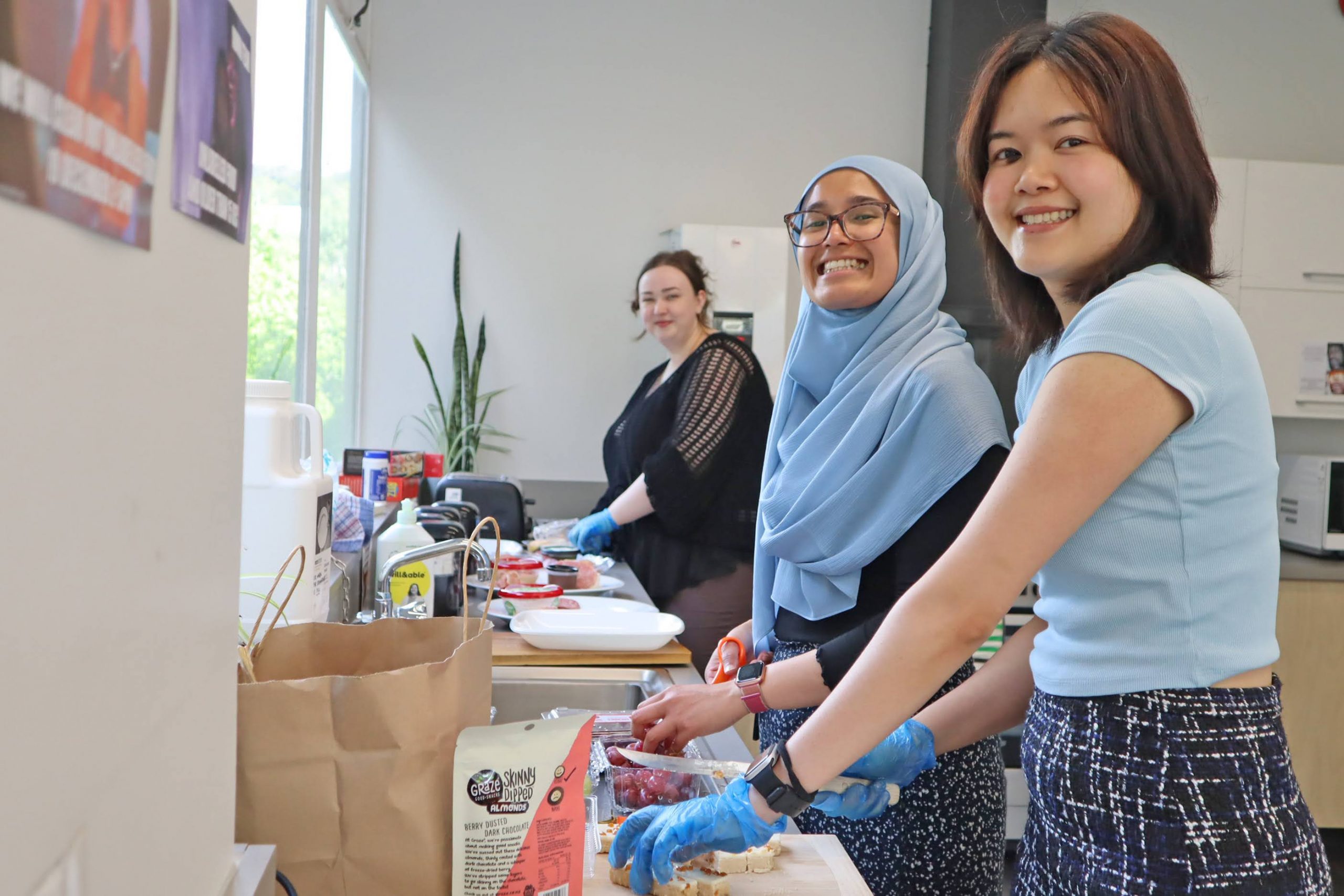
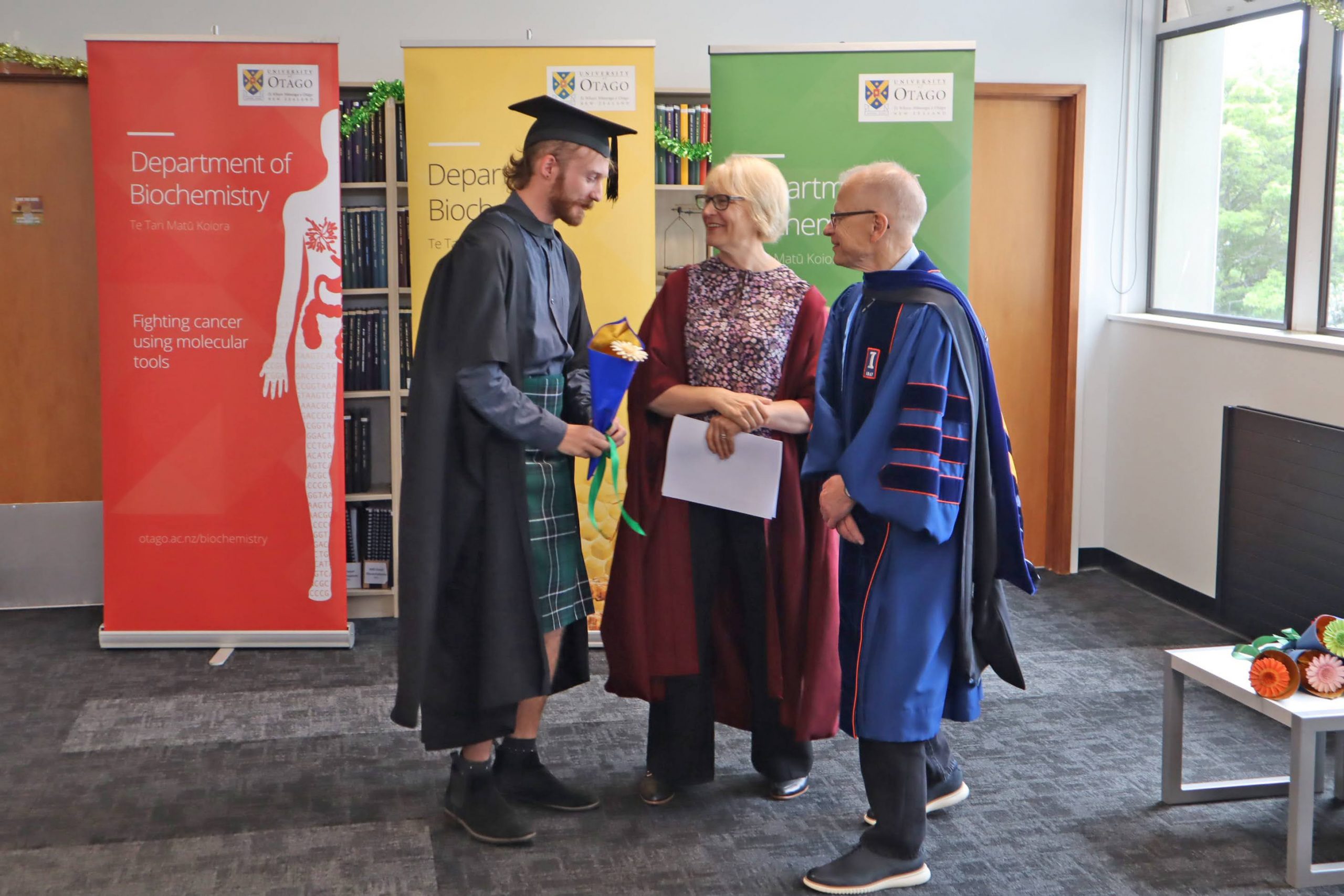
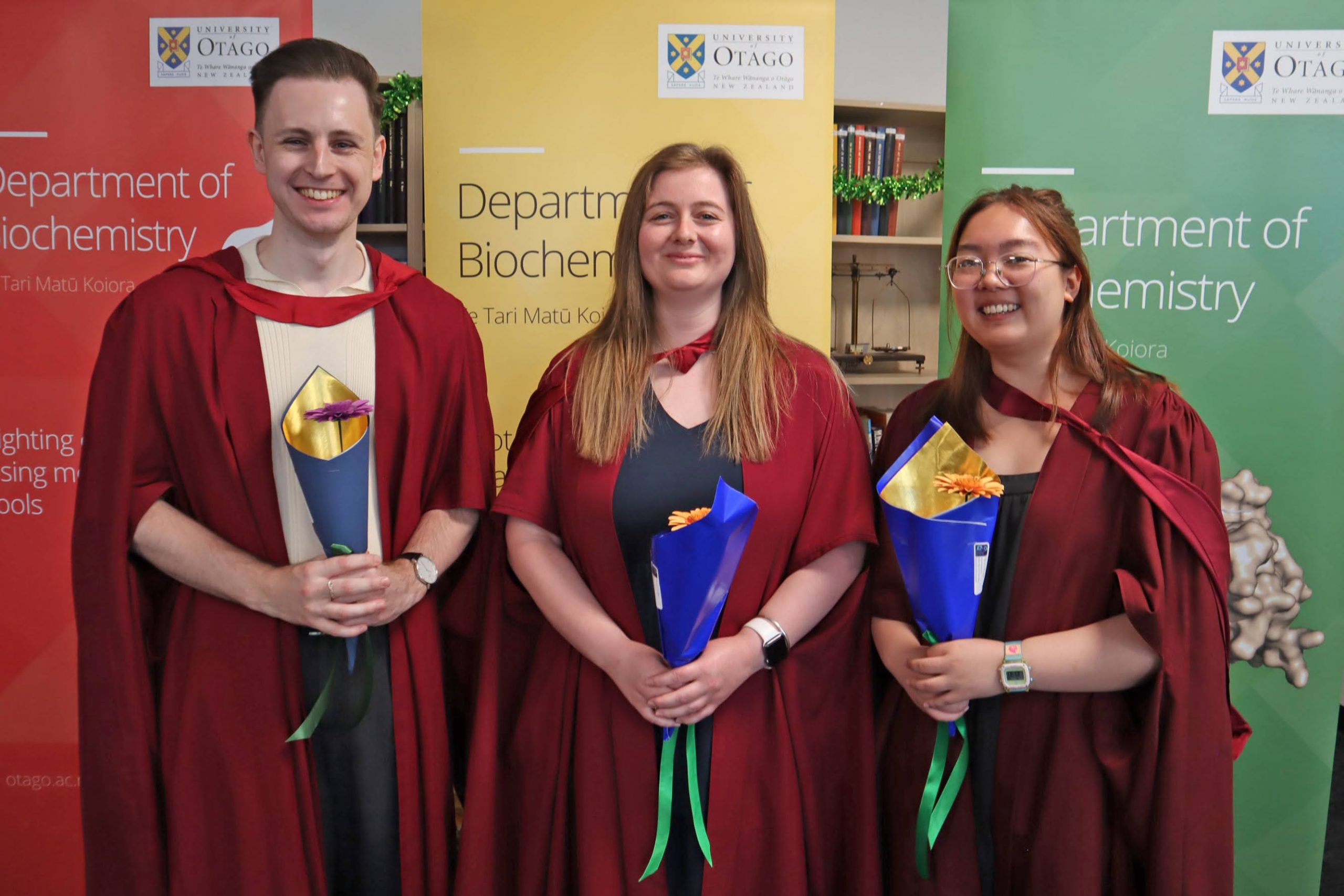
Photos from the Biochemistry graduation function held last week: