Sea star and plant light response projects shine bright in Marsden awards
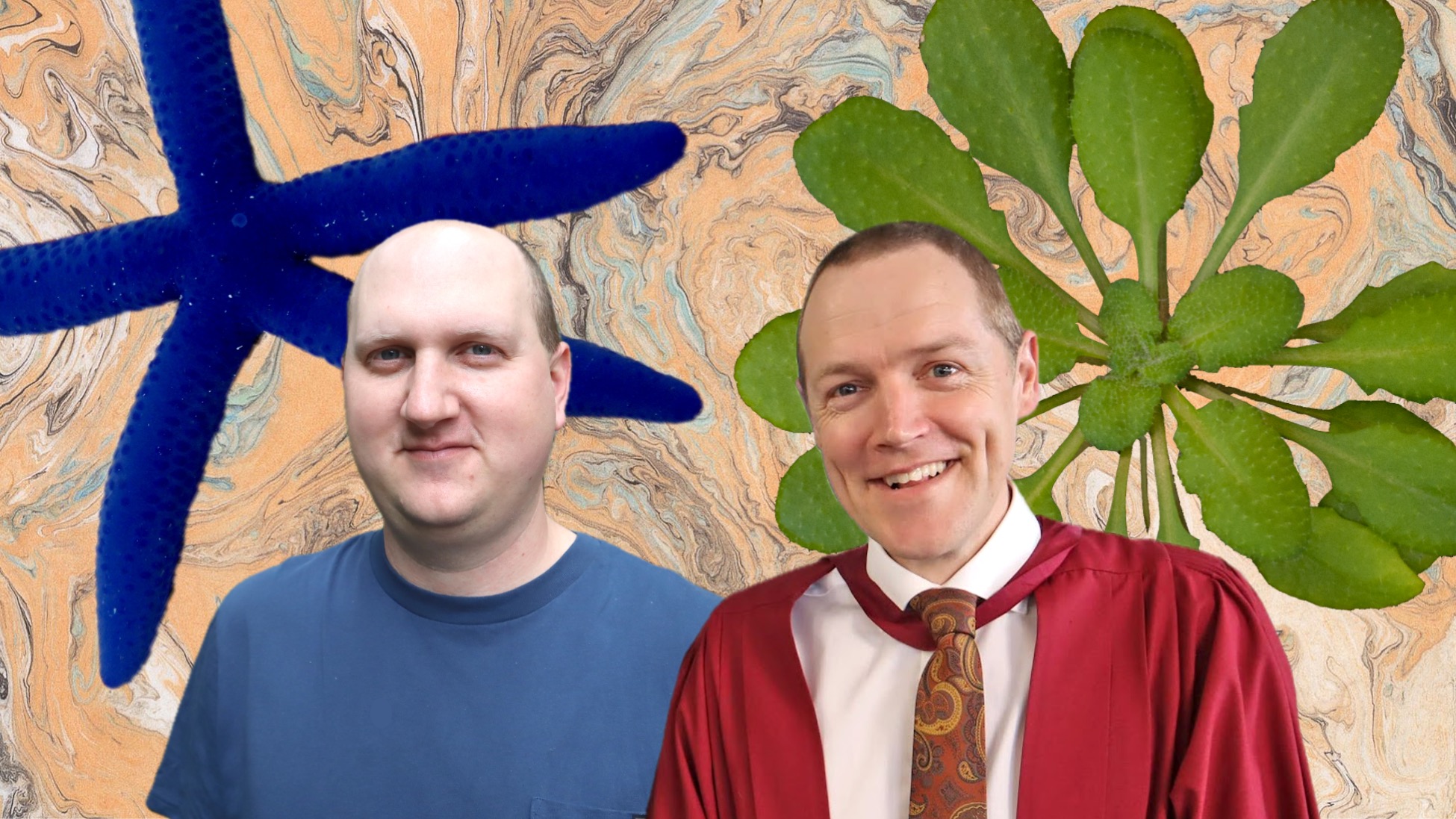
Research from Otago’s Biochemistry Department continues to pave the way for biotech breakthroughs, with two scientists winning prestigious Marsden fund awards this year.
At first glance, the two research projects seem worlds apart: one exploring how plants use light to control flowering time and shade tolerance, the other looking at how some sea stars (starfish) create their striking blue colour.
Yet both projects share a common thread – they uncover some of the molecular details that drive life, and the leaders of both projects are highly skilled in figuring out how proteins work and what they look like.
Dr Matthias Fellner leads the project investigating sea star colour. His team includes Otago biochemist Dr Nathan Kenny, Professor Miles Lamare, marine biologist and head of department at Otago’s Department of Marine Science, and Dr Suzanne Williams, researcher at the Natural History Museum in the United Kingdom.
Animals that are coloured blue are very rare in the animal kingdom, and those that are often achieve their ‘blueness’ through light scattering rather than pigment. Blue sea stars are an exception, producing genuinely blue pigment.
Dr Fellner’s team will study the molecular basis of protein-based blue colouration in a sea star called Linckia laevigata, commonly found in the shallow waters of the tropical Indo-Pacific – the tropical waters encompassing the Indian Ocean and the western and central Pacific Ocean. They will look for the same molecular system in the New Zealand common cushion star or kapu parahua (Patiriella regularis).
The team will also test the biological function of the sea star blue pigments, including their response to UV light exposure in controlled conditions. The pigment systems may have applications in UV protection or therapeutics.
“Blue colouration is surprisingly rare in the animal kingdom but provides the species that exhibit it with unique opportunities for survival, even in challenging conditions,” says Dr Fellner. “This will provide us with a wealth of data regarding the molecular function, role and behaviour of this unique pigment, which will drive both ‘blue sky’ scientific discovery and provide opportunities for spin-off, commercially relevant investigations.”
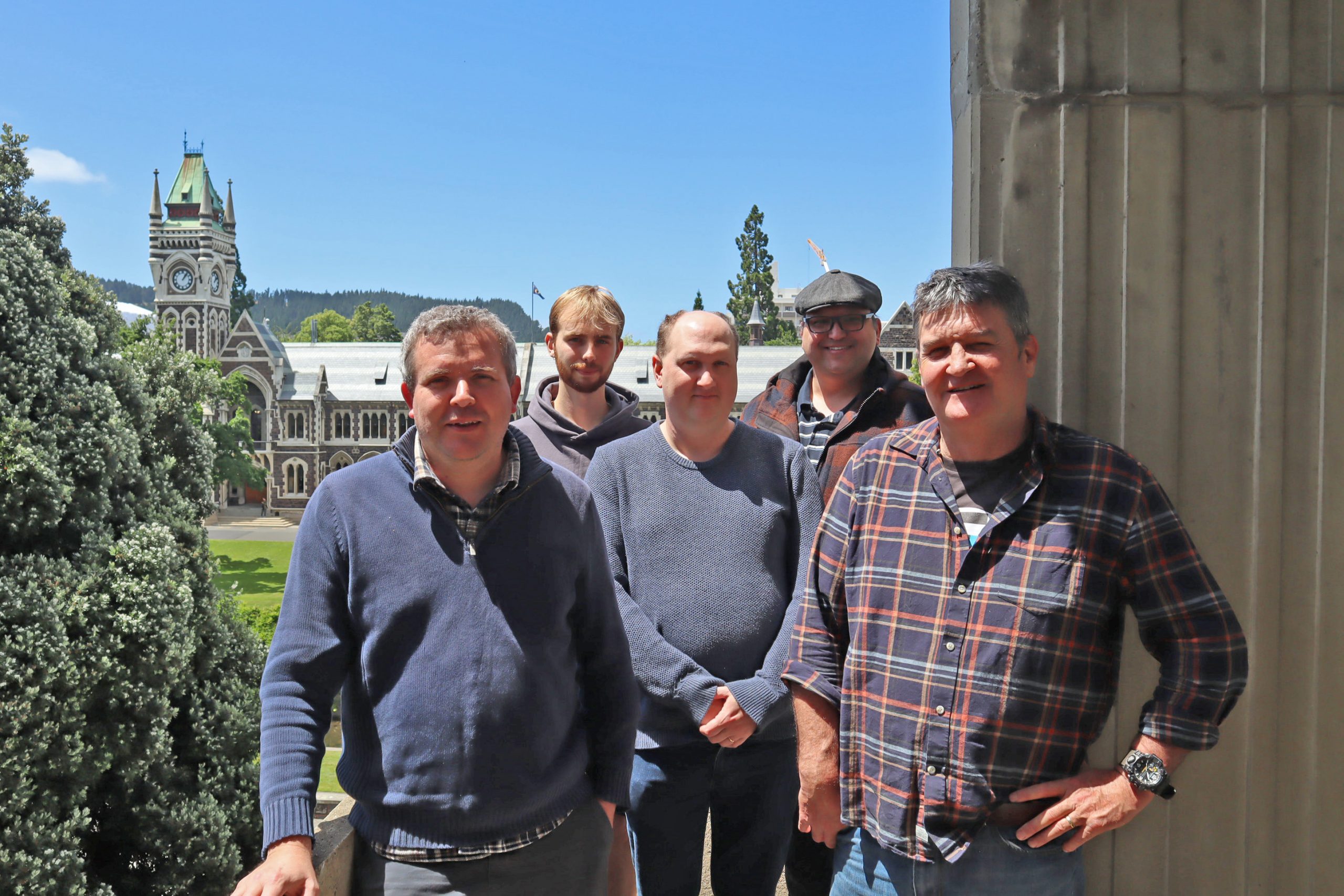
Professor Peter Mace’s team is investigating COP1, a protein that helps regulate development in both animals and plants. In animals, it works independently of light, but in plants it acts as a ‘central hub’ for regulating light-dependent activities such as germination, flowering, and avoiding shade. It is not yet clear exactly how COP1 works with other molecules in plants to produce these effects.
Professor Mace’s research team includes Dr Simon Brown, a cryo-electron microscopist at Molecular Horizons, University of Wollongong, Australia, and Professor Ute Höcker of the Institute for Plant Sciences, University of Cologne, Germany. They will use a variety of advanced research techniques, including biochemistry, structural biology, whole-plant studies, and evolutionary analysis, to reveal a comprehensive picture of how the COP1 system works in plants.
The findings could lead to new strategies to produce more resilient crops, vital in an era of climate uncertainty.
“Because this system regulates traits like flowering time and shade tolerance, the findings may open future opportunities for crop improvement.” explains Professor Mace. “Even small shifts in these traits could enhance plant productivity and resilience, helping to reduce risks associated with increasing climate volatility.”
Both projects are great examples of the power of fundamental research: answering fascinating questions about life while opening doors to future innovations.
Find out more about Matthias and Peter’s research here:
Dr Matthias Fellner’s profile page
Professor Peter Mace’s profile page
