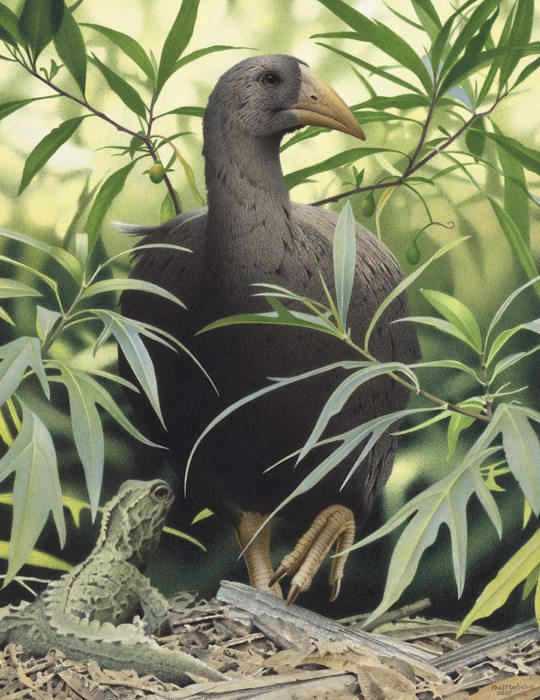
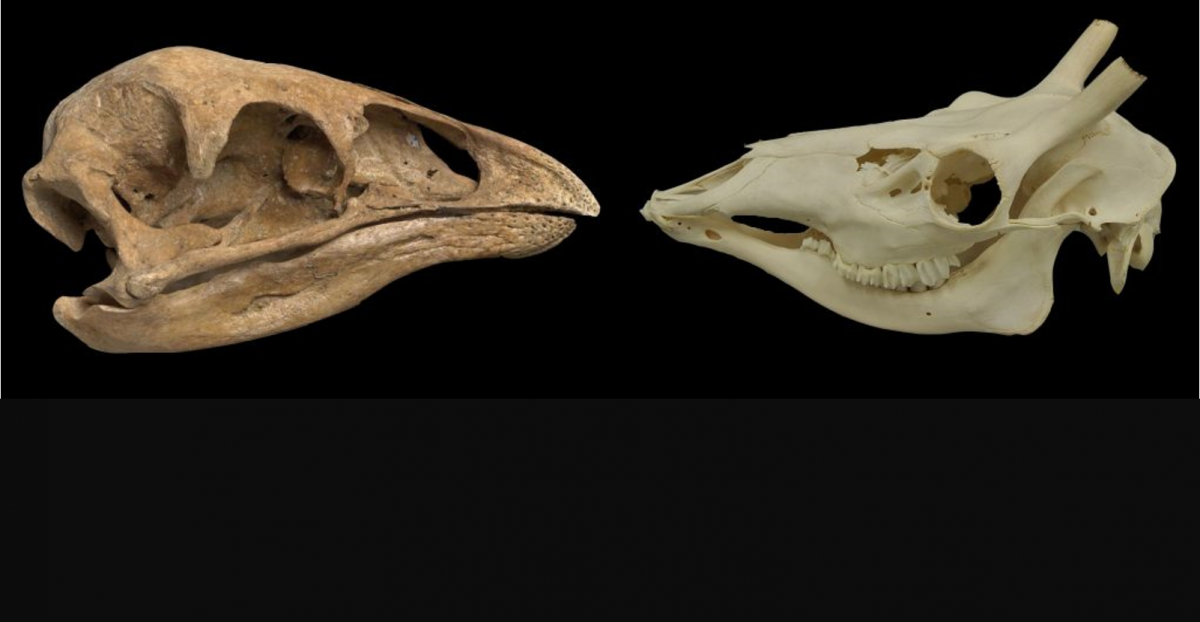
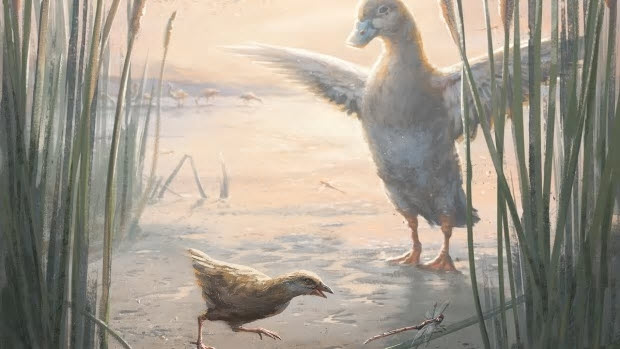
As a kid, I remember visiting Canterbury Museum with my Dad. I was fascinated and terrified in equal measure by the giant moa skeleton in the entrance, just as my four-year-old is today. But what really interested me was the much smaller, but not less diminutive, skeleton of an extinct adzebill.
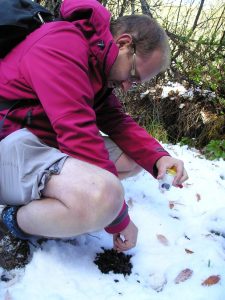
It’s the depths of winter and I’m squatting in the snow, surrounded by southern beech forest, using a pair of tweezers to pick up fresh steaming deer poo.
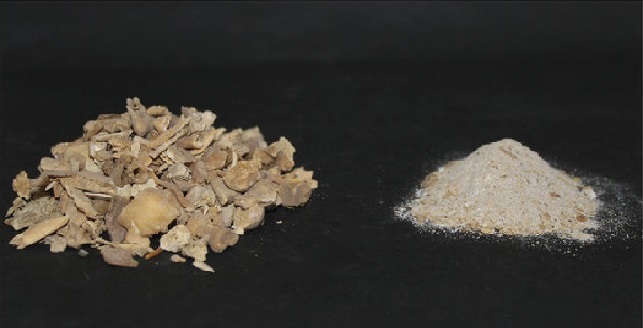
Pooper scooper: Braving the cold in the name of science, these deer droppings are a harbinger of a changing world. Photo courtesy of Jamie Wood.
My wife Maria, and palaeoecologist Jamie Wood, from Landcare Research, are doubled over in laughter, having just given me the official job title of pooper scooper.
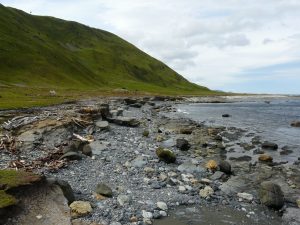
Fossil hunting along the rugged and beautiful Wairarapa coastline is a dangerous exercise. Prevail against the harsh winds that blow you off your feet and fossil penguins will be your reward – prehistoric nuggets of gold from a lost world that is only now yielding its secrets.
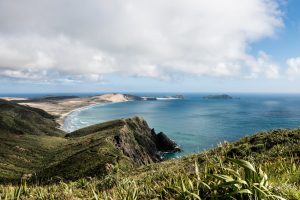
Risking life and limb: At the rugged Te Kaukau Point, bones of prehistoric creatures from a lost world can be found eroding out of the coastal banks. Photo courtesy of Alan Tennyson.
Alan Tennyson and Peter Clayworth are at Te Kaukau Point, looking for bones eroding out of the vertical coastal bank dissected by the 1718-year-old Taupo pumice layer. This line gives a good clue to the relative ages of bones above and below it. The stark, isolated Wairarapa coast is being constantly eaten away by the sea, erasing Aotearoa’s biological heritage. Regular expeditions are the only way to salvage what’s exposed from these rich deposits. Moa and fur seal bones are the most obvious – but there is a wealth of smaller bones that take more careful searching to find and even more patience to identify. Continue reading “Sentinels of change: prehistoric penguin species raise conservation conundrum”
On a dark and stormy Wellington street, Kerry is head down, bum up, searching for an elusive and rather dull looking snail.
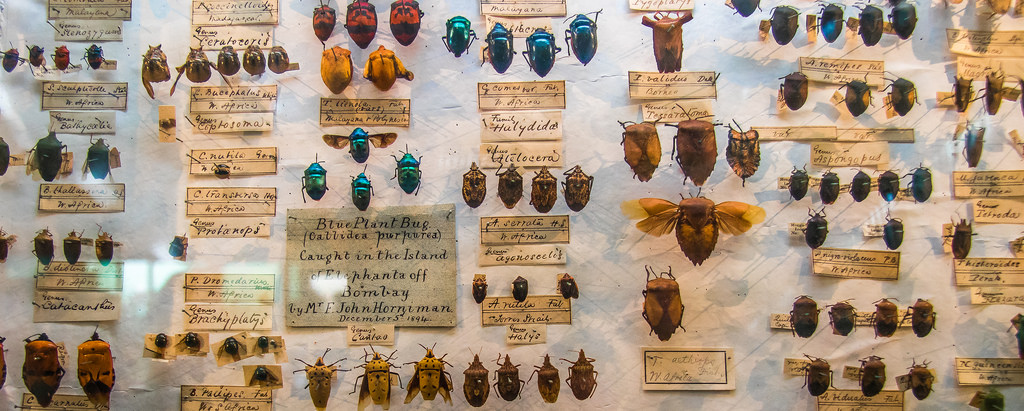
Kerry is one of a new breed of up-and-coming scientists that is taking up the mantle of taxonomy (the science of describing and naming new biodiversity) as members of the old guard get closer to imminent retirement. As one of New Zealand’s foremost experts in terrestrial and marine shells, Kerry is at the forefront of a scientific revolution that, as the whole field becomes more interdisciplinary, is seeing the latest genomic techniques and ancient DNA brought to bear on taxonomy.
Just hours earlier, somewhat inebriated, Kerry had been weaving his way home from a night out when he noticed a weird snail (an LBJ or little brown jobbie as it’s known in the field) and thought nothing of it…until later. Now, it’s a scene eerily reminiscent of Gollum feeling around in the dark of the goblin cave for his precious. He needs to find that LBJ; it may be important. Continue reading “Make taxonomy great again”
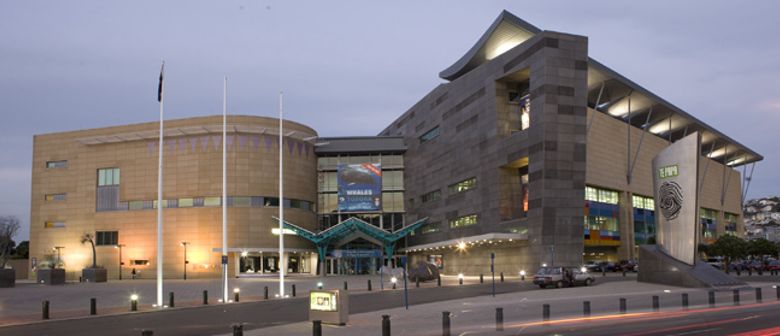
In an unassuming building at the top of Tory Street in Wellington lies buried treasure: the remains of a lost world that rivals Smaug’s hoard, but the equivalent of the five armies is closing in.
The proposed restructure of our national museum means we are in danger of losing the key to unlocking the secrets these biological taonga hold.
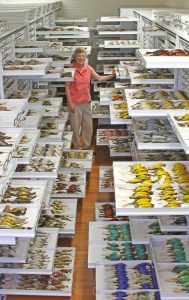
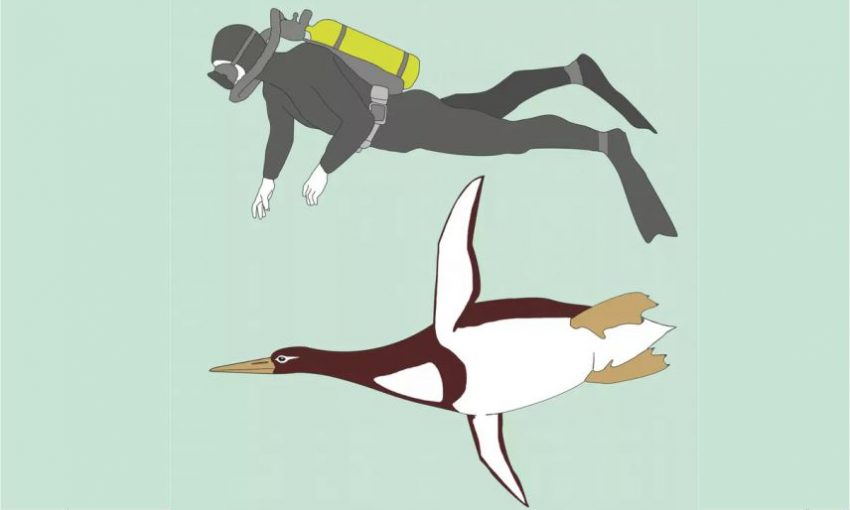
I meet Alan Tennyson, the Curator of Vertebrates, at Te Papa’s offsite collections facility. This home away from home holds a special place for me as a self-confessed fossil nerd. I owe my career and my lab’s research programme to the treasures housed in its basement and those of other New Zealand museums. I have been visiting Te Papa’s collections for nearly 15 years, working on everything from birds to seals, from cetaceans, (whales and dolphins), and reptiles to frogs, many of which will never be displayed to the public. The success of some of the biggest high-profile fossil bird research projects in recent years, (such as elephant birds and giant penguins), has been down to the perseverance of curators and collection managers at Te Papa. These seminal publications showed kiwi (Apteryx spp.) are most closely related to the extinct giant elephant birds from Madagascar (not a bunch of feathered Aussies) and that New Zealand once had the largest penguins in the world. Continue reading “Critically endangered but not lost: the fight to save Te Papa’s collections from extinction”
I’m lying on a beautiful golden sand beach. The bright sun is beating down upon me. I could be on an isolated, tropical island, if not for the lone giant moa sculpture looming above my head.
This sentinel to a lost world stands at the aptly named Old Bones Backpackers at Awamoa, (originally named Te Awa Kōkōmuka), south of Oamaru. It was erected as if to remind us of what was and what we have lost, guarding the remains of its brethren.
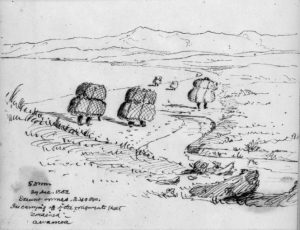
Archaeology old school: In the days before four-wheel drive vehicles, “carrying off of the fragments that remained” from Awamoa was no doubt an arduous task, especially just before afternoon tea. Photo courtesy of Alexander Turnbull Library.
Awamoa is a ‘moa hunter’ site where one of New Zealand’s first archaeological excavations, conducted by Walter Mantell, took place in 1852. Today, it’s a far cry from what the area looked like all those years ago, with coastal erosion, the nemesis of archaeologists, attempting to wipe the slate clean.
Suddenly, waves crash around me into our excavation pit, followed by the rhythmic upbeat music of the water receding over pebbles. It breaks me out of the reverie about my curious feathered friend. I’m here on what could only be called an extreme ‘rescue excavation’ before the sea claims any remaining bones for Davy Jones. Continue reading “Fossil Lucky Dip from a Lost World”
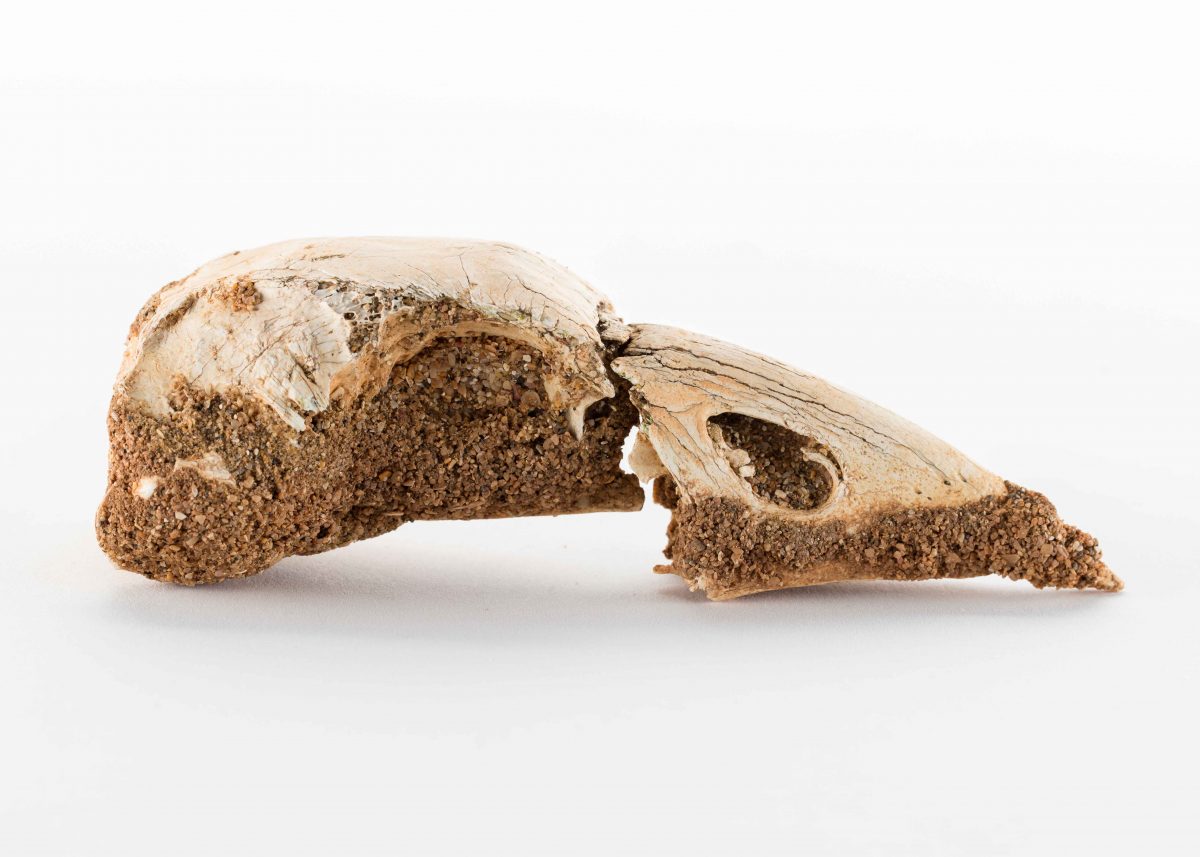
Ground control to Major Tom: The otherworldly Herangi Hill at Motu i Pao/Cape Maria van Dieman where Fred found the ancient Moho skull. Photo courtesy of Jennifer Carol.
In the pouring rain, surrounded by flowing sand lava and cascading lahars, Fred Brook gingerly walks towards Matt Rayner and me. He’s sliding across a steep sand dune, his hands carefully cupped before him. Whatever he is holding appears precious. It is; Fred has hit the jackpot. Through the rain, we get a glimpse of a powerful beak, possibly thousands of years old.
It’s the height of the Central Otago summer – barren, dry and dusty. Driving down the gravel road to St Bathans, we’re travelling back in time, down the rabbit hole to a world long gone. Only ghosts remain of this lost world and that’s what we’ve come here to find. The fossilised bones of a myriad of animals dating back some 16-19 million years from the Miocene period can be found in the sediments of the surrounding area. Continue reading “Through the looking glass: Fossils reveal a Miocene Wonderland at St Bathans”
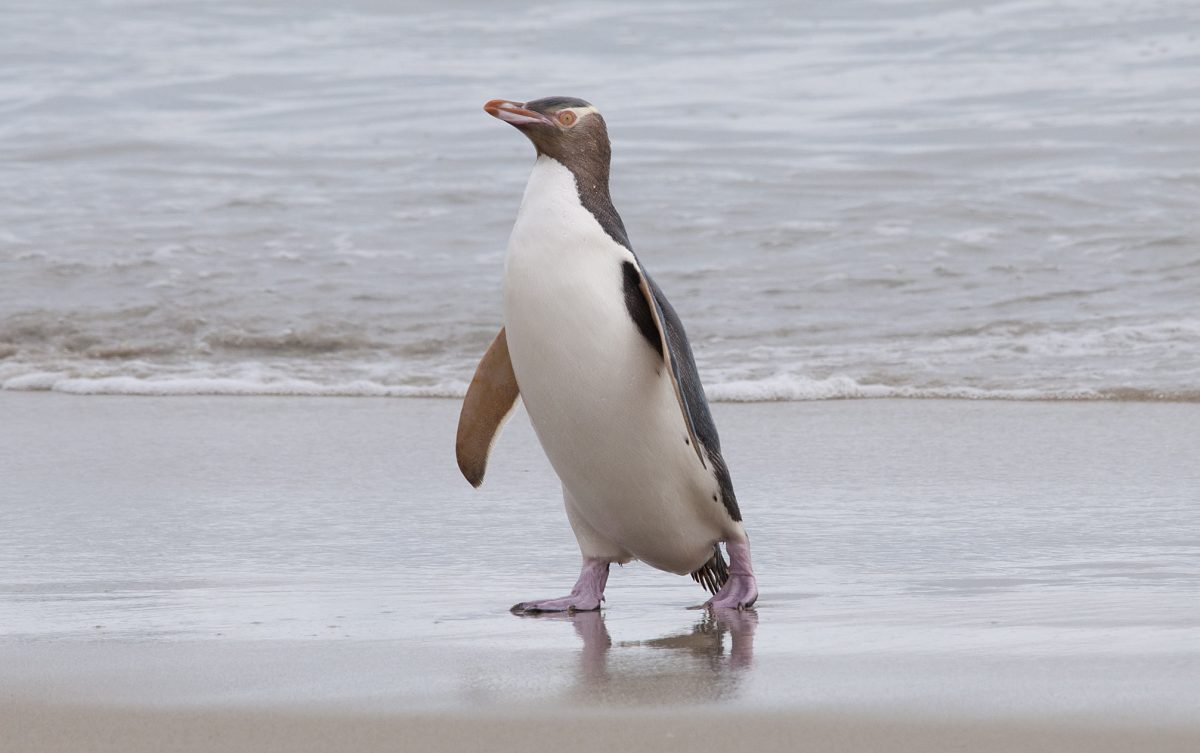
New Zealand has long been considered the cradle of penguin evolution. But two new fossil discoveries, affectionately known as Bice’s, (pronounced Bee-chee’s), and Rosie’s Penguins, are rewriting early penguin evolution and have taken the world by storm. Move aside Penguins of Madagascar; there are some new and cool kids on the block!