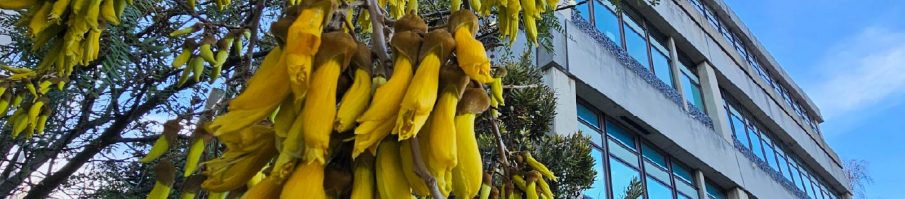
Genetic transfer in agriculture
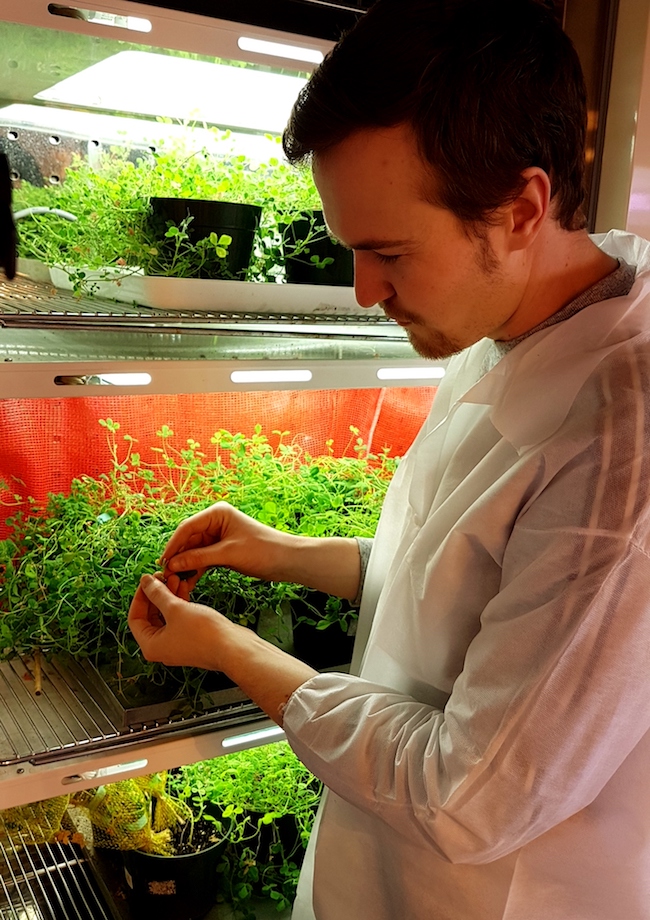
How do plants know when to start making flowers? In this video, Otago Biochemistry researcher Associate Professor Richard Macknight and his students talk about their investigations into how legume plants flower, using sequencing and genetics.
Legumes are a diverse family of plants that includes peas, beans, clover, and lucerne. They are an increasingly important source of food for both humans and our livestock.
What is this video about?
This video features scientists talking about their research into how flowering is controlled in legumes. It introduces some useful scientific techniques and concepts, including:
- High throughput DNA sequencing (1:52 – 2:47)
- How mutations in genes can affect proteins (2:47 – 4:23)
- The principle of segregation (4:23 – 4: 56)
- Gel electrophoresis of DNA (5:16 – 6:44)
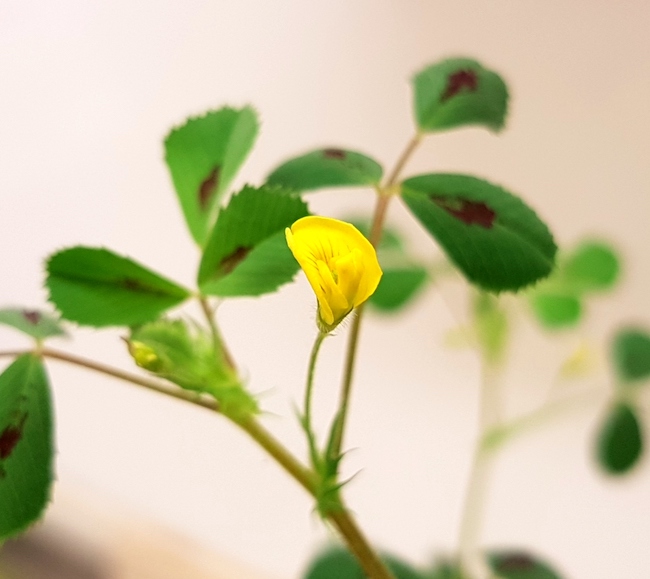
What could this research be used for?
Legumes are nitrogen fixers, which means that they don’t need to be given as much fertiliser as other types of crops. Since fertiliser is a major source of pollution for rivers and lakes in New Zealand, using more legumes to feed cows and sheep could improve the environment. Also, the seeds that legumes produce, i.e. peas, beans, and lentils, are good sources of protein and are becoming more popular as an alternative to meat for health, ethical or environmental reasons.
When we understand the genes that control when legumes flower, we can then edit them to make them flower earlier or more frequently, or make them flower in places they wouldn’t usually flower, so we can increase legume crop yields.
But what are the implications of gene editing and genetic modification?
There has been a very large, decades-long debate about whether genetic modification technologies are ethical and safe to use on plants we eat, particularly in New Zealand. A new tool is now available that can very accurately edit DNA. It is called CRISPR-Cas9, and it has triggered a new wave of debate on how these technologies should be used.
The Royal Society of New Zealand – Te Apārangi has recently put together a page of resources to help people to understand gene editing, how it could be used, and what the implications of using it could be:
A short animation explaining gene editing from the Royal Society:
https://player.vimeo.com/video/191676165
The Society also organised panel discussions where a bioethicist and New Zealand experts discussed the potential uses of gene editing. You can listen to the audio recording of the discussion exploring the use of gene editing technologies in agriculture here:
More for all: Nature by design?
Other useful links:
