
New Zealand Can Lead the World in Tobacco Control: Plain Packaging 2.0

Thursday, March 10th, 2016 | Kate Sloane | 1 Comment

Janet Hoek, Co-Director, ASPIRE2025 and Professor of Marketing and Philip Gendall, ASPIRE2025 and Emeritus Professor of Marketing
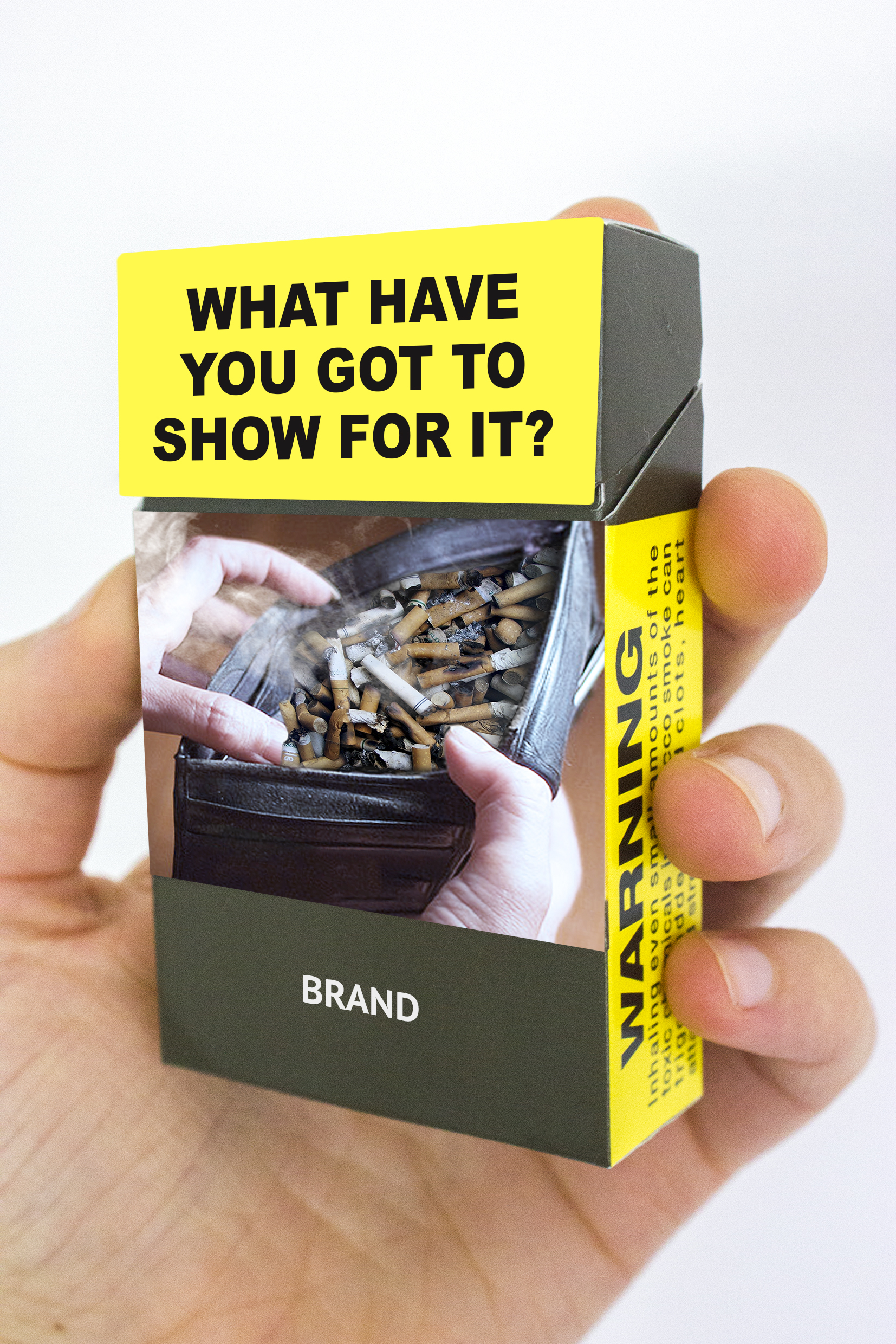
wallet what got to showThe Prime Minister’s decision to progress plain packaging legislation “sooner rather than later” is an important step towards our smokefree 2025 goal. There are four key areas for improving on Australia’s legislation to maximise the effectiveness of plain packaging:

  • preventing the proliferation of brand variant names;
  • improving the pictorial warning labels so these resonate more effectively with smokers;
  • introducing dissuasive cigarette sticks and rolling papers, and
  • foregrounding Quitline information and supportive cessation messages on packages.
Continue reading

The Island Bay Cycleway – Terribly Important and Nothing New

Monday, March 7th, 2016 | Kate Sloane | 6 Comments

Professor Alistair Woodward*

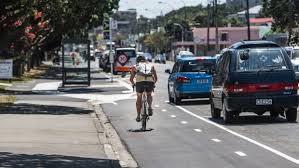
Island Bay CyclewayThis is a sensible move to make the city safer and more attractive for carbon-sparing, health-promoting bicycling, according to some. Unnecessary and disruptive and not wanted by most people, argue others. The debate over the Island Bay cycleway is important because the way we build our streets shapes how we live, and consequently determines the health and well-being of populations. But it is nothing new. The Island Bay story has unfolded previously in other places. In essence, this is a debate about the best use of a limited common resource. In Wellington and in many other cities the status quo is being challenged. The fundamental question is: how does the public road accommodate change?

Continue reading

Tax Reform Pros & Cons: A Brief Look from a Public Health Perspective

Tuesday, February 9th, 2016 | Kate Sloane | No Comments

Prof Nick Wilson, Dr Caroline Shaw, Dr Nhung Nghiem, Prof Tony Blakely, A/Prof Ralph Chapman

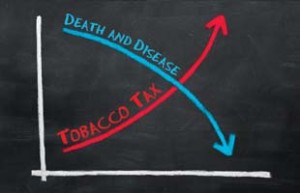
Tax policies have major impacts on society and designing such policies is complex. But if death and disease, tobacco taxthe perspective is around gaining health and saving costs for the public health system, then certain tax reforms may be favoured more than others. In this blog we take a brief look at what potential there is for revising the NZ tax system from a public health perspective.

Continue reading

Taxing sugary drinks: Empirical findings out of Mexico

Thursday, February 4th, 2016 | Kate Sloane | 1 Comment

Dr Andrea McDonald, Dr Cristina Cleghorn, Prof Nick Wilson, Prof Tony Blakely

Soft drinks blog picLast month the British Medical Journal published a study on the highly anticipated purchasing data examining the impact of taxing sugar sweetened beverages (SSB) in Mexico (1). This study reported that the 10% tax on SSBs was associated with an overall 12% reduction in purchases and a 4% increase in purchases of untaxed beverages one year after implementation. In this blog we examine this latest study, how it fits in with existing evidence, and how these results might apply to improving the control of obesity and improving child oral health in New Zealand.

Continue reading

The Trans Pacific Partnership Treaty and tobacco: no cause to celebrate

Monday, December 21st, 2015 | Nick Wilson | 1 Comment

Louise Delany, Senior Lecturer, Assoc Prof George Thomson*

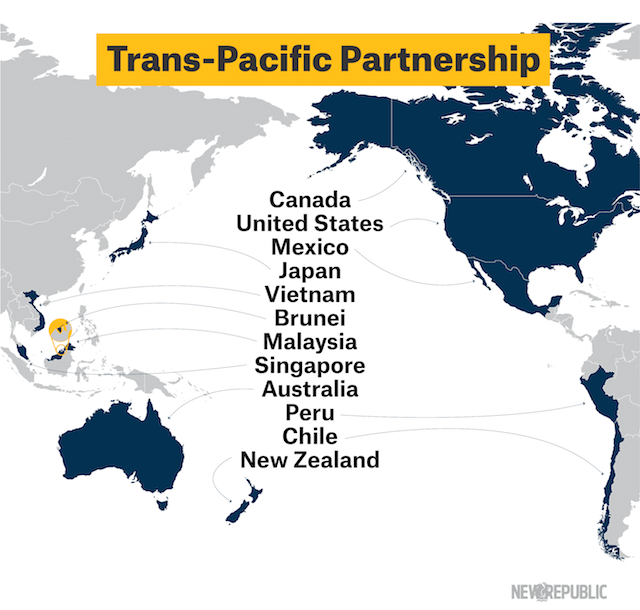
In this blog we ask what the tobacco ‘carve out’ from the Trans Pacific Partnership TPP Map(TPP) Treaty means for public health. Despite the partial exemption of investor-state dispute settlement (ISDS), the TPP agreement as a whole applies to tobacco, and breaches of the TPP might, in principle, be alleged in relation to tobacco. The TPP provides mechanisms to pursue complaints for breaches of its obligations in addition to ISDS. These other mechanisms remain unaffected by the partial, and optional, exclusion of ISDS. While the partial investor-state dispute settlement exclusion is a small step in the right direction, the fundamental inconsistencies between agreements such as the TPP and public health in general are left untouched.

Continue reading