

Events
Upcoming events hosted by or involving Genetics Otago will be listed here. Please check back regularly for updates. A calendar of events that may be of interest to our members can be found at the bottom of this page and in the sidebar of other pages on this site, please note that this includes events hosted outside of Genetics Otago.
GO Week 2026

Register now for three days of genetics-focused talks, workshops, kōrero, and connection. Highlights will include Hub workshops, Ira Rangahau, poster session and our flagship full-day symposium!
All Welcome.
As usual, the Symposium will highlight the fantastic research being done by GO members from around the country through presentations, posters and awards.
Date: 17th – 19th February 2026 (Main Symposium 17th February)
Venue: Department of Biochemistry and St David Complex, Dunedin Campus and online
Sponsors
A huge thank you to all of our Sponsors for this event:
 |
 |
Confirmed Speakers
Keynote:
 Professor Jon Waters Department of Zoology |
Invited Speakers:
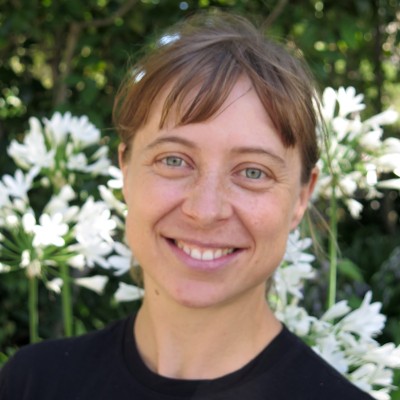 Associate Professor Anna Pilbrow Department of Medicine (Chch) |
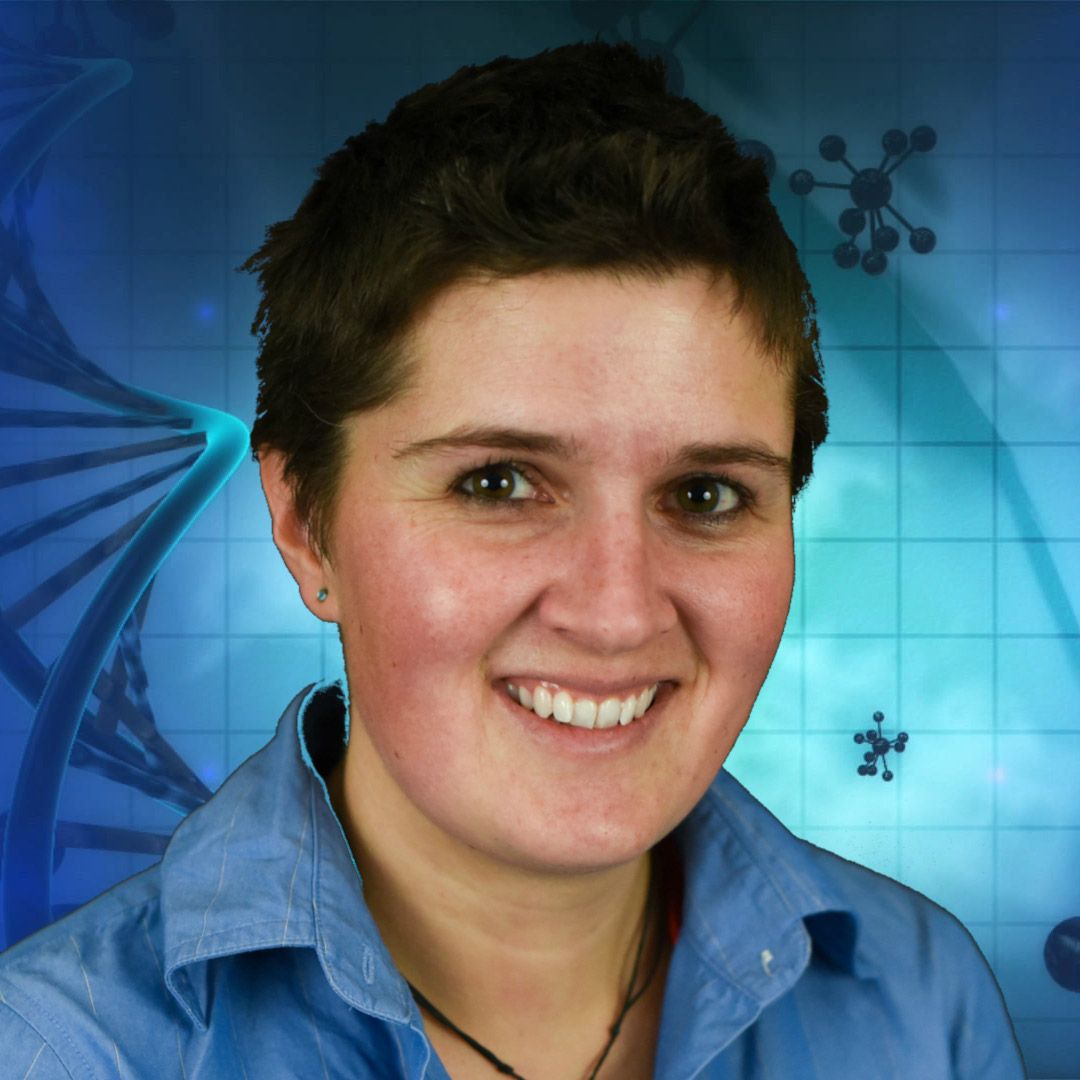 Dr Alana Alexander Department of Anatomy |
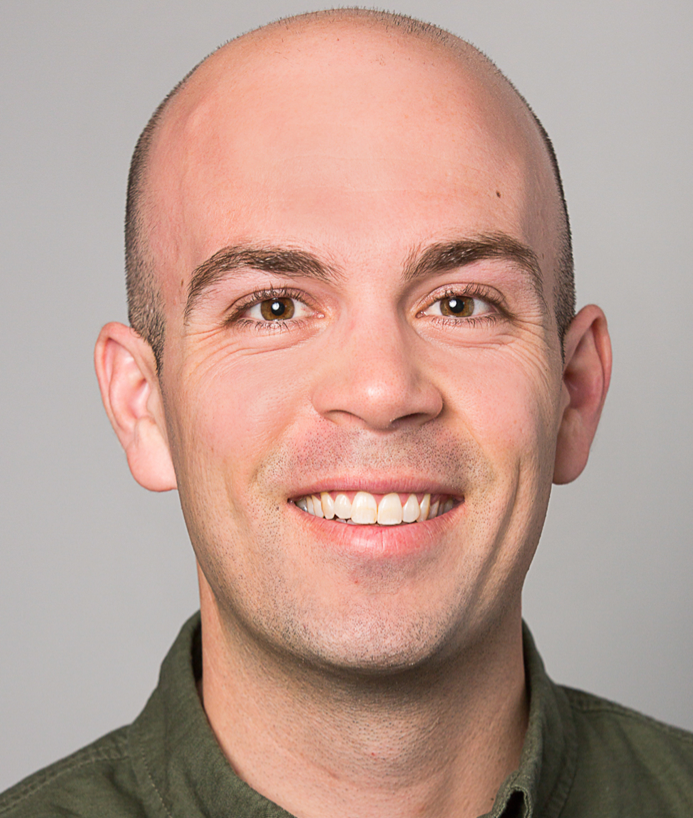 Dr Matthew McNeil Department of Biochemistry |
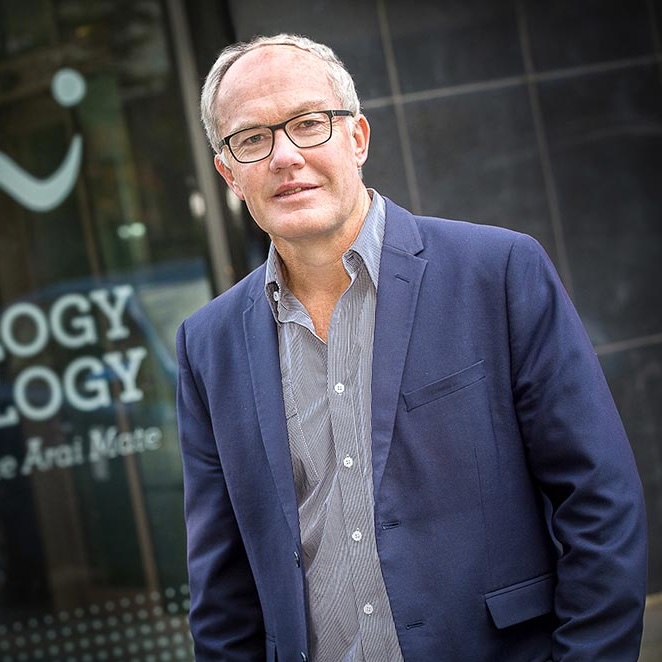 Distinguished Professor Greg Cook DVC Research and Innovation |
Workshops
Genetics Otago Hubs will host workshops on the 18th and 19th of February. You will be able to register for these when you register for the main Symposium. Full details on these workshops are still to come but we plan to host the following:
Beyond the Bench: Decoding Science Communication
A career in genetics extends beyond laboratory results and literature reviews—it also involves communicating research clearly and effectively. Whether you are preparing for a presentation, developing a grant idea, or seeking to share your work with broader audiences, this workshop is designed to support you.
Join colleagues from Genetics Otago for a morning focused on science communication. The session will bring together experienced communicators to provide practical guidance on refining your message and engaging diverse audiences.
The programme will begin with an in-depth session led by A/Prof Nic Rawlence, followed by a practical briefing from Ellie Rowley from the University of Otago Communications Division. The workshop will conclude with an open Q&A panel featuring Dr Claire Concannon(Radio New Zealand) and social media expert communicator Taylor Davies-Colley (@TayTalksTrees).
Date: 19th February 2026
Time: 10:00 am – 12:00 pm
Variant Classification: Making Sense of Genetic Variants in Rare Disease
This workshop provides an interactive overview of current ACMG guidelines. Through hands-on cases, participants will be guided through variant filtration and curation using current tools and resources.
Participants will need their own laptop with Excel installed.
Date: 18th February 2026
Time: 9:00 – 10:30 am
Single cell and CRISPR screening (CROPseq/PerturbSeq) worskshop
Hosted by the Single Cell Sequencing and CRISPR Hubs in collaboration with Illumina.
Revolutionising scRNA-Seq accessibility: Illumina’s instrument free PIPseq solution and CRISPR screening tool
As one of the fastest-growing next-generation sequencing innovations, single-cell approaches empower every lab to push the boundaries of discovery. Illumina’s Single-Cell 3’ RNA Prep offers a simple, cost-effective solution designed to democratize single-cell sequencing, enabling researchers across diverse fields—from neuroscience and cancer biology to marine and crop science—to unlock deeper insights. Powered by PIPseq™ technology, this innovative system uses emulsion-based Particle-templated Instant Partitions (PIPs) to efficiently partition complex cell mixtures, paving the way for seamless multi-omic studies, fully supported by the Illumina ecosystem.
Ready to elevate your research? Want to get high resolution single cell transcriptomics without capital investment, at highest flexibility (100-100,000s of cells) with full Illumina ecosystem integration? Join this Illumina seminar and roundtable discussion to learn how we’ll support you at every step and take your science further.
Date: 18th February 2026
Time: 9:00 am – 10:30 pm
Epigentics Workshop
Hosted in collaboration with Illumina.
Illumina: Unlocking the Power of Illumina 5‑Base for Genomic & Epigenetic Discovery
The Illumina 5‑Base Solution represents a breakthrough in multiomic research, enabling simultaneous whole‑genome sequencing and methylation profiling in a single, streamlined workflow. By integrating high‑accuracy variant detection with comprehensive epigenetic insights, researchers can uncover deeper biological mechanisms, accelerate biomarker discovery, and advance precision medicine. This technology empowers scientists to explore the interplay between genetic code and epigenetic regulation with unprecedented efficiency and scale. Join our upcoming workshop to explore how to harness the Illumina 5‑Base platform for your next research breakthrough. Register today to secure your spot and take your genomic and epigenetic studies to the next level.
Date: 18th February 2026
Time: 11:00 am – 12:30 pm
Considering epistemic justice in informed choice for genomic testing
Hosted by the ELSC Hub and presented by Sara Filoche
Epistemic justice is when people’s positions as a knower and producer of knowledge are upheld. Epistemic justice considers people’s epistemological norms (e.g., people’s different and varied worldviews and ways of acquiring knowledge), social justice (e.g., human rights and equity) and ethical practice (e.g., autonomy). There are two ways that this can broadly occur. Hermeneutical justice is upheld when people have, for example, the resources and language to express and make sense of the experience to, and for, them. Testimonial justice occurs when people’s testimonies of their experience are believed as being credible. The converse occurs in instances of hermeneutical and testimonial injustices. Epistemic injustices are inextricable from injustices associated with race, gender, disability, sexuality and socioeconomic status.
In a US‐based project, people were offered prenatal screening for a range of genetic conditions participants shared experiences such as ‘I was left in a position where I was like, I don’t even know what any of this means. Then I turned to Dr Google, which I do not recommend.’ Another person from the same project shared, ‘Maybe if someone would’ve went through with me, and really explained it, maybe that would’ve made it a little bit easier to process’. These examples highlight the importance of considering the hermeneutics of informed choice.
Who gets to decide what information is important for people to know? And how do we make and report decisions as informed ones?
Informed choice as an epistemic justice consideration has not been widely explored, but it promises new avenues for clinical communication approaches and policy implications.
Date: 18th February 2026
Time: 1:00 pm – 2:30 pm
Single Cell Sequencing Workshop Part 2
Enabling Discovery at Scale with 10x Genomics Single Cell and Spatial Technologies
Hosted by Millennium Science.
Advances in single-cell and spatial genomics are rapidly transforming our ability to study biological systems with unprecedented resolution and scale. In this presentation, we will provide a high-level overview of 10x Genomics technologies, highlighting how these platforms enable researchers to interrogate cellular diversity, cell states, and spatial organisation across a wide range of biological questions.
This session is designed for researchers who are new to single-cell or spatial approaches, as well as those seeking a broader understanding of how these tools fit together within a unified experimental ecosystem. The aim is to provide clarity on the capabilities, flexibility, and advantages of the 10x Genomics platforms.
Date: 18th February 2026
Time: 1:00 pm – 2:30 pm
Zoom Details: Meeting ID: 936 5919 6441. Password: 196313
Decode Science CRISPR Workshop
Novel CRISPy perspectives
Join an engaging CRISPR seminar series showcasing the breadth of modern applications across molecular biology. This session brings together leading researchers to explore advances ranging from epigenetic methylation, synthetic biology, to airborne environmental DNA surveillance. Presentations will highlight innovations in CRISPR-Cas technologies, and emerging research frontiers applicable to CRISPR-Cas technologies. Our aim is to provide a space within Otago that fosters discussion, novel frontiers and collaboration while connecting foundational science with the rapidly expanding potential of CRISPR-based tools.
Date: 19th February 2026
Time: 9:00 am – 12:00 pm
Ira Rangahau
A half day session featuring students and early career researchers and the future of Māori genetics that they will be a part of. More details to come.
Date: 19th February 2026
Time: 1:00 pm – 4:00 pm
Social Event
A chance to have a drink and some kai at Ombrellos to end the week!
Date: 19th February 2026
Time: 4:30 pm – 6:00 pm
Programme
The draft programme is subject to change until the date of the Symposium.
Registration
Registration for our main symposium is now closed, however we are still accepting registrations for our workshops. If you have already registered and would like to add additional workshops please ensure you use the same email address so that we can match up your registrations.
Registration Fee
Due to budget constraints, we will be charging a $50 per person registration fee for all attendees to subsidise the costs associated with the Symposium. We have received confirmation that this registration fee can be paid from S accounts, and if you are in a position to make a donation on top of this fee, we would gladly receive it. However, we do not want the payment to be a barrier to attendance, so if you are not in a position to make a payment, please contact us go@otago.ac.nz.
Any summer students who would like to attend are welcome; no registration fee will be charged for these students, but they will still need to register.
Payment Methods
Once registration is open, payments from a University of Otago account can be journaled to Genetics Otago account GL.10.LH.A14.2541 via your finance associate. Please include the surname(s) of the registrants that the payment covers in the narration.
If you need to make a payment using funds from outside the University, this can be arranged via the Cashier’s Office. Please contact us for details (go@otago.ac.nz).
Abstract Submission
Abstract submission is now closed
Calendar of Events
A calendar of events hosted by GO as well as events hosted by others that may be of interest to our members is shown in the right side bar of this page. If you have an event you would like us to include please contact us here.