

“Why not just ban it?” Is it time to consider ending tobacco sales?

Tuesday, July 1st, 2014 | Kate Sloane | 11 Comments

Professor Richard Edwards

Every now and then when discussing New Zealand’s Smokefree 2025 goal, plain packaging or some other policy measure, the question will come up – ‘well why don’t you just ban it?’ Indeed, Hone Harawira drafted a Private Members Bill proposing exactly that back in 2006.

Why not just ban the sale of tobacco?

Why not just ban the sale of tobacco?

This blog considers some arguments for and against a ban on the production (other than tobacco grown for personal use), importation and sale of tobacco products, whilst not criminalising the use of tobacco. The purpose of such a measure would be to ensure, hasten and sustain the achievement of the goal of close to zero smoking prevalence by 2025. The blog comes down on the side of intensifying other tobacco control approaches initially but also encouraging a public debate about setting a ‘national quit date’ in a few years time when the tobacco industry would be stopped from selling its lethal and addictive tobacco products.

Continue reading

We need to talk about breast cancer screening (part 2)

Thursday, June 26th, 2014 | Kate Sloane | 5 Comments

Editor note: This is Part 2 of a two-part blog by Dr Caroline Shaw and Associate Professor Diana Sarfati on breast cancer screening. In Part 1 they looked at the contested research around breast cancer screening. In today’s Part 2 they explore the implications for New Zealand. As Editor’s, we agree with Shaw and Sarfati that screening beneath the age of 50 should stop and the quality and honesty of communication to women must improve. We would also go one step further and argue that the cost-effectiveness of breast cancer screening should be re-evaluated, for optimistic and pessimistic scenarios. A media release also accompanies this blog.

Dr Caroline Shaw and Associate Professor Diana Sarfati

What do we do with the conflicting information on breast cancer screening?

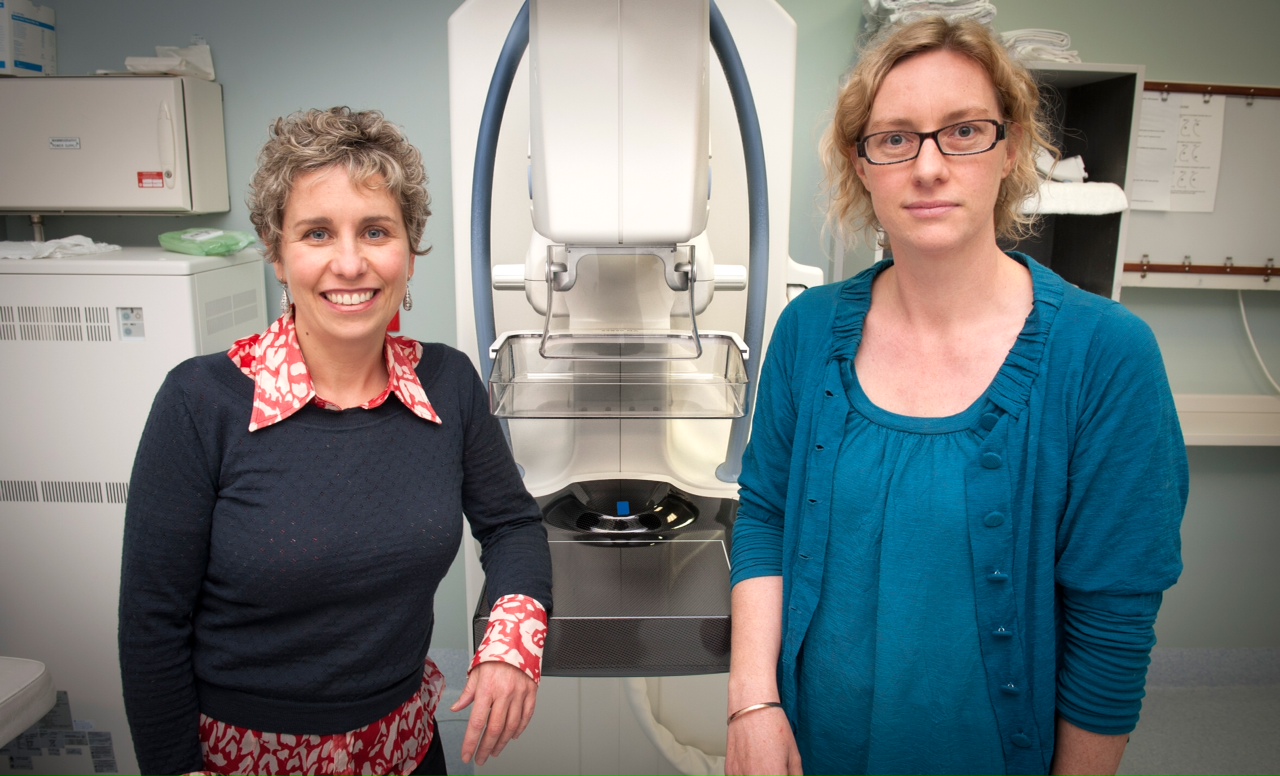
Assoc Prof Diana Sarfati and Dr Caroline Shaw

Assoc Prof Diana Sarfati and Dr Caroline Shaw

Sorting through the information about breast cancer screening is difficult. There are highly experienced and knowledgeable screening experts on both sides of the debate and both sides make some cogent arguments. There is disagreement about the validity of evidence from the individual randomised controlled trials (RCTs), about whether improvements in treatment have had an impact on screening effectiveness and about the level of over-diagnosis from screening. In some cases researchers are looking at the same screening studies and concluding very different things. In others, they disagree about the best methods and data to use to examine an issue. Polarisation of views is pretty typical in screening; however it does make it difficult to know where the truth lies as positions become entrenched.

Continue reading

We need to talk about breast cancer screening (part 1)

Monday, June 23rd, 2014 | Kate Sloane | 1 Comment

Editor note: This week Dr Caroline Shaw and Associate Professor Diana Sarfati consider the pros and cons of breast cancer screening, in light of the growing controversy (mostly in the northern hemisphere) about the possibility that the benefits of breast cancer screening are (much) less than previously thought due to over-detection and other issues. In today’s Part 1 blog, Caroline and Diana outline the issues. In the Part 2 blog (appearing on Thursday), they aim for more specific recommendations.

Dr Caroline Shaw and Associate Professor Diana Sarfati

Breastscreen AotearoaPopulation screening attracts controversy. For breast cancer screening there is an ongoing controversy being played out in the international literature related to the absolute fundamental rationale of screening; should we be screening for breast cancer at all? This is a big deal, given that most developed countries have invested hundreds of millions of dollars in the human and technical infrastructure for screening in the last few decades. BreastScreen Aoteroa, for example, costs over $50 million annually. Continue reading

Would a sugary fizzy drink tax reduce health inequalities? Probably Yes

Thursday, June 19th, 2014 | Kate Sloane | 3 Comments

Professor Tony Blakely

A possible tax on sweetened sugary beverages (SSBs, and in particular sugary carbonated soft drinks) is topical internationally. This blog considers some economic theory around prices and demand, epidemiological predictions, and then a recent Australian study on the topic. The bottom line is that such a tax would probably be good for health of all groups in NZ, but particularly the poorest New Zealanders. Such a reduction in health inequalities is an added advantage in a country where health inequalities remain an important problem.

Continue reading

Transport, carbon emission reduction and health- the possibility of a virtuous circle?

Monday, June 9th, 2014 | Kate Sloane | 2 Comments

Dr Caroline Shaw and Associate Professor Simon Hales

Editor note: In this Blog, Caroline Shaw and Simon Hales reflect on the weak evidence on health co-benefits for some ‘big’ environmental policies, but also highlight that there are many ‘no-brainer’ actions that can be taken now with likely health and environmental co-benefit. They have recently published a systematic review “Health Co-Benefits of Climate Change Mitigation Policies in the Transport Sector”.

The transport sector globally generates about 23% of carbon emissions (about 16% of gross emissions in New Zealand). This is largely dominated by the use of light vehicles (see the pie chart below- note: energy use is a good proxy for carbon emissions in the transport sector). Transport emissions continue to grow rapidly, particularly in emerging economies, and by one account transport could represent half of all global emissions by 2050. Continue reading