

Death rates dropping – it is a good time to be alive

Tuesday, June 3rd, 2014 | Kate Sloane | 5 Comments

Professor Tony Blakely and Professor Alistair Woodward  

The fact we are living longer is well-known, as witnessed by discussions such as those around the retirement age and superannuation policy. But few are aware just how dramatic the changes in cause-specific mortality have been in the last century. We are publishing a book later this year (The Healthy Country? A History of Life and Death in New Zealand; AUP) that looks in depth at the fascinating story of mortality decline in New Zealand. The path to low mortality that this country followed was unique in many ways. For example, did you know that New Zealand (non-Māori) had the highest life expectancy in the world from 1870 to 1940? Or that life expectancy for Māori rose by 20 or more years between 1900 and 1950? To find out more, read the book! In this blog we whet your appetite by looking at some data just released by the Ministry of Health on trends since 1945 in cause-specific mortality.
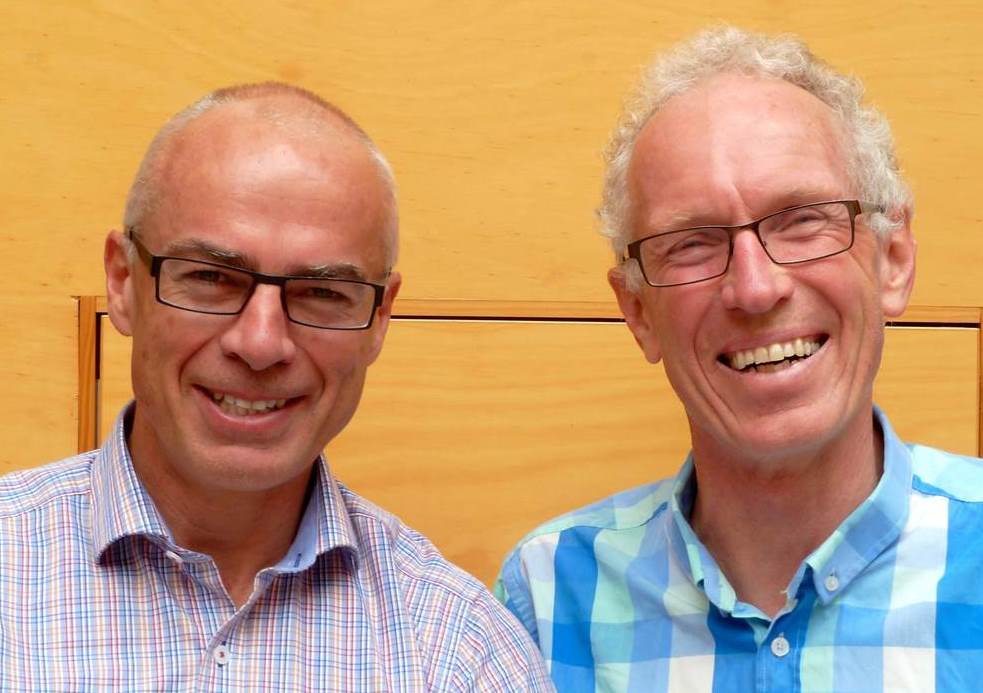
Alistair Woodward and Tony Blakely are publishing a book  The Healthy Country? A History of Life and Death in New Zealand in October this year.  Here they blog about recent Ministry data on falling mortality rates

Alistair Woodward and Tony Blakely are publishing a book The Healthy Country? A History of Life and Death in New Zealand in October this year. Here they blog about recent Ministry data on falling mortality rates

Continue reading

Minimum pricing of alcohol: what does the evidence say?

Tuesday, May 27th, 2014 | Kate Sloane | 7 Comments

Professor Tony Blakely, Professor Jennie Connor, Associate Professor Nick Wilson

As a strategy to reduce harm from alcohol, there is growing interest internationally around the setting of minimum prices on alcohol. In this blog we review a paper just published in the Lancet on this approach. We also consider the potential implications for New Zealand around combining minimum pricing with increases in alcohol excise tax.

Professor Jennie Connor, University of Otago, researches the public health impacts of alcohol policy in NZ

Professor Jennie Connor, University of Otago, researches the public health impacts of alcohol policy in NZ

Continue reading

Improving the health of our children: Project Energize bang for the health $

Wednesday, May 21st, 2014 | Kate Sloane | No Comments

[Editor note, Blakely and Wilson: This is an invited blog by Professor Elaine Rush, in which she overviews the recent Budget from a child health perspective, and then lays out the case and evidence for Project Energize].

Professor Elaine Rush, AUT

The highlight of the 2014 Budget for children was $90 million to make GP visits and prescriptions free for children aged under 13 from 1 July 2015. There was also $40 million for a new Healthy Families NZ campaign to encourage New Zealanders to eat healthier and exercise more. This is modelled on the Australian Health Together Victoria Programme which encompasses more than schools and is a systems approach. This is needed too – we need to work upstream, downstream and with communities. We also need to have evaluations to show that this type of investment is working – accountability for the money that the government and agencies charged to invest in New Zealand for the people. Continue reading

Reducing cardiovascular disease deaths from overweight & obesity: Fortunately there are several options

Tuesday, April 29th, 2014 | Kate Sloane | 3 Comments

Professor Tony Blakely

Compared to a ‘normal’ body weight (BMI 20-<25), being obese (BMI ≥ 30) is associated with a 69% higher coronary heart disease death rate and a 47% higher stroke death rate [1]. The same excess rates for overweight (BMI 25-<30) are 26% and 13%, respectively. In this blog, we look at a recent combined analysis of 97 studies on how much of the overweight/obesity association with cardiovascular disease (CVD) deaths is due to high blood pressure, cholesterol or glucose [1], and what this means for how health policy can address the obesity epidemic. We also reflect on a seminal paper on BMI and mortality by the late Gary Whitlock.

Continue reading

Can we make better use of a cost-effective anti-cancer vaccine? The case of HPV vaccination in NZ girls

Friday, April 11th, 2014 | Kate Sloane | 1 Comment

Associate Professor Nick Wilson, Professor Tony Blakely, Dr Amber Pearson, Dr Nisha Nair

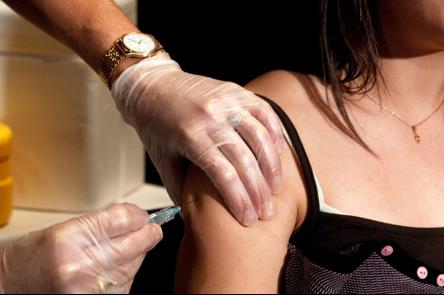
Immunisation photoIn a just published study (and accompanying evaluation summary and media release), we found that the NZ Government’s investment in HPV vaccination for girls is clearly a “good value-for-money” way to protect health – even at the modest 47% coverage. Because of slightly higher coverage for Māori girls, and higher anticipated future HPV-related diseased rates, the programme makes a contribution to reducing health inequalities. But a more intensive school-only vaccination programme (73% coverage as in Australia) would achieve more health gain and still be cost-effective. In this blog we discuss these findings and how the country could catch-up to the much higher HPV vaccination coverage levels seen in Australia and the UK.

Continue reading